

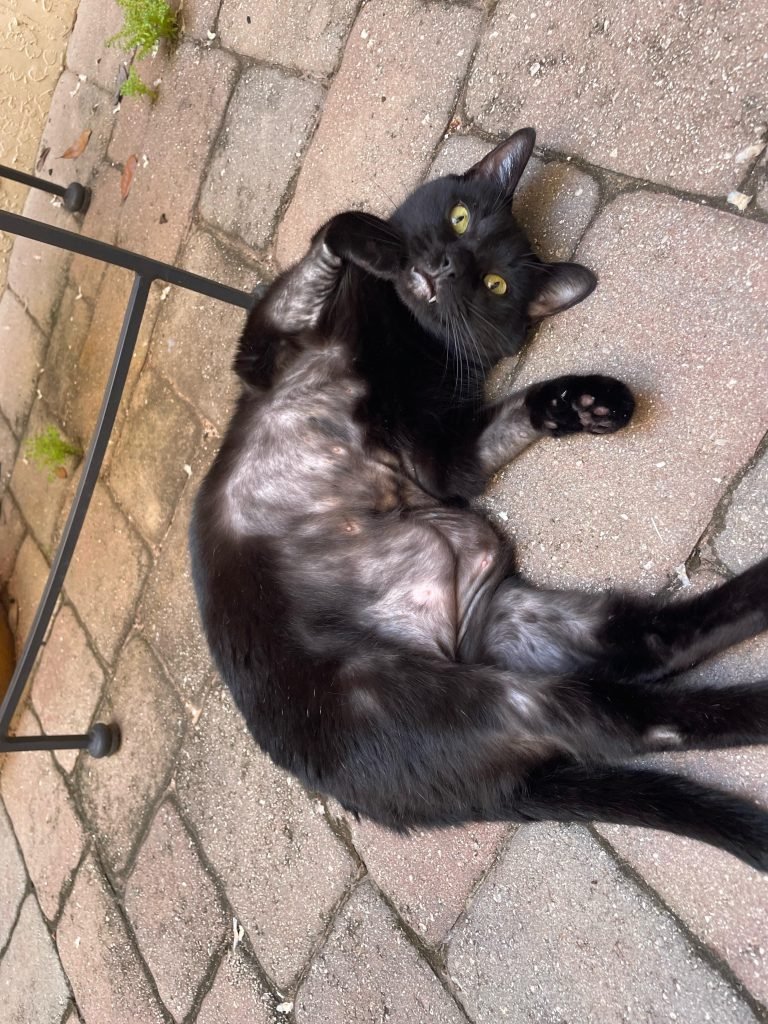
Is your cat spending too much time licking or biting its fur? Over grooming can be more than just a quirky habit—it might be a sign of stress, allergies, or other health issues.
If you’ve noticed your furry friend losing patches of fur or developing sore spots, you’re probably worried and wondering how to help. You’ll discover simple and effective ways to stop your cat from over grooming, so you can keep your pet happy, healthy, and comfortable.
Keep reading to learn what’s behind this behavior and what you can do right now to make a difference.
Causes Of Over Grooming
Over grooming in cats can be puzzling and frustrating. Understanding what causes your cat to groom excessively is the first step to helping them stop. The reasons can be medical, emotional, or environmental, and sometimes a mix of these factors. Let’s break down the main causes so you can better identify what might be affecting your furry friend.
Medical Issues
Health problems are often overlooked when cats start over grooming. Skin allergies, parasites like fleas, or infections can make your cat itchy and uncomfortable, leading to excessive licking or biting. If your cat suddenly starts grooming more than usual, a vet visit is crucial to rule out these conditions.
Sometimes, pain from arthritis or injuries can cause a cat to focus grooming on one spot. Have you noticed if your cat targets the same area repeatedly? This might indicate an underlying medical issue that needs attention.
Stress And Anxiety
Cats often use grooming to calm themselves when they feel stressed or anxious. Changes in their routine, new people or pets in the house, or loud noises can trigger this behavior. Think about any recent changes in your cat’s environment—could they be feeling unsettled?
Stress-related over grooming is similar to how some people bite their nails or pace when nervous. Your cat might be trying to soothe their anxiety through grooming. Watching for other signs of stress, like hiding or loss of appetite, can help you support your cat better.
Environmental Factors
Your cat’s surroundings play a big role in their grooming habits. A dirty litter box, lack of stimulation, or even temperature changes can cause discomfort or boredom. Cats that don’t have enough toys or interaction might groom excessively just to pass the time.
Consider how your cat’s environment feels to them. Is their space clean, cozy, and engaging? Small adjustments like adding scratching posts or more playtime can reduce over grooming caused by boredom or frustration.
Behavioral Problems
Sometimes, over grooming becomes a habit or a compulsive behavior. Cats can develop this if they’ve experienced trauma or if grooming was previously rewarded. Identifying if your cat’s grooming is compulsive can be tricky but important.
Do you notice your cat grooming at specific times or in response to certain triggers? Keeping a journal of their behavior might reveal patterns. Addressing behavioral causes often requires patience and sometimes professional help from a vet or animal behaviorist.
Signs To Watch For
Over grooming in cats can harm their skin and fur. Recognizing early signs helps stop this behavior fast. Watch your cat closely for changes in its body and habits. Acting early prevents more serious health problems and helps your cat feel better.
Bald Patches
Bald patches appear where fur is missing. These spots can be small or large. They often show on the belly, legs, or sides. Bald patches mean your cat is licking or biting too much in one area. Check your cat’s coat regularly for these patches.
Redness And Sores
Redness shows irritated or inflamed skin. Sores may appear from constant licking or biting. These wounds can be painful and cause infection. Look for swollen, red, or broken skin on your cat. These signs need quick care to avoid worse problems.
Excessive Licking
Excessive licking means your cat grooms more than usual. It may lick one spot again and again. This behavior can cause skin damage over time. Notice if your cat spends a lot of time licking or chewing itself. This is a strong sign of over grooming.
Changes In Behavior
Your cat may act different when stressed or sick. It might hide more or become restless. Changes in eating or sleeping habits can occur. Watch for signs of anxiety or discomfort. These behavior changes often link to over grooming problems.
Medical Treatment Options
Medical treatment plays a crucial role in stopping your cat’s over grooming. Understanding the root cause helps you find the right solution that can bring relief and healing. Let’s look at key medical options that vets use to address this issue effectively.
Veterinary Diagnosis
Your first step is a thorough veterinary examination. The vet will check your cat’s skin, fur, and overall health to identify any underlying conditions causing over grooming.
Tests may include skin scrapings, allergy screenings, or blood work. This detailed diagnosis helps pinpoint whether the cause is parasites, infections, or something else entirely.
Have you noticed any particular triggers or changes in your cat’s environment that might help the vet’s investigation? Sharing this can speed up finding the right treatment.
Medications And Therapies
Once diagnosed, your vet may recommend medications to ease itching or inflammation. These often include antihistamines, corticosteroids, or antibiotics if infections are present.
Topical treatments like medicated shampoos or sprays can soothe irritated skin. Sometimes, calming therapies such as pheromone diffusers help reduce stress-driven grooming.
Consistency is key—medications usually take several days to weeks to show improvement. Have you tried tracking your cat’s progress to share updates with your vet?
Allergy Management
Allergies are a common cause of over grooming in cats. Managing them requires identifying specific allergens, which can be food, environmental factors, or flea bites.
Your vet might suggest an elimination diet or allergy testing to find the culprit. Flea control is critical, even if you don’t see fleas, as even one bite can trigger intense grooming.
Adjusting your cat’s living space by reducing dust, pollen, or certain cleaning products may also help. What environmental changes could you make today to reduce your cat’s discomfort?
:strip_icc()/spruce-pets-cat-bathroom-7b6ae6d8f3d940b9a82141be03734144.png)
Credit: www.thesprucepets.com
Reducing Stress In Cats
Stress often causes cats to over groom. Reducing stress helps stop this behavior. A calm cat grooms less and feels safer. Focus on making your cat’s world peaceful. This lowers anxiety and stops excessive grooming.
Creating A Calm Environment
Keep your home quiet and free of sudden noises. Provide cozy spots for your cat to rest. Use soft bedding and hideouts where your cat feels safe. Avoid loud music or frequent disruptions. A stable routine helps cats feel secure every day.
Using Pheromone Products
Pheromone sprays and diffusers mimic natural cat scents. These scents help cats feel calm and relaxed. Place diffusers in rooms your cat uses often. Spray bedding or favorite spots lightly. These products reduce anxiety and lower over grooming tendencies.
Interactive Play And Exercise
Play helps your cat release energy and stress. Use toys that mimic prey like feathers or small balls. Play for 10 to 15 minutes twice daily. Exercise improves mood and focuses your cat’s attention. A tired cat grooms less and feels happier.
Behavioral Interventions
Behavioral interventions play a crucial role in managing your cat’s over grooming habits. These strategies focus on changing your cat’s routine and mental state to reduce stress or boredom, which often trigger excessive grooming. Understanding how to guide your cat’s behavior can lead to lasting improvements and a happier pet.
Redirecting Grooming Behavior
If your cat is fixated on grooming one area, try to gently redirect their attention. Offer a new activity or toy when you notice them starting to over groom. For example, if your cat begins licking excessively, introduce a feather wand or a puzzle feeder to shift their focus.
Timing is key. Catch the behavior early and intervene calmly before it becomes a habit. Have you noticed certain times or situations when your cat over grooms? Use those moments to redirect with something engaging or soothing.
Positive Reinforcement Techniques
Reward your cat for calm and relaxed behavior instead of scolding for over grooming. You can use treats, gentle petting, or verbal praise when your cat chooses to rest or play instead of licking excessively. This helps your cat associate positive experiences with healthier habits.
Keep rewards consistent and immediate to make the connection clear. Ever tried marking the exact moment your cat stops over grooming with a clicker or a word? This can speed up learning and reinforce good behavior more effectively.
Training And Enrichment
Training your cat to respond to simple commands or tricks can provide mental stimulation that reduces stress and boredom. Teaching your cat to come when called or to sit for a treat encourages focus away from grooming. Short, daily sessions work best and keep your cat engaged.
Enrichment also means adding variety to your cat’s environment. Rotate toys, create new hiding spots, or introduce interactive feeders. Think about what your cat enjoys and how you can make their day more interesting without relying on grooming as a coping mechanism.
:strip_icc()/Aggressive-cats-GettyImages-590775665-58a0e3913df78c47580c7aa0.jpg)
Credit: www.thesprucepets.com
Home Remedies And Care
Home remedies and proper care play a vital role in stopping a cat from over grooming. Over grooming can cause skin damage and discomfort. Gentle care helps soothe your cat and reduce stress. Small changes at home make a big difference in your cat’s behavior and health.
Regular Grooming Assistance
Help your cat by brushing its fur daily. Brushing removes loose hair and prevents mats. Use a soft brush to avoid hurting your cat’s skin. Grooming also gives your cat attention, reducing anxiety that leads to over grooming. Check the skin for redness or sores while grooming. Keep grooming sessions calm and short to keep your cat relaxed.
Dietary Adjustments
Healthy food supports your cat’s skin and coat. Add omega-3 fatty acids to your cat’s diet. These fats reduce inflammation and improve skin condition. Include wet food to keep your cat hydrated. Hydration helps prevent dry, itchy skin. Avoid foods that cause allergies or sensitivities, as these can increase grooming. Consult your vet for the best diet plan.
Natural Soothing Remedies
Use natural remedies to calm your cat’s skin and mind. Aloe vera gel can soothe irritated skin, but use pure, pet-safe products only. Apply coconut oil in small amounts to dry patches. Lavender or chamomile scents help relax your cat but avoid direct contact with essential oils. Create a quiet and cozy resting space for your cat. Soft bedding and gentle lighting reduce stress and stop over grooming urges.
When To Seek Professional Help
Knowing when to seek professional help for your cat’s over grooming is crucial. Some signs mean the issue needs expert care. Acting early can prevent serious health problems for your cat.
Careful observation helps you spot these signs. Professional advice ensures proper treatment and comfort for your pet.
Persistent Symptoms
If your cat keeps over grooming for more than two weeks, consider a vet visit. Persistent hair loss, redness, or sores need attention. Home remedies might not be enough to stop this behavior. A vet can find underlying causes like allergies or infections.
Worsening Condition
Watch for any worsening symptoms despite your care. Increasing bald spots, open wounds, or swelling require immediate action. Your cat may feel pain or discomfort that you cannot treat at home. Delaying care could lead to infections or chronic problems.
Specialist Consultations
Vets might suggest seeing a specialist such as a dermatologist or behaviorist. Skin experts can diagnose tricky skin conditions causing over grooming. Animal behaviorists help if anxiety or stress triggers the problem. Specialists provide targeted treatments for better results.
:strip_icc()/the-kitty-1011094438-5c3d1af5c9e77c00015e66a6.jpg)
Credit: www.thesprucepets.com
Frequently Asked Questions
What Causes Cats To Over Groom Themselves?
Cats over groom due to stress, allergies, parasites, or skin infections. Identifying the cause helps in proper treatment. Environmental changes or boredom can also trigger excessive grooming.
How Can I Stop My Cat From Over Grooming?
Provide a calm environment, regular playtime, and vet checkups. Use flea control and allergy treatments if needed. Consult a vet to address underlying health issues causing over grooming.
Is Over Grooming Harmful To Cats?
Yes, over grooming can cause hair loss, skin wounds, and infections. It weakens the skin barrier, leading to discomfort and secondary problems. Early intervention is crucial to prevent severe damage.
When Should I See A Vet For Over Grooming?
If your cat grooms excessively for more than a week or shows skin damage, consult a vet. Persistent over grooming needs professional diagnosis and treatment to prevent complications.
Conclusion
Stopping your cat’s over grooming takes time and patience. Watch your cat closely for signs of stress or allergies. Give your cat plenty of love and a calm space. Try simple changes like new toys or regular playtime. If the problem stays, ask a vet for help.
Healthy skin and fur mean a happy cat. Keep caring, and your cat will feel better soon. Small steps can make a big difference.
