

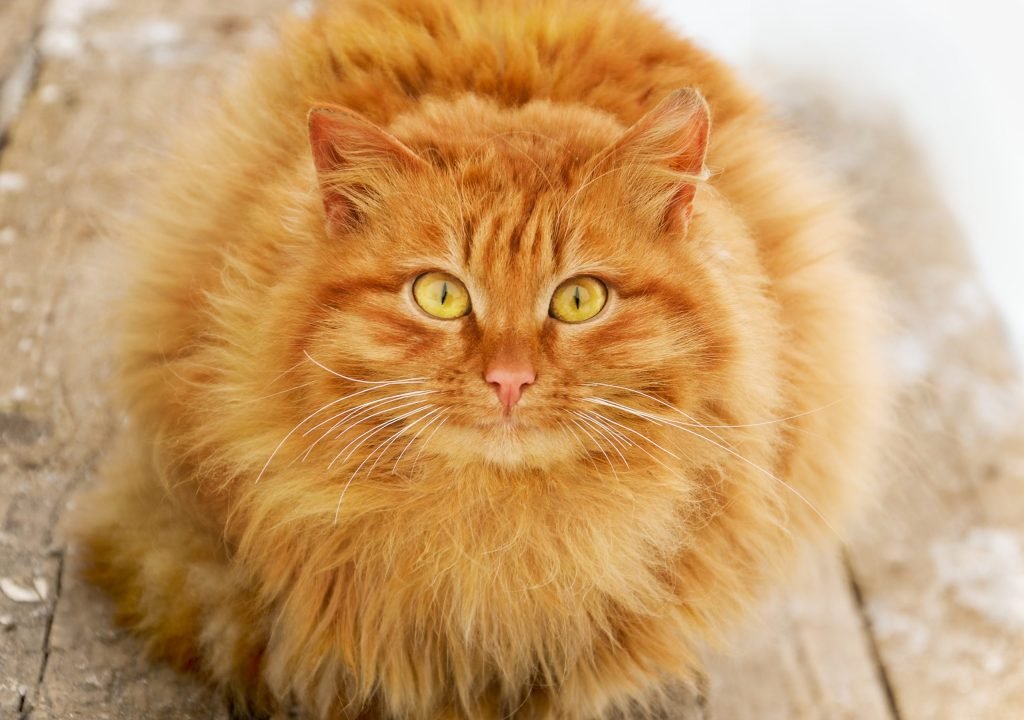
Is your cat spending too much time licking or biting its fur? Over grooming can lead to bald spots, sore skin, and stress for your furry friend.
You might wonder why this is happening and, most importantly, how you can help your cat feel comfortable again. You’ll discover simple and effective ways to stop your cat from over grooming. Keep reading to learn how to protect your pet’s health and happiness—you’ll be glad you did.
Signs Of Over Grooming
Over grooming in cats can cause serious health and behavior problems. Spotting the signs early helps you act quickly. Cats may groom themselves too much due to stress, allergies, or skin issues. Recognizing physical and behavioral signs is key to protecting your cat’s well-being.
Physical Symptoms
- Hair loss or thinning fur
- Red, irritated skin patches
- Scabs, sores, or wounds
- Shiny or rough skin texture
- Swelling or inflammation
- Visible bald spots
- Excessive dandruff or flakes
Behavioral Changes
- Constant licking or biting a single spot
- Restlessness or inability to relax
- Hiding more than usual
- Avoiding play or interaction
- Increased irritability or aggression
- Repeated scratching or rubbing
- Changes in eating or sleeping habits

Credit: brooklynpetspa.com
Common Causes
Understanding why your cat is over grooming is key to stopping this behavior. Over grooming often signals an underlying issue that your cat is trying to manage. By identifying the common causes, you can take the right steps to help your feline friend feel comfortable again.
Stress And Anxiety
Cats often lick or bite themselves excessively when they feel stressed or anxious. Changes in their environment, like moving to a new home or the arrival of a new pet, can trigger this behavior. Have you noticed your cat grooming more after a loud noise or a visit to the vet?
Creating a calm space and maintaining a routine can help reduce your cat’s anxiety. Providing interactive toys and regular playtime also distracts them from over grooming. Sometimes, a pheromone diffuser can soothe your cat and lower stress levels.
Allergies And Skin Issues
It’s easy to overlook allergies when your cat starts over grooming. Allergies to food, pollen, or household cleaners can cause itchy skin and irritation. Have you checked if your cat’s diet or surroundings have changed recently?
Look for redness, bumps, or hair loss alongside the grooming. These signs suggest your cat might be trying to relieve discomfort. Visiting a vet for allergy testing and adjusting your cat’s diet can make a big difference.
Parasites And Infections
Parasites like fleas and mites are common culprits behind over grooming. Even if you don’t see fleas, your cat might be reacting to bites or skin irritation caused by these pests. Infections can also cause itching and discomfort, leading to excessive licking.
Regular flea treatments and keeping your cat’s bedding clean help prevent parasites. If your cat has bald patches or sores, a vet visit is necessary to treat infections promptly. Addressing these issues quickly stops the cycle of over grooming and skin damage.
Veterinary Diagnosis
Veterinary diagnosis is the crucial first step in stopping your cat from over grooming. Understanding the root cause helps target the right treatment and prevents unnecessary stress for your feline friend. Your vet will perform a thorough evaluation to uncover any underlying health or behavioral issues contributing to excessive grooming.
Medical Exams
During medical exams, the vet checks your cat’s overall health. They look for signs of infections, allergies, or pain that might trigger over grooming. Blood tests and physical checks help rule out conditions like parasites or hormonal imbalances.
Have you noticed any changes in your cat’s appetite or energy levels? Sharing these details with your vet can provide valuable clues.
Skin Tests
Skin tests focus on identifying irritations or allergic reactions. The vet may take skin scrapings or perform allergy tests to find out if fleas, mites, or environmental allergens are causing discomfort. These tests help pinpoint if your cat’s skin problem is the reason behind the constant licking or biting.
It’s surprising how a tiny flea bite can lead to hours of grooming. Have you checked your cat’s fur closely for hidden pests?
Behavioral Assessments
If no medical cause is found, the vet might explore behavioral reasons for over grooming. Stress, anxiety, or boredom can drive cats to groom themselves excessively. A detailed discussion about your cat’s daily routine, environment, and any recent changes helps identify triggers.
Think about your cat’s habits: Has anything new happened at home? Sometimes, small changes can upset their routine more than you realize.
Environmental Adjustments
Adjusting your cat’s environment can make a big difference in stopping over grooming. Cats often react to their surroundings, and small changes can help reduce stress and keep them calm. Let’s look at ways you can make your home more comfortable and engaging for your feline friend.
Reducing Stress Triggers
Stress is a common cause of over grooming. Identify what might be stressing your cat—loud noises, other pets, or changes in routine. Try to minimize these triggers by keeping a consistent daily schedule and using calming tools like pheromone diffusers.
Have you noticed your cat grooming more after visitors leave or during thunderstorms? These moments show when your cat feels uneasy. Creating a quieter space during these times can help your cat relax and groom less.
Providing Enrichment
Boredom can push cats to over groom. Adding toys, scratching posts, and interactive playtime keeps your cat’s mind busy. Rotate toys regularly to maintain your cat’s interest and prevent boredom from setting in.
Try simple activities like hiding treats or using puzzle feeders. These make your cat work for food and stimulate their natural hunting instincts. How often do you engage your cat in play? Increasing this time might reduce over grooming behaviors.
Creating Safe Spaces
Your cat needs a personal retreat where it feels secure. Set up cozy corners with soft bedding or cat trees where your cat can hide or watch quietly. These safe spaces offer a break from stress and help your cat feel in control.
Observe where your cat naturally retreats during stressful moments. Enhancing these areas with familiar scents and gentle lighting can encourage your cat to use them more often. Could a new quiet spot reduce your cat’s urge to over groom?
Diet And Nutrition
Your cat’s diet plays a crucial role in managing over grooming. What you feed your cat affects their skin and coat health directly. Paying close attention to nutrition can help reduce itching and discomfort that often lead to excessive grooming.
Balanced Diet
A balanced diet ensures your cat gets all the essential nutrients needed for healthy skin. Protein is especially important, as it supports skin repair and fur growth. Look for high-quality cat food that lists meat as the first ingredient and avoids fillers like corn or soy.
Omega-3 and omega-6 fatty acids are vital components of a balanced diet. These fats help reduce inflammation and keep your cat’s skin hydrated. If you notice your cat’s coat is dull or flaky, it might be time to switch to a food rich in these fatty acids.
Have you checked the ingredient list on your cat’s food lately? Sometimes, allergens in commercial food can cause skin irritation, leading to over grooming. You might need to try a limited ingredient or hypoallergenic diet to see improvement.
Supplements For Skin Health
Adding supplements can boost your cat’s skin health beyond what their regular food provides. Fish oil capsules are a popular choice because they are packed with omega-3 fatty acids. You can mix the oil into their food or find cat-specific capsules for easy dosing.
Vitamin E is another supplement that supports skin repair and reduces inflammation. Some pet owners have seen a difference by giving their cats small doses under vet guidance. Always check with your vet before starting supplements to avoid overdosing or interactions.
Probiotics may also help by improving your cat’s gut health, which can influence skin conditions. A healthy gut often means less irritation and fewer reasons for your cat to over groom. Have you considered whether your cat’s digestive health could be impacting their skin?

Credit: www.reddit.com
Behavioral Interventions
Behavioral interventions can play a crucial role in helping your cat stop over grooming. These strategies focus on changing your cat’s habits and environment to reduce stress and redirect their energy. You’ll find that small adjustments can make a big difference in your cat’s comfort and behavior.
Redirecting Attention
Redirecting your cat’s attention helps break the cycle of over grooming by giving them something else to focus on. Try introducing new toys or interactive play sessions to keep their mind and body busy. Puzzle feeders or feather wands can capture their interest, reducing the urge to groom excessively.
Have you noticed your cat starts grooming more when they’re bored? Offering fresh activities at those times can make a noticeable difference. Consistency is key—make these distractions part of your daily routine.
Using Deterrents
Deterrents are tools you can use to discourage your cat from over grooming specific areas. Safe options include bitter sprays designed for pets or placing soft barriers like bandages or protective clothing over the spots your cat targets. These measures don’t harm your cat but make the area less appealing.
Sometimes, simply changing the texture or feel of the grooming spot can break the habit. You might also consider using a calming pheromone diffuser to reduce anxiety, which often triggers over grooming. Have you tried combining deterrents with other methods to see what works best?
Positive Reinforcement
Rewarding your cat when they choose not to groom excessively encourages good behavior. Use treats, gentle petting, or playtime immediately after they stop grooming to help them associate calm behavior with positive outcomes. Timing is important—rewards should come right after the desired action.
Try to catch your cat in moments of calm and reward them frequently. Over time, your cat will learn that not over grooming brings more benefits than the opposite. What rewards does your cat respond to best?
Medical Treatments
Medical treatments play a crucial role in stopping a cat from over grooming, especially when underlying health issues or anxiety are involved. Identifying the right treatment often requires a vet’s diagnosis and careful monitoring. Here’s a closer look at some medical options that can help your cat find relief and reduce excessive grooming.
Medications For Anxiety
Sometimes, over grooming is a sign of anxiety or stress in cats. Your vet may prescribe medications such as anti-anxiety drugs or antidepressants to help calm your feline friend. These medications can reduce compulsive behaviors, giving your cat a chance to heal and feel more secure.
Have you noticed if your cat’s grooming spikes during specific situations, like loud noises or changes at home? If so, anxiety medication could be a game-changer.
Topical Therapies
Topical treatments can soothe irritated skin caused by over grooming. These include medicated shampoos, sprays, or creams that reduce inflammation and itching. Applying these treatments as directed by your vet can protect the skin and discourage your cat from licking or biting the area further.
Using topical therapies alongside behavioral changes often speeds up recovery. Have you tried calming sprays or ointments before?
Parasite Control
Parasites like fleas and mites often trigger over grooming as cats try to relieve itching. Ensuring your cat is on a proper parasite control program is essential. This might include flea collars, spot-on treatments, or oral medications prescribed by your veterinarian.
Ignoring parasites can prolong discomfort and grooming issues. Are you regularly checking your cat for signs of fleas or other pests?
When To Seek Professional Help
Knowing when to seek professional help for your cat’s over grooming is crucial. Sometimes, despite your best efforts, the issue might signal deeper health or behavioral problems. Recognizing the right moment to consult a vet or a pet behaviorist can save your cat from further distress and help you find effective solutions faster.
Persistent Symptoms
If your cat continues to over groom despite changes in their environment or your attempts to reduce stress, it’s time to act. Persistent symptoms like bald patches, scabs, or raw skin that don’t improve after a week or two need professional attention. Ignoring ongoing grooming can lead to infections or permanent skin damage.
Think about your cat’s daily behavior. Are they grooming more than usual, even after you’ve introduced calming toys or altered their routine? This could be a sign of an underlying allergy, parasite, or anxiety disorder that only a vet can properly diagnose and treat.
Worsening Condition
Watch closely if your cat’s skin condition worsens. Increased redness, swelling, or signs of pain suggest the problem is escalating. This is a clear indicator to seek veterinary care immediately to prevent complications.
Sometimes over grooming is linked to stress, but if your cat starts losing large clumps of fur or shows changes in appetite and mood, you might be facing a more serious health issue. Don’t hesitate to get professional advice because early intervention often leads to better outcomes for your pet.
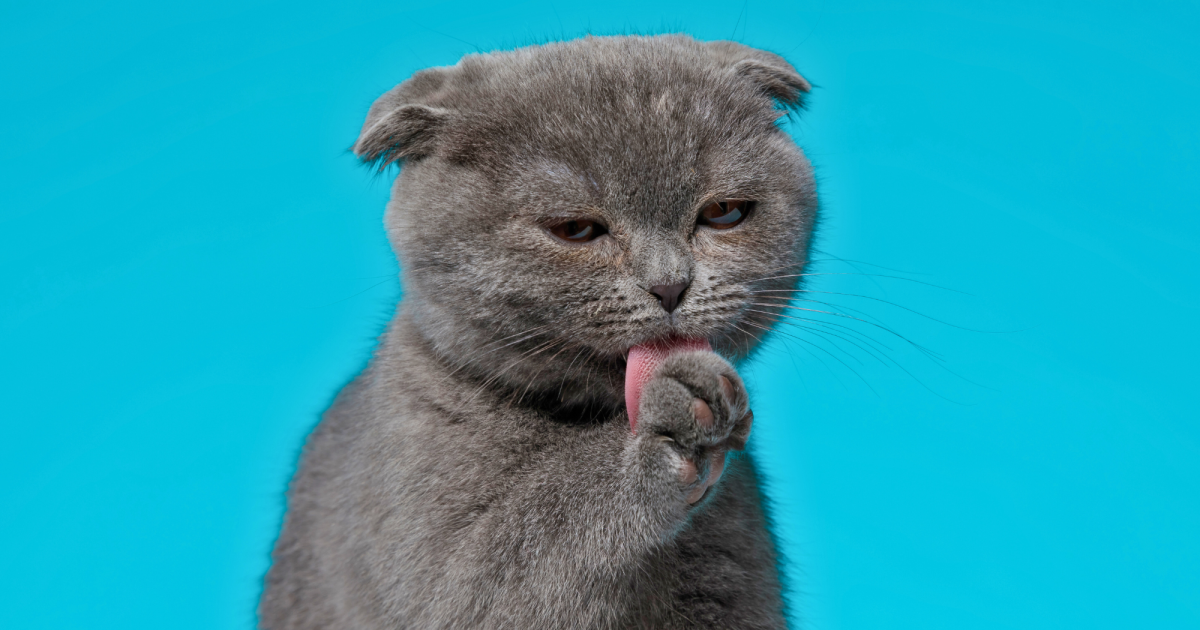
Credit: pethelpful.com
Frequently Asked Questions
What Causes A Cat To Over Groom Excessively?
Cats over groom due to stress, allergies, parasites, or skin infections. Identifying the cause helps in proper treatment. Environmental changes or boredom can also trigger over grooming in cats.
How Can I Reduce My Cat’s Stress To Stop Over Grooming?
Provide a calm environment, play regularly, and use calming sprays. Consistent routine and safe spaces help reduce anxiety and prevent over grooming. Consulting a vet for anxiety treatment is also beneficial.
What Home Remedies Help Stop Cat Over Grooming?
Use soothing baths, hypoallergenic diets, and provide enrichment toys. Regular grooming and gentle petting can distract your cat. Always consult a vet before trying home remedies.
When Should I See A Vet For Cat Over Grooming?
Visit a vet if over grooming causes bald spots, sores, or bleeding. Persistent or worsening symptoms need professional diagnosis and treatment. Early intervention prevents complications and improves your cat’s health.
Conclusion
Stopping a cat from over grooming takes patience and care. Watch your cat’s behavior closely. Provide a calm and safe space for them. Offer toys and playtime to reduce stress. Check with a vet for any health issues. A healthy cat feels happier and grooms less.
Small changes can make a big difference. Keep your cat comfortable and loved every day. Over grooming can improve with time and attention. Your cat will thank you with better health and calmness.
