

Potty training your cat might sound tricky, but it’s easier than you think. Imagine never having to clean a litter box again or worry about unpleasant odors in your home.
You can teach your cat to use the toilet, saving time and keeping your space fresh. You’ll discover simple, step-by-step tips that make potty training your cat stress-free and even fun. Ready to transform your cat’s habits and enjoy a cleaner home?
Keep reading to find out how!

Credit: www.purina.com
Choosing The Right Setup
Choosing the right setup is a critical first step in potty training your cat. It can make the entire process smoother and less stressful for both you and your feline friend. Getting the setup right means your cat feels comfortable and confident, which encourages consistent use of the toilet or litter box.
Selecting A Suitable Litter Box
Not all litter boxes are created equal when training a cat to use the toilet. Start with a box that is large enough for your cat to turn around comfortably but still fits in your bathroom or chosen area. A box with low sides can help your cat climb in and out easily, especially if they’re new to potty training.
Consider a litter box that can be gradually adjusted or replaced with a toilet training seat. Some people find success using special training kits that fit over the toilet, allowing the transition from litter to toilet to be gradual. Have you noticed how your cat prefers a particular type of litter? Stick with it to keep them comfortable.
Picking The Perfect Location
Your cat’s bathroom spot should be quiet, private, and easily accessible. Avoid placing the litter box near noisy appliances or heavy foot traffic areas. Cats value their privacy, so choose a corner where your cat can feel safe and undisturbed.
Make sure the location is consistent throughout the training process. Moving the box or toilet setup too often can confuse your cat and slow progress. Have you observed where your cat naturally likes to go? Use that insight to pick a spot that feels right to them.

Credit: www.purina.com
Introducing The Toilet Training Kit
Introducing a toilet training kit can change the way your cat uses the bathroom. These kits are designed to make the transition from litter box to toilet smooth and less stressful for your feline friend. With the right tools, you can help your cat develop new habits without confusion or accidents.
Step-by-step Training Stages
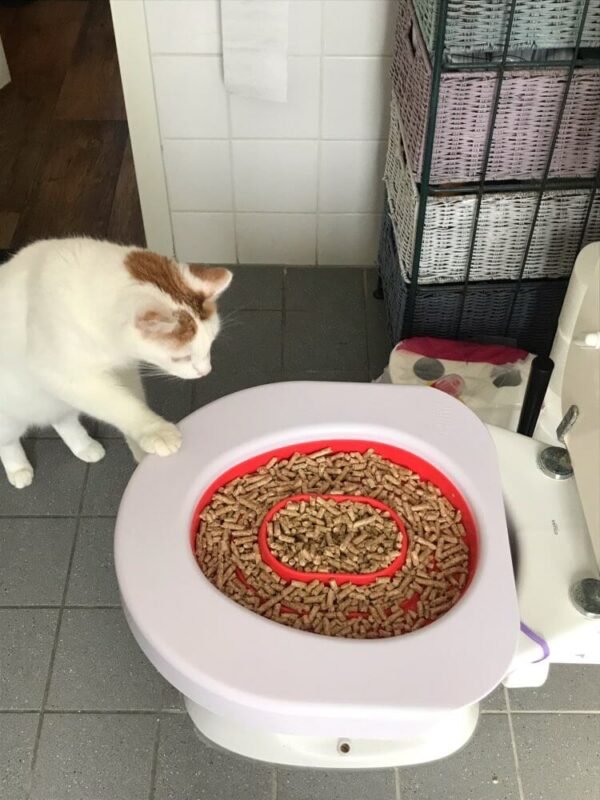
Start by placing the training seat over your toilet bowl. Most kits come with removable rings that you can adjust. Begin with the largest ring filled with litter to mimic the feel of a litter box.
Gradually, reduce the size of the ring over several days or weeks. This encourages your cat to balance on the toilet seat while getting used to the new surface. Pay attention to your cat’s comfort at each stage—if they hesitate, spend more time on that step.
Think about how your cat reacts to changes in their environment. Do they adapt quickly, or do they need gentle encouragement? Adjust the pace accordingly to keep the process positive.
Using Training Seats Effectively
Choose a training seat that fits securely on your toilet and has a sturdy design. A wobble-free seat helps your cat feel safe and confident. Some seats come with a splash guard, which can be very helpful in keeping things clean.
Place the seat at a height comfortable for your cat to jump onto. You might need to use a step stool at first. Watch how your cat approaches the toilet—do they need extra support or encouragement to climb up?
Consistency is key. Use the training seat every time your cat needs to go, and avoid sudden changes. This steady routine builds confidence and reduces accidents.
Encouraging Positive Behavior
Encouraging positive behavior in your cat during potty training is key to making the process smoother and more effective. Cats respond well to clear signals and consistent feedback. Your goal is to make your cat feel confident and motivated to use the designated potty spot without fear or confusion.
Reward Systems That Work
Positive reinforcement is a powerful tool for training cats. Whenever your cat uses the potty correctly, immediately offer a reward. This could be a small treat, gentle petting, or enthusiastic praise—whatever your cat prefers.
Consistency matters. Always reward the right behavior so your cat links the action with a positive outcome. You might even keep a special toy or treat just for potty successes. Have you noticed how your cat’s eyes light up with a favorite snack? Use that enthusiasm to your advantage.
- Offer treats right after successful potty use.
- Use a calm, happy voice to praise your cat.
- Keep rewards small and healthy to avoid overfeeding.
Handling Accidents Calmly
Accidents will happen, especially in the early stages. How you react can either encourage your cat or make them anxious. Avoid punishment or loud scolding, as this can create fear or confusion.
Instead, clean up accidents quietly and thoroughly using an enzymatic cleaner to remove odors. This prevents your cat from returning to the same spot. Stay patient and remember your cat isn’t being stubborn—they’re learning.
Ask yourself: Are you creating a positive environment where your cat feels safe to try again? Calmly redirect your cat back to the potty area without stress. This approach builds trust and helps your cat understand what you expect.
Credit: www.crookedriverroundupfoundation.org
Common Challenges
Potty training your cat can be rewarding but also comes with its set of hurdles. Understanding common challenges helps you prepare and handle setbacks calmly. Let’s look at some issues you might face and how to tackle them effectively.
Dealing With Resistance
Many cats resist potty training because it disrupts their routine. Your cat might ignore the training area or avoid using it altogether. Patience is key here—forcing the issue often backfires.
Try making the training spot appealing by adding familiar scents or toys nearby. You can also experiment with different types of litter or surfaces to find what your cat prefers. Have you noticed if your cat responds better to quiet, private spaces?
Consistency matters a lot. Regularly guiding your cat to the spot and rewarding small successes builds trust. Remember, cats pick up on frustration, so staying calm improves cooperation.
Addressing Health Concerns
Sometimes, potty training issues stem from health problems. If your cat suddenly stops using the designated spot, it could signal urinary tract infections or other medical issues.
Watch for signs like frequent trips to the litter box, straining, or blood in urine. These symptoms require a vet visit before continuing training.
Ignoring health concerns can make potty training impossible and cause your cat discomfort. How often do you monitor your cat’s bathroom habits? Early detection can save your cat from pain and keep training on track.
Maintaining Long-term Success
Maintaining long-term success in potty training your cat means staying consistent and attentive even after your cat seems fully trained. The real challenge lies in keeping your cat comfortable and motivated to use the toilet regularly. Small habits and adjustments can make a big difference in avoiding setbacks and ensuring this new behavior sticks for life.
Cleaning And Hygiene Tips
Keeping the toilet area clean is crucial. Cats have a strong sense of smell, and any leftover odors can discourage them from using the toilet again.
- Wipe the seat regularly with pet-safe disinfectant wipes to remove any residue.
- Empty the litter tray used during training every day to prevent odors.
- Consider placing a small mat around the toilet to catch any stray litter and keep the area tidy.
Have you noticed how your cat reacts to different cleaning products? Some scents might put them off. Using unscented, gentle cleaners can keep your cat comfortable and willing to return.
Adjusting Training As Needed
Even after your cat is toilet trained, occasional slips may happen. Instead of getting frustrated, look for signs that your cat might need a refresher or slight changes.
- If your cat suddenly avoids the toilet, check for health issues or stress triggers.
- Try reintroducing a small litter box nearby to ease any anxiety.
- Slowly phase out the litter box again once your cat regains confidence.
Think about how your cat’s routine or environment has changed recently. Could a new pet, visitor, or furniture rearrangement be affecting their behavior? Being flexible and observant helps you adapt training to your cat’s needs over time.
Frequently Asked Questions
How Long Does It Take To Potty Train A Cat?
Potty training a cat usually takes 4 to 6 weeks. Consistency and patience are key to success. Gradual steps help cats adjust comfortably to toilet use.
What Supplies Are Needed To Potty Train Cats?
You need a cat litter box, training seat, flushable litter, and treats. These tools make the transition smooth and encourage your cat to use the toilet.
Can All Cats Be Potty Trained Successfully?
Most cats can learn with proper training, but some may resist. Age, personality, and past habits affect success. Patience and persistence increase the chances of success.
How Do I Prevent Accidents During Potty Training?
Keep the litter box clean and accessible. Reward your cat for using the toilet. Monitor your cat closely and redirect them if accidents happen.
Conclusion
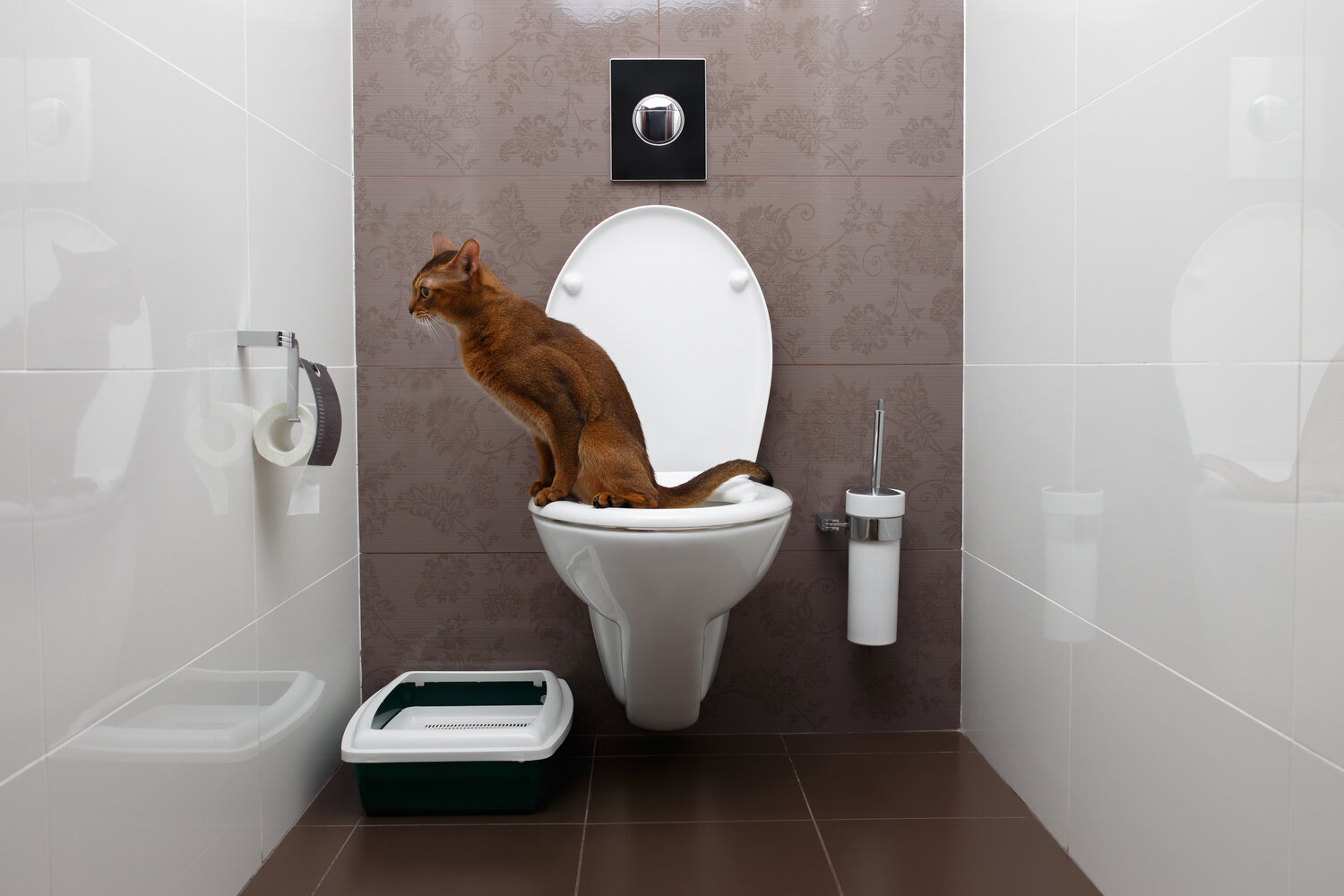
Potty training cats takes patience and consistency. Start with small steps and stay calm. Reward your cat for good behavior. Avoid punishment to keep trust strong. Remember, every cat learns at its own pace. Keep the litter box clean and accessible.
Soon, your cat will use the toilet confidently. Enjoy the cleaner home and less litter mess. Trust the process and celebrate small wins. Potty training can strengthen your bond with your cat. Keep trying, and success will come.
