

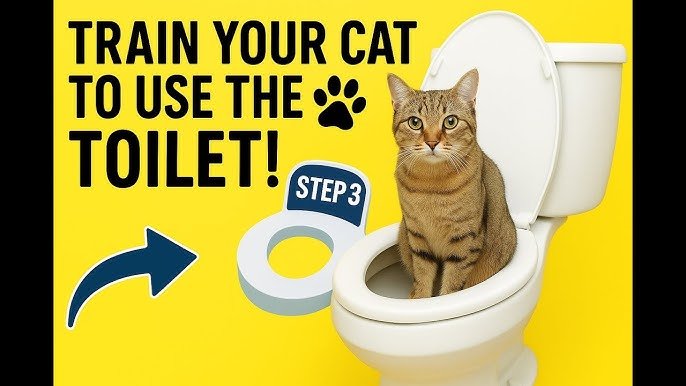
Potty training your cat might sound tricky, but it’s easier than you think. Imagine a home free of litter mess and constant cleaning.
You can make that a reality with the right steps. If you want your cat to use the toilet like a pro, this guide will show you how to get there—quickly and smoothly. Keep reading, and discover simple tips that will save you time, money, and stress.
Your cat—and your floors—will thank you!
Credit: www.crookedriverroundupfoundation.org
Choosing The Right Litter Box
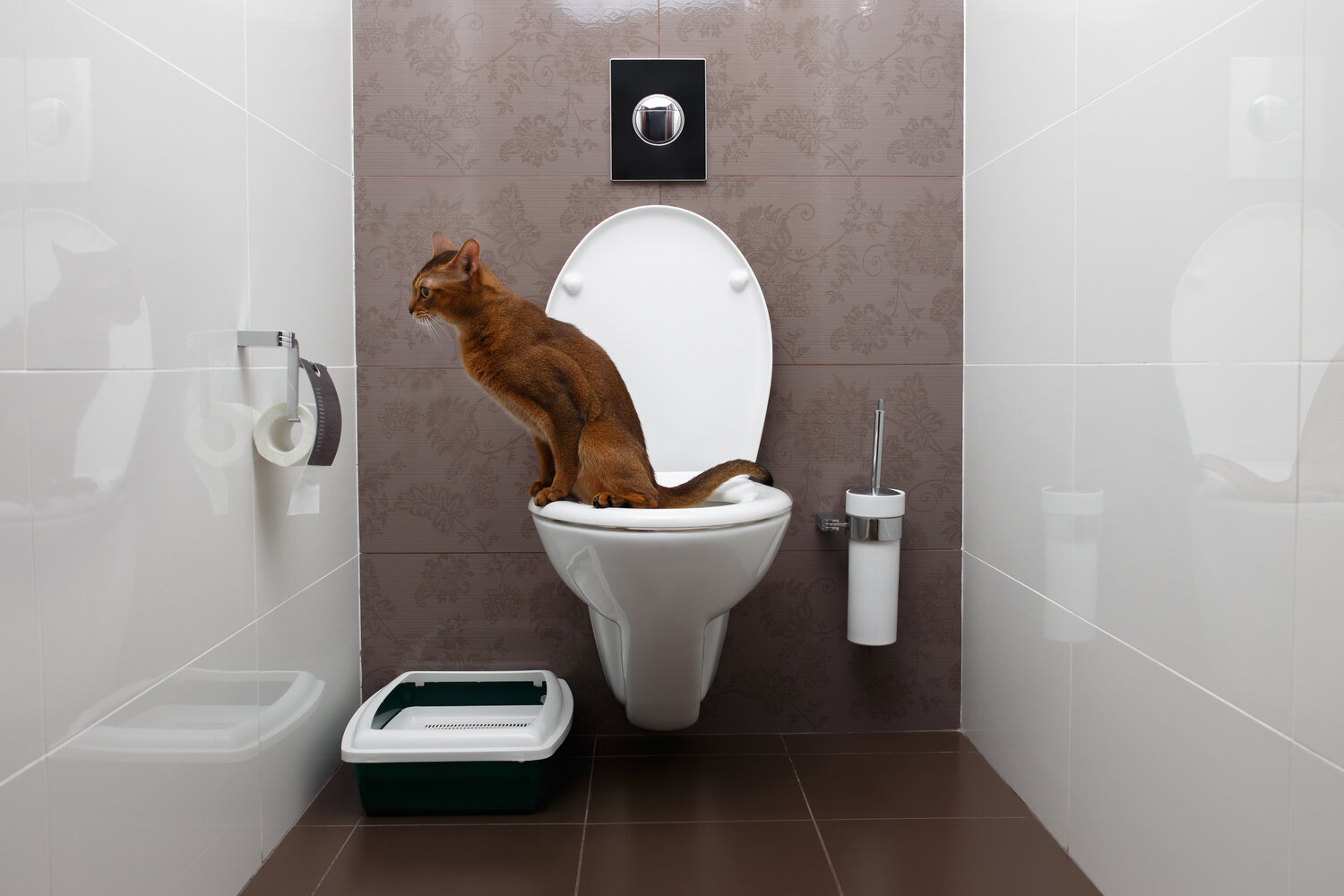
Choosing the right litter box is crucial for successful potty training. Cats need a comfortable and accessible place to do their business. A good litter box reduces accidents and stress for both you and your cat. It encourages your cat to use it regularly. Understanding the size, type, and placement helps create the perfect spot.
Size And Accessibility
Pick a litter box that fits your cat’s size. It should be large enough to turn around easily. Small boxes can cause discomfort and avoidance. Accessibility is key for kittens or older cats. Low sides make entry simple. Avoid boxes that are too deep or high. Your cat should feel safe and comfortable.
Types Of Litter Boxes
- Open Litter Boxes: Easy to clean and provide good ventilation.
- Covered Litter Boxes: Offer privacy but can trap odors.
- Self-Cleaning Litter Boxes: Save time but can be noisy.
- Top-Entry Litter Boxes: Help reduce litter scatter but may be hard for kittens.
Choose a type that suits your cat’s habits and your cleaning routine.
Placement Tips
Place the litter box in a quiet, low-traffic area. Avoid noisy or busy spots. Keep it away from the cat’s food and water bowls. Ensure easy access without obstacles. Multiple cats need multiple boxes in different locations. Clean the box regularly to keep it inviting. A well-placed litter box encourages consistent use.
Selecting The Best Litter
Selecting the best litter plays a key role in successful potty training for your cat. The right litter encourages your cat to use the potty consistently. It also controls odor and keeps the area clean. Understanding different litter types helps you find the best fit for your cat’s needs and preferences.
Clumping Vs Non-clumping
Clumping litter forms solid clumps when wet. This makes cleaning easier and faster. Non-clumping litter absorbs moisture but does not form clumps. It often needs full changing more frequently. Cats usually prefer clumping litter for its texture. Some cats may like non-clumping for softer feel. Choose based on your cat’s comfort and your cleaning routine.
Scented Or Unscented
Scented litter masks odors with added fragrances. It can keep the area smelling fresh longer. Unscented litter has no added smells. It lets natural scents show through. Some cats dislike strong scents and avoid scented litter. Unscented options are gentler and safer for sensitive cats. Pick the one your cat reacts to best.
Material Options
Many litter materials exist. Clay-based litter is common and affordable. It absorbs well and controls odor. Silica gel litter lasts longer and traps odors. Pine litter is natural and biodegradable. It smells fresh and is gentle on paws. Corn or wheat litters are eco-friendly and soft. Consider your cat’s preferences and any allergies when choosing material.
Preparing Your Cat
Preparing your cat for potty training sets the foundation for success. It requires patience and gentle guidance. Start by making your cat comfortable with new habits and tools. This phase helps reduce stress and builds trust. Understanding your cat’s behavior is key to smooth training. Watch for signs that show readiness and willingness to learn. These early steps make the transition easier for both you and your pet.
Introducing The Litter Box
Place the litter box in a quiet, easy-to-reach spot. Avoid noisy or busy areas to keep your cat calm. Show your cat the box and let them explore it freely. Keep the box clean to encourage use. Scoop waste daily and change litter regularly. Use unscented, clumping litter to attract your cat. Avoid sudden changes in litter type or box location.
Encouraging Exploration
Allow your cat to sniff and investigate the litter box at its own pace. Gently place your cat inside the box after meals and naps. Praise your cat softly when it uses the box. Create a safe environment free of loud noises or disruptions. Use toys or treats near the box to create positive associations. Never punish accidents; instead, calmly guide your cat back to the box.
Recognizing Readiness Signs
Look for behaviors like scratching or sniffing corners. Notice if your cat starts hiding before going to the bathroom. Your cat may pause or squat in unusual places. These signs show your cat is ready to learn. A young cat often starts using the litter box naturally. Adult cats may take longer but still show clear signals. Respond promptly to these signs to keep progress steady.
Training Techniques
Training your cat to use the potty takes patience and the right techniques. The way you approach this can make a big difference in how quickly your cat learns. Focusing on positive methods and consistency helps your cat feel comfortable and confident during the process.
Positive Reinforcement
Reward your cat immediately after it uses the potty correctly. Use treats, gentle petting, or enthusiastic praise to show your cat that it did a good job. This creates a clear connection between the behavior and the reward.
Try to keep rewards small but frequent. This way, your cat stays motivated without becoming distracted or overly excited. Have you noticed how your cat responds to different types of rewards? Tailor them to what your cat likes best.
Consistent Routine
Set a regular schedule for potty training sessions. Cats thrive on routine, so offering the potty at the same times each day helps build a habit. For example, try placing your cat near the potty after meals or naps.
Stick to the routine even if your cat seems uninterested at first. Consistency sends a clear message about what you expect. How might your daily schedule adapt to fit these training moments?
Handling Accidents
Accidents will happen, so it’s important to stay calm and patient. Avoid punishment, which can make your cat fearful or confused. Instead, clean the area thoroughly to remove any scent markers that might encourage repeat accidents.
Use enzymatic cleaners designed for pet messes to break down odors effectively. Then, redirect your cat back to the potty gently. Have you prepared your cleaning supplies in advance to tackle accidents quickly?
Common Challenges
Potty training a cat is not always a smooth journey. You may face hurdles that can test your patience and creativity. Understanding these common challenges helps you stay prepared and keep your cat comfortable throughout the process.
Avoiding Litter Box Aversion
Some cats suddenly refuse to use the litter box, which can be frustrating. This aversion often happens if the box is dirty or placed in a noisy area. You need to clean the box frequently and find a quiet, private spot for it.
Changing the type of litter can also make a big difference. Cats have preferences, and switching from scented to unscented litter might help. Have you noticed your cat avoiding the box after a litter change? That could be a sign to switch back or try a different texture.
Dealing With Fear Or Anxiety
Cats can feel stressed by new environments or loud noises, which can stop them from potty training. If your cat hides or seems nervous near the litter box, try calming products like pheromone sprays or diffusers. These can create a soothing atmosphere.
Spend time near the box with your cat, offering gentle praise and treats. This helps build positive associations. Ask yourself: is the box placed somewhere your cat feels safe? Moving it to a less exposed area might ease anxiety.
Addressing Health Issues
Sometimes, potty training struggles are linked to health problems such as urinary tract infections or digestive issues. If your cat suddenly stops using the litter box, a vet visit is crucial. Early diagnosis can prevent discomfort and training setbacks.
Keep an eye out for signs like frequent attempts to urinate, blood in urine, or straining. These symptoms need immediate attention. Remember, your cat can’t tell you what hurts, so you must watch closely and act quickly.
Credit: www.amazon.com
Maintaining Good Habits
Maintaining good habits after potty training your cat is crucial to ensure long-term success. It’s not just about teaching your cat once but keeping the routine consistent and comfortable for both of you. Here’s how you can support your cat’s progress and avoid setbacks.
Cleaning And Hygiene
Keeping the litter area clean is essential. Cats are very particular about cleanliness, and a dirty litter box can lead to accidents outside of it.
Clean the box daily by scooping out waste and completely change the litter weekly. Use unscented, dust-free litter to avoid irritating your cat’s sensitive nose.
Don’t forget to wash the litter box with mild soap regularly. This prevents odors and keeps the area inviting for your cat.
Monitoring Behavior Changes
Watch for any sudden changes in your cat’s bathroom habits. Skipping the litter box or going more often can signal health problems or stress.
If your cat starts avoiding the litter box, think about possible causes like a new pet, changes at home, or even the type of litter you use.
Early detection of behavior changes helps you address issues quickly before they become bad habits.
Adjusting Training As Needed
Every cat is unique, and their needs might change over time. If your cat shows signs of discomfort or confusion, tweak your training approach.
Try different types of litter or boxes—some cats prefer covered boxes, while others want open ones. You may also need to add more litter boxes if your home is large.
Keep observing and adapting. What worked at the start might need updating as your cat grows or your living situation changes.
Credit: advantia.com.au
Frequently Asked Questions
How Long Does It Take To Potty Train A Cat?
Potty training a cat typically takes 2 to 4 weeks. Consistency and patience are key. Each cat learns at its own pace. Regularly reinforcing positive behavior speeds up training. Using a gradual approach helps cats adjust comfortably to the new routine.
What Supplies Are Needed For Cat Potty Training?
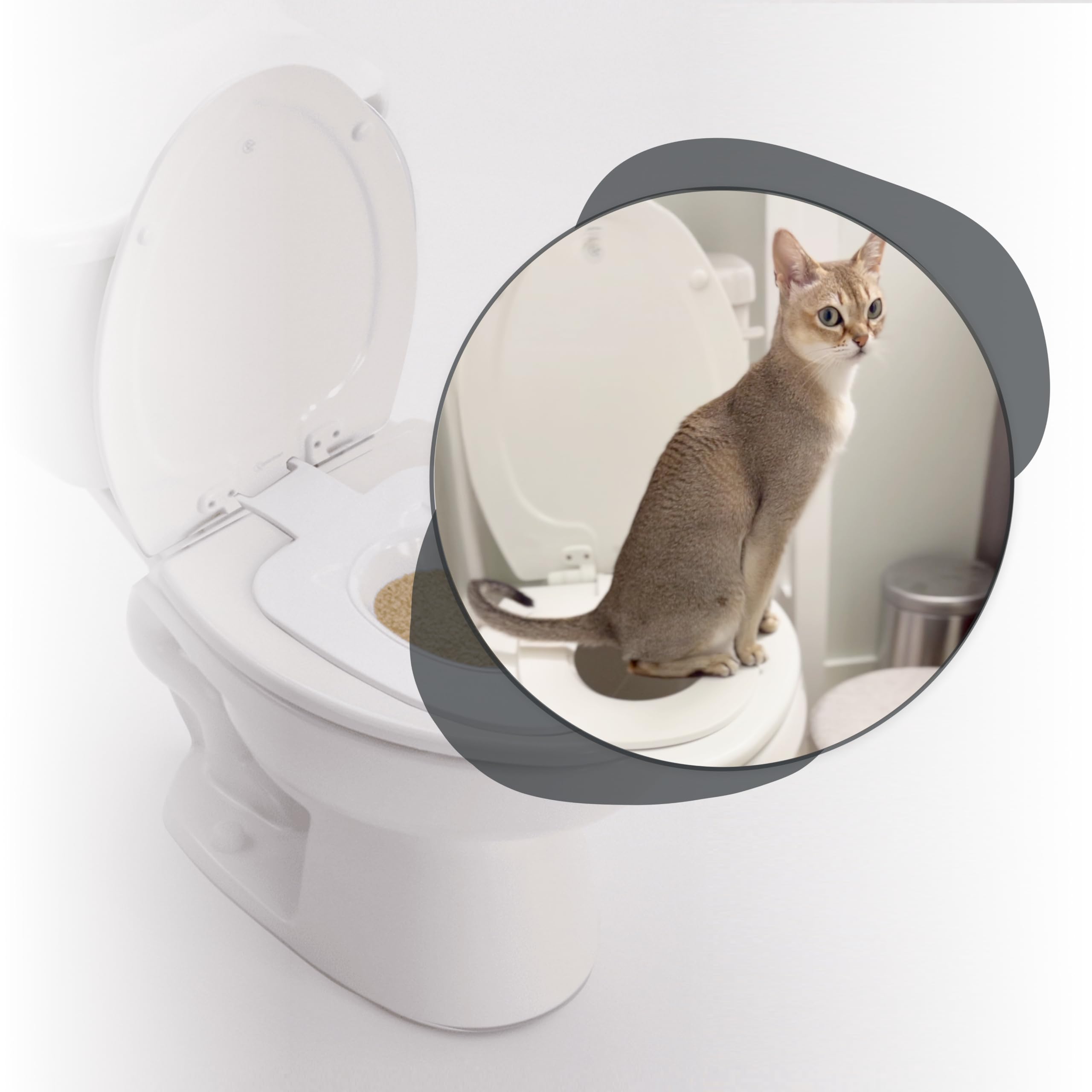
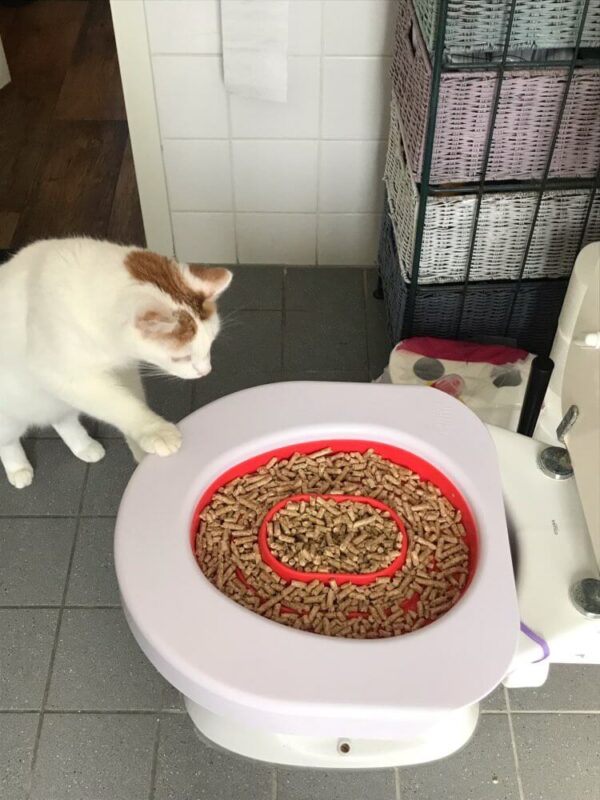
You need a litter box, training treats, and a cat-friendly toilet seat. Also, use a gradual training kit to transition from litter to the toilet. Keep cleaning supplies handy for accidents. Positive reinforcement tools like clickers or treats encourage learning.
Can All Cats Be Potty Trained Successfully?
Most cats can be potty trained with patience and consistency. Young cats usually adapt faster than older ones. Some cats may resist due to personality or health issues. Always consult a vet if training challenges persist or unusual behavior occurs.
What Are Common Mistakes In Cat Potty Training?
Common mistakes include rushing the process and inconsistent training. Avoid punishing accidents, as it causes stress. Not using gradual steps or changing locations frequently can confuse cats. Patience and positive reinforcement lead to better results.
Conclusion
Potty training a cat takes time and patience. Stay calm and consistent every day. Praise your cat for small successes. Expect some accidents along the way. Use a special toilet training kit to help. Watch your cat’s behavior closely. Adjust your approach if needed.
Celebrate when your cat uses the toilet regularly. This training saves litter and keeps your home clean. Remember, every cat learns at its own pace. Keep trying, and soon your cat will be toilet trained.
