

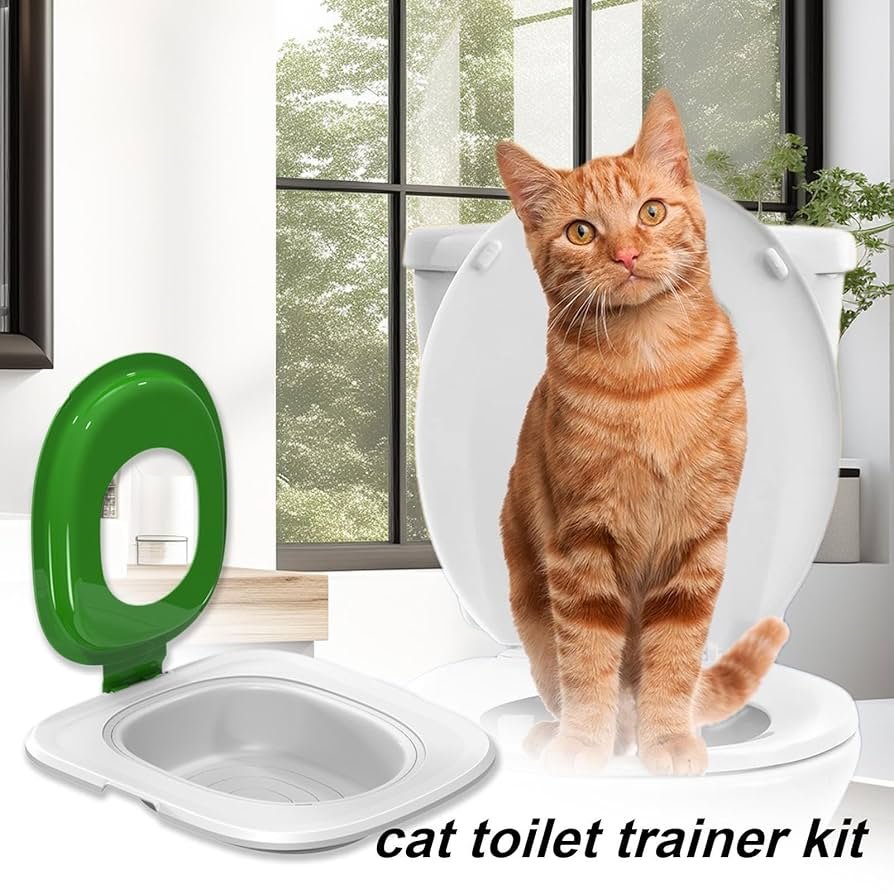
Are you tired of cleaning the litter box every day? Imagine if your cat could use the toilet just like you do.
It might sound tricky, but potty training your cat on a toilet is possible—and it can make your life a lot easier. In this guide, you’ll discover simple steps to help your furry friend make the switch. Stick with me, and you’ll learn how to save time, reduce mess, and even impress your guests with your cat’s new skill.
Ready to get started? Let’s dive in!

Credit: kmccberwick.ca
Benefits Of Toilet Training Cats
Training your cat to use the toilet might sound challenging, but it comes with clear benefits that make the effort worthwhile. Beyond saving money and space, toilet training can improve cleanliness and reduce odors in your home. Understanding these advantages can help you decide if this unique approach fits your lifestyle and your cat’s personality.
Cost Savings On Litter And Supplies
One of the biggest benefits you’ll notice is the reduction in litter expenses. Cat litter can be surprisingly costly over time, especially if you have multiple cats. By teaching your cat to use the toilet, you can cut out this regular purchase entirely.
Less frequent trips to the store mean more money stays in your pocket. Have you ever calculated how much you spend on litter yearly? It might be more than you expect.
Improved Hygiene And Cleaner Living Space
Toilet training your cat greatly reduces the mess caused by litter boxes. No more tracking litter across floors or dealing with clumps that stick to your cat’s paws. This creates a more hygienic environment for both you and your pet.
Plus, cleaning a toilet is a quicker and more familiar task for most people than scooping litter daily. Imagine how much time you could save and use for playtime with your cat instead.
Less Odor And Better Air Quality
Cat litter boxes often carry odors that can linger in your home, even with frequent cleaning. When your cat uses the toilet, waste is flushed away immediately, helping keep your living space fresher.
This can make a big difference if you or family members are sensitive to smells. Wouldn’t it be nice to have a home that smells clean without extra air fresheners?
Encourages Independence And Mental Stimulation
Teaching your cat to use the toilet challenges them mentally and physically. It encourages independence since they learn a new behavior that’s quite different from their natural instincts. This mental stimulation can reduce boredom and prevent destructive behaviors.
Have you noticed how cats love mastering new tricks? Toilet training taps into that natural curiosity and intelligence.
Space-saving Solution For Small Homes
If you live in a small apartment or have limited space, a litter box can take up valuable room. A toilet-trained cat eliminates the need for a litter box entirely, freeing up space for other uses. This can make your living area feel larger and less cluttered.
Wouldn’t a cleaner, more open home make it easier to relax and enjoy time with your pet?

Credit: www.amazon.com
Preparing Your Cat And Bathroom
Preparing your cat and bathroom for toilet training sets the foundation for success. Cats are creatures of habit, so a smooth transition starts with thoughtful preparation. You need to create a comfortable and familiar environment that encourages your cat to use the toilet instead of their litter box.
Choosing The Right Toilet
Not every toilet suits your cat’s needs. Pick one with a stable, flat seat and a height that your cat can comfortably access. If the toilet is too high or unstable, your cat might resist using it.
Consider toilets with a slow-closing seat to avoid sudden noises that could scare your cat. Also, think about the bathroom layout—make sure the toilet is in a quiet spot, away from heavy foot traffic.
Introducing The Bathroom Environment
Your cat needs time to get used to the bathroom. Start by bringing their litter box into the bathroom to build familiarity with the new space. Let your cat explore without pressure.
Spend time in the bathroom with your cat, playing or offering treats to create positive associations. Watch how your cat reacts—do they seem comfortable or stressed? Adjust your approach based on their behavior.
Gathering Necessary Supplies
Having the right supplies ready makes the training process smoother. You’ll need a specially designed cat toilet training seat or a DIY setup to fit over your toilet bowl. Make sure it has adjustable sections to gradually reduce the litter area.
- Flushable cat litter or training litter pads
- Cleaning supplies for accidents
- Treats and toys for positive reinforcement
Organize these items within easy reach to keep the training sessions efficient and stress-free.
Transitioning From Litter Box To Toilet
Transitioning your cat from a litter box to a toilet takes patience and careful steps. Sudden changes can confuse your cat, so it’s essential to guide them gradually. This process not only helps your cat feel secure but also increases the chances of success.
Gradually Moving The Litter Box
Start by slowly shifting the litter box closer to the bathroom. Move it just a few inches every day or two. This lets your cat get used to the new location without stress.
Watch your cat’s reaction carefully. If they seem hesitant, pause the move until they’re comfortable again. Patience here prevents accidents and builds trust.
Raising The Litter Box Height
Next, raise the litter box gradually to match the height of the toilet seat. Use stable surfaces like books or boxes to lift it a few centimeters at a time. This helps your cat adjust to jumping up.
Some cats might resist the height change. Encourage them with treats and gentle praise. You want your cat to see the new setup as a positive change.
Introducing The Training Seat
Once the litter box is level with the toilet, swap it for a special cat toilet training seat. These seats fit over the toilet bowl and use a small amount of litter. This familiar setup eases your cat into using the toilet itself.
Start with a full training seat and gradually reduce the litter inside. Your cat will learn to balance on the seat and use the toilet naturally. Keep an eye on their comfort and readiness throughout.
Using A Toilet Training Kit
Using a toilet training kit can simplify the process of teaching your cat to use the toilet. These kits provide special tools designed to help your cat adjust from a litter box to the toilet seat. The kits guide your cat gradually, making training less stressful for both of you.
Selecting A Suitable Training Kit
Choose a kit that fits your toilet size and design. Some kits come with adjustable rings to ensure a secure fit. Look for kits made of durable and easy-to-clean materials. Check if the kit includes clear instructions or access to video guides. Consider kits with a removable tray for easier cleaning. Pick a kit with good customer reviews from other cat owners.
Step-by-step Use Of The Kit
Start by placing the kit on the toilet seat. Fill the kit’s tray with flushable training litter. Encourage your cat to jump onto the toilet seat and use the tray. Gradually reduce the litter amount over several days. Slowly enlarge the hole in the tray to expose more toilet water. Remove the tray completely once your cat uses the toilet confidently. Praise your cat for success to build positive habits.
Encouraging And Rewarding Your Cat
Encouraging and rewarding your cat plays a key role in successful toilet training. Cats respond well to positive attention and treats. This makes the training process smoother and more enjoyable for both of you.
Patience and consistency are important. Celebrate small victories. Your cat needs to feel safe and confident at every step.
Positive Reinforcement Techniques
Use treats and praise to reward good behavior. Give your cat a small treat after each successful toilet visit. Speak in a gentle, happy tone to show approval.
Playtime can also serve as a reward. A favorite toy or extra petting helps your cat associate the toilet with positive experiences.
- Offer treats immediately after success
- Use calm, encouraging words
- Spend extra time playing or cuddling
Keep rewards consistent but avoid overfeeding. Positive reinforcement builds good habits quickly.
Handling Setbacks
Setbacks happen. Don’t punish or scold your cat. This can cause fear and confusion.
Stay calm and return to earlier training steps if needed. Check the toilet setup for comfort and safety.
Look for signs of stress or health issues. Sometimes accidents mean discomfort or anxiety.
- Ignore accidents without punishment
- Review previous training stages
- Ensure the toilet area is quiet and safe
- Consult a vet if needed
Patience keeps your cat motivated. Celebrate progress, no matter how small.

Credit: www.walmart.com
Final Steps To Full Toilet Use
Reaching the final steps of potty training your cat on the toilet is both exciting and delicate. Your cat has likely grown comfortable with the training seat and the routine you’ve established. Now, the goal is to transition smoothly to using the toilet without the training aid, ensuring your cat continues to use it confidently and consistently.
Removing The Training Seat
Start by gradually reducing the size of the hole in the training seat until it is completely removed. This step requires patience; rushing can confuse your cat and lead to accidents.
Observe your cat closely during this phase. If you notice hesitation or signs of stress, pause the removal process and give them more time to adjust. Remember, every cat learns at their own pace.
Once the training seat is gone, your cat will be using the bare toilet seat. Make sure the lid is always up and the seat is stable to prevent any fear or slips.
Maintaining Toilet Habits
Consistent reinforcement is key to maintaining your cat’s new toilet habits. Praise and reward your cat immediately after successful toilet use to strengthen positive behavior.
Keep the toilet clean and free of unpleasant smells. Cats are sensitive to odors and may avoid the toilet if it feels unclean.
Have you noticed how some cats adapt faster than others? Pay attention to your cat’s unique preferences and adjust your approach accordingly.
Also, keep an eye out for any changes in behavior that might indicate discomfort or health issues. Regular vet check-ups support your cat’s overall well-being and smooth toilet training.
Common Challenges And Solutions
Potty training a cat on a toilet can be rewarding but comes with challenges. Cats may feel scared or resist the new routine. Accidents can happen during training. Multiple cats add complexity. Understanding common problems and solutions helps keep progress steady.
Dealing With Fear Or Resistance
Cats often fear the toilet’s height or sound. They may avoid it at first. Patience is key. Use treats to encourage them gently. Let the cat explore the toilet without pressure. Gradually move the litter box closer to the toilet. Praise calm behavior around the toilet.
Managing Accidents
Accidents are normal during training. Clean spots quickly to remove odors. Use enzyme cleaners to prevent repeat accidents. Avoid scolding the cat. It may cause anxiety. Keep the litter box accessible until the cat fully trusts the toilet. Monitor the cat’s comfort and adjust the pace.
Adjusting For Multiple Cats
Multiple cats need special attention. Each cat may learn at a different speed. Provide separate litter boxes during training. Watch for signs of stress or jealousy. Introduce toilet training to one cat at a time. Keep the toilet seat down when not in use. This prevents accidents and confusion.
Frequently Asked Questions
How Long Does Toilet Training A Cat Take?
Toilet training a cat typically takes 4 to 6 weeks. Consistency and patience are essential. Each cat learns at its own pace, so progress may vary.
What Supplies Are Needed For Cat Toilet Training?
You need a special cat toilet training seat, flushable litter, and patience. Gradually transition your cat from litter box to toilet for success.
Can All Cats Be Toilet Trained Successfully?
Most cats can learn to use a toilet. However, some may resist due to personality or age. Early training improves success rates.
Is Toilet Training Safe For Cats?
Yes, toilet training is safe when done gradually. Avoid forcing your cat. Monitor behavior to ensure comfort and health during the process.
Conclusion
Potty training a cat on a toilet takes time and patience. Stay calm and consistent with each step. Watch your cat’s progress and adjust as needed. Celebrate small wins along the way. Remember, every cat learns at its own pace.
This method can save litter and keep your home cleaner. With practice, your cat will use the toilet confidently. Enjoy the process and the benefits it brings. Your efforts will make a difference for both you and your cat. Keep trying, and success will come.
