

Are you tired of finding ants crawling all over your cat’s food? It’s frustrating to see those tiny invaders spoil your pet’s meal.
You want your cat to enjoy fresh, clean food without any unwanted guests. Luckily, keeping ants out of cat food is easier than you think. You’ll discover simple, effective tips that you can start using right now to protect your cat’s food from ants.
Keep reading, because your cat deserves the best, and you deserve peace of mind.

Credit: www.youtube.com
Common Reasons Ants Invade Cat Food
Ants can quickly turn your cat’s mealtime into a battlefield. Understanding why ants invade cat food helps you stop them before they become a persistent problem. Let’s look at the main reasons these tiny intruders are drawn to your pet’s food.
Attractiveness Of Cat Food
Cat food often contains strong-smelling proteins and fats that ants find irresistible. Wet food, especially, releases aromas that travel easily, attracting ants from a distance.
Even dry kibble can contain oils and flavorings that lure ants inside your home. Have you noticed ants swarming your cat’s bowl shortly after feeding time? That’s no coincidence—it’s the irresistible scent pulling them in.
Typical Entry Points
Ants are masters at finding the smallest cracks and gaps to sneak inside. They often enter through door thresholds, window sills, or even tiny holes in walls near the feeding area.
If you see a trail of ants leading to the cat’s food, trace it back to find their entry point. Sealing these spots can drastically reduce ant invasions and protect your pet’s meals.
Environmental Factors
Warm and humid conditions create the perfect environment for ants to thrive. If your cat’s feeding area is near a heat source or in a damp corner, ants will be more likely to invade.
Outdoor factors also play a role; rainy weather pushes ants indoors searching for dry food sources. Have you considered moving your cat’s bowl to a drier, cooler spot to minimize ant visits?
Credit: www.fullscopepestcontrol.com
Effective Storage Solutions
Keeping ants away from your cat’s food can be a real challenge, but the key often lies in how you store it. Proper storage not only protects the food but also stops ants from getting attracted to the scent. Let’s look at some practical solutions that you can easily apply at home to keep your furry friend’s meals ant-free.
Sealed Containers
Using sealed containers is one of the simplest ways to keep ants out. Containers with tight-fitting lids block access and trap the aroma inside, so ants don’t get drawn in.
I once switched from storing cat food in the original bag to an airtight plastic container. The difference was immediate—no more ant trails or mess. Look for containers made of sturdy plastic or metal that seal completely and are easy to clean.
Elevated Feeding Stations
Raising your cat’s food bowl off the ground can make it harder for ants to reach the food. Elevated feeding stations create a physical barrier, especially if you clean the area regularly.
You can use stands designed specifically for pet bowls or DIY one with household items. Combine elevation with a water moat or a sticky barrier around the legs to further discourage ants.
Using Airtight Bags
If you prefer to keep your cat’s food in bags, switch to airtight bags instead of the usual plastic ones. These bags prevent odors from escaping and keep pests at bay.
Vacuum-sealed bags work especially well because they remove air, limiting the smell that attracts ants. They also keep the food fresh longer, which is a win-win for you and your cat.
Natural Barriers Against Ants
Ants are persistent when they find a food source, especially your cat’s food. Using natural barriers can keep these tiny invaders away without harmful chemicals. You can create safe zones around your pet’s feeding area that ants won’t want to cross.
Essential Oils
Essential oils like peppermint, tea tree, and eucalyptus have strong scents that ants dislike. You can mix a few drops with water and spray it around your cat’s food bowl.
Try placing a cotton ball soaked in essential oil near the feeding spot. This simple trick helped me stop ants from invading my cat’s food for weeks.
Would you believe that just a small amount of oil can create a scent barrier ants avoid? It’s worth a try before buying expensive ant traps.
Vinegar Sprays
Vinegar’s acidic smell confuses ants and disrupts their scent trails. A spray made with equal parts water and white vinegar can be applied around the feeding area.
Use a cloth soaked in this solution to wipe surfaces near the food bowl. The smell fades quickly but keeps ants from finding their way back.
Have you ever noticed ants suddenly disappear after a vinegar wipe? That’s because it erases their chemical paths, making your cat’s food less attractive.
Chalk And Other Powders
Drawing a line of chalk or sprinkling powders like cinnamon or diatomaceous earth around the feeding spot can stop ants.
These powders create physical barriers ants avoid crossing. Plus, cinnamon adds a pleasant smell for you while being a natural deterrent for ants.
Try experimenting with different powders to see which works best in your home. How often do you think you’ll need to refresh these barriers to keep ants away?

Credit: smart.dhgate.com
Cleaning Habits To Prevent Infestations
Maintaining good cleaning habits helps keep ants away from your cat’s food. Ants are attracted to food residues and crumbs left behind. Cleaning regularly removes these tiny attractants. It creates a less inviting space for ants to explore and infest. Simple routines can prevent a big ant problem.
Regular Bowl Cleaning
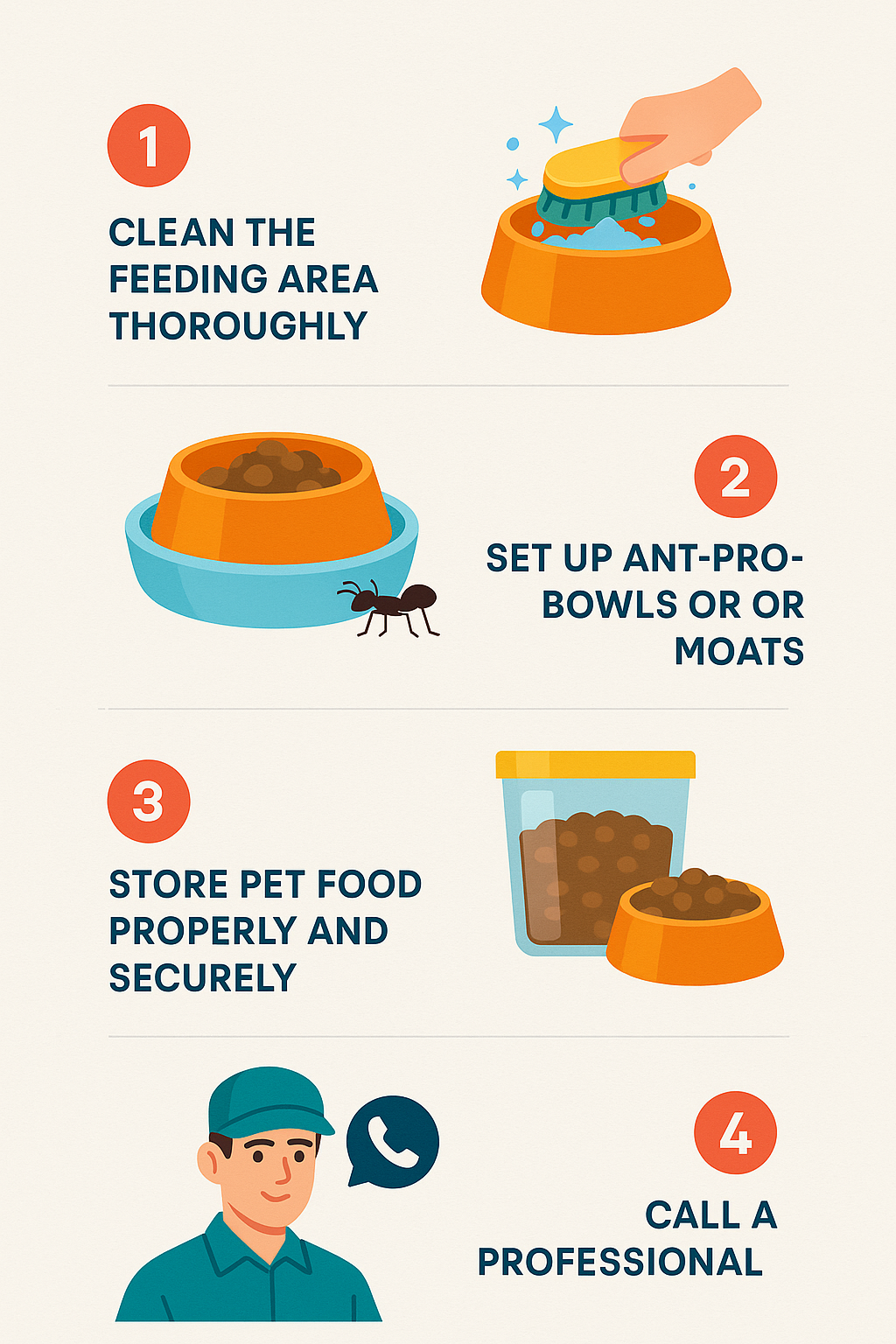
Wash your cat’s food bowl after each meal. Use warm water and mild soap. This removes leftover food and scent trails ants follow. Rinse thoroughly to avoid soap taste that pets dislike. Dry the bowl before refilling to prevent moisture buildup. Clean bowls discourage ants from visiting.
Immediate Food Removal
Remove uneaten cat food promptly. Do not leave food out for long hours. Ants find and swarm any leftover bits quickly. Store dry food in sealed containers after feeding. For wet food, clean up any spills immediately. Timely removal reduces ant attraction to feeding areas.
Wiping Feeding Areas
Wipe the feeding spot with a damp cloth regularly. This removes crumbs and sticky residues ants love. Use mild detergent to clean surfaces weekly. Pay attention to corners and edges where ants hide. Keeping the area spotless limits ant access and nesting chances.
Ant Deterrents And Traps
Keeping ants away from your cat’s food is important for hygiene and your pet’s health. Ant deterrents and traps offer practical solutions to control these tiny invaders. These methods target ants without harming your cat or creating unsafe conditions.
Ant deterrents prevent ants from reaching the food, while traps capture or kill them. Using a mix of both can be effective for long-term control. Choose options that are safe and easy to use around pets.
Homemade Traps
Simple traps can be made with common household items. Mix sugar with baking soda or borax and place the mixture near the cat’s food bowl. Ants are attracted to the sugar but the other ingredients disrupt their digestion.
- Use a shallow container for the mixture.
- Place it close but not inside the food bowl.
- Replace the mixture every few days for best results.
Commercial Ant Baits
Ant baits are designed to attract ants and carry poison back to their colony. Choose products labeled pet-safe or use with caution. Place baits near entry points but away from your cat’s reach.
- Follow the manufacturer’s instructions carefully.
- Monitor bait stations regularly to check effectiveness.
- Keep baits out of your cat’s access area.
Non-toxic Repellents
Natural repellents keep ants away without chemicals. Vinegar, lemon juice, and peppermint oil work well as barriers. Wipe the feeding area with these substances or apply around the bowl.
- Use cotton balls soaked in peppermint oil near feeding spots.
- Spray diluted vinegar around the food area daily.
- Ensure repellents do not contact the cat’s food directly.
Long-term Maintenance Tips
Keeping ants out of your cat’s food requires more than just a quick fix—it demands ongoing care and attention. Long-term maintenance ensures your efforts don’t go to waste and keeps your furry friend’s meals safe and clean. Let’s explore some practical steps you can take to stay ahead of ants for good.
Routine Inspections
Regularly checking the area where you store and serve your cat’s food is essential. Look for tiny ant trails, crumbs, or moisture buildup that might attract pests. Catching these signs early helps you act before ants become a full-blown problem.
I once found a small crack near the feeding spot that was easy to miss. After sealing it, the ant visits stopped completely. Could a small inspection around your home reveal a hidden entry point for ants?
Seasonal Adjustments
Ant activity changes with the seasons, so your approach should too. During warmer months, ants become more aggressive and might require extra vigilance. You might need to switch to airtight containers or add natural deterrents like cinnamon or vinegar more frequently.
In colder seasons, ants retreat, but don’t let your guard down. Moisture levels and leftover food can still attract them indoors. How can you adjust your cat food storage habits to match the changing seasons?
Landscaping And Home Repairs
Ants often enter homes through gaps in walls, doors, or windows. Keeping your home well-maintained blocks these entry points. Check for cracked foundations, torn window screens, or gaps around pipes and seal them promptly.
Outdoor landscaping can also influence ant presence. Avoid placing plants or mulch too close to your home’s foundation. I moved a thick bush away from the feeding area, and ants stopped coming inside. What changes can you make outside to reduce ant trails leading indoors?
Frequently Asked Questions
How Can I Prevent Ants From Reaching Cat Food?
Store cat food in airtight containers to block ants. Clean feeding areas regularly to remove crumbs and spills. Use natural barriers like vinegar or cinnamon around food bowls to deter ants effectively.
What Natural Remedies Repel Ants Near Pet Food?
Vinegar, cinnamon, and lemon juice act as natural ant repellents. Apply these around the cat’s feeding area to keep ants away. These remedies are safe for pets and environmentally friendly.
Why Do Ants Invade Cat Food Bowls?
Ants are attracted to the smell and availability of cat food. Leftover crumbs and spills create an easy food source. Keeping the feeding area clean helps prevent ant infestations.
Are Airtight Containers Essential For Storing Cat Food?
Yes, airtight containers keep food fresh and block ants. They prevent moisture and pests from contaminating cat food. Using sealed containers is a simple, effective ant control method.
Conclusion
Keeping ants away from your cat’s food is simple with the right steps. Store food in sealed containers to block ants. Clean the feeding area often to remove crumbs and smells. Use natural barriers like vinegar or cinnamon around bowls.
Check for ant trails and wipe them away quickly. Small changes make a big difference over time. Your cat will eat happily without ant problems. A little care keeps both pets and food safe every day.
