

Are you tired of ants invading your cat’s food bowl every time you turn around? It’s frustrating to see those tiny pests crawling all over your pet’s meals, and you want a simple, effective way to stop them.
Luckily, you don’t have to deal with this problem forever. You’ll discover easy tips and tricks that will keep ants far away from your cat’s food. By the end, you’ll have a cleaner feeding area and a happier, pest-free pet.
Keep reading to find out how you can protect your cat’s food from ants once and for all.
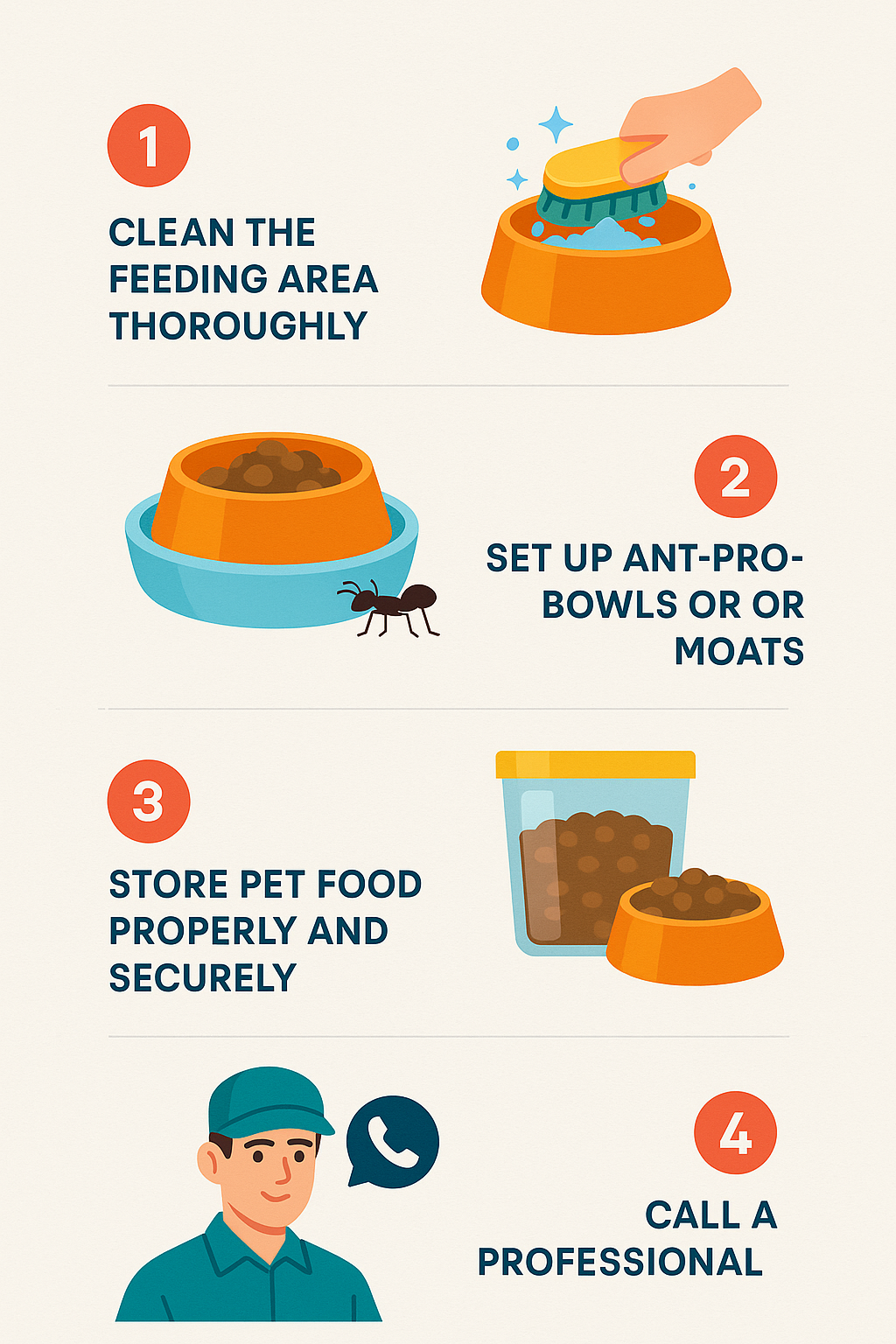
Credit: www.fullscopepestcontrol.com
Why Ants Target Cat Food
Have you ever noticed how ants seem to swarm your cat’s food bowl out of nowhere? It’s not random—they are drawn to something very specific in the food. Understanding why ants target cat food helps you tackle the problem more effectively and keeps those tiny invaders away for good.
Attractive Ingredients In Cat Food
Cat food often contains fats, proteins, and sugars that ants find irresistible. Ingredients like meat by-products, oils, and even sweet flavorings act like a beacon for these insects.
Dry kibble can also attract ants because of its fat content, while wet food’s moisture and strong smell make it even more appealing. Have you ever noticed ants around tuna-flavored cat food? That strong fish scent is a major magnet.
Ant Behavior And Food Sources
Ants are always on the lookout for easy food sources to feed their colony. Your cat’s food bowl offers a convenient, nutrient-rich target they can’t resist.
Once an ant finds the food, it leaves a scent trail for others to follow. This behavior explains why you often see a long line of ants marching toward the same spot.
Do you think about how quickly ants can multiply once they find a steady food source? Stopping them early is key to preventing a full infestation.
Choosing The Right Feeding Area
Choosing the right feeding area for your cat is essential to keep ants at bay. The spot you pick can either invite these tiny invaders or keep them far away. Careful selection and maintenance of the feeding area make a big difference in protecting your cat’s food from ants.
Indoor Vs Outdoor Feeding Spots
Feeding your cat indoors generally reduces the chances of ants invading the food. Inside, you have more control over cleanliness and can easily spot ant trails early. However, if you prefer feeding outside, pick a spot away from plants or damp areas where ants thrive.
Outdoor feeding requires extra vigilance. Use elevated surfaces like a small table or stand to keep bowls off the ground. This simple step can reduce ant access significantly. Have you noticed ants climbing up from the ground to your cat’s dish? Changing the spot might solve this problem.
Keeping Feeding Areas Clean
Ants are attracted to leftover crumbs and spilled food. Wiping the feeding area after every meal prevents ants from being lured in. Use a damp cloth or mild soap solution to clean the surface regularly.
Don’t forget to clean the floor around the feeding spot too. Even tiny bits of dry food can draw ants quickly. Make it a habit to sweep or vacuum the area daily.
Lastly, consider using a mat or tray under the bowls. It helps contain spills and makes cleaning easier. This small change can save you from frequent ant problems and keeps your cat’s food fresh and safe.
Ant-proof Feeding Bowls
Ant-proof feeding bowls are a smart way to protect your cat’s food from unwanted tiny invaders. These bowls are designed with features that make it hard or impossible for ants to reach the food, saving you the hassle of constant cleaning and refilling. Choosing the right bowl can make mealtime peaceful for both you and your furry friend.
Designs That Deter Ants
Some feeding bowls come with built-in barriers that keep ants out. Bowls with wide, raised rims or deep basins create physical obstacles ants struggle to cross.
Look for bowls with a moat-like water barrier around the base. Ants can’t swim, so this simple design stops them before they reach the food.
- Bowls with smooth, slippery surfaces make it hard for ants to climb.
- Some bowls have a raised platform connected by a thin bridge over water, isolating the food.
- Materials like stainless steel or glazed ceramic are easier to clean and less likely to attract ants.
I once switched to a bowl with a water moat after battling ants daily. The difference was instant—no more ants, and my cat seemed calmer during meals.
Diy Ant Barriers For Bowls
You don’t have to buy a special bowl to keep ants away. Simple DIY barriers can work just as well around any feeding dish.
Try placing your cat’s bowl inside a larger shallow dish filled with water. This creates your own ant moat without special equipment.
- Use petroleum jelly on the outside rim of the bowl to block ants from climbing up.
- Apply a thin layer of chalk or baby powder around the bowl—ants avoid crossing these substances.
- Set the bowl on a stand with legs dipped in water or covered in sticky tape to stop ants climbing from the floor.
Have you noticed ants sneaking in despite your efforts? Adding multiple barriers, like a moat plus a sticky tape leg cover, often does the trick. What creative solutions have you tried to keep your cat’s food ant-free?
Natural Remedies To Repel Ants
Keeping ants away from your cat’s food doesn’t have to involve harsh chemicals. Natural remedies offer safe, effective ways to create a barrier ants avoid. These options not only protect your pet’s meals but also keep your home eco-friendly.
Essential Oils That Work
Essential oils are a powerful, natural way to repel ants. Oils like peppermint, tea tree, and eucalyptus have strong scents that ants dislike.
Try placing a few drops of peppermint oil on cotton balls and setting them near your cat’s feeding area. The smell confuses ants and keeps them at bay without harming your pet.
Tea tree oil mixed with water in a spray bottle can be sprayed around the feeding spot daily. Eucalyptus oil works similarly and adds a fresh scent to your home.
Household Items As Deterrents
Look around your home—common items can stop ants from invading cat food bowls.
- Cinnamon:Sprinkle ground cinnamon around the food area. Ants avoid crossing the powdery scent barrier.
- Vinegar:Wiping the feeding spot with vinegar removes scent trails ants follow.
- Chalk:Drawing a chalk line around the feeding station can block ants since they won’t cross it.
Have you noticed ants disappearing after using these simple items? They offer a no-fuss way to protect your cat’s food while keeping your space natural and safe.
Regular Cleaning Practices
Keeping ants away from your cat’s food requires more than just a quick wipe here and there. Regular cleaning practices create an environment that ants find unwelcoming, cutting off their food source and stopping infestations before they start. These simple habits can make a big difference in protecting your pet’s meals.
Wiping Surfaces After Meals
After your cat finishes eating, take a moment to wipe down the feeding area. Crumbs and spilled kibble are magnets for ants, so removing every tiny bit discourages them from visiting.
Use a damp cloth with mild soap or pet-safe cleaner to get rid of sticky residues. You might be surprised how often small spills go unnoticed but attract pests.
Have you noticed ants showing up even after cleaning? Try wiping the floor and any nearby surfaces too, since ants can trail from unexpected places.
Proper Storage Of Cat Food
Storing cat food correctly is crucial to keeping ants out. Always seal dry food in airtight containers to block their access and preserve freshness.
If you buy in bulk, portion out daily servings instead of leaving large bags open on the floor. This limits exposure and reduces temptation for ants.
Consider keeping wet food in the fridge until meal time and cleaning the feeding bowl immediately after your cat finishes. These steps reduce lingering smells that draw pests near.

Credit: www.youtube.com
Using Ant Baits And Traps Safely
Using ant baits and traps can be an effective way to keep ants away from your cat’s food. However, safety should always come first. You want to protect your furry friend while still dealing with the ant problem efficiently.
Pet-safe Options
Not all ant baits and traps are safe around pets. Choose products labeled specifically as pet-safe or non-toxic to animals. Natural options like boric acid mixed with sugar, or diatomaceous earth, can work without harming your cat.
Homemade traps using ingredients like vinegar or cinnamon can also deter ants without introducing chemicals. You might have noticed ants avoid certain herbs or spices—these can be placed near feeding areas for a gentle barrier. Have you checked the ingredients on your ant bait label lately?
Placement Tips To Avoid Pets
Where you put your ant baits matters just as much as what you use. Keep traps out of your cat’s reach to prevent accidental ingestion. Place them behind furniture, under cabinets, or inside corners where ants travel but your pet cannot access.
Elevating traps on shelves or inside containers with small openings can add an extra layer of safety. Observe your cat’s behavior—if they’re curious explorers, you’ll need to be extra cautious. Would you want to trade a solved ant problem for a vet visit?
Preventing Ant Trails
Preventing ant trails is key to keeping ants away from your cat’s food. Ants follow scent trails left by others to find food sources easily. Stopping these trails helps break their path and keeps them from returning. This section explains how to remove these trails and block ants from entering feeding areas.
Removing Scent Trails
Ants leave chemical trails for others to follow. Cleaning these trails confuses ants and stops them from coming back.
- Use warm, soapy water to wipe the feeding area daily.
- Vinegar diluted with water can erase scent marks effectively.
- Rubbing alcohol also breaks down the chemical trails.
- Clean floors and walls near the feeding spot thoroughly.
Regular cleaning removes the signals ants use to find food.
Barriers Around Feeding Zones
Creating barriers stops ants from reaching cat food directly. These barriers block or repel ants physically and chemically.
- Place food bowls on a tray filled with water to trap ants.
- Use natural powders like cinnamon or diatomaceous earth around feeding spots.
- Seal cracks and gaps near feeding areas to prevent entry.
- Elevate bowls on stands or plates with a moat of water.
Barriers make feeding zones less accessible and unattractive to ants.

Credit: smart.dhgate.com
Frequently Asked Questions
How Can I Prevent Ants From Reaching Cat Food?
Store cat food in airtight containers. Clean feeding areas regularly to remove crumbs. Use ant deterrents like vinegar or citrus sprays nearby to block their path.
What Natural Repellents Keep Ants Away From Pet Bowls?
Natural repellents include vinegar, lemon juice, and cinnamon. Apply these around cat food bowls to deter ants safely without harming your pet.
Is It Safe To Use Chemical Ant Repellents Near Cats?
Avoid chemical repellents near cats as they can be toxic. Opt for pet-safe natural solutions like diatomaceous earth or essential oils diluted properly.
How Often Should I Clean The Cat’s Feeding Area?
Clean the feeding area daily to prevent ants and bacteria. Wipe up spills immediately and wash bowls regularly with soap and water.
Conclusion
Keeping ants away from your cat’s food is simple with a few smart steps. Clean the feeding area often to remove crumbs and spills. Store cat food in sealed containers to block ants. Use natural barriers like vinegar or lemon around bowls.
Check for and seal any cracks where ants enter. Small changes make a big difference. Your cat can enjoy meals without pesky ants nearby. Stay consistent, and ant problems will reduce quickly. Safe, clean feeding means happy pets and peace of mind.
