

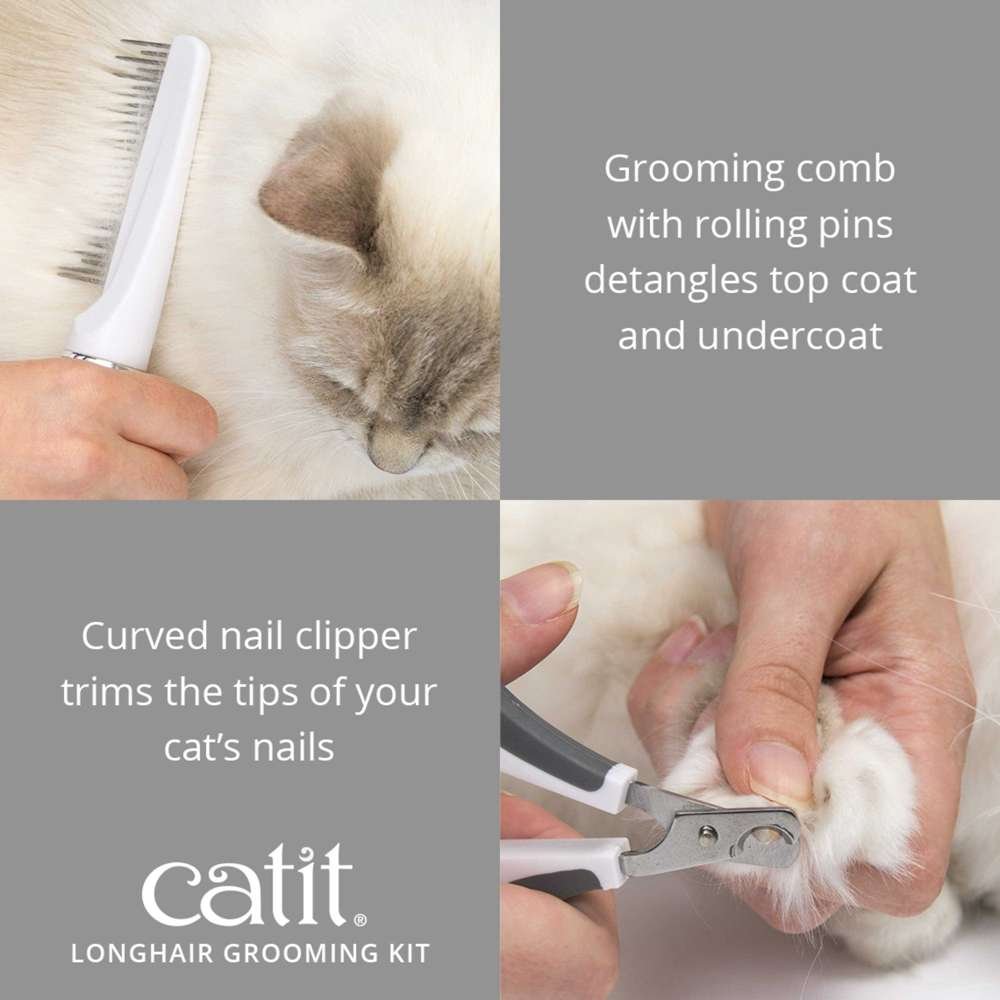
If you have a long-haired cat, you know how important grooming is to keep their coat healthy and beautiful. But grooming long hair can be tricky if you’re not sure where to start.
You might worry about mats, tangles, or even hurting your furry friend. Don’t worry—this guide will show you simple, effective ways to care for your cat’s long fur. By the end, you’ll feel confident and ready to make grooming an easy and enjoyable part of your routine.
Keep reading to discover the secrets to a happy, well-groomed long-haired cat!
Choosing The Right Grooming Tools
Choosing the right grooming tools is key for caring for a long-haired cat. The right tools make grooming easier and more comfortable. They help remove tangles and keep your cat’s coat healthy. Using wrong tools can hurt your cat or cause frustration. Focus on tools made for long fur to get the best results.
Brush Types For Long Hair
Long-haired cats need brushes that can reach deep into their fur. A slicker brush works well to remove loose hair and dirt. It has fine, short wires close together to detangle without pulling. A pin brush is gentle and good for daily brushing. It helps keep the coat smooth and shiny. Choose brushes with soft, rounded tips to avoid scratching your cat’s skin.
Combs And Dematting Tools
Combs help find and remove small tangles and mats. Look for wide-toothed combs to gently work through knots. Dematting tools have sharp edges to cut through tough mats. Use them carefully to avoid hurting your cat. Always comb in the direction of hair growth. This reduces pulling and discomfort. Regular combing prevents mats from forming.
Nail Clippers And Scissors
Trimming nails is part of grooming long-haired cats. Use nail clippers made for pets. They give clean, quick cuts to avoid splitting nails. Small scissors with rounded tips help trim fur around paws and hygiene areas. Keep scissors sharp and clean. Only trim a little at a time to avoid injury. Proper nail care keeps your cat comfortable and safe.
Preparing Your Cat For Grooming
Preparing your long-haired cat for grooming is more than just having the right tools at hand. It’s about setting the stage so your cat feels safe and relaxed. This foundation can make the grooming process smoother for both of you.
Creating A Calm Environment
Choose a quiet room where your cat won’t be disturbed. Turn off loud noises like TV or music. Soft natural light works best and helps keep your cat calm.
Try to keep the temperature comfortable—not too hot or cold. Having familiar blankets or toys nearby can also soothe your cat. Have you noticed how your cat reacts to certain sounds or spaces? Use that knowledge to pick the perfect spot.
Handling Techniques For Comfort
Start by gently petting your cat to build trust before touching the grooming tools. Use slow, deliberate movements to avoid startling them. If your cat resists, pause and try again later.
Support your cat’s body properly—cradling the chest or hips can make them feel secure. Keep your voice soft and reassuring throughout. Remember, patience here pays off when your cat begins to associate grooming with comfort.
Setting A Grooming Schedule
Consistency is key. Set specific days and times for grooming so your cat knows what to expect. Short, frequent sessions work better than long, rare ones.
Observe your cat’s coat and behavior to adjust the schedule as needed. Some cats may need daily brushing, while others thrive with twice a week. What routine fits your cat’s personality and lifestyle best?
Step-by-step Grooming Process
Grooming a long-haired cat requires patience and care to keep their coat healthy and shiny. The process may seem daunting at first, but breaking it down into simple steps makes it manageable. You’ll find that regular grooming not only prevents mats but also strengthens the bond between you and your feline friend.
Brushing And Detangling
Start by choosing a suitable brush, such as a slicker brush or a wide-toothed comb. Gently brush your cat’s fur in the direction it grows to avoid pulling on their skin. If you encounter tangles, don’t rush—hold the base of the fur close to the skin and carefully work through the knots with your fingers or a detangling comb.
Short, frequent sessions work best, especially if your cat is sensitive or impatient. Have treats ready to reward calm behavior. Have you noticed how your cat’s mood can improve with gentle brushing?
Bathing Tips For Long Hair Cats
Bathing isn’t always necessary, but it helps with stubborn dirt or oils that brushing can’t remove. Use lukewarm water and a cat-specific shampoo to avoid irritation. Wet your cat slowly and speak soothingly to keep them relaxed.
Focus on rinsing thoroughly to prevent residue, which can cause itching. Avoid water in their ears and eyes. If your cat dislikes baths, try using a handheld sprayer or a cup to pour water gently.
Drying And Fluffing Fur
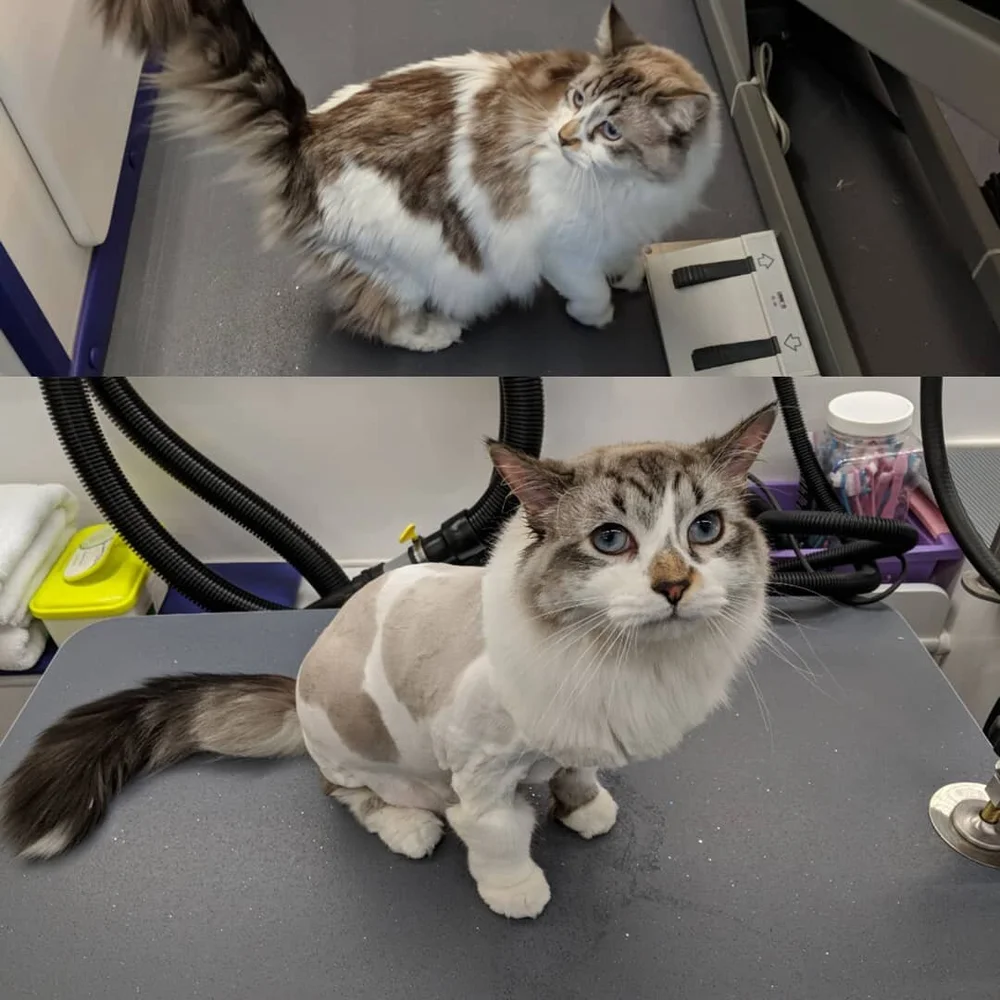
After the bath, wrap your cat in a soft towel to absorb excess water. Pat the fur gently instead of rubbing to reduce tangling. If your cat tolerates it, use a blow dryer on the lowest heat and speed settings to dry their coat.
While blow drying, keep the dryer moving to prevent overheating any area. Use your fingers or a wide-toothed comb to fluff the fur as it dries, which helps maintain volume and prevents mats. Do you notice how drying becomes easier with practice and patience?
Credit: www.squeakycleangrooming.com
Managing Common Hair Issues
Long-haired cats bring a special charm to your home, but their luxurious coats require extra care. Managing common hair issues is essential to keep your feline friend comfortable and looking great. Understanding these challenges helps you act quickly and prevent discomfort.
Preventing Mats And Tangles
Mats and tangles form when loose fur sticks together, creating tight clumps that can pull on your cat’s skin. These can be painful and lead to skin infections if ignored. Regular brushing is your best defense—aim for daily sessions using a wide-toothed comb to gently work through knots without hurting your cat.
Try to catch mats early, especially behind the ears, under the legs, and around the neck where fur is thickest. If you find a stubborn tangle, don’t pull hard—apply a bit of detangling spray or use your fingers to loosen it carefully. Have you noticed your cat avoiding grooming? It might signal discomfort from mats that need your attention.
Dealing With Shedding
Shedding is natural, but long-haired cats can produce a lot of loose fur around your home. Frequent brushing helps remove dead hair before it falls off, reducing the amount you find on your furniture and clothes. Use a slicker brush or grooming glove to collect loose fur efficiently.
Feeding your cat a balanced diet rich in omega-3 fatty acids supports healthy skin and fur, potentially reducing excessive shedding. When was the last time you checked your cat’s diet? Sometimes, a small change can make a big difference in coat health.
Handling Skin Irritations
Skin irritations can show as redness, bumps, or excessive scratching. These issues may arise from allergies, parasites, or even over-grooming caused by stress. Keep an eye on your cat’s skin during grooming and look for any changes.
If you spot irritation, use hypoallergenic grooming products and consult your vet for proper diagnosis and treatment. Sometimes, simple changes like switching your cat’s shampoo or reducing flea exposure can solve these problems. How often do you examine your cat’s skin during grooming? Small checks can prevent bigger problems.
Health Benefits Of Regular Grooming
Regular grooming does more than keep your long-haired cat looking beautiful. It plays a crucial role in maintaining their overall health and comfort. By making grooming a routine part of your care, you can help your cat avoid common health issues and enjoy a happier life.
Promoting Healthy Skin And Coat
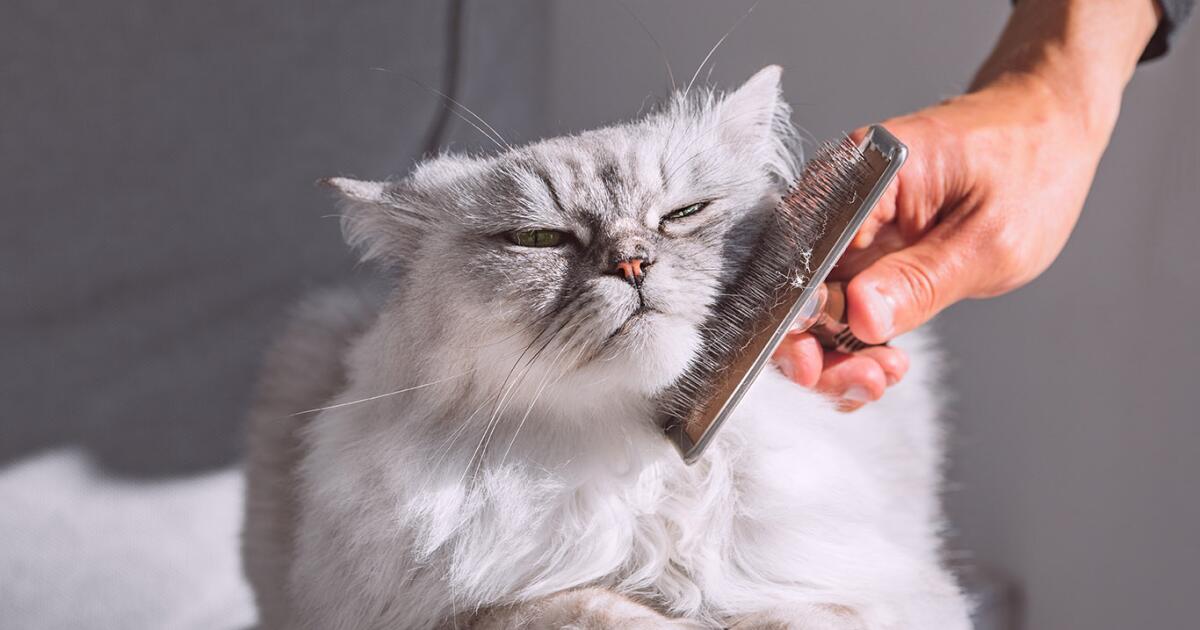
Brushing your cat’s long fur removes dirt, dead hair, and loose skin cells. This prevents matting, which can trap moisture and cause skin infections. Regular grooming also stimulates natural oil production, keeping the coat shiny and soft.
Have you noticed how your cat’s fur feels after a good brushing? That healthy glow is a sign of well-maintained skin beneath. You’re not just improving appearance—you’re actively supporting your cat’s skin health.
Detecting Early Health Problems
While grooming, you get a chance to check for unusual bumps, cuts, or parasites like fleas and ticks. Spotting these early can make a big difference in treatment success. It’s easier to catch problems when you handle your cat regularly.
Think about how often you interact with your cat’s body. The more familiar you become with their normal condition, the quicker you can notice any changes. This proactive approach gives you an edge in managing your cat’s health.
Reducing Hairballs
Long-haired cats swallow more loose fur when they groom themselves, which often leads to hairballs. By brushing frequently, you remove loose hair before your cat can ingest it. This simple step reduces vomiting and digestive discomfort.
Imagine cutting down on your cat’s hairball episodes just by spending a few minutes grooming daily. It saves you from cleaning up messes and helps your cat feel better inside and out.
Credit: www.latimes.com
When To Seek Professional Help
Knowing when to get professional help is key to keeping your long-haired cat healthy. Grooming can be tricky with long fur. Some situations need expert care to avoid pain or injury. Professionals have the right tools and skills for tough grooming tasks.
Watch your cat closely. Certain signs show that home grooming is not enough. Taking your cat to a groomer can improve comfort and prevent skin problems.
Signs Your Cat Needs A Groomer
- Severe mats and tangles that cause pain
- Excessive shedding and fur buildup
- Skin irritation or redness under the fur
- Cat resists grooming and becomes stressed
- Difficulty cleaning hard-to-reach areas
- Unpleasant odor from dirty or oily coat
- Long nails that affect walking or scratching
Choosing A Professional Groomer
Pick a groomer with experience in cats, especially long-haired breeds. Look for a calm and gentle approach. Check reviews or ask for recommendations. Visit the salon before booking to ensure a clean, safe place. Confirm they use cat-safe products and tools. Ask about handling shy or anxious cats. Good communication is important to explain your cat’s needs.
Cost And Frequency Of Professional Grooming
| Service | Average Cost (USD) | Recommended Frequency |
|---|---|---|
| Basic Grooming (bath, brush, nail trim) | $40 – $70 | Every 6 to 8 weeks |
| De-matting and Fur Trimming | $60 – $100 | As needed, depending on coat condition |
| Full Grooming Package | $80 – $120 | Every 8 to 12 weeks |
Tips For Grooming Kittens With Long Hair
Grooming kittens with long hair requires patience and care. Starting the process early helps your kitten get used to regular grooming sessions. It sets a foundation for good habits that will make grooming easier as your cat grows.
Starting Early For Better Habits
Introduce grooming tools to your kitten gently. Let them sniff and explore brushes or combs before you use them. This reduces fear and builds trust.
Short, frequent sessions work better than long ones. Even five minutes a day can make a big difference. Your kitten learns that grooming is a normal and positive part of their routine.
Gentle Grooming Techniques
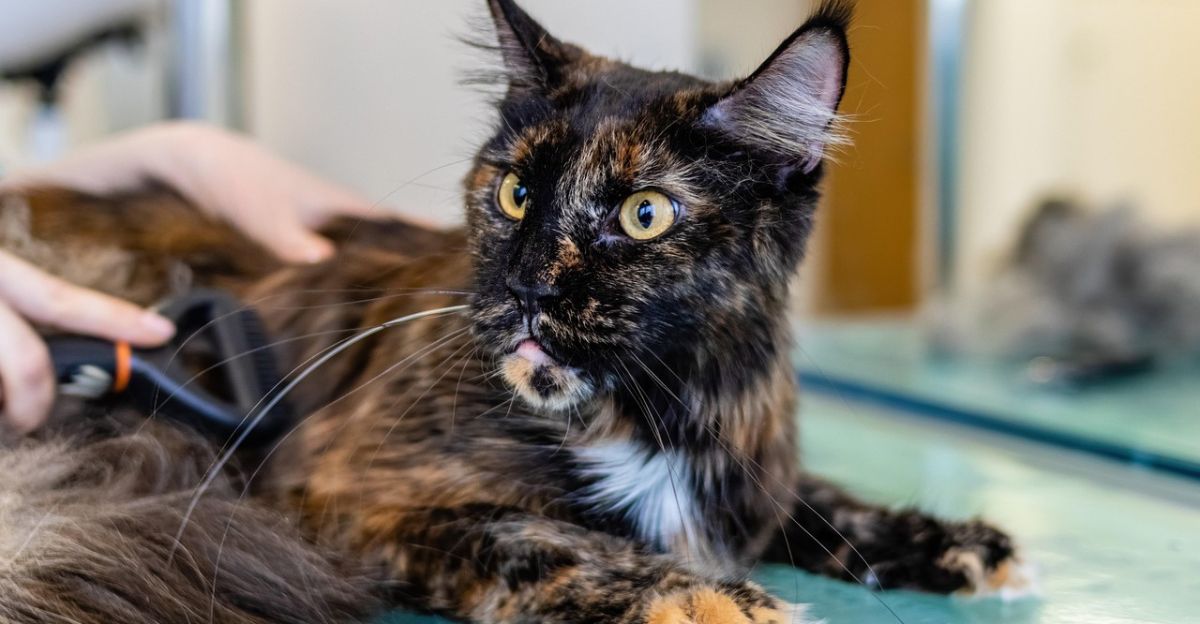
Use soft, slow strokes with a slicker brush or wide-tooth comb. Avoid pulling or tugging on tangles, which can hurt your kitten and make them avoid grooming.
Focus on sensitive areas like behind the ears and under the legs with extra care. These spots often get matted but are delicate. Being gentle here helps prevent discomfort.
Making Grooming Fun
Turn grooming into a bonding activity. Talk softly and offer treats during and after the session. This creates a positive association with grooming.
Try playing gentle games before grooming to relax your kitten. A calm kitten is much easier to groom. Have you noticed how your kitten responds to touch when they’re relaxed versus stressed?
Credit: tryfurgo.com
Frequently Asked Questions
How Often Should I Groom My Long-haired Cat?
Groom your long-haired cat daily to prevent mats and tangles. Regular brushing reduces shedding and hairballs. It also keeps their coat healthy and shiny.
What Tools Are Best For Grooming Long-haired Cats?
Use a wide-toothed comb, slicker brush, and grooming scissors. These tools help detangle, remove loose hair, and trim mats safely. Always choose pet-friendly grooming tools.
How Do I Prevent Mats In Long Cat Fur?
Brush your cat daily, focusing on common mat areas like behind ears and under legs. Keep their fur clean and dry. Regular grooming sessions help prevent painful mats.
Can Grooming Reduce My Cat’s Shedding?
Yes, frequent grooming removes loose hair before it sheds around your home. It reduces hairballs and keeps your cat more comfortable. Regular brushing is key for shedding control.
Conclusion
Grooming a long-haired cat needs patience and care. Regular brushing keeps their fur clean and tangle-free. It also helps reduce shedding and hairballs. Watching your cat’s comfort makes grooming easier for both. Small, calm sessions work best. Remember, healthy fur shows a happy cat inside.
Keep grooming simple and part of your routine. Your cat will thank you with love and trust.
