

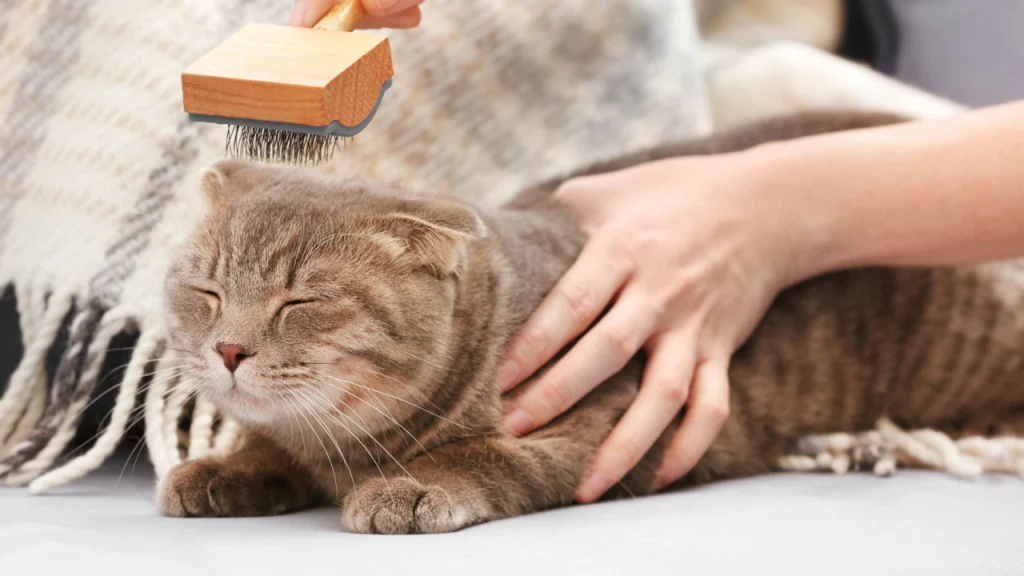
Grooming your cat at home might sound tricky, but it’s easier than you think—and your furry friend will thank you for it. Keeping your cat clean and comfortable isn’t just about looks; it helps prevent health problems and strengthens the bond between you.
In this guide, you’ll discover simple, effective steps to make grooming a stress-free experience for both you and your cat. Ready to learn how to keep your kitty happy and healthy from the comfort of your home? Let’s dive in.

Credit: justcatsclinic.com
Gathering Supplies
Before you start grooming your cat, having the right supplies ready makes the process smoother and less stressful for both of you. Gathering these essentials shows your cat that grooming time is special and comfortable. You’ll feel more confident handling each step when everything you need is within reach.
Choosing The Right Brush
Not all brushes work well on every cat. Long-haired cats benefit from slicker brushes that gently remove tangles, while short-haired cats do better with bristle brushes that lift loose fur.
Consider your cat’s coat thickness and sensitivity when picking a brush. A soft rubber brush might be best if your cat dislikes firm bristles. Have you noticed how your cat reacts to petting? That can guide your choice.
Selecting Nail Clippers
Trimming your cat’s nails requires the right clippers to avoid injury. Scissor-style clippers offer precision but need a steady hand, while guillotine-style clippers are easier for beginners.
Look for clippers designed specifically for cats, as they are sized for small nails. Avoid using human nail clippers—they can crush or split your cat’s nails.
Preparing Towels And Treats
Towels help you gently hold your cat and keep fur from flying everywhere. Wrapping your cat snugly in a towel can calm a nervous feline during grooming.
Treats are powerful motivators. Use small, tasty rewards to create positive associations with grooming. Have you tried offering treats immediately after brushing or nail trimming? It can turn grooming into a fun experience your cat looks forward to.
Creating A Calm Environment
Creating a calm environment helps your cat feel safe during grooming. Cats get nervous with loud noises and sudden movements. A peaceful setting can make grooming easier and more pleasant for both of you.
Finding A Quiet Space
Choose a room with little noise and few distractions. Avoid busy areas with lots of people or loud sounds. A quiet corner helps your cat stay relaxed and focused.
Setting The Right Temperature
Keep the room warm but not too hot. Cats feel comfortable in a cozy space. A cool or drafty room can make them restless or fidgety.
Using Soothing Sounds
Soft music or white noise can calm your cat’s nerves. Avoid loud or sudden sounds that might scare them. Gentle sounds create a peaceful background during grooming.
Brushing Your Cat
Brushing your cat is a key part of home grooming. It keeps their coat clean and healthy. Regular brushing reduces shedding and hairballs. It also helps you spot skin problems early. This routine can be calming and build trust between you and your cat.
Starting With Gentle Strokes
Begin brushing with soft, slow strokes. Use a brush suited for your cat’s fur type. Let your cat sniff and explore the brush first. Brush in the direction of hair growth. Stop if your cat shows signs of discomfort. Gentle strokes make brushing a pleasant experience.
Dealing With Mats And Tangles
Mats can hurt your cat and trap dirt. Use a wide-toothed comb to loosen tangles carefully. Hold the fur near the mat to avoid pulling the skin. For tough mats, try trimming them with scissors or seek help from a vet. Regular brushing prevents mats from forming.
Brushing Different Coat Types
- Short-haired cats:Use a soft bristle brush. Brush twice a week to remove loose hair.
- Long-haired cats:Use a slicker brush or comb daily. Focus on areas like the belly and behind ears.
- Curly or woolly coats:Use a wide-toothed comb. Brush gently to avoid breakage.
Understanding your cat’s coat helps you choose the right brush. This keeps grooming effective and comfortable.

Credit: www.petscare.com
Trimming Cat Nails
Trimming cat nails is important for your pet’s comfort and health. Long nails can scratch furniture and skin. Regular trimming helps prevent injuries and keeps nails in good shape.
Identifying The Quick
The quick is the pink part inside a cat’s nail. It contains nerves and blood vessels. Cutting into the quick causes pain and bleeding. Look for the pink area before trimming. For cats with dark nails, trim small bits at a time. Stop if you see a black dot in the center of the nail tip.
Proper Nail Cutting Technique
Use sharp, small nail clippers designed for cats. Hold your cat’s paw gently but firmly. Press the pad to extend the nail. Cut only the sharp tip, avoiding the quick. Trim straight across or at a slight angle. Keep the clippers steady to avoid splintering the nail.
Handling Nervous Cats
Stay calm and speak softly to soothe your cat. Trim nails in a quiet, comfortable place. Take breaks if your cat resists. Offer treats or gentle pets as rewards. Try wrapping your cat in a towel if needed. Regular practice makes nail trimming easier over time.
Cleaning Ears And Eyes
Cleaning your cat’s ears and eyes is essential for their health. Dirt and wax can build up quickly. This can cause discomfort or infections. Regular cleaning keeps your cat comfortable and prevents problems.
Safe Ear Cleaning Methods
Use a soft cloth or cotton ball dampened with a vet-approved ear cleaner. Never insert cotton swabs deep into the ear canal. Gently wipe the outer ear and visible parts only. Stop if your cat shows signs of pain or irritation. Clean ears once every few weeks or as needed.
Removing Eye Discharge
Use a clean, damp cloth or cotton ball to wipe away discharge. Wipe from the inner corner toward the outer edge. Use a fresh cloth for each eye to avoid spreading infections. Avoid harsh chemicals or soaps near the eyes. Clean eyes daily if discharge is frequent.
When To Consult A Vet
- Redness or swelling in ears or eyes
- Strong odor from the ears
- Excessive scratching or head shaking
- Thick, colored eye discharge
- Signs of pain or discomfort during cleaning
These signs may indicate infection or other health issues. Prompt veterinary care can prevent serious problems.
Bathing Tips For Cats
Giving your cat a bath can be a challenging task, but with the right approach, it can become a manageable part of your grooming routine. Cats generally groom themselves well, so bathing is only needed occasionally or in special cases. Understanding how to prepare and handle your cat during a bath will make the experience less stressful for both of you.
Preparing For The Bath
Before you even turn on the water, gather all necessary supplies: a cat-friendly shampoo, a large towel, and a cup or gentle sprayer for rinsing. Choose a small sink or bathtub where your cat can feel secure and won’t slip. Make sure the water is lukewarm—too hot or cold can upset your cat quickly.
Calm your cat with gentle strokes and soft words. If your cat has long hair, brush out tangles beforehand to avoid painful mats tightening during the bath. Have a helper if possible; one person can hold the cat while the other washes.
Using Cat-friendly Shampoo
Not all shampoos are safe for cats. Human shampoos and even some dog shampoos can irritate their sensitive skin. Look for products specifically labeled for cats, with natural ingredients and no harsh chemicals.
Apply the shampoo gently, avoiding the eyes, ears, and mouth. Lather lightly and focus on the dirtiest areas, like the paws and belly. Rinse thoroughly—residual shampoo can cause itching or allergic reactions.
Drying Your Cat Safely
After rinsing, wrap your cat in a large, soft towel immediately to keep it warm and absorb excess water. Pat your cat dry rather than rubbing, which can tangle the fur or stress your pet. Some cats tolerate a blow dryer on the lowest, coolest setting, but many prefer towel drying alone.
Keep your cat in a warm room until fully dry to prevent chills. Have you noticed how your cat reacts differently to drying methods? Observing these reactions can help you find the most comfortable way to dry your cat next time.
Rewarding Your Cat
Rewarding your cat during grooming is key to making the experience pleasant for both of you. It helps your cat associate grooming with positive feelings, reducing stress and resistance over time. Have you noticed how a small treat can change your cat’s mood instantly?
Choosing Treats
Pick treats your cat truly loves and finds special. These could be small pieces of cooked chicken, commercial cat treats, or even a bit of tuna. Avoid overfeeding—just a tiny bite is enough to keep their interest.
Keep the treats easy to chew and quick to eat, so the grooming session flows smoothly without long breaks. You know your cat best, so use what works for them and switch it up occasionally to keep things exciting.
Positive Reinforcement
Give your cat a treat immediately after a good grooming moment, like staying calm or allowing a brush stroke. This instant reward teaches them that calm behavior earns something nice.
Combine treats with gentle praise in a soft voice. Your calm tone can comfort your cat just as much as the treat itself. How often do you pause to talk softly to your cat during grooming?
Building Grooming Habits
Make grooming a regular habit paired with rewards to build trust and routine. Cats thrive on consistency, so try to groom at the same time and place.
Start with short sessions, gradually increasing time as your cat gets comfortable. Rewarding often in the beginning will make your cat look forward to grooming instead of avoiding it.
Remember, patience and rewards go hand in hand. What small rewards could you add today to improve your cat’s grooming experience?

Credit: www.purina.com
Frequently Asked Questions
How Often Should I Groom My Cat At Home?
Groom your cat weekly to reduce shedding and prevent mats. Long-haired cats need more frequent grooming, ideally every 2-3 days. Regular grooming also helps detect skin issues early and strengthens your bond with your pet.
What Tools Are Best For Grooming A Cat?
Use a soft-bristle brush for short-haired cats and a wide-toothed comb for long-haired cats. Nail clippers, grooming gloves, and a flea comb are also useful. Choose tools designed specifically for cats to ensure comfort and safety during grooming.
How Do I Safely Trim My Cat’s Nails?
Trim your cat’s nails every 1-2 weeks using sharp, cat-specific clippers. Press the paw gently, avoid cutting the quick, and reward your cat afterward. Take breaks if your cat gets stressed, and seek professional help if needed.
Can Grooming Reduce Cat Hairballs Effectively?
Yes, regular grooming removes loose fur, reducing the amount your cat ingests. This helps prevent hairballs and keeps your cat’s coat healthy. Brushing daily during shedding seasons is especially effective for hairball control.
Conclusion
Grooming your cat at home keeps them clean and happy. Regular brushing stops mats and reduces hairballs. Use gentle strokes and stay patient with your pet. Short, calm sessions work best for both of you. Keep grooming tools close and choose the right ones.
This simple care helps your cat feel loved and healthy. Start today and enjoy the bonding time with your furry friend. Easy, regular grooming makes a big difference. Your cat will thank you with purrs and trust.
