

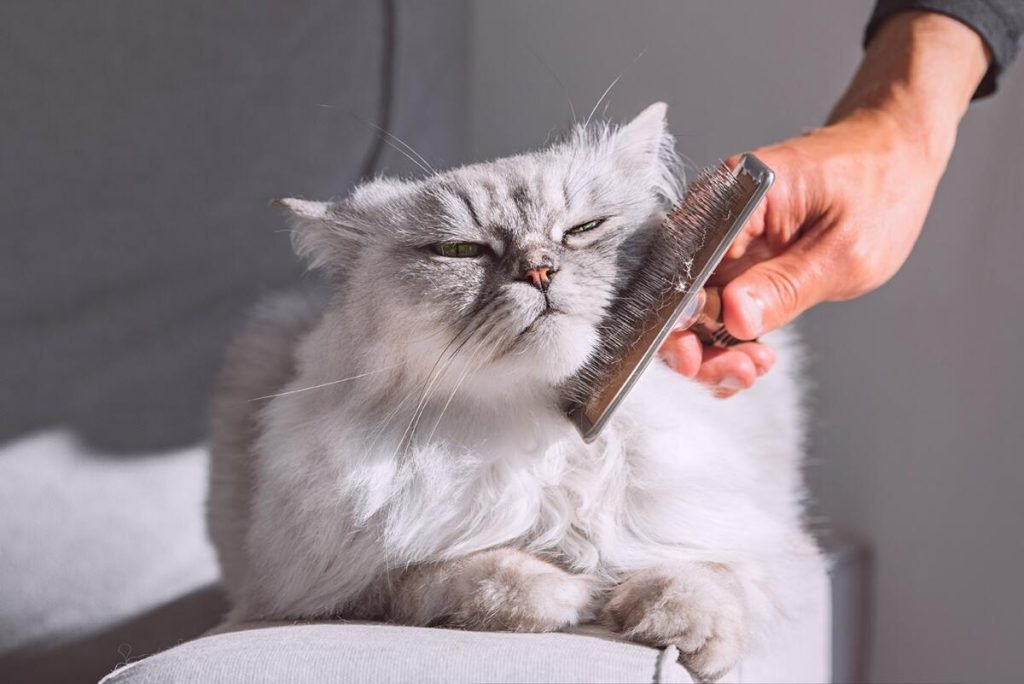
Grooming your cat might seem like a simple task, but it’s more important than you think. When you learn how to groom a cat properly, you’re not just keeping their fur clean—you’re protecting their health and strengthening your bond.
Imagine your cat feeling comfortable, looking shiny, and staying healthy all year round. In this guide, you’ll discover easy, practical tips that make grooming stress-free for both you and your furry friend. Ready to become your cat’s favorite groomer? Keep reading, and let’s get started!
Credit: brooklynpetspa.com
Choosing The Right Grooming Tools
Choosing the right grooming tools helps keep your cat healthy and happy. Different cats need different tools based on their coat and skin type. The correct tools make grooming easier and more comfortable for your cat. Here are the main grooming tools you should consider.
Brushes For Different Coat Types
Short-haired cats need soft-bristle brushes to remove loose hair gently. Long-haired cats benefit from slicker brushes that detangle and smooth their fur. Cats with thick or curly coats require wide-toothed brushes to prevent matting. Using the right brush reduces shedding and keeps the coat shiny.
Combs And Nail Clippers
Combs help remove dirt and small mats from your cat’s fur. Choose a fine-toothed comb for delicate areas like the face. Nail clippers made for pets trim nails safely without splitting. Regular nail trimming prevents scratching and keeps paws healthy.
Shampoos And Conditioners
Use shampoos made specifically for cats to avoid skin irritation. Choose formulas for sensitive skin if your cat has allergies. Conditioners keep the coat soft and reduce tangles after washing. Always rinse thoroughly to remove all shampoo and conditioner.

Credit: www.viovet.co.uk
Preparing Your Cat For Grooming
Preparing your cat for grooming helps make the process smooth and stress-free. Cats can sense tension, so calmness is key. Taking time before grooming sets a positive mood for your pet. This preparation helps your cat feel safe and relaxed.
Creating A Calm Environment
Choose a quiet room with few distractions. Soft lighting helps reduce stress. Remove loud noises like TVs or radios. Keep the temperature comfortable, not too hot or cold. Have all grooming tools ready to avoid interruptions. A calm space makes your cat more willing to cooperate.
Getting Your Cat Comfortable
Let your cat explore the grooming area first. Use gentle petting to build trust and ease nerves. Speak softly to soothe your cat’s mood. Offer treats to create positive associations. Hold your cat gently but firmly to prevent sudden moves. Short sessions help your cat get used to handling.
Safety Tips For Grooming Sessions
- Use tools designed for cats to avoid injury.
- Check your cat’s skin for cuts or irritation before grooming.
- Trim nails carefully to avoid hurting your cat.
- Stop if your cat shows signs of stress or aggression.
- Keep a first aid kit nearby for emergencies.
Safety protects both you and your cat during grooming.
Brushing Techniques For A Healthy Coat
Brushing a cat’s coat is key to keeping it clean and shiny. It removes loose hair and dirt. Brushing also helps spread natural oils across the fur. This keeps the coat soft and healthy. Use gentle strokes to avoid hurting your cat. Different cats need different brushing routines. Learn how often and when to brush for best results.
Brushing Frequency And Timing
Short-haired cats need brushing once or twice a week. Long-haired cats require daily brushing to prevent tangles. Brush your cat after meals or playtime. This keeps your cat relaxed and cooperative. Choose a quiet time to avoid stress. Regular brushing helps you notice skin problems early.
Dealing With Mats And Tangles
Mats form when fur gets tangled tightly. They can cause pain and skin issues. Use a wide-toothed comb to gently loosen mats. Hold the fur near the skin to avoid pulling. For severe mats, use special detangling sprays. Never cut mats with scissors yourself. Visit a groomer if mats are hard to remove.
Handling Shedding Seasons
Cats shed more in spring and fall. Brushing more often helps manage extra hair. Use a slicker brush to remove loose undercoat hair. This reduces hairballs and fur on furniture. Keep a lint roller handy for quick cleanups. Regular brushing during shedding seasons keeps your home cleaner.

Credit: catit.ca
Bathing Your Cat Safely
Bathing your cat can be a tricky task, but doing it safely ensures your furry friend stays clean without stress. Cats generally groom themselves well, so bathing should only happen when necessary. Understanding the right time and technique makes the experience better for both of you.
When And How To Bathe
Only bathe your cat if it’s dirty, has fleas, or gets into something harmful. Overbathing can dry out their skin and cause discomfort. Choose a warm, quiet room to avoid sudden noises or distractions that might scare your cat.
Use a sink or small tub with just a few inches of lukewarm water. Gently place your cat in the water and talk to it softly to keep calm. Avoid getting water in their ears, eyes, and nose to prevent irritation or infections.
Using Cat-friendly Products
Never use human shampoo on your cat. Their skin has a different pH, and harsh chemicals can cause itching or allergic reactions. Look for shampoos made specifically for cats, which are gentle and safe.
Try products that are free from artificial fragrances and dyes. If your cat has sensitive skin, hypoallergenic options are best. Always rinse thoroughly to avoid leftover soap that can irritate the skin.
Drying Tips To Avoid Stress
Dry your cat gently with a soft towel immediately after the bath. Avoid using a hairdryer unless your cat is comfortable with the noise and heat—it can be stressful and even dangerous if too hot. If you do use a dryer, keep it on the lowest setting and hold it at a safe distance.
Let your cat air dry in a warm room afterward. Make sure the area is draft-free so your cat doesn’t catch a chill. Pay attention to how your cat reacts—if it seems stressed, pause and comfort them before continuing.
Nail Care Essentials
Keeping your cat’s nails in good shape is more than just a cosmetic task—it’s essential for their comfort and health. Nail care helps prevent painful overgrowth, reduces the risk of scratches on you and your furniture, and keeps your cat active and agile. Understanding the basics of nail care can make this routine less stressful for both you and your feline friend.
Trimming Tips To Avoid Injury
Trimming your cat’s nails can be tricky, but it’s important to avoid cutting into the quick—the sensitive pink area inside the nail that contains nerves and blood vessels.
- Use a sharp, specialized cat nail clipper for clean cuts.
- Hold your cat gently but firmly, and trim only the sharp tip of the nail.
- If your cat has clear nails, look for the quick; for dark nails, trim little by little to avoid injury.
- Have styptic powder or cornstarch nearby to stop bleeding in case of accidental cuts.
Patience is key. If your cat resists, try trimming one or two nails at a time instead of all at once. Your calm approach can help your cat stay relaxed.
Alternatives To Nail Trimming
If trimming seems too stressful, consider other ways to keep your cat’s nails in check. Providing scratching posts or pads encourages natural nail shedding.
- Cardboard or sisal-covered scratching surfaces satisfy your cat’s scratching instincts.
- Soft nail caps can be glued onto nails to prevent damage to furniture and skin.
- Regular playtime with toys that mimic prey encourages scratching and nail wear.
Have you noticed your cat favoring one scratching spot? This can be a clue to their preferred nail maintenance method.
Signs Of Nail Problems
Watching your cat’s nails closely helps catch issues early. Swelling, redness, or discharge around the nail can mean infection. If your cat limps or avoids using a paw, their nails might be causing pain.
- Check for cracks, splits, or unusually thick nails.
- Look for debris or dirt stuck under the nails, which can lead to infection.
- If your cat constantly licks or bites at their paws, nail discomfort could be the cause.
Don’t ignore changes in your cat’s nail health. Early attention can prevent more serious problems and keep your cat comfortable.
Ear And Eye Care
Proper ear and eye care is essential for your cat’s health and comfort. Dirt, wax, and discharge can cause irritation or infections. Regular checks help catch problems early. Gentle cleaning keeps these sensitive areas safe.
Cleaning Techniques
Use a soft, damp cloth or cotton ball for cleaning. Avoid cotton swabs to prevent damage. Wipe around the eyes to remove tear stains or debris. For ears, gently clean the outer part only. Use a vet-approved ear cleaner if needed. Always be calm and gentle to avoid stress.
Recognizing Infections
Look for redness, swelling, or unusual odor in ears. Watch for excessive scratching or shaking of the head. Eyes may show redness, discharge, or swelling. Squinting or pawing at the eyes signals discomfort. Early signs need attention to prevent worsening.
When To Consult A Vet
Seek veterinary help if discharge is thick or colored. Persistent redness or swelling requires professional care. If your cat shows pain or changes behavior, call the vet. Avoid home remedies that can harm sensitive tissues. Timely vet visits protect your cat’s well-being.
Dental Hygiene For Cats
Dental hygiene is often overlooked in cat grooming but plays a crucial role in your cat’s overall health. Poor dental care can lead to painful infections, difficulty eating, and even impact their heart and kidney health. Taking simple steps to care for your cat’s teeth can save you from costly vet visits and keep your feline friend happy and active.
Brushing Your Cat’s Teeth
Brushing your cat’s teeth might sound challenging, but it’s easier than you think. Start by choosing a soft-bristled toothbrush made for cats and a pet-safe toothpaste. Never use human toothpaste, as it can harm your cat.
Begin slowly by letting your cat taste the toothpaste and get used to the brush. Once comfortable, gently brush in small circular motions, focusing on the outer surfaces where plaque builds up most. If your cat resists, try brushing for just a few seconds at a time and gradually increase the duration.
Dental Treats And Toys
Dental treats and toys can support your cat’s oral health between brushings. Look for treats specifically designed to reduce plaque and tartar. These often have textures that help scrub teeth while your cat chews.
Toys that encourage chewing can also help keep teeth clean. Rubber or silicone toys with ridges can massage gums and reduce buildup. Remember, these are supplements—not replacements—for brushing.
Preventing Common Dental Issues
Regular dental care helps prevent problems like gingivitis, tooth decay, and bad breath. Watch for signs such as drooling, pawing at the mouth, or difficulty eating, which may indicate dental pain.
Schedule routine vet dental check-ups to catch issues early. You might be surprised how often dental problems go unnoticed until they become serious. Are you paying enough attention to your cat’s smile?
Handling Special Grooming Needs
Handling special grooming needs requires more attention and care than routine brushing. Each cat has unique requirements that can change with age, breed, or health conditions. Understanding these specific needs helps you keep your cat comfortable and healthy.
Grooming Senior Cats
Older cats often have reduced flexibility, making self-grooming difficult. You might notice mats or thicker fur in certain areas. Gently brushing your senior cat daily can prevent painful tangles and improve circulation.
Watch for signs of discomfort during grooming. If your cat resists, try shorter sessions and use soft brushes. Keeping nails trimmed is also important since older cats may have trouble retracting them.
Care For Long-haired Breeds
Long-haired cats need frequent grooming to avoid mats and tangles that can trap dirt and cause skin problems. Brushing your cat at least once a day helps keep their coat smooth and reduces shedding around your home.
Use a wide-toothed comb to gently work through knots, starting from the tips and moving toward the skin. Don’t forget regular checks behind the ears and under the legs—common trouble spots. Bathing might be necessary occasionally but always use cat-friendly shampoo.
Managing Skin Conditions
Skin conditions like dryness, redness, or inflammation require special care during grooming. Avoid harsh soaps or vigorous brushing that can irritate sensitive skin further. Instead, choose hypoallergenic grooming products suited for your cat’s condition.
If you notice persistent issues such as excessive scratching or hair loss, consult your vet promptly. They might recommend medicated shampoos or treatments to soothe your cat’s skin. How does your cat respond when you touch areas that seem irritated?
Building A Grooming Routine
Building a grooming routine helps keep your cat healthy and happy. Regular grooming removes loose fur and prevents mats. It also gives you a chance to check your cat’s skin and overall health. A good routine makes grooming easier for both of you.
Setting A Schedule
Choose a regular time to groom your cat. Daily brushing works well for long-haired cats. Short-haired cats need grooming less often, about once a week. Stick to the schedule to build a habit. Try to groom at the same time each day.
Making Grooming Enjoyable
Use gentle strokes and soft brushes. Talk to your cat in a calm voice. Give treats during and after grooming sessions. Keep sessions short at first, about five minutes. Gradually increase time as your cat gets used to it. Stop if your cat shows signs of stress.
Tracking Your Cat’s Health
Look for changes in your cat’s skin and coat. Check for bumps, redness, or parasites. Note any hair loss or unusual smells. Keep a simple log of your observations. Share this information with your vet at check-ups. Grooming helps spot health issues early.
Frequently Asked Questions
How Often Should I Groom My Cat?
Groom your cat at least once a week to remove loose fur. Long-haired cats need grooming two to three times weekly. Regular grooming reduces hairballs and keeps their coat healthy and shiny.
What Tools Do I Need To Groom A Cat?
Basic tools include a cat brush, comb, nail clippers, and pet-safe wipes. Choose tools based on your cat’s fur type. Using the right tools makes grooming easier and more effective.
Can Grooming Prevent Cat Hairballs?
Yes, regular grooming removes loose hair, reducing ingestion during self-cleaning. This helps prevent hairballs and digestive issues. Brushing your cat often keeps their coat clean and healthy.
How Do I Safely Trim My Cat’s Nails?
Use special cat nail clippers and trim only the sharp tips. Avoid cutting the pink quick to prevent pain and bleeding. Trim nails every two to three weeks for best results.
Conclusion
Grooming your cat helps keep their coat healthy and clean. Regular brushing reduces hairballs and shedding. It also strengthens your bond with your pet. Use gentle tools and be patient during grooming sessions. Pay attention to mats and dirt to prevent discomfort.
Small, daily efforts make a big difference over time. Your cat will feel happier and look better too. Keep grooming a calm and positive experience for both of you. Caring for your cat’s fur shows love and keeps them healthy.
