

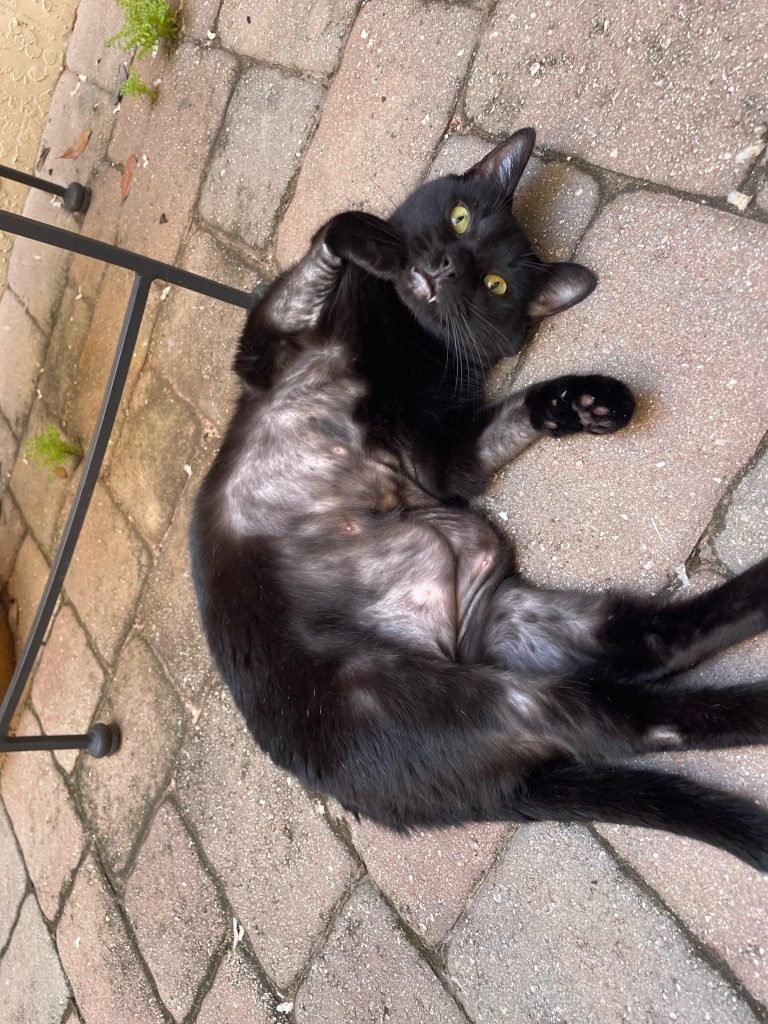
Is your cat spending too much time licking and biting its fur? Over grooming can cause sore spots, hair loss, and stress—for both your cat and you.
You want your furry friend to be happy and healthy, but figuring out why they won’t stop can be confusing. You’ll discover simple, practical steps to help your cat feel calm and comfortable again. Keep reading to learn how to stop your cat’s over grooming before it becomes a bigger problem.
:strip_icc()/the-kitty-1011094438-5c3d1af5c9e77c00015e66a6.jpg)
Credit: www.thesprucepets.com
Signs Of Over Grooming
Over grooming in cats can signal stress, allergies, or health issues. Recognizing its signs early helps protect your cat’s skin and fur. Watch closely for changes in your cat’s grooming habits and behavior. These clues reveal when over grooming becomes a problem. Understanding these signs allows you to take timely action.
Common Symptoms
- Bald patches or thinning fur on the body
- Red, irritated, or raw skin spots
- Frequent licking or biting of the same area
- Scabs or sores caused by excessive grooming
- Hairballs that increase in frequency
Behavioral Changes
- Restlessness or pacing more than usual
- Increased scratching or rubbing against furniture
- Hiding or avoiding social interaction
- Sudden mood swings or irritability
- Spending more time grooming than playing or eating
Causes Of Over Grooming
Over grooming in cats can signal deeper problems. Understanding what causes this behavior is key to helping your cat feel better. Cats may groom excessively for several reasons. These reasons often fall into three main categories: stress and anxiety, medical issues, and environmental factors.
Stress And Anxiety
Cats often groom themselves to calm down. Stress triggers this behavior, making cats lick or bite their fur more than usual. Changes in routine, loud noises, or new people can cause anxiety. Cats may also over groom if they feel bored or lonely. This self-soothing behavior helps them feel safer.
Medical Issues
Skin problems can cause cats to over groom. Allergies, infections, or parasites like fleas make the skin itchy. Pain from injuries or arthritis may also lead to excessive grooming. Sometimes, underlying illnesses affect a cat’s behavior. A visit to the vet helps rule out medical causes.
Environmental Factors
The cat’s surroundings impact grooming habits. Lack of stimulation, small living spaces, or dirty litter boxes can stress cats. Too much noise or other pets may also disturb them. A calm, clean, and enriching environment helps reduce over grooming.
Veterinary Diagnosis
Veterinary diagnosis plays a crucial role in stopping your cat’s over grooming. A vet helps find the root cause of the problem. Over grooming can signal health or behavioral issues. Accurate diagnosis leads to the right treatment plan. The vet uses several tools to understand why your cat over grooms.
Physical Examination
The vet starts with a full physical checkup. They look for skin irritation, wounds, or parasites. The vet checks the coat for hair loss patterns. They may feel the skin for lumps or bumps. This exam helps spot infections or injuries. It also reveals if fleas or mites cause the issue.
Allergy Testing
Allergies often cause itching and over grooming. The vet may suggest allergy tests to find triggers. These tests check for food, pollen, or dust allergies. They can use blood tests or skin tests. Identifying allergens helps create a safe environment for your cat. Avoiding allergens reduces itching and grooming urges.
Behavioral Assessment
Sometimes, over grooming is due to stress or anxiety. The vet observes your cat’s behavior carefully. They ask about changes in the home or routine. The vet looks for signs of boredom or frustration. A behavioral assessment guides the right calming strategies. It may include environmental enrichment or calming products.
Treatment Options
Over grooming in cats can cause skin problems and discomfort. Finding the right treatment helps your cat heal and feel better. Treatments vary depending on the cause of the behavior. Some options focus on health, others on behavior or environment. Understanding these choices helps you support your cat’s recovery effectively.
Medical Treatments
Start by visiting a vet to rule out health issues. Skin infections, allergies, or parasites often cause over grooming. The vet may prescribe:
- Antibiotics for infections
- Anti-parasitic medications
- Anti-inflammatory drugs
- Allergy treatments
- Special shampoos or ointments
Follow the vet’s advice carefully for best results. Sometimes, medical treatments alone stop the over grooming.
Behavioral Therapy
Over grooming can stem from stress or anxiety. Behavioral therapy helps reduce these feelings. Techniques include:
- Positive reinforcement for calm behavior
- Redirecting attention with toys or play
- Training to reduce nervous habits
- Using calming pheromone diffusers
Patience is key. Behavior changes take time and consistency.
Environmental Enrichment
Changing your cat’s environment can reduce boredom and stress. Provide:
- Interactive toys and puzzles
- Scratching posts and climbing trees
- Safe places to hide and rest
- Regular playtime with you
- Varied stimulation to keep your cat busy
A happy environment helps stop over grooming naturally.
Preventing Over Grooming
Preventing over grooming in cats is key to keeping them healthy and happy. Over grooming can lead to skin problems and discomfort. Understanding how to reduce triggers and provide care helps stop this behavior before it worsens.
Reducing Stress
Stress often causes cats to groom too much. Create a calm environment with quiet spaces. Avoid sudden loud noises and keep a steady routine. Provide hiding spots where your cat feels safe. Using pheromone diffusers can soothe anxious cats. Watch for signs of stress like hiding or aggression.
Proper Nutrition
A balanced diet supports healthy skin and fur. Feed your cat high-quality food with essential nutrients. Omega-3 fatty acids help reduce skin inflammation. Avoid foods that cause allergies or upset digestion. Fresh water should always be available. Good nutrition strengthens your cat’s natural defenses.
Regular Playtime
Play helps your cat release energy and stress. Offer toys that mimic hunting like feather wands or laser pointers. Schedule daily play sessions to keep your cat active. Interactive play builds trust and reduces boredom. Tired cats are less likely to over groom. Rotate toys to keep interest high.
:strip_icc()/spruce-pets-cat-bathroom-7b6ae6d8f3d940b9a82141be03734144.png)
Credit: www.thesprucepets.com
When To Seek Professional Help
Recognizing when your cat needs professional help for over grooming is crucial. While some grooming behaviors can be managed at home, persistent or worsening symptoms may signal deeper issues. Knowing the right time to consult an expert can save your cat from discomfort and prevent long-term damage.
Warning Signs
Watch for patches of missing fur that don’t improve after a few days. If your cat’s skin looks red, irritated, or scabbed, it’s a clear warning sign. Excessive licking that leads to open sores or bleeding also means you should seek help immediately.
Changes in your cat’s behavior can indicate underlying stress or pain. If your cat seems withdrawn, anxious, or suddenly aggressive, these might be linked to their grooming habits. Are you noticing these shifts alongside the over grooming?
Choosing A Specialist
Start by consulting your veterinarian to rule out medical causes like allergies or parasites. If the problem is behavioral, ask for a referral to a veterinary behaviorist or a certified animal behavior consultant. These specialists understand the complexities behind over grooming and can offer tailored treatment plans.
When picking a specialist, check their credentials and experience with feline cases. Don’t hesitate to ask about their approach to treatment and success stories. Your cat’s comfort and recovery depend on finding someone who listens and acts effectively.

Credit: icatcare.org
Frequently Asked Questions
What Causes Cats To Over Groom Excessively?
Cats over groom due to stress, allergies, parasites, or skin infections. Boredom and anxiety also trigger excessive licking. Identifying the cause helps in effective treatment and prevention.
How Can I Reduce My Cat’s Grooming Anxiety?
Provide a calm environment, regular playtime, and mental stimulation. Use calming sprays or pheromone diffusers. Consult a vet for behavioral advice if anxiety persists.
Are There Medical Treatments For Cat Over Grooming?
Yes, vets may prescribe antihistamines, steroids, or antibiotics. Treating underlying infections or allergies is crucial. Always seek veterinary advice before starting any medication.
Can Diet Affect My Cat’s Grooming Behavior?
Yes, poor diet or food allergies can cause skin irritation. Feed a balanced, hypoallergenic diet if recommended. Proper nutrition supports healthy skin and reduces grooming issues.
Conclusion
Over grooming can hurt your cat’s skin and fur. Watch your cat closely for signs of stress or illness. Provide a calm, safe space to help them relax. Offer toys and attention to reduce boredom. Visit the vet if over grooming continues or worsens.
Small changes can make a big difference for your cat. Patience and care help your cat feel better. Keep trying different ways to support your pet’s health. Your cat deserves a happy, comfortable life.
