

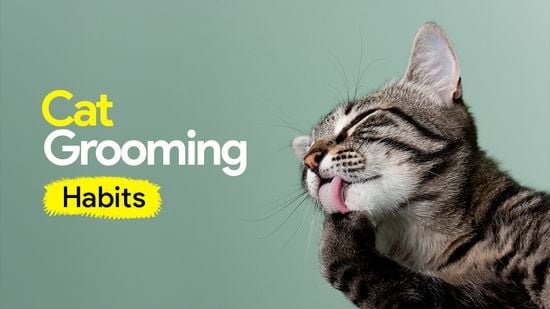
If you’ve ever noticed your cat looking a little messy or uncomfortable, you might be wondering how to encourage your cat to groom itself more often. Grooming is not just about keeping your cat clean—it’s essential for their health and happiness.
But sometimes, cats need a little nudge to get back into good grooming habits. You’ll discover simple and effective ways to help your feline friend take better care of their coat. Keep reading to learn how small changes in your approach can make a big difference in your cat’s grooming routine.
Reasons Cats Groom
Cats spend a significant part of their day grooming themselves, but have you ever wondered why this behavior is so important to them? Grooming is not just about looking neat; it plays a crucial role in their overall well-being. Understanding the reasons behind your cat’s grooming habits can help you encourage this healthy behavior.
Health Benefits
Grooming helps cats keep their fur clean and free from dirt and parasites like fleas. It also removes loose hair, which reduces the chance of hairballs forming in their stomach. Regular grooming promotes healthy skin by spreading natural oils evenly across their coat, keeping it shiny and smooth.
If you notice your cat grooming less, it might be a sign of health issues like arthritis or skin problems. Have you checked if your cat’s grooming routine has changed recently? Keeping an eye on this can help you catch potential health problems early.
Stress Relief
Grooming acts as a calming activity for cats, helping them relieve stress and anxiety. When they lick their fur, it releases endorphins, which are natural mood boosters. This is why you might see a cat grooming intensely after a stressful event or loud noise.
Think about your own stress habits—do you have a calming routine? Your cat’s grooming serves a similar purpose. Encouraging grooming can be a way to help your cat feel more secure and relaxed.
Social Behavior
Cats use grooming as a way to bond with other cats or even with their human companions. Mutual grooming, or allogrooming, strengthens social ties and shows trust. You might notice your cat licking you or another pet, which is a compliment and a sign of affection.
Does your cat seek your attention by grooming itself near you? This could be their way of inviting you to connect. Supporting this behavior helps deepen your relationship and encourages your cat to groom regularly.

Credit: paw-swing.com
Signs Of Grooming Problems
Noticing signs of grooming problems in your cat early can save you a lot of trouble. Cats usually groom themselves efficiently, so changes in this behavior often hint at discomfort or health issues. Keep an eye out for these common signals that your cat might need a little help with grooming.
Excessive Scratching
If your cat is scratching more than usual, it’s a clear warning sign. Excessive scratching can indicate fleas, allergies, or skin infections. Watch if your cat is focusing on certain areas repeatedly—that could mean those spots are itchy or painful.
Have you noticed your cat waking you up by scratching at night? That restlessness might be linked to skin irritation. In such cases, a vet visit becomes necessary to rule out parasites or other causes.
Mattes And Tangles
Mattes and tangles form when your cat avoids grooming certain parts of their body. These clumps of fur can pull on the skin and cause discomfort. Cats with long or thick coats are especially prone to this problem.
Try running your fingers through your cat’s fur regularly. If you encounter stubborn knots, it’s time to assist with gentle brushing. Ignoring matted fur can lead to skin infections and pain.
Skin Irritations
Red, inflamed, or flaky skin is a strong indicator of grooming issues. Your cat might be licking or biting these areas excessively, which only makes things worse. Sometimes, skin irritations are caused by allergies, parasites, or fungal infections.
Have you seen scabs or bald patches on your cat’s body? These symptoms need prompt attention. Cleaning the area and consulting your vet can help prevent infection and ease your cat’s discomfort.
Creating A Grooming-friendly Environment
Creating a grooming-friendly environment helps your cat feel safe and relaxed. Cats groom more often when their surroundings are calm and inviting. A tidy space and the right tools encourage your cat to take care of its coat. Playtime also plays a key role in keeping your cat active and interested in grooming.
Clean And Comfortable Space
Keep your cat’s resting areas clean and soft. Use washable bedding that is free from dust and dirt. A quiet corner away from loud noises helps your cat feel secure. Cats groom more in places where they feel calm and cozy. Regular cleaning removes hair and skin flakes, making grooming easier for your cat.
Providing Grooming Tools
Offer a variety of grooming tools suited to your cat’s coat type. Soft brushes and combs help remove loose fur and prevent matting. Place these tools where your cat can find them easily. Show your cat how to use the tools by gentle brushing. This encourages your cat to try grooming on its own.
Regular Playtime
Play keeps your cat active and healthy. An active cat grooms more often and stays clean. Use toys that mimic prey to engage your cat’s natural instincts. Short, frequent play sessions work better than long ones. Playtime reduces stress, which helps your cat feel good and want to groom.

Credit: www.pethonesty.com
Encouraging Self-grooming Habits
Encouraging self-grooming habits in cats helps keep them clean and healthy. Cats naturally groom themselves, but some may need gentle encouragement. Building good grooming habits prevents skin problems and reduces fur matting. It also strengthens the bond between you and your cat. Use simple, positive methods to guide your cat toward regular self-care.
Positive Reinforcement
Reward your cat when it grooms itself. Use gentle praise or small treats to encourage the behavior. Positive reinforcement helps your cat associate grooming with good feelings. Avoid punishment, which can cause stress and reduce grooming.
Routine Establishment
Set a daily schedule for grooming times. Cats feel safe with regular routines. Create calm moments for your cat to focus on grooming. Consistency helps your cat develop and keep grooming habits. Choose quiet places free from distractions.
Using Scent And Texture
Introduce familiar scents to encourage grooming. Use soft brushes or cloths that feel nice on your cat’s fur. Cats respond well to textures similar to their tongue. Gently brushing your cat can stimulate self-grooming. Avoid harsh tools that may cause discomfort.
Diet And Hydration Impact
Your cat’s diet and hydration play a big role in how well it grooms itself. A healthy coat and skin depend on the nutrients your cat gets from food and water. When your cat feels good inside, it’s more likely to keep itself clean and comfortable.
Nutritional Support For Skin And Coat
Feed your cat a balanced diet rich in omega-3 and omega-6 fatty acids. These fats help reduce dryness and itchiness, making grooming easier and less irritating.
Proteins are essential too, as they build strong hair and skin cells. Look for high-quality cat food with named meat sources like chicken or fish. Avoid fillers like corn or soy that offer little nutrition.
Have you noticed your cat scratching more or losing fur? That could be a sign of poor nutrition affecting its grooming habits.
Hydration Tips
Water intake is crucial for your cat’s skin health. Dehydration can make the skin flaky and uncomfortable, discouraging grooming.
- Offer fresh water several times a day.
- Try a cat water fountain to encourage drinking.
- Mix wet food into the diet to increase moisture intake.
I found that switching my cat to wet food and adding a fountain boosted her water intake noticeably. She seemed to groom more often and looked shinier too.
Supplements To Consider
Sometimes diet alone isn’t enough. Supplements like fish oil or vitamin E can boost skin and coat health.
Before adding any supplement, check with your vet to ensure it’s safe and needed. Quality matters, so choose products designed specifically for cats.
Would your cat benefit from a supplement to improve its grooming routine? Try tracking changes in fur texture and shedding to see if there’s a difference.

Credit: paw-swing.com
When To Seek Veterinary Advice
Knowing when to seek veterinary advice is important for your cat’s health. Grooming problems can signal deeper issues. Acting early helps your cat feel better faster.
Persistent Grooming Issues
Some cats stop grooming for days or weeks. Persistent dirt, matted fur, or a bad smell need attention. These signs show your cat might struggle to clean itself. A vet can find out why and suggest treatment.
Underlying Health Conditions
Illness can make grooming hard or painful. Arthritis, skin infections, or dental pain often reduce grooming habits. Watch for changes in behavior or appetite. A vet check can find hidden health problems causing grooming troubles.
Professional Grooming Assistance
Sometimes your cat needs help beyond home care. Vets or groomers can safely remove mats and dirt. They also check for skin damage or parasites. Professional grooming keeps your cat clean and comfortable when self-grooming fails.
Frequently Asked Questions
How Can I Motivate My Cat To Groom Itself Regularly?
Encourage grooming by providing a stress-free environment. Use gentle petting and praise after grooming sessions. Regular brushing helps cats feel comfortable and keeps their coat clean. Ensure your cat is healthy, as illness can reduce grooming behavior.
What Are Signs My Cat Isn’t Grooming Properly?
Look for matted fur, greasy coat, or bald patches. Cats that stop grooming may appear lethargic or overweight. These signs can indicate health issues or stress. Consult a vet if grooming problems persist to rule out medical causes.
Can Diet Affect My Cat’s Grooming Habits?
Yes, a balanced diet promotes healthy skin and fur. Nutrient deficiencies can cause dry skin and poor grooming. Feeding high-quality food supports your cat’s overall well-being and grooming motivation. Always provide fresh water to keep your cat hydrated.
How Does Stress Impact A Cat’s Grooming Behavior?
Stress can cause cats to groom excessively or stop grooming. Changes in environment, loud noises, or new pets may trigger stress. Provide a calm space and routine to reduce stress. Consult a vet for behavioral advice if needed.
Conclusion
Encouraging your cat to groom itself helps keep it healthy and happy. Regular brushing and a calm environment make a big difference. Offer gentle support and patience during grooming times. Watch your cat’s behavior and adjust your approach as needed.
Small steps lead to better grooming habits over time. Your cat will feel more comfortable and clean. Keep trying, and enjoy the bond you share with your pet. Good grooming means a happier cat and a stronger friendship.
