

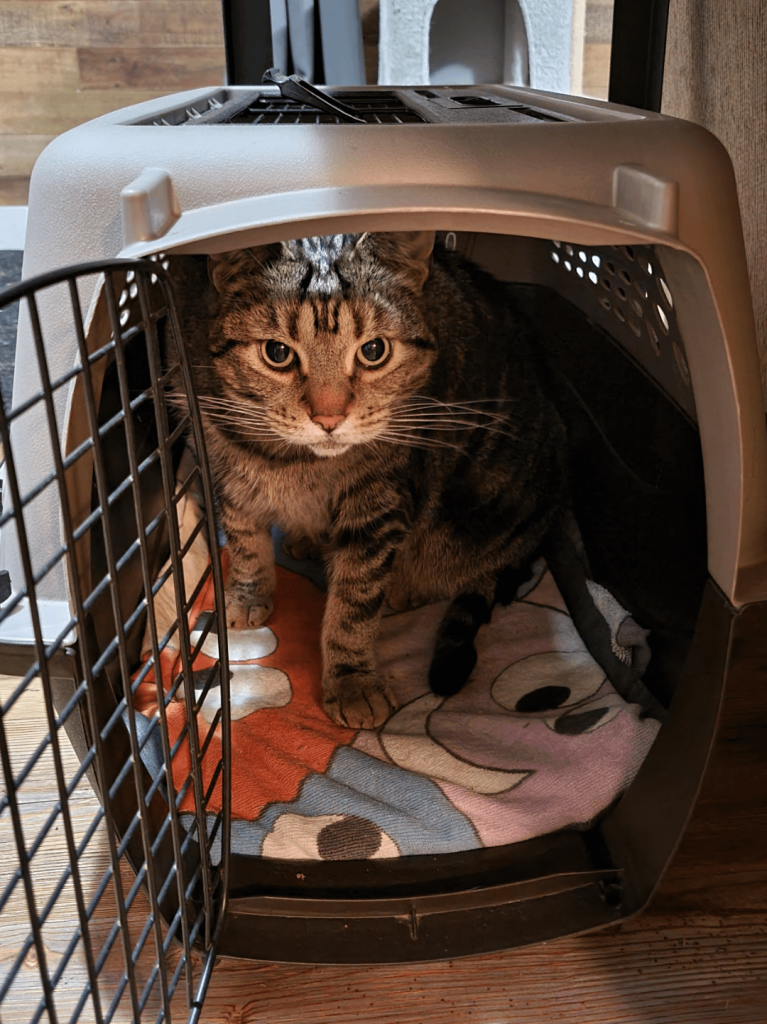
If you’ve ever wondered how to crate train a cat, you’re not alone. Many cat owners find the idea challenging, but with the right approach, your feline friend can learn to feel safe and comfortable in a crate.
Imagine having a stress-free way to travel, visit the vet, or create a cozy space for your cat—all without the usual hassle. In this guide, you’ll discover simple, effective steps to make crate training easy for both you and your cat.
Keep reading, and you’ll unlock tips that can transform your cat’s behavior and your peace of mind.
Benefits Of Crate Training Cats
Crate training your cat can bring a surprising number of benefits to both you and your furry friend. It creates a safe space where your cat feels secure and calm. This sense of security helps reduce stress, especially during travel or vet visits.
Many pet owners worry that a crate might feel like a prison to their cat, but when introduced properly, it becomes a cozy retreat. Imagine giving your cat a personal den that they actually choose to spend time in. Wouldn’t that make managing your pet’s day-to-day life easier?
Provides A Safe And Comfortable Space
Your cat needs a spot where they can escape noise, strangers, or other pets. A crate offers this refuge, helping your cat feel protected and less anxious.
Once your cat associates the crate with comfort, it becomes a go-to place for rest. This helps prevent hiding in unsafe or hard-to-reach areas around your home.
Helps With Travel And Vet Visits
Traveling with cats can be stressful for both of you. A crate-trained cat is calmer during car rides and airplane trips because they recognize the crate as a safe zone.
Visits to the vet become less traumatic when your cat is already comfortable in a crate. This reduces the struggle for you and the vet staff.
Assists In Managing Behavior And Safety
Crate training helps you control your cat’s environment, especially when you can’t supervise. This keeps your cat away from dangerous items or areas during your absence.
It also supports behavior training by giving your cat a consistent place to calm down when overstimulated or nervous.
Makes Introducing New Pets Easier
Bringing a new pet home can be overwhelming for your cat. Using a crate allows your cat to observe new animals safely without feeling threatened.
This gradual introduction reduces stress and helps build positive relationships between pets in your household.
Choosing The Right Crate
Choosing the right crate is the first step in making crate training a positive experience for your cat. The crate should feel like a safe space, not a confinement. Selecting the right size and materials can influence how quickly your cat accepts the crate as their own.
Size And Material
Your cat needs enough room to stand, turn around, and lie down comfortably inside the crate. Avoid crates that are too large, as too much space might make your cat feel insecure. A snug but spacious crate creates a cozy environment that encourages your cat to settle in.
Material matters as well. Plastic crates offer a sense of enclosure, which many cats prefer, while metal crates provide better ventilation and visibility. If your cat is nervous, a plastic crate with a solid door might feel safer. Consider your cat’s personality and habits when choosing.
Comfort And Safety Features
Adding soft bedding inside the crate makes a big difference. Cats love softness, and a familiar blanket or cushion can help them associate the crate with comfort. Pay attention to washable materials to keep the crate clean and inviting.
Safety features such as secure latches and smooth edges protect your cat from injury and prevent escapes. Some crates have removable trays, which make cleaning easier and keep the crate hygienic. Can your crate withstand curious paws and potential scratching? Choosing a durable, safe crate means fewer worries for you and a more relaxed cat.
Preparing The Crate
Preparing the crate is the first step in helping your cat feel safe and comfortable. The crate should become a cozy spot your cat wants to enter. A well-prepared crate encourages your cat to explore it without fear.
Adding Bedding And Toys
Soft bedding makes the crate inviting and warm. Use a small blanket or cushion that smells like home. This helps your cat relax inside the crate.
Toys can make the crate fun. Choose your cat’s favorite toys or new ones to spark curiosity. A small ball or a stuffed mouse works well. Avoid noisy or scary toys that might frighten your cat.
Location For The Crate
Place the crate in a quiet, low-traffic area. Cats like calm spots where they can rest undisturbed. Avoid busy rooms or places with loud noises.
Keep the crate near where your cat spends time. This helps your cat feel included and safe. A spot with natural light is ideal but not in direct sunlight.

Credit: theoreticallyteddy.com
Introducing Your Cat To The Crate
Introducing your cat to a crate can be a smooth process if you approach it with patience and care. The goal is to make the crate feel like a safe and inviting space rather than a place of confinement. How your cat first experiences the crate will shape their attitude toward it, so setting the right tone is essential.
Encouraging Exploration
Start by placing the crate in a familiar room where your cat spends a lot of time. Leave the door open to encourage curiosity without pressure. Cats are naturally curious, so they will likely investigate on their own if you make the crate look cozy.
You can add a soft blanket or a favorite toy inside to make the space more appealing. Avoid forcing your cat inside; instead, let them enter and exit freely during these initial introductions. Have you noticed how your cat reacts to new objects at home? Use those reactions to guide your pace.
Using Treats And Positive Reinforcement
Treats are powerful tools to create positive associations with the crate. Place small, tasty treats just inside the entrance to encourage your cat to step in. Gradually move the treats further inside as your cat becomes more comfortable.
Speak gently and praise your cat warmly when they approach or enter the crate. This positive reinforcement builds trust and helps your cat see the crate as a rewarding place. Have you tried pairing treats with gentle petting or a calm voice? Many cats respond well to this combined approach.
Gradual Crate Training Steps
Gradual crate training is key to helping your cat feel safe and comfortable inside a crate. Rushing the process can cause stress and resistance. Instead, taking small, manageable steps will help your cat build positive associations with the crate over time.
Short Stays Inside
Start by encouraging your cat to enter the crate on their own. Place treats or favorite toys just inside the door to spark curiosity. Let your cat explore the crate freely without closing the door at first.
Once your cat is comfortable going inside, close the door for just a few seconds. Open it quickly and reward them immediately. This brief experience helps your cat realize the crate is not a trap.
Increasing Crate Time
Slowly extend the amount of time your cat spends inside the crate with the door closed. Add a cozy blanket or cushion to make the space inviting. Stay nearby and talk softly to reassure your cat.
Try leaving the crate door shut while you do simple tasks nearby. Notice how your cat reacts. If they stay calm, increase the duration in small increments. If they seem distressed, shorten the time and try again later.
Handling Resistance
Some cats resist crate training more than others. If your cat scratches or meows loudly, don’t force them inside. Instead, pause and return to earlier, easier steps.
Distract your cat with treats or play near the crate to rebuild positive feelings. You might also try placing the crate in a quieter area if noise is upsetting your cat. Patience and consistency are your best tools here.
Common Challenges And Solutions
Crate training a cat can come with its own set of hurdles. Understanding common challenges helps you stay patient and find the right approach. Let’s look at some issues you might face and practical ways to solve them.
Anxiety And Stress
Cats often feel anxious around crates because they see them as small, unfamiliar spaces. You might notice your cat pacing, meowing loudly, or trying to escape. These signs mean your cat needs more time to adjust.
Start by leaving the crate open in a quiet room. Place soft blankets and some of your cat’s favorite toys inside to make it inviting. You can also feed your cat near or inside the crate to create positive experiences.
Have you tried sitting near the crate while petting your cat? Your calm presence can reduce stress and build trust. Remember, rushing the process can make anxiety worse, so let your cat explore at their own pace.
Avoiding Negative Associations
Cats quickly link bad experiences to places or objects. If you force your cat into the crate or use it only for trips to the vet, it might develop a negative association. This makes future crate training harder.
Try to use the crate for more than just travel or vet visits. Make it a part of daily life by encouraging your cat to nap or play inside. Adding treats or a piece of your worn clothing can also create comfort.
Pay attention to your cat’s reactions. If you notice signs of stress like hiding or hissing, slow down and change your approach. How can you turn the crate into a safe haven rather than a source of fear?
Using The Crate For Travel And Vet Visits
Using a crate for travel and vet visits can make these experiences much smoother for both you and your cat. It offers a safe space that helps reduce stress and prevents your cat from escaping in unfamiliar places. However, preparing your cat to feel comfortable in the crate during these outings takes careful steps.
Preparing For Trips
Start by placing the crate in a familiar area with the door open so your cat can explore it freely. Add a soft blanket or their favorite toy inside to create a cozy, inviting space.
Practice short trips around the house or neighborhood before longer journeys. This helps your cat associate the crate with positive experiences, not just vet visits or car rides.
Make sure the crate is the right size—large enough for your cat to turn around comfortably but snug enough to feel secure. Check that it’s well-ventilated and sturdy.
Keeping Your Cat Calm
During travel or vet visits, keep the environment as calm as possible. Speak softly to your cat and avoid sudden movements that might startle them.
If your cat enjoys treats, bring some along to offer occasional rewards. You can also cover the crate with a light towel to reduce visual stimuli and help your cat relax.
Consider pheromone sprays designed to calm cats inside the crate before you start the trip. These sprays can make a noticeable difference in reducing anxiety.
Have you noticed how your cat reacts to new environments? Observing these reactions can guide you in adjusting your approach to crate training for travel. What small change can you make today to ease your cat’s next outing?

Credit: www.catbosstv.com
Maintaining Crate Training Long-term
Keeping your cat comfortable and happy in their crate over the long term takes attention and care. The goal is to make the crate a safe space your cat chooses to be in, not a place they feel forced into. This means regularly revisiting their routine and adjusting to what your cat prefers and needs.
Regular Crate Time
Set aside consistent times each day for your cat to enjoy their crate. This could be during quiet moments when you’re reading or working nearby. By making crate time predictable, your cat learns to associate it with calm and relaxation.
Try to keep these sessions short but enjoyable. Add treats, toys, or soft bedding to encourage your cat to stay happily inside. Have you noticed how your cat reacts after these sessions? Their body language can tell you if the crate still feels like a safe haven.
Adjusting To Your Cat’s Needs
Every cat is different. Some may love spending hours in their crate, while others prefer brief visits. Pay attention to your cat’s behavior and adjust accordingly.
If your cat seems restless or avoids the crate, try changing the setup. Maybe add a favorite blanket or position the crate near a window. You might also need to shorten crate time or change the location if your cat feels isolated.
Ask yourself: Is the crate meeting your cat’s comfort and security needs? Small tweaks can make a big difference in maintaining a positive experience over time.

Credit: www.aaha.org
Frequently Asked Questions
How Long Does Crate Training A Cat Take?
Crate training a cat usually takes 1 to 3 weeks. Consistency and patience are key. Gradually increase crate time to help your cat adjust comfortably.
Can Crate Training Reduce Cat Anxiety?
Yes, crate training can reduce anxiety by creating a safe space. It helps cats feel secure during travel or stressful situations.
What Size Crate Is Best For Cats?
Choose a crate large enough for your cat to stand, turn, and lie down comfortably. Proper size ensures comfort and ease during training.
Should I Use Treats During Crate Training?
Using treats positively reinforces crate training. Reward your cat when they enter or stay calm in the crate to encourage good behavior.
Conclusion
Crate training a cat takes time and patience. Start slow and let your cat explore at its own pace. Use treats and gentle words to encourage good behavior. Keep the crate comfortable and safe. Regular short sessions work better than long ones.
Stay calm and positive throughout the process. Soon, your cat will see the crate as a cozy space. This helps with travel, vet visits, and safety. Remember, every cat is different. Adjust your approach to fit your cat’s needs. Consistency and kindness make all the difference.
