


Are you struggling with a mischievous feline friend who seems to have made a hobby out of knocking things over, scratching your favorite furniture, or ignoring the litter box? You’re not alone.
Many cat owners face similar challenges, and the good news is that you can turn things around. Understanding why your cat behaves the way they do is the first step in transforming chaos into calm. You’ll discover practical tips and proven strategies to correct bad cat behavior.
Imagine a home where your cat is happy, and you are stress-free. Intrigued? Let’s dive into the secrets of fostering a harmonious relationship with your furry companion!

Credit: icatcare.org
Common Bad Behaviors In Cats
Understanding common bad behaviors in cats is the first step to improving your relationship with your furry friend. Cats communicate through their actions, but sometimes their behavior can be frustrating or confusing. Identifying these behaviors helps you address the root causes effectively and create a happier home for both of you.
Scratching Furniture
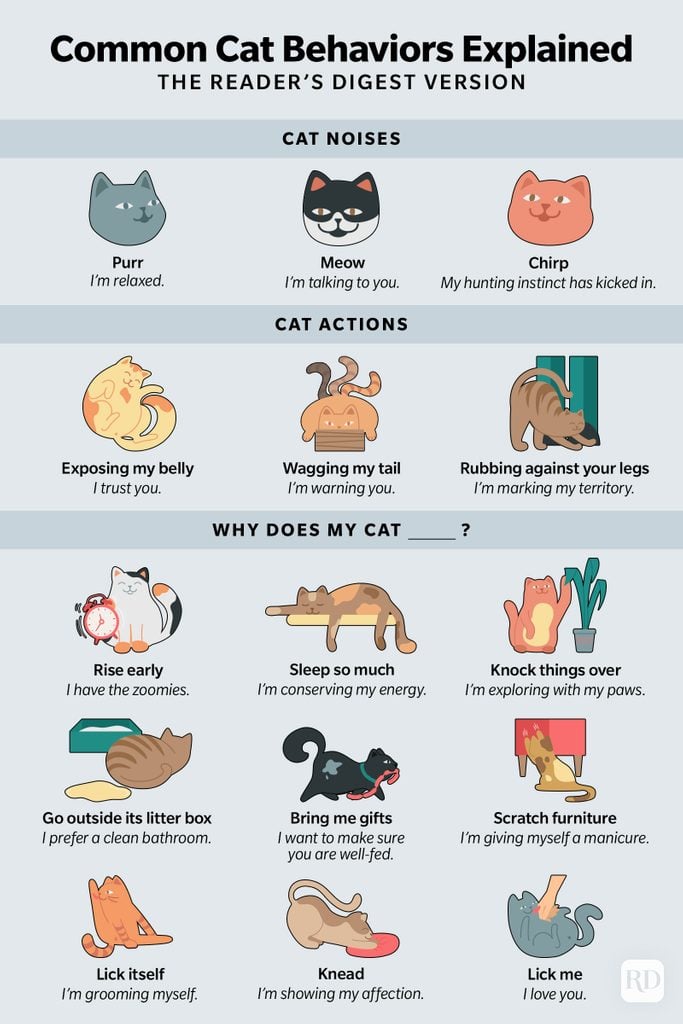
Scratching is a natural instinct for cats to mark territory and keep their claws healthy. However, when your cat chooses your sofa or curtains, it can feel like a personal attack. Have you tried offering scratching posts or pads in different rooms? Cats often prefer vertical surfaces, so placing these near their favorite hangouts can redirect their scratching away from your furniture.
Using catnip or treats on scratching posts can encourage use. If you catch your cat in the act, gently redirect them rather than punish. Consistency is key to changing this behavior.
Aggression Towards People Or Pets
Aggression can show up as biting, swatting, or hissing. It often comes from fear, stress, or overstimulation. Does your cat suddenly lash out during play or when being petted? Recognizing triggers like loud noises or unfamiliar animals can help you manage their environment better.
Try short, calm interactions and reward gentle behavior with treats. If your cat is aggressive toward other pets, slow introductions and separate spaces can reduce tension.
Litter Box Problems
When cats avoid their litter box, it’s usually a sign of discomfort or stress. Have you noticed if the box is clean enough or placed in a quiet spot? Cats dislike dirty boxes or locations with heavy foot traffic.
Experiment with different litter types or add more boxes if you have multiple cats. Sometimes, medical issues cause litter box avoidance, so a vet visit is a smart move if problems persist.
Excessive Meowing
Some cats meow a lot to get attention, express hunger, or signal discomfort. Is your cat vocalizing more at certain times or after changes at home? Observing the pattern can reveal what they want.
Respond with calm attention but avoid reinforcing meowing by giving in every time. Setting regular feeding and playtimes helps your cat feel secure and may reduce the noise.
Nighttime Activity
Many cats are naturally more active at night, which can disrupt your sleep. Does your cat race around or demand attention when you’re trying to rest? This behavior often stems from boredom or pent-up energy.
Try interactive play sessions before bedtime to tire your cat out. Providing toys and a cozy sleeping area can encourage quieter nights for both of you.
Credit: pethelpful.com
Reasons Behind Bad Behavior
Understanding why cats behave badly helps in correcting their actions. Cats show bad behavior for many reasons. Some causes are easy to fix. Others need more attention and care. Knowing the root of the problem makes training easier and more effective.
Stress And Anxiety
Cats feel stress from changes in their environment. Moving to a new home can scare them. Loud noises or new pets cause anxiety. Stress makes cats act out by scratching or hiding. Calm surroundings help reduce their worry.
Lack Of Stimulation
Bored cats often cause trouble. Without toys or playtime, they get restless. They may scratch furniture or meow loudly. Providing toys and regular play keeps them busy. Mental and physical exercise stops bad habits.
Medical Issues
Health problems can cause strange behavior. Pain or discomfort makes cats irritable. Urine marking or aggression may signal illness. A vet check is important to rule out sickness. Treating medical issues improves behavior quickly.
Territorial Instincts
Cats protect their space strongly. New animals or people may threaten them. They mark territory by spraying or scratching. Understanding this natural instinct helps manage behavior. Creating safe zones reduces territorial disputes.
Immediate Steps To Correct Behavior
Correcting bad cat behavior requires swift and clear actions. Immediate steps help your cat understand which behaviors are unwanted. Acting quickly prevents bad habits from forming. The key is to guide your cat gently toward better actions.
Redirecting Attention
Redirect your cat’s focus from bad behavior to a positive activity. Offer a toy or playtime to distract them. This stops unwanted actions without punishment. Redirection teaches your cat what is acceptable to do.
Using Positive Reinforcement
Reward good behavior with treats, petting, or praise. Positive reinforcement encourages your cat to repeat good actions. Avoid yelling or punishment, which can scare your cat. Rewards build trust and help your cat learn faster.
Setting Boundaries
Clear boundaries show your cat where they can and cannot go. Use gentle deterrents like double-sided tape or safe sprays on off-limit areas. Remove temptations such as food or fragile items. Boundaries make your home safe and your cat well-behaved.
Consistency In Training
Be consistent with rules and responses to behavior. All family members should follow the same guidelines. Consistency helps your cat understand expectations clearly. Regular routines make training easier and more effective.
Environmental Changes That Help
Changing your cat’s environment can have a huge impact on improving their behavior. Cats react strongly to their surroundings, so small tweaks can reduce stress and unwanted actions. Think about your cat’s daily life and what might be missing or overwhelming.
Providing Scratching Posts
Scratching is a natural need for cats, but it can become a problem if they target your furniture. Adding scratching posts in different rooms gives them a proper outlet. Place posts near their favorite spots and where they usually scratch.
Try various types—carpeted, sisal, or cardboard—to see what your cat prefers. You might be surprised how quickly they switch to the new posts when you reward them with treats or attention.
Creating Safe Spaces
Cats need places where they feel secure and can retreat when stressed. Designate quiet corners with soft bedding or a cozy cat cave. These spots should be away from loud noises and busy areas.
Have you noticed your cat hiding under furniture or in closets? That’s their way of seeking safety. By offering a dedicated space, you help them relax and reduce anxiety-driven behaviors like aggression or excessive meowing.
Interactive Toys And Playtime
Many bad behaviors stem from boredom and excess energy. Interactive toys like laser pointers, feather wands, or puzzle feeders keep your cat engaged. Regular play sessions not only entertain but also build your bond.
Set aside 10-15 minutes a few times a day to play actively with your cat. You’ll see less destructive behavior as their need to hunt and explore gets fulfilled.
Adjusting Feeding Schedules
Feeding your cat at consistent times can create a sense of routine and calm. Avoid free-feeding, which may lead to overeating or food-related aggression. Instead, split meals into smaller portions throughout the day.
Have you tried timed feeders? They can encourage your cat to focus on mealtime and reduce begging behaviors. A well-fed cat is often a happier and better-behaved cat.
Training Techniques That Work
Training your cat to stop bad behaviors takes techniques that respect their nature. Cats respond best to clear communication and positive experiences. Using effective training methods can strengthen your bond and create a happier home for both of you.
Clicker Training
Clicker training uses a small device that makes a clicking sound to mark good behavior. The click is followed by a treat, helping your cat connect the sound with a reward. This method works well because cats quickly learn to associate the click with something positive.
Try clicking right when your cat does what you want, like sitting calmly or using a scratching post. This precise timing helps your cat understand exactly which action earns the reward. Have you noticed how your cat’s focus sharpens when you use the clicker?
Reward-based Methods
Using treats, praise, or playtime as rewards encourages your cat to repeat good behavior. Cats are motivated by what they enjoy, so find out what your cat loves most. It could be a favorite snack, a gentle pet, or a fun toy.
Offer rewards immediately after the behavior you want to encourage. This clear connection helps your cat learn faster. Remember, consistency is key—rewarding good behavior every time helps build strong habits.
Avoiding Punishment
Punishing your cat can cause fear and damage your relationship. Instead of scolding or using sprays, redirect bad behavior to a positive alternative. For example, if your cat scratches furniture, provide a scratching post nearby and reward its use.
Ask yourself: does punishment teach your cat what to do, or just what not to do? Focusing on positive guidance helps your cat feel safe and willing to learn. You’ll see better results when you focus on encouragement rather than fear.
Patience And Persistence
Changing bad behavior doesn’t happen overnight. It takes time and repeated effort for your cat to learn new habits. Celebrate small wins and stay calm when progress is slow.
Your patience shows your cat that you’re a reliable partner. Keep sessions short and fun to maintain your cat’s interest. How will you stay motivated through the ups and downs of training?
Credit: www.rd.com
When To Seek Professional Help
Bad behavior in cats can sometimes signal deeper issues. Recognizing when to seek professional help is important. Early intervention can prevent problems from worsening. Persistent aggression, sudden changes, or anxiety may need expert attention.
Experts can provide tailored advice and treatment plans. They understand cat behavior and health better. Professional help improves your cat’s wellbeing and your bond.
Behavioral Specialists
Behavioral specialists focus on understanding and changing cat behavior. They observe patterns and triggers causing problems. Specialists teach owners techniques to manage and redirect unwanted actions. Their guidance can resolve issues like aggression, scratching, and litter box avoidance.
Veterinarian Consultation
Veterinarians check for medical causes behind behavior changes. Pain, illness, or discomfort often affect how cats act. A vet exam rules out health problems that mimic bad behavior. They also advise on diet, environment, and stress reduction.
Medication Options
Some cats benefit from medication to ease anxiety or mood disorders. Vets prescribe safe drugs to calm nerves or reduce aggression. Medication supports training and behavior therapy in difficult cases. It should always be used under professional supervision.
Frequently Asked Questions
How Can I Stop My Cat From Scratching Furniture?
Provide scratching posts and use deterrents like double-sided tape. Trim your cat’s nails regularly and reward good behavior to redirect scratching.
Why Does My Cat Bite Me Unexpectedly?
Cats may bite due to overstimulation, fear, or play aggression. Watch their body language and avoid rough play to reduce biting incidents.
What Causes A Cat To Spray Indoors?
Indoor spraying is often a sign of stress, marking territory, or medical issues. Consult a vet and reduce stressors to manage spraying.
How Do I Train My Cat To Stop Jumping On Counters?
Use consistent deterrents like aluminum foil or citrus scents. Reward your cat for staying off counters and provide alternative elevated spaces.
Conclusion
Correcting bad cat behavior takes time and patience. Stay calm and consistent with your training. Reward good actions and gently discourage bad ones. Understand your cat’s needs and feelings. Small changes can lead to big improvements. Enjoy the process of building trust and respect.
Your cat will become a happier, better-behaved friend. Keep learning and adapting to help your cat grow. Good habits create a peaceful home for both of you.
