

Are you passionate about cats and want to turn that love into a rewarding career? Becoming a cat groomer could be the perfect path for you.
Imagine spending your days caring for furry friends, helping them look and feel their best. But how do you start? What skills do you need, and what steps should you take? You’ll discover everything you need to know to become a confident and skilled cat groomer.
Keep reading to unlock the secrets that will set you apart and get you on the right track quickly. Your future as a trusted cat groomer begins here.

Credit: nekomori.co
Skills Needed For Cat Grooming
Becoming a skilled cat groomer requires more than just knowing how to use clippers or brushes. You need a unique combination of patience, understanding, and practical know-how to handle cats safely and effectively. Developing these skills will not only improve your grooming results but also build trust with your feline clients and their owners.
Patience And Gentleness
Cats often feel stressed during grooming. You must remain calm and gentle to help them relax. Rushing or using force can lead to scratches or fearful behavior, which makes grooming harder next time.
Think about a time you were nervous about a new experience. How did a calm approach help you feel better? Applying that same patience to cats can transform the grooming process.
Knowledge Of Cat Behavior
Understanding how cats communicate is essential. You’ll need to read body language like tail flicks, ear positions, and vocalizations to know when a cat feels comfortable or stressed.
For example, a flicking tail usually means irritation, so you might pause and give the cat a break. Recognizing these signs helps you avoid conflict and keeps grooming sessions smooth.
Basic Grooming Techniques
Mastering basic grooming skills is the foundation of your work. This includes brushing, nail trimming, ear cleaning, and gentle bathing. Each technique requires specific tools and a steady hand.
Practice on different coat types—from short-haired to long-haired cats—to understand what works best. How do you adjust your approach when dealing with a cat that dislikes water or struggles with nail trimming?
Training And Certification Options
Training and certification are key when you want to become a skilled cat groomer. They not only build your confidence but also make clients trust your expertise. Understanding your options can help you choose the best path to develop your skills efficiently and professionally.
Formal Grooming Courses
Formal grooming courses offer hands-on training that covers all aspects of cat grooming, from basic hygiene to handling difficult breeds. These courses often take place at grooming schools or vocational centers. You get to practice with real cats under expert supervision, which accelerates your learning.
Some programs also teach you how to maintain grooming tools and recognize signs of health issues in cats. This knowledge is crucial if you want to provide safe and thorough grooming services. Would you feel more confident learning directly from professionals and getting immediate feedback on your technique?
Online Learning Resources
If you prefer learning at your own pace, online resources can be very helpful. You can find video tutorials, webinars, and detailed guides focusing specifically on cat grooming. These materials allow you to revisit complex techniques whenever you need a refresher.
Many online platforms also offer interactive forums where you can ask questions and share experiences with other aspiring groomers. This creates a supportive community and helps you solve problems you might encounter. Have you considered how flexible online learning could fit into your busy schedule?
Certification Benefits
Getting certified can significantly boost your credibility as a cat groomer. Certifications demonstrate your commitment to professionalism and your mastery of grooming skills. They often lead to better job opportunities and higher client trust.
Some certifications require passing both written and practical exams, ensuring you meet industry standards. You might also find that certified groomers tend to charge more for their services, reflecting their higher skill level. Would investing in certification be worth the potential increase in your earnings and reputation?
Essential Grooming Tools
Having the right tools can make a huge difference in your cat grooming experience. Essential grooming tools not only make the process smoother but also keep your feline friends comfortable and safe. Understanding which tools to use and why they matter will help you build confidence and efficiency as a cat groomer.
Brushes And Combs
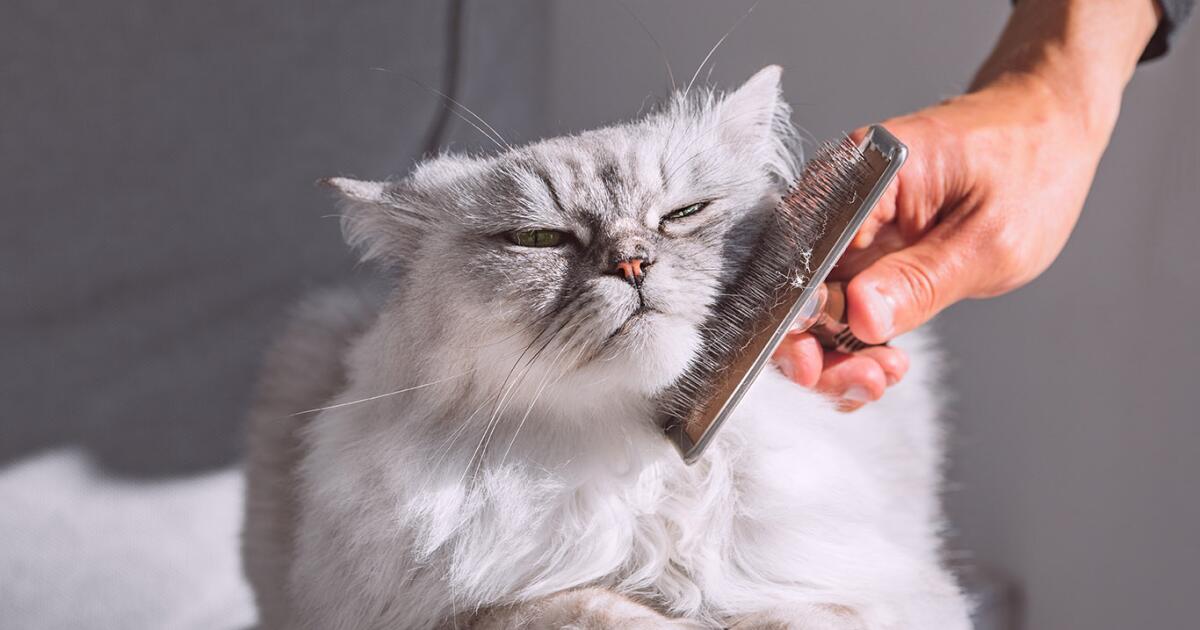
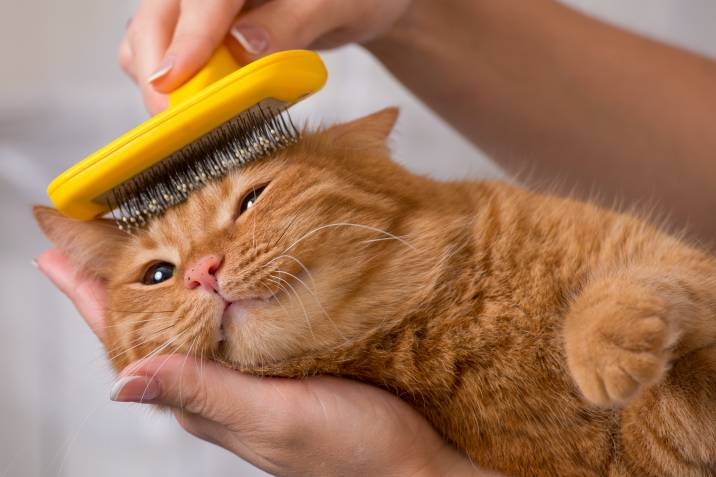
Choosing the right brushes and combs is key to managing different cat fur types. A slicker brush is great for removing loose fur and tangles, especially in long-haired cats. Meanwhile, a fine-toothed comb can help you spot and remove fleas or debris.
Think about your own experience with cats: have you noticed how some prefer gentle brushing while others tolerate a firmer touch? This shows why having a variety of brushes ready is important for adapting to each cat’s needs.
Nail Clippers And Trimmers
Trimming nails is essential for a cat’s health and comfort, but it requires the right tools. Use sharp, cat-specific nail clippers to avoid crushing or splintering the nails. Rounded-tip trimmers can also prevent accidental cuts during the grooming session.
Ask yourself: how do you keep a cat calm during nail trimming? Using the proper clippers makes the process quicker and less stressful, benefiting both you and the cat.
Bathing Supplies
Bathing a cat needs more than just water and soap. A gentle, cat-safe shampoo is a must to avoid irritating their sensitive skin. Additionally, having a non-slip mat and soft towels ready will keep your cat steady and comfortable during the bath.
Have you ever noticed how slippery cats get when wet? A non-slip surface prevents slips and helps maintain control. This simple addition can change the whole bathing experience for the better.
Credit: www.latimes.com
Building Experience
Gaining hands-on experience is essential to becoming a skilled cat groomer. It’s not just about knowing the theory but applying your skills in real situations. Building experience helps you understand different cat temperaments and grooming needs, making you more confident and efficient.
Practice On Different Cat Breeds
Each cat breed has unique fur types, skin sensitivities, and grooming requirements. Trying your skills on a variety of breeds teaches you how to handle long-haired Persians differently from short-haired Bengals.
Ask cat owners if you can practice basic grooming tasks like brushing, nail trimming, or bathing their cats. This variety builds your adaptability and sharpens your technique.
Volunteering Opportunities
Animal shelters and rescue centers often need volunteers to help with grooming. Volunteering here exposes you to cats with diverse backgrounds and sometimes challenging behaviors.
Working in these settings can improve your patience and problem-solving skills, which are crucial when grooming nervous or uncooperative cats.
Apprenticeships With Professionals
Learning directly from experienced groomers offers insights you won’t find in books or videos. An apprenticeship lets you observe professional techniques and understand business aspects like client communication and safety protocols.
During my apprenticeship, I learned how to calm a scared cat before even touching the clippers. This experience was invaluable and boosted my confidence significantly.
Starting Your Cat Grooming Business
Starting a cat grooming business requires careful planning and dedication. You need a safe and clean space to work. Attracting clients is key. Setting fair prices helps build trust. Each part plays a role in your success.
Setting Up A Grooming Space
Choose a quiet, well-lit area for grooming. The space should be easy to clean. Use non-slip mats to keep cats safe. Have grooming tools organized and within reach. A calm environment helps reduce cat stress. Ensure good ventilation and proper lighting.
Marketing And Client Acquisition
Build a simple website with your services and contact info. Use social media to share pictures and client reviews. Join local pet groups and community events. Offer first-time client discounts or referral bonuses. Ask happy clients to spread the word. Clear communication builds trust and loyalty.
Pricing Your Services
Research local grooming prices to stay competitive. Consider time, supplies, and your skill level. Offer different packages for basic and full grooming. Be transparent about costs and any extra fees. Adjust prices as your experience grows. Fair pricing attracts and keeps clients.
Handling Challenging Cats
Handling challenging cats is a key skill for any cat groomer. Some cats feel scared or stressed during grooming. They may scratch, bite, or try to run away. Understanding how to calm these cats helps keep everyone safe. It also makes the grooming process smoother and less stressful for the cat.
Calming Techniques
Speak softly and move slowly around the cat. Avoid sudden movements that might scare them. Use gentle petting to build trust. A warm towel can help the cat feel safe and secure. Offer treats to reward calm behavior. Take breaks if the cat seems overwhelmed. Play soft music to create a relaxing atmosphere.
Safety Precautions
Wear protective gloves and long sleeves to avoid scratches. Use a grooming table with a non-slip surface. Secure the cat gently with a grooming harness or towel wrap. Keep your tools within reach to avoid leaving the cat unattended. Watch the cat’s body language for signs of stress. Never force a cat to stay if it struggles too much.
When To Refer To A Vet
Refer to a vet if the cat shows signs of pain or illness. Look for unusual lumps, wounds, or skin infections. If a cat is extremely aggressive or fearful, a vet may suggest behavior help. Some cats might need sedation before grooming. Always prioritize the cat’s health and well-being above grooming needs.
Staying Updated In The Industry
Staying updated in the cat grooming industry is crucial for building a successful career. The grooming world constantly evolves with new techniques, tools, and safety standards. If you want to offer the best service and keep your skills sharp, staying informed is not optional—it’s essential.
Joining Professional Associations
Professional associations connect you to a community of experts who share your passion for cat grooming. These groups often provide access to exclusive resources, certification programs, and industry news.
Being part of an association can open doors to mentorship and networking opportunities. Imagine learning a new grooming style directly from a seasoned professional who understands the unique needs of different cat breeds. Wouldn’t that give you a competitive edge?
Attending Workshops And Seminars
Workshops and seminars offer hands-on experience that books and videos can’t match. They allow you to practice new skills under expert guidance and receive immediate feedback.
Look for local or online events focused on cat grooming techniques, safety practices, and customer service. Have you considered how attending a workshop on handling anxious cats could improve your confidence and client satisfaction?
Following Trends And Innovations
The grooming industry doesn’t stand still. New products, tools, and grooming styles emerge regularly. Keeping an eye on these changes helps you stay relevant and meet client expectations.
Subscribe to grooming magazines, follow industry leaders on social media, and join forums where professionals discuss the latest trends. What’s the newest grooming tool that could save you time or make a cat’s experience more comfortable?
Credit: www.airtasker.com
Frequently Asked Questions
What Skills Are Needed To Become A Cat Groomer?
Cat groomers need patience, attention to detail, and good communication skills. They must handle cats gently and confidently. Knowledge of cat behavior and grooming tools is essential for safety and quality service.
How Long Does Cat Groomer Training Take?
Training duration varies, typically lasting from a few weeks to several months. It includes hands-on practice and learning grooming techniques. Certification programs can enhance credibility but are not always mandatory.
What Equipment Is Essential For Cat Grooming?
Basic tools include clippers, grooming scissors, brushes, and nail trimmers. Safety gloves and calming sprays may also be used. Proper equipment ensures efficient and safe grooming sessions.
Can Cat Groomers Work Independently Or In Salons?
Cat groomers can work independently, in pet salons, or veterinary clinics. Many start with salons to gain experience before opening their own business. Flexibility in work settings is common in this field.
Conclusion
Becoming a cat groomer takes patience and practice. Learn the basics well and keep improving your skills. Work gently and build trust with each cat. Find good training and real experience to grow. Stay calm, kind, and careful every day.
This job can bring joy and new chances. Start small, stay steady, and enjoy the journey.
