

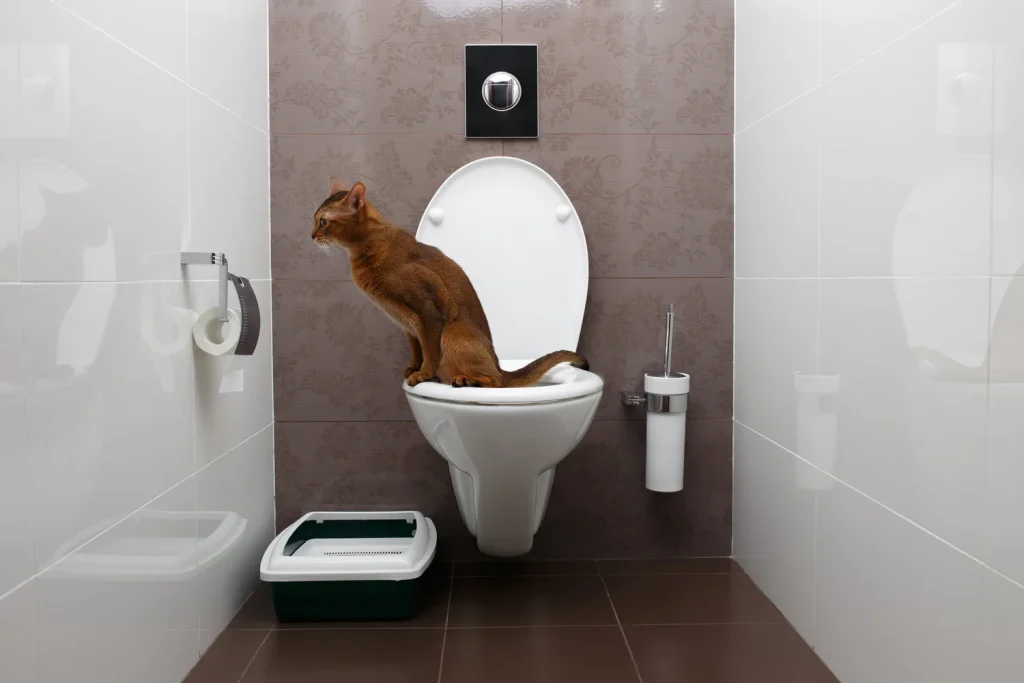
Are you tired of cleaning up after your cat’s messy litter box? Imagine teaching your cat to use the toilet like a pro—saving you time, money, and hassle.
Potty training a cat might sound impossible, but with the right steps, you can make it happen. You’ll discover easy and practical tips to guide your furry friend toward a cleaner, more convenient habit. Ready to transform your cat’s bathroom routine and enjoy a fresher home?
Keep reading to learn how!
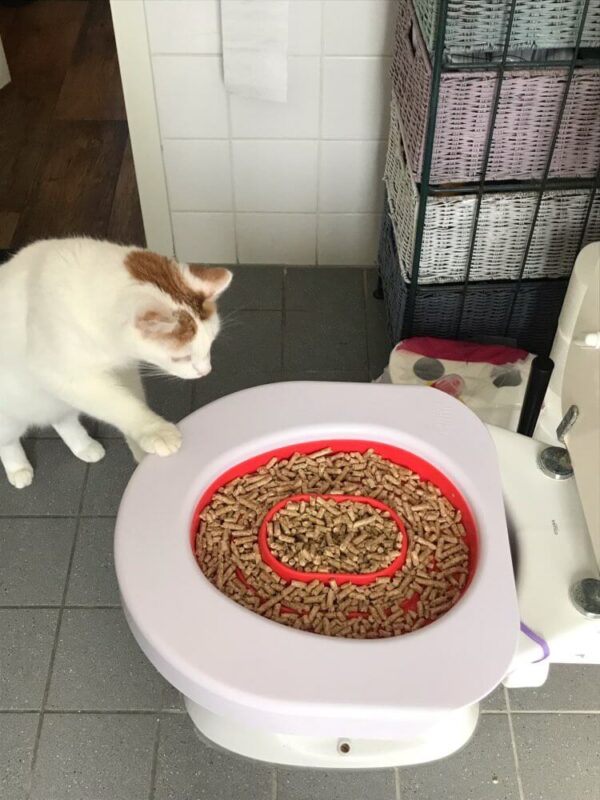
Credit: advantia.com.au
Choosing The Right Setup
Choosing the right setup is key to potty training a cat. A good setup makes the process smoother for both you and your cat. It creates a comfortable space that encourages your cat to use the toilet. The right tools and environment help your cat learn faster and with less stress.
Selecting A Suitable Toilet Trainer
Pick a toilet trainer designed for cats. Many trainers fit over a regular toilet seat. Some have removable trays to hold litter. Choose one that is easy to clean and sturdy. The trainer should match your cat’s size and comfort. Avoid trainers with sharp edges or unstable parts.
Preparing The Bathroom Environment
Keep the bathroom quiet and calm. Remove any clutter around the toilet. Make sure the toilet seat is always clean and dry. Place a small step stool near the toilet. This helps your cat climb up safely. Good lighting helps your cat see the toilet clearly.
Gathering Necessary Supplies
- Cat-friendly toilet trainer
- Cat litter suitable for toilet training
- Step stool or small ramp
- Cleaning wipes or spray
- Towels to catch spills
Having these supplies ready keeps the training on track. It also reduces accidents and messes. Prepare everything before you start training.
Introducing The Toilet Trainer
Introducing a toilet trainer for your cat is a pivotal moment in potty training. This special device helps your cat transition from the litter box to the toilet gradually and comfortably. It’s designed to fit securely on your toilet seat and usually has a removable insert for litter, making the process smooth and less intimidating for your pet.
Gradual Placement Near Litter Box
Start by placing the toilet trainer right next to your cat’s current litter box. This keeps the environment familiar and reduces stress. Your cat can explore the new setup without feeling forced to change habits instantly.
Keep the litter inside the trainer at first so your cat still feels comfortable digging and covering waste. You might notice your cat sniffing and cautiously stepping into the trainer — this curiosity is a positive sign. Let your cat take its time; rushing this step can cause resistance.
Encouraging Exploration And Familiarity
Encourage your cat to spend time around the toilet trainer by using positive reinforcement. Praise and gentle petting when your cat approaches the trainer can build positive associations. You can also try placing treats or toys near and eventually inside the trainer to spark interest.
Watch how your cat interacts with the trainer. Does it seem hesitant or curious? If hesitant, try sitting nearby and calmly showing that the trainer is safe. Your calm presence reassures your cat that this new object isn’t scary but part of its daily routine.
Have you noticed how cats love routine? Using the toilet trainer consistently in the same spot taps into this preference, making the transition smoother. Patience here pays off more than force or frustration ever will.
Step-by-step Training Process
Potty training a cat takes patience and clear steps to help your feline friend adjust smoothly. Each phase builds on the last, so moving too fast can cause confusion or setbacks. By breaking the process into manageable actions, you create a path your cat can follow confidently.
Transitioning From Litter Box To Trainer
Start by placing the potty trainer right next to your cat’s litter box. This familiar spot reduces stress and keeps your cat comfortable. Watch how your cat reacts—if they’re hesitant, give them time to explore the new object without pressure.
Try putting a small amount of their usual litter inside the trainer. This encourages your cat to recognize the trainer as a suitable place to go. Have you noticed how cats are drawn to familiar smells? Using their regular litter helps bridge the gap.
Adjusting Trainer Height Gradually
Once your cat uses the trainer comfortably on the floor, raise it slowly over several days. Increase the height by about an inch every two days, allowing your cat to adapt without stress. This gradual approach prevents fear or refusal to use the trainer.
Keep an eye on their behavior—if your cat seems uneasy or avoids the trainer, pause the height increase. Patience here pays off; rushing can undo progress. How does your cat respond to changes in their environment?
Reducing Litter Amount Over Time
After your cat is comfortable with the trainer’s height, start reducing the amount of litter inside it. Decrease the litter by small increments, which helps your cat adjust to the idea of using less litter gradually. This step is crucial for moving toward a litter-free potty.
Observe if your cat still goes in the trainer willingly. If they hesitate, add a bit more litter and slow down the reduction. Have you tried rewarding your cat with praise or treats during this phase? Positive reinforcement can make a big difference.
Handling Common Challenges
Potty training a cat can come with a few bumps along the way. Handling these challenges calmly and patiently helps your cat feel secure and speeds up the learning process. Let’s look at some common hurdles you might face and how to tackle them effectively.
Dealing With Resistance Or Fear
Some cats may initially resist using the toilet because it’s unfamiliar or intimidating. If your cat seems scared, try to make the training area as comfortable as possible. Soft lighting, quiet surroundings, and gentle encouragement work wonders.
Try spending time near the toilet with your cat, offering treats and praise when they show curiosity. Have you noticed how your cat responds to new experiences? Use those cues to adjust your approach.
Managing Accidents Effectively
Accidents are normal during potty training. Instead of punishing your cat, clean the area thoroughly with an enzyme cleaner to remove any lingering smell. This discourages repeat accidents in the same spot.
Observe if accidents happen in specific locations or times. This can hint at what your cat finds confusing or uncomfortable. Adjust your training setup accordingly to guide your cat back on track.
Keeping The Toilet Clean
Maintaining a clean toilet is key to encouraging your cat to use it consistently. Flush regularly and wipe the seat to remove any mess or odors that might deter your cat.
You might consider using a small, easy-to-clean training seat designed for cats. These can make the transition smoother and reduce mess. How often do you check your cat’s training setup? Frequent attention shows your cat you care about their comfort.
Maintaining Success Long-term
Maintaining success in potty training a cat requires patience and consistency. The initial training phase is just the start. Continuous effort ensures your cat stays confident and comfortable with its new habit. Reinforcement and observation play key roles in long-term success.
Reinforcing Positive Behavior
Reward your cat with treats or gentle praise after each successful use of the potty area. Keep the environment clean to encourage repeat behavior. Avoid punishment; it can cause stress and setbacks. Consistent rewards help your cat understand what you expect.
Recognizing When To Pause Or Adjust
Watch for signs of stress or confusion in your cat. Sudden accidents may mean the training needs a break or change. Adapt the training space if your cat seems uncomfortable. Be patient and ready to slow down if needed.
Tips For Multi-cat Households
- Provide multiple potty areas to prevent territorial issues.
- Keep each area clean and odor-free.
- Observe interactions between cats to avoid competition.
- Train each cat individually if possible for better focus.

Credit: www.amazon.com
Credit: www.whiskas.com.ph
Frequently Asked Questions
How Long Does It Take To Potty Train A Cat?
Potty training a cat usually takes 2 to 6 weeks. Consistency and patience speed up the process. Each cat learns at its own pace, so be patient and encouraging throughout training.
What Tools Do I Need For Cat Potty Training?
You’ll need a litter box, training seat, and cleaning supplies. A training seat fits on your toilet to help your cat adjust. Also, use enzymatic cleaners to remove accidents and prevent repeat mistakes.
Can All Cats Be Potty Trained Successfully?
Most cats can be potty trained, but success varies. Younger cats adapt faster, while older cats may resist change. Health and personality also affect training. Gentle, consistent methods increase the chances of success.
How Do I Start Potty Training My Cat?
Begin by placing the litter box near the toilet. Gradually raise the litter box height over days. Introduce the training seat when your cat is comfortable. Reward good behavior to encourage progress.
Conclusion
Potty training a cat takes time and patience. Start slow and keep sessions short. Praise your cat for good behavior. Expect some accidents along the way. Stay calm and avoid punishment. Consistency helps your cat learn faster. Use a clean, easy-to-reach toilet area.
Watch your cat’s signals closely. Every cat learns at its own pace. Soon, your cat will use the toilet confidently. Enjoy the benefits of a cleaner home. Potty training can strengthen your bond too. Keep trying, and success will come.
