

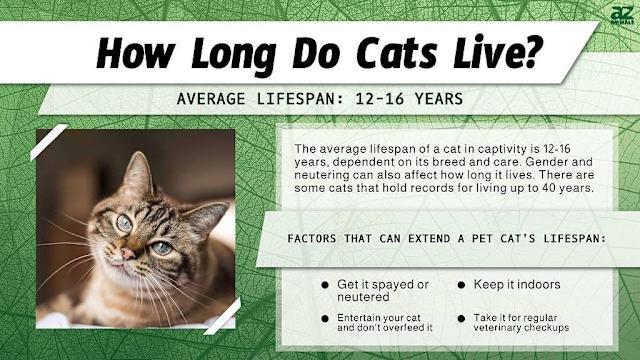
Are you wondering when the right time is to get your cat spayed? Knowing how old your cat needs to be before this important surgery can help you keep her healthy and happy.
Spaying at the right age not only prevents unwanted litters but also reduces the risk of serious health issues later on. If you want to make the best decision for your furry friend, keep reading—this guide will give you clear, simple answers to help you take care of your cat the way she deserves.

Credit: www.cdpa.ie
Ideal Age For Spaying Cats
Cats can be spayed as early as eight weeks old, but most vets recommend waiting until five to six months. Spaying before the first heat helps prevent unwanted litters and health issues. Timing depends on your cat’s health and vet advice.
The ideal age for spaying cats is a topic of great importance for pet owners who want to ensure the health and well-being of their feline companions. Spaying is a crucial procedure that not only helps in controlling the pet population but also provides numerous health benefits to your cat. Determining the right time for this surgery can impact your cat’s development and future health. By understanding the ideal age for spaying, you can make an informed decision that supports your cat’s long-term wellness.Early Spaying Benefits
Choosing to spay your cat early can lead to a range of benefits. Cats spayed before their first heat cycle have a significantly reduced risk of developing mammary tumors. Additionally, early spaying can prevent unwanted litters, helping to reduce the number of homeless cats. Moreover, early spaying can positively influence your cat’s behavior. Cats that are spayed before reaching sexual maturity tend to display fewer marking behaviors, such as spraying urine. This can lead to a more harmonious living environment for you and your feline friend.Common Age Ranges
Most veterinarians recommend spaying cats between 4 to 6 months of age. This time frame ensures that the cat is mature enough to handle the surgery but young enough to gain the maximum health benefits. However, there are situations where spaying can be done at different ages. Some shelters opt for early-age spaying as young as 8 weeks, especially for kittens being adopted. This practice helps ensure that all adopted cats are spayed, reducing the risk of adding to the population of stray cats.Veterinarian Recommendations
Veterinarians play a crucial role in guiding pet owners about the right time for spaying. They consider various factors such as the cat’s health, breed, and lifestyle when recommending the best age for the procedure. It’s important to have an open conversation with your veterinarian. Ask about the benefits and risks associated with spaying at different ages. Your vet will provide tailored advice that aligns with your cat’s specific needs and circumstances. Have you discussed spaying with your vet yet? Taking this step can make a huge difference in your cat’s health and your peace of mind.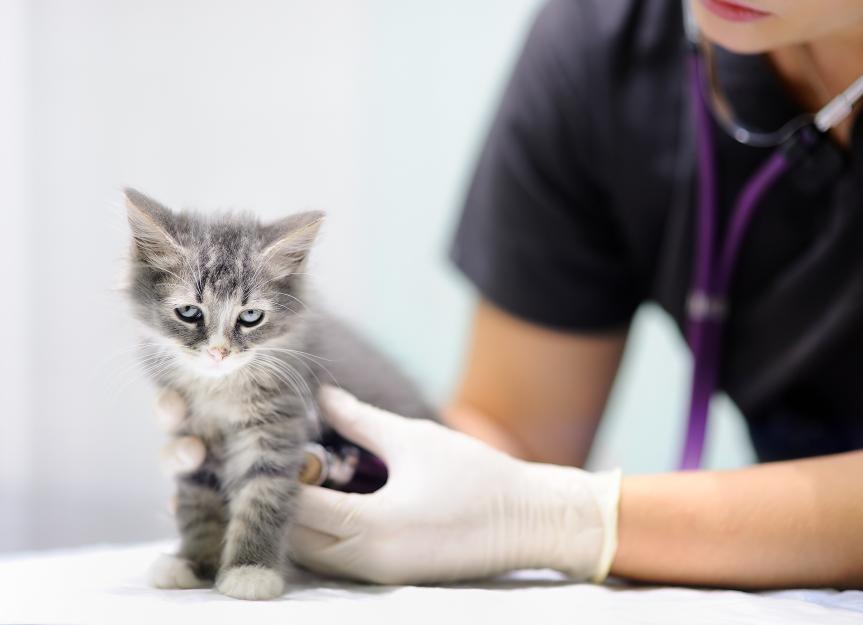
Credit: www.petmd.com
Health Factors Affecting Spay Timing
Deciding the right time to spay a cat depends on several health factors. These factors ensure the procedure is safe and effective. Each cat is unique, so understanding these elements helps in planning the surgery.
Physical Development
Cats need enough physical growth before spaying. Their organs must be mature to handle anesthesia and surgery. Spaying too early might affect their growth negatively. Most vets recommend waiting until the cat reaches a certain stage of development. This helps reduce surgery risks and supports better recovery.
Weight Considerations
A cat’s weight plays a big role in spay timing. Cats should weigh at least two pounds before surgery. Low weight can increase anesthesia risks and slow healing. Proper nutrition helps cats reach a healthy weight faster. Vets check weight to decide if the cat is ready for the procedure.
Pre-existing Health Conditions
Health issues may delay spaying. Conditions like infections or parasites must be treated first. Chronic illnesses also need monitoring before surgery. Vets perform health checks to find any problems. Ensuring good health lowers surgery complications and promotes smooth recovery.
Risks Of Spaying Too Early Or Too Late
Deciding the right time to spay your cat is crucial. Spaying too early or too late carries its own set of risks that can impact your cat’s health and well-being. Understanding these risks helps you make an informed decision that benefits your furry friend in the long run.
Complications From Early Spaying
Spaying a kitten too young can sometimes lead to developmental issues. Some studies suggest early spaying may affect bone growth, causing your cat to grow taller than usual or develop joint problems later.
There’s also a chance of hormonal imbalances. This can lead to a higher risk of urinary tract problems or weakened immune response. You might notice your cat behaving differently, such as increased anxiety or sensitivity.
Have you ever noticed how some kittens seem more fragile after surgery? That’s because their tiny bodies are still adjusting, making anesthesia and recovery riskier. Your vet can help assess if your kitten is physically ready for the procedure.
Issues With Delayed Spaying
Waiting too long to spay your cat can increase the risk of unwanted pregnancies. This not only adds to the overpopulation problem but also exposes your cat to pregnancy-related health complications.
Older cats that aren’t spayed face a higher risk of mammary tumors and uterine infections. These conditions can be serious and costly to treat. Delaying spaying also means your cat continues going through heat cycles, causing stress and behavioral challenges like loud vocalizing and restlessness.
Think about the added stress your cat experiences every few weeks during heat. Could early spaying save both of you from this ongoing struggle? Your vet can guide you on the safest window to schedule the surgery based on your cat’s age and health.
Spaying Process And Recovery
The spaying process is a common surgery that helps prevent unwanted litters and health issues in cats. It involves removing the ovaries and uterus under anesthesia. Recovery is usually quick, but proper care is essential for your cat’s comfort and healing.
What To Expect During Surgery
Your cat will be given anesthesia to keep her asleep and pain-free. The vet makes a small cut near her belly. The ovaries and uterus are removed carefully. The surgery usually lasts 20 to 30 minutes. After surgery, your cat will wake up in a quiet place. She may feel groggy or sleepy for a few hours.
Post-surgery Care Tips
- Keep your cat indoors and quiet for at least one week.
- Check the incision daily for redness or swelling.
- Prevent your cat from licking the wound by using an Elizabethan collar.
- Do not give any medicine unless prescribed by your vet.
- Offer small, frequent meals as your cat’s appetite returns.
- Limit jumping and running to avoid opening the incision.
Signs Of Complications
Watch for swelling or bleeding from the incision. Persistent vomiting or diarrhea is a concern. If your cat is very lethargic or refuses to eat, call the vet. Difficulty breathing or pale gums require immediate attention. Early detection helps prevent serious problems.
Spaying Benefits Beyond Age
Spaying cats offers many benefits beyond just deciding the right age. It improves behavior, supports long-term health, and helps control pet populations. Understanding these advantages helps owners make wise choices for their pets.
Behavioral Improvements
Spaying often reduces unwanted behaviors in cats. Female cats stop going into heat, which means no loud yowling or restlessness. It lowers the urge to roam, keeping cats safer indoors. Aggression linked to hormonal changes also decreases. These changes lead to a calmer, more content cat.
Long-term Health Advantages
Spaying lowers the risk of serious health issues. It prevents uterine infections and reduces the chance of breast cancer. Cats that are spayed tend to live longer, healthier lives. Early spaying can protect against diseases that appear later. Overall, it promotes a stronger, healthier feline.
Population Control Impact
Spaying helps reduce the number of unwanted cats. Fewer stray cats mean fewer animals face hunger and danger. It lessens the burden on shelters and rescues. Controlling the cat population improves community health and safety. This simple surgery makes a big difference in many lives.

Credit: www.animalleague.org
Special Cases And Exceptions
Spaying cats is a common and responsible practice, but not every situation fits the standard age guidelines. Certain special cases require a different approach to determine the best timing for spaying. Understanding these exceptions helps you make informed decisions that prioritize your cat’s health and well-being.
Pregnant Cats
Spaying a pregnant cat is possible, but it requires careful consideration. Many veterinarians will perform the surgery to prevent future pregnancies and reduce health risks associated with repeated litters.
However, the decision depends on how far along the pregnancy is. Early intervention can minimize complications, but if the pregnancy is advanced, some vets may suggest waiting until after the birth for the cat’s safety.
Stray Or Feral Cats
Stray and feral cats often get spayed through Trap-Neuter-Return (TNR) programs. These cats might be spayed at a younger age than typical pets because controlling the population quickly is crucial.
Since feral cats are not accustomed to human handling, vets often choose times that minimize stress and ensure the cat recovers safely before release. You might wonder, how do they balance health risks with urgent population control? The answer lies in careful timing and expert handling.
Breed-specific Considerations
Some cat breeds have unique health profiles that affect when they should be spayed. For example, larger breeds or those prone to certain genetic conditions may need customized timing.
Always ask your vet if your cat’s breed has specific recommendations. Adjusting the spay schedule based on breed can improve recovery and long-term health outcomes.
Frequently Asked Questions
How Old Should Cats Be To Get Spayed Safely?
Cats are typically spayed between 5 to 6 months old. Early spaying, even as young as 8 weeks, is safe with vet approval. Timing depends on health, breed, and vet recommendations to ensure safety and effectiveness.
Can Kittens Be Spayed Before Their First Heat?
Yes, spaying before the first heat is ideal. It reduces health risks like mammary tumors and unwanted pregnancies. Early spaying helps control the cat population and promotes better long-term health.
What Are The Benefits Of Early Spaying For Cats?
Early spaying prevents unwanted litters and reduces cancer risks. It also decreases behavioral issues linked to heat cycles. Spayed cats generally live healthier, longer lives with fewer reproductive health problems.
Is There A Minimum Weight Requirement For Spaying Cats?
Most vets require kittens to weigh at least 2 pounds before spaying. Weight ensures the kitten can safely undergo anesthesia and surgery. Your vet will assess overall health, not just age or weight.
Conclusion
Cats usually get spayed around five to six months old. This age helps keep them healthy and avoids unwanted litters. Early spaying can prevent many health problems later. Talk to your vet to find the best time for your cat.
Spaying supports a happy, long life for your pet. Taking action early shows you care about your cat’s well-being. Simple steps now can make a big difference later. Keep your cat safe and healthy by spaying at the right age.
