

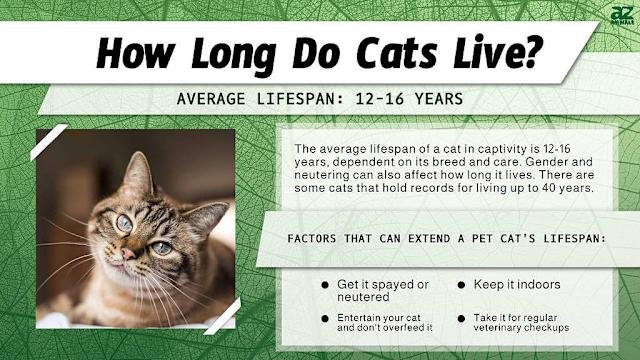
Are you wondering when the best time is to get your cat fixed? You’re not alone.
Many cat owners ask, “How old do cats need to be to get fixed? ” Making the right decision can impact your cat’s health, behavior, and happiness. You’ll discover the ideal age for spaying or neutering your cat and why timing matters.
Keep reading to learn what experts recommend and how you can give your furry friend the best care possible.
Ideal Age For Spaying And Neutering
Choosing the right age to spay or neuter a cat is important for their health and behavior. Early surgery can prevent unwanted litters and reduce health risks. Vets often recommend a specific age range for the procedure to ensure safety and effectiveness.
Kitten Spay And Neuter Timeline
Kittens can usually be spayed or neutered between 8 and 16 weeks old. Many shelters perform the surgery at around 8 weeks to help control pet overpopulation. At this age, kittens heal quickly and have fewer risks during surgery.
Waiting too long may increase the chance of unwanted pregnancies or behavior problems. Some vets suggest spaying or neutering cats before they reach 5 months old. This timeline balances safety with early prevention.
Factors Influencing Timing
- Health: Sick or underweight kittens may need to wait.
- Breed: Larger breeds might require a later surgery.
- Environment: Outdoor cats may benefit from earlier surgery.
- Vet advice: Always follow the veterinarian’s recommendations.
Each cat is unique. The best timing depends on their health and lifestyle. Early spaying or neutering helps reduce some health risks and unwanted behaviors. Talk to a vet for the best plan for your cat.

Credit: pethoodga.org
Benefits Of Early Fixing
Fixing your cat at an early age offers several clear benefits that go beyond just preventing unwanted litters. It sets the stage for a healthier, calmer pet and helps you take control of the cat population in your community. Understanding these benefits can help you decide the best time to schedule your cat’s surgery.
Health Advantages
Early spaying or neutering significantly reduces the risk of certain cancers and infections. Female cats fixed before their first heat rarely develop uterine infections or mammary tumors. Males are less likely to suffer from testicular cancer and prostate issues.
Fixing young cats also helps them avoid injuries related to mating behaviors, such as fights or accidents. In my experience, cats fixed early tend to live longer and enjoy better overall health, which means more happy years with your furry friend.
Behavioral Improvements
Have you noticed your cat marking territory or roaming far from home? Fixing your cat early can reduce or eliminate these behaviors. Neutered males are less likely to spray strong-smelling urine or get into fights with other cats.
Early fixing often results in a calmer, more affectionate pet. This makes your daily interactions smoother and reduces stress for both you and your cat. Imagine coming home to a relaxed companion instead of a restless one ready to bolt outside.
Population Control
Every year, millions of cats end up in shelters or on the streets. Early fixing helps you play a part in reducing this number by preventing unplanned litters. One unspayed female and her offspring can produce hundreds of kittens in just a few years.
By fixing your cat early, you contribute to fewer homeless animals and less strain on local shelters. Don’t you want to be part of the solution that helps create a better life for all cats?
Risks Of Delayed Surgery
Delaying a cat’s spaying or neutering surgery carries several risks. Surgery at the right time helps prevent many health and behavioral problems. Waiting too long can lead to complications that affect your cat’s quality of life. Understanding these risks makes it clear why timely surgery is crucial.
Health Complications
Delaying surgery increases the chance of health issues. Female cats may develop uterine infections or cancer. Male cats face risks of testicular cancer and prostate problems. Early spaying or neutering reduces these health risks significantly. Surgery also lowers the chance of painful and costly diseases.
Unwanted Litters
Late surgery raises the risk of unwanted kittens. Cats can reproduce as early as five months old. One unplanned litter can add to overpopulation problems. Finding homes for extra kittens can be difficult. Early spaying or neutering helps control the cat population responsibly.
Behavioral Issues
Cats fixed later may show more aggressive behaviors. Unneutered males often spray to mark territory. They may roam far from home, increasing injury risks. Females in heat can be noisy and restless. Early surgery helps keep cats calm and safer at home.

Credit: www.catsmanitoba.com
Pre-surgery Preparation
Preparing your cat for surgery is a key part of ensuring a smooth and safe spaying or neutering process. It helps reduce risks and speeds up recovery. Knowing exactly what to do before the day of surgery can make a big difference for both you and your furry friend.
Health Checkups
Before scheduling the surgery, your cat needs a thorough health checkup. This helps the vet spot any hidden issues that could complicate the procedure.
During the checkup, the vet will examine your cat’s heart, lungs, and overall condition. They might also recommend blood tests to check organ function and detect infections.
Have you noticed any unusual behavior or symptoms in your cat? Sharing these details with your vet can help tailor the care plan to your cat’s specific needs.
Fasting Guidelines
Fasting before surgery is crucial to prevent complications during anesthesia. Typically, your cat should not eat for at least 8 to 12 hours before the operation.
Water is usually allowed up to a few hours before surgery, but confirm this with your vet. Feeding your cat too close to surgery time increases the risk of vomiting and aspiration.
Setting a clear fasting schedule can be challenging, especially with kittens. Try to stick closely to the instructions to keep your cat safe.
Post-surgery Care Tips
After surgery, your cat will need a calm and comfortable space to recover. Prepare a quiet area with soft bedding away from other pets and loud noises.
Keep an eye on the surgical site for signs of infection like redness, swelling, or discharge. Prevent your cat from licking or scratching the area by using an Elizabethan collar if recommended.
Follow the vet’s instructions on medication and feeding times closely. How will you balance your routine with your cat’s recovery needs? Planning ahead can help you stay on top of post-surgery care without stress.
Common Myths About Cat Fixing
Many cat owners hesitate to spay or neuter their pets due to common myths. These false beliefs can delay important care. Understanding the truth helps protect cats’ health and well-being.
Myth: Cats Should Have One Litter
Some believe cats must have one litter before being fixed. This is not true. Having a litter does not improve a cat’s health or happiness. Early spaying or neutering prevents unwanted kittens and reduces health risks. It also lowers the chance of certain cancers and infections. Skipping this step can lead to more cats in shelters.
Myth: Surgery Is Painful For Kittens
People often think fixing kittens causes a lot of pain. Modern veterinary care uses safe anesthesia and pain relief. Kittens recover quickly after surgery. The procedure is routine and very safe. Waiting longer can increase health risks and unwanted behaviors. Early fixing helps kittens live longer, healthier lives.

Credit: mamakimsanimalrescue.com
Finding The Right Veterinarian
Finding the right veterinarian is key for your cat’s spaying or neutering. The vet should be experienced and caring. This helps ensure your cat’s safety and comfort during the procedure. Choosing a trusted professional can make the process smoother for you and your pet.
Questions To Ask
- What age do you recommend for spaying or neutering cats?
- How many similar surgeries have you performed?
- What are the risks during and after the surgery?
- What type of anesthesia do you use?
- How long is the recovery time?
- Do you provide post-surgery care instructions?
- Are there any signs of complications I should watch for?
Cost Considerations
Costs vary between vets and locations. Ask for a clear price list before booking. Some vets include pre-surgery exams, anesthesia, and post-op care in the fee. Others may charge separately for each. Budget for possible extra costs like medications or follow-up visits. Some places offer payment plans or discounts for multiple pets.
Choosing Between Clinics And Shelters
Animal shelters often provide spay/neuter services at lower costs. Clinics may offer more advanced care and equipment. Shelters might have waiting lists or specific age rules for surgery. Clinics often give more personalized attention. Both options aim to keep your cat safe and healthy. Pick the one that fits your needs, budget, and your cat’s health condition best.
Frequently Asked Questions
What Is The Ideal Age To Neuter A Cat?
Cats can be neutered as early as eight weeks old. Most veterinarians recommend neutering between four to six months. This timing helps prevent unwanted behaviors and health issues. Early neutering also contributes to controlling the pet population. Always consult your vet for personalized advice.
Is It Safe To Spay A Kitten At Eight Weeks?
Yes, spaying at eight weeks is considered safe by many veterinarians. Early spaying can prevent heat cycles and unwanted pregnancies. It also reduces the risk of certain cancers. Always ensure your kitten is healthy before surgery and consult with your vet.
Do Cats Need To Be A Certain Weight To Be Fixed?
Cats typically need to weigh at least two pounds before surgery. This is usually achieved by eight weeks of age. The weight ensures they can safely undergo anesthesia. Consult your veterinarian to confirm your kitten’s readiness for surgery.
What Are The Benefits Of Neutering A Cat Early?
Early neutering prevents unwanted litters and reduces certain health risks. It can also minimize territorial behaviors and spraying. Neutered cats often lead longer, healthier lives. Discuss the benefits with your vet for the best outcome.
Conclusion
Cats usually get fixed between 8 to 16 weeks old. Early spaying or neutering helps prevent health problems. It also stops unwanted litters and reduces behavior issues. Talk to your vet to find the best time. Every cat is different, so follow professional advice.
Spaying or neutering your cat is a kind choice. It keeps your pet healthy and happy for years. Remember, a small surgery can make a big difference. Take care of your furry friend with this simple step.
