

Are you wondering when the right time is to neuter your cat? Knowing the right age to neuter your furry friend is important for their health and behavior.
You want to make sure your cat stays happy and safe while avoiding any unnecessary risks. You’ll discover exactly how old cats need to be before neutering, why timing matters, and what benefits you can expect. Keep reading to learn the key facts that every cat owner should know.

Credit: www.cdpa.ie
Cat Neutering Basics
Understanding the basics of cat neutering helps pet owners make informed choices. Neutering is a common procedure that affects a cat’s health and behavior. Knowing what it involves and its benefits clarifies why it is important for cats at the right age.
Definition Of Neutering
Neutering is a surgical process that removes a cat’s reproductive organs. For male cats, it involves removing the testicles. For female cats, it means removing the ovaries and usually the uterus. This procedure prevents cats from having kittens. It also helps control the pet population.
Benefits Of Neutering
- Reduces the risk of certain cancers and infections
- Lowers aggressive and territorial behavior
- Prevents unwanted litters and overpopulation
- Decreases the chance of spraying and marking territory
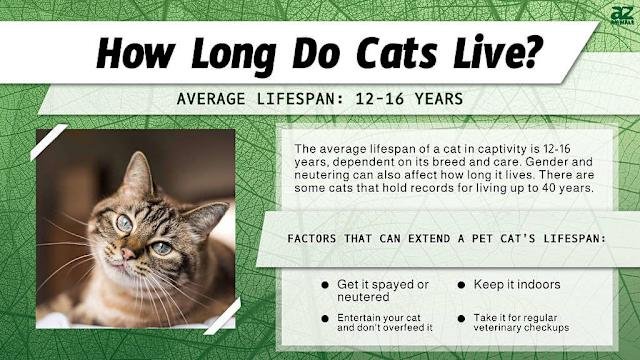
- Helps cats live longer, healthier lives

Credit: www.animalleague.org
Ideal Age For Neutering Cats
Knowing the ideal age for neutering cats helps ensure their health and well-being. Neutering at the right time can prevent unwanted behaviors and health issues. Timing depends on several factors, including the cat’s breed, health, and environment.
Recommended Age Range
Most veterinarians suggest neutering cats between 4 to 6 months old. This age allows kittens to develop enough to handle surgery safely. Early neutering, sometimes done as young as 8 weeks, is safe under vet supervision. Waiting too long can increase the risk of unwanted litters and some health problems.
Factors Influencing Timing
- Health status:Cats must be healthy before surgery.
- Breed:Some breeds mature faster and may need earlier neutering.
- Environment:Outdoor cats may benefit from earlier neutering to prevent roaming.
- Weight:Vets often check weight to confirm readiness for surgery.
- Behavior:Signs of early sexual maturity might prompt earlier neutering.
Health Implications Of Early Neutering
Deciding when to neuter your cat involves weighing the health implications carefully. Early neutering has become common, but it’s important to understand how it might affect your cat’s well-being in both positive and negative ways. This knowledge helps you make an informed decision that best suits your furry friend’s health and lifestyle.
Potential Health Benefits
Neutering your cat at an early age can reduce the risk of certain cancers, such as testicular and ovarian cancers. It also helps prevent infections related to the reproductive system, which can be painful and costly to treat.
Early neutering often leads to calmer behavior. Cats are less likely to roam far from home, reducing the chance of accidents or fights with other animals. This can mean fewer injuries and less stress for both you and your cat.
By neutering early, you also contribute to controlling the stray cat population. This benefits the community by reducing the number of homeless cats that suffer from malnutrition and disease.
Possible Health Risks
Some studies suggest that neutering too early may affect your cat’s growth. For example, early neutered cats might grow slightly taller due to delayed closure of growth plates. While this isn’t usually harmful, it’s something to consider if you prefer your cat to develop fully before surgery.
There is also a slight increase in the risk of certain conditions like urinary tract issues in early neutered male cats. These problems are generally manageable but require you to watch for signs like difficulty urinating or frequent trips to the litter box.
Behavior changes can vary too. While many cats become calmer, some may develop increased anxiety or changes in activity levels. Observing your cat’s personality after neutering can help you address any unexpected shifts in behavior.
What matters most is your cat’s overall health and environment. Discuss with your vet to choose the best timing based on your cat’s breed, size, and lifestyle. Have you noticed changes in your cat’s behavior or health after neutering? Sharing your experience might help others make better choices.
Preparing Your Cat For Neutering
Preparing your cat for neutering is vital for a smooth procedure and quick recovery. It helps reduce stress for both you and your cat. Proper preparation ensures your cat is healthy and ready for surgery.
Pre-procedure Care
Keep your cat calm and comfortable before the surgery. Do not feed your cat for at least 8 hours before the appointment. Water can usually be given until a few hours before surgery. Create a quiet space for your cat to rest. Remove toys or items that may cause excitement. Monitor your cat’s health closely for any signs of illness. Report any unusual symptoms to your veterinarian immediately.
Consulting With A Veterinarian
Schedule a vet visit before the neutering day. The vet will examine your cat and check vital signs. Discuss your cat’s age, weight, and medical history. Ask about any vaccines or tests needed before surgery. Clarify post-surgery care instructions and possible side effects. Make sure to understand the risks and benefits of neutering. Follow all the vet’s advice for the best outcome.
Post-neutering Care
After your cat has been neutered, the care you provide is crucial to ensure a smooth recovery and prevent complications. Paying close attention to your cat’s behavior and physical condition right after the surgery can make all the difference. How you handle this early stage sets the tone for long-term health and comfort.
Immediate Aftercare
Your cat will likely be groggy and disoriented when coming out of anesthesia. Create a quiet, warm space where they can rest undisturbed.
Check the incision site daily for redness, swelling, or discharge. These signs might mean infection, which needs prompt vet attention.
- Prevent your cat from licking or biting the incision by using an Elizabethan collar if necessary.
- Limit physical activity for at least 7 to 10 days to avoid stress on the healing area.
- Offer small, frequent meals and fresh water to encourage eating and hydration.
Have you noticed how some cats hide after surgery? Respect their need for space but keep an eye on their overall wellbeing.
Long-term Care And Monitoring
Once the initial healing is complete, your role shifts to monitoring your cat’s overall health and behavior changes.
Neutered cats often experience changes in appetite and activity. Adjust their diet accordingly to prevent weight gain, which is a common issue.
- Provide regular playtime to keep your cat active and mentally stimulated.
- Schedule follow-up vet visits to check the incision and general health.
- Watch for any signs of discomfort or unusual behavior that might indicate complications.
Have you considered how neutering might affect your cat’s personality? Some owners notice increased calmness, but every cat is unique.
Common Myths About Neutering
Neutering cats often comes with a lot of questions and, unfortunately, many myths. These misconceptions can make it hard for you to decide the right time for your cat’s surgery. Understanding the truth behind these myths helps you make informed choices that benefit your cat’s health and behavior.
Behavioral Changes
Many people worry neutering will drastically change their cat’s personality. The truth is, neutering mostly reduces unwanted behaviors like spraying or roaming, not the cat’s overall character. Your playful or cuddly cat will likely stay the same after surgery.
Some owners fear their cat will become lazy or lose energy post-neutering. However, any drop in activity is usually linked to less urge to roam or fight, not a loss of vitality. You can help your cat stay active with regular playtime and stimulation.
Impact On Growth And Development
A common myth suggests neutering too early will stunt your cat’s growth. Actually, neutering doesn’t negatively affect bone or muscle development. In fact, many vets recommend neutering before full maturity to prevent health issues.
Some worry about weight gain after neutering. Yes, metabolism can slow slightly, but managing diet and exercise easily controls this. Have you noticed any changes in your cat’s appetite or weight? Monitoring these helps keep your pet healthy after surgery.

Credit: www.purina.com
Frequently Asked Questions
At What Age Should Cats Be Neutered?
Cats are typically neutered between 4 to 6 months old. Early neutering can prevent unwanted litters and reduce health risks. Consult your vet for the best timing based on your cat’s health and breed.
Why Is Early Neutering Recommended For Cats?
Early neutering helps control the pet population and reduces behavioral issues. It lowers risks of certain cancers and infections. Vets often suggest neutering before cats reach sexual maturity around 5 to 6 months.
Can Kittens Be Neutered Before 4 Months Old?
Yes, kittens can be safely neutered as early as 8 weeks old if they weigh at least 2 pounds. Early neutering is common in shelters to prevent overpopulation and is medically safe with proper care.
What Are The Benefits Of Neutering Cats Early?
Neutering early reduces the risk of unwanted pregnancies and lowers aggressive behavior. It also prevents certain diseases like testicular cancer. Early neutering supports healthier, longer lives for cats.
Conclusion
Cats should be neutered at the right age for their health. Most vets recommend neutering between 4 to 6 months old. Early neutering helps prevent unwanted litters and health issues. It also reduces behavior problems like spraying and aggression. Talk with your vet to choose the best time for your cat.
Taking action early supports your cat’s well-being and your home’s peace. Neutering is a simple step with big benefits. Keep your cat happy and healthy by planning neutering at the right age.
