

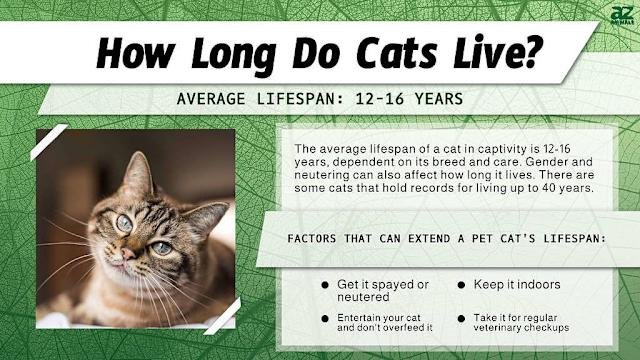
Are you wondering when the right time is to have your cat fixed? Knowing how old your cat needs to be before spaying or neutering is important for their health and happiness.
Fixing your cat at the right age can prevent unwanted behaviors and serious health problems. You’ll discover exactly when you should schedule this important procedure and what benefits it brings to your furry friend. Keep reading to make the best choice for your cat’s well-being.
Credit: www.greensafaris.com
Ideal Age For Spaying Or Neutering
Knowing the ideal age for spaying or neutering your cat can make a big difference in their health and behavior. Getting your cat fixed at the right time helps prevent certain health problems and unwanted behaviors. But how do you decide when that perfect moment is?
Understanding Early Spaying And Neutering
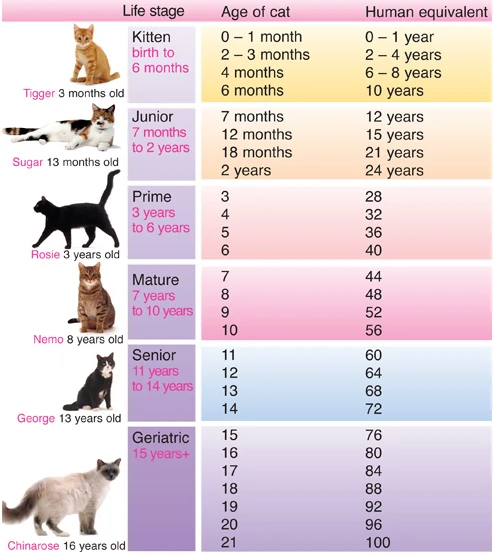
Many vets now recommend spaying or neutering kittens as early as 8 weeks old, provided they weigh at least 2 pounds. Early surgery can reduce the risk of some diseases and curb unwanted behaviors before they start. However, this isn’t right for every kitten, so it’s important to discuss your cat’s health and development with your vet.
Waiting Until Sexual Maturity
Some cat owners prefer to wait until their cat is about 5 to 6 months old, right before they reach sexual maturity. At this age, the cat’s body is more developed, which can sometimes make recovery easier. But waiting too long risks unwanted pregnancies or marking behaviors, which many owners want to avoid.
Factors That Influence The Ideal Timing
- Breed and Size:Larger breeds might benefit from waiting a bit longer to ensure full growth.
- Health Status:Cats with certain health issues may need customized timing for surgery.
- Lifestyle:Indoor cats might have more flexibility in timing than outdoor cats at risk of early mating.
Think about your cat’s unique situation. What risks do you want to avoid? What lifestyle will your cat have?

Credit: mamakimsanimalrescue.com
Benefits Of Early Neutering
Early neutering offers several benefits that go beyond just preventing unwanted litters. It can significantly improve your cat’s quality of life and reduce future health risks. Understanding these benefits can help you make an informed decision about the right time to have your cat fixed.
Health Advantages
Neutering your cat at a young age can lower the risk of serious health problems. For male cats, it reduces the chance of testicular cancer and prostate issues. Female cats spayed early have a much lower risk of mammary tumors and uterine infections, both of which can be life-threatening.
Early neutering also helps prevent certain infections and diseases linked to reproductive organs. Plus, cats fixed before reaching sexual maturity tend to have fewer complications after surgery because they heal faster. Have you noticed how much calmer and healthier your neutered cat seems compared to intact ones?
Behavioral Improvements
Neutering your cat early can lead to better behavior. Intact cats often spray to mark territory, but neutered cats rarely do this. They are also less likely to roam far from home, reducing the risk of accidents or fights with other animals.
Early neutering can reduce aggressive tendencies and excessive vocalization, making your cat more relaxed and easier to live with. You might find your cat more affectionate and focused on you rather than on mating behaviors. Wouldn’t you prefer a cat that’s calm and loving instead of one constantly distracted by instincts?
Risks Of Early Spaying Or Neutering
Spaying or neutering cats at an early age has benefits, but also carries risks. Understanding these risks helps cat owners make better choices. Early surgery might affect a cat’s health and behavior in ways that need careful thought. Knowing the possible problems can guide the timing of the procedure.
Potential Health Concerns
Early spaying or neutering can cause health issues. Some cats may grow slower or have weaker bones. There is a higher chance of joint problems like hip dysplasia. The risk of certain cancers may increase if the surgery is done too soon. Also, early surgery can affect the development of the urinary tract. Some cats might face urinary problems later in life.
Behavioral Considerations
Behavior changes are common after early spaying or neutering. Cats fixed too early might show more fear or anxiety. Some may be less confident or shy around people and other animals. Early surgery can reduce aggressive behavior, but it might also reduce playfulness. These changes can affect how cats interact with their environment. Owners should watch their cats closely after surgery to notice any differences.

Credit: www.animalleague.org
Factors Influencing Timing
Deciding the right time to fix your cat depends on several key factors. Understanding these can help you make the best choice for your furry friend’s health and well-being. Timing isn’t just about age; it’s about what suits your cat’s unique needs.
Breed-specific Guidelines
Different breeds mature at different rates, which influences the ideal age for spaying or neutering. Smaller breeds often reach sexual maturity earlier, while larger breeds may take longer.
For instance, Siamese cats may be ready for surgery as early as 4 months, whereas Maine Coons might benefit from waiting until 6 months or more. Checking breed-specific advice can prevent unnecessary risks and support healthy development.
Have you checked what your cat’s breed recommends? Talking to your vet about your cat’s breed can provide tailored guidance.
Health Status And Conditions
Your cat’s current health plays a big role in scheduling surgery. Cats with illnesses or compromised immune systems might need to wait until they’re stronger.
For example, a kitten recovering from an infection should not be rushed into surgery. Vets often conduct a full health check to ensure your cat can handle anesthesia and the healing process.
If your cat has special health concerns, ask your vet how these affect the timing. Sometimes waiting a little longer can make all the difference in recovery and long-term health.
Veterinarian’s Role In Decision-making
The decision about when to fix your cat is not one-size-fits-all. Your veterinarian plays a crucial role in guiding you through this choice, balancing health, behavior, and lifestyle factors. Their expertise helps ensure your cat’s spaying or neutering happens at the safest and most beneficial time.
Consultation And Assessment
During your visit, the vet will carefully examine your cat’s overall health. They check for any underlying issues that could affect surgery timing or recovery.
Age is just one part of the puzzle. The vet also considers weight, vaccination status, and developmental milestones.
Don’t hesitate to ask questions about risks and benefits. Understanding your cat’s unique condition can ease any worries you have.
Customized Recommendations
Every cat is different, so your vet will tailor advice based on your cat’s breed, age, and lifestyle. For example, outdoor cats might need earlier surgery to prevent accidental litters.
Your vet might suggest waiting a bit longer if your kitten is underweight or has a health concern. This approach helps reduce complications.
Think about your daily routine and your cat’s behavior. Sharing these details with your vet leads to a plan that fits both your life and your cat’s needs.
Post-surgery Care Tips
After your cat is fixed, the care you provide is crucial for a smooth recovery. Paying attention to their needs right after surgery and over the following weeks can prevent complications and help them heal faster. Let’s look at what you should do immediately after the procedure and how to monitor your cat’s health in the long run.
Immediate Aftercare
Your cat may be groggy or disoriented when you bring them home. Create a quiet, warm space where they can rest undisturbed. Keep their carrier nearby for easy access but avoid forcing them out; let them come out on their own time.
Check the incision site daily for redness, swelling, or discharge. If you notice any unusual signs, call your vet right away. Prevent your cat from licking or biting the area by using an Elizabethan collar or soft recovery suit.
Offer small amounts of water initially, then food once they’re fully awake. Avoid feeding a large meal right away to prevent nausea. Remember, your cat’s energy will be low, so limit physical activity and play for at least a few days.
Long-term Care And Monitoring
Even after the first week, your cat needs gentle handling. Monitor their behavior closely—are they eating normally? Using the litter box without trouble? Are they more lethargic than usual? These are signs you should never ignore.
Maintain the cleanliness of the incision area and keep your cat indoors to avoid infections or injuries. Follow your vet’s instructions on when to remove stitches or if medications are required. Sometimes, cats might feel anxious wearing collars; try distracting them with treats or gentle petting to ease their discomfort.
Have you noticed any changes in your cat’s mood or appetite since surgery? These subtle clues can hint at hidden issues. Your active role in observing and responding quickly makes a big difference in your cat’s recovery journey.
Frequently Asked Questions
At What Age Can Kittens Be Spayed Or Neutered?
Kittens can typically be fixed as early as 8 weeks old. Veterinarians recommend surgery before 5 months to prevent unwanted litters. Early spaying or neutering helps reduce health risks and behavioral issues, making it a safe and effective choice for young cats.
Why Is Early Spaying/neutering Beneficial For Cats?
Early fixing helps avoid unwanted pregnancies and reduces certain health risks. It also curbs aggressive or territorial behaviors. Spaying or neutering young cats leads to longer, healthier lives and eases population control, benefiting both pets and communities.
Can Cats Be Fixed After Six Months Old?
Yes, cats can be spayed or neutered safely after six months. However, earlier surgery is preferred for better health and behavior outcomes. Delaying fixing may increase the risk of unwanted pregnancies and certain diseases.
What Are The Risks Of Fixing Cats Too Early?
Fixing kittens younger than 8 weeks requires special care but is generally safe. Risks include anesthesia sensitivity and slower recovery. Always consult a vet experienced in pediatric spay/neuter to ensure the procedure is safe and effective.
Conclusion
Cats should be fixed at the right age for their health and safety. Most vets recommend spaying or neutering cats between five and six months old. Early fixing helps prevent unwanted litters and lowers health risks. It also reduces some behavior problems in cats.
Talk to your vet to choose the best time for your pet. Taking care of this early means a happier, healthier cat for years to come. Remember, timely fixing is a responsible step for every cat owner.
