

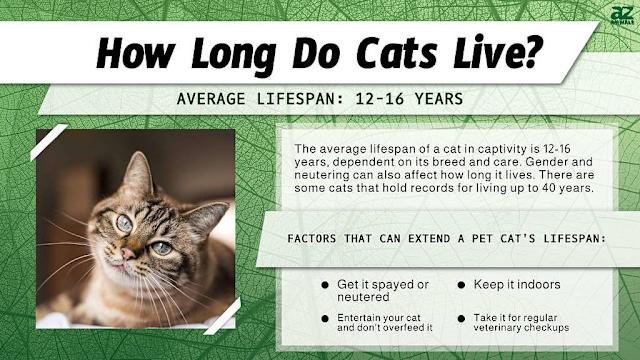
If you have a cat or are thinking about getting one, you probably wonder: how old does a cat have to be to get fixed? This is a question many cat owners ask because you want what’s best for your furry friend.
Fixing your cat, also called spaying or neutering, helps keep them healthy and can prevent many problems down the road. But when is the right time to do it? You’ll discover the ideal age to get your cat fixed and why timing matters so much for their health and happiness.
Keep reading to learn everything you need to know to make the best choice for your beloved pet.
Optimal Age For Neutering
Choosing the right time to neuter a cat is important for its health and behavior. Neutering helps prevent unwanted litters and reduces some health risks. Knowing the optimal age ensures your cat recovers well and enjoys a long life.
Early Neutering Benefits
Many vets recommend neutering kittens between 8 and 16 weeks old. Early neutering can prevent unwanted behaviors like spraying or aggression. It also reduces the risk of certain diseases later in life. Kittens heal quickly at this age and face fewer surgery risks.
Traditional Neutering Age
Some cat owners wait until the cat is 5 to 6 months old. This age is close to sexual maturity. Neutering at this stage still prevents pregnancy and lowers health risks. The surgery is safe but may involve a slightly longer recovery time.
Factors That Affect Timing
- Cat’s health condition
- Breed and size
- Veterinarian’s advice
- Living environment
These factors can change the best age for neutering. Always discuss with your vet before scheduling surgery.
Health Benefits Of Early Neutering
Neutering your cat at an early age offers a range of health benefits that can significantly improve their quality of life. By choosing to fix your cat sooner rather than later, you’re not only preventing unwanted litters but also protecting your feline friend from various health risks. Understanding these benefits can help you make an informed decision that supports your cat’s long-term well-being.
Reduced Risk Of Certain Cancers
Early neutering decreases the chance of your cat developing reproductive cancers, such as testicular cancer in males and ovarian or uterine cancers in females. These cancers can be aggressive and costly to treat, so prevention is key.
By neutering before your cat reaches sexual maturity, you reduce hormone levels that contribute to tumor growth. This simple surgery acts like a shield against some life-threatening diseases.
Lower Chance Of Urinary And Reproductive Infections
Neutered cats are less likely to suffer from infections like pyometra, a serious uterine infection in females, or prostate issues in males. These conditions often require emergency care and can be fatal.
Fixing your cat early helps maintain cleaner reproductive systems and reduces inflammation risks. It’s a straightforward way to keep your cat healthier and avoid painful infections.
Behavioral Health Improvements
Neutering early can also positively affect your cat’s behavior, reducing aggression and the urge to roam. Cats fixed before sexual maturity tend to be calmer and more focused at home.
This not only makes your cat’s life safer but also strengthens your bond. Have you noticed how some unneutered cats seem restless or aggressive? Early neutering can change that dynamic.
Longer Lifespan And Better Quality Of Life
Studies show that cats neutered at a younger age often live longer, healthier lives. The surgery lowers risks of injuries from fights and accidents related to mating behaviors.
By neutering early, you’re investing in your cat’s future health and happiness. Isn’t that what every pet owner wants?
Risks Of Delayed Neutering
Delaying the neutering of cats can lead to several health and behavior problems. Cats that are not fixed on time face higher risks of infections and diseases. It can also increase the chances of unwanted litters, adding to pet overpopulation. Understanding these risks helps pet owners make better decisions for their cats’ well-being.
Increased Risk Of Reproductive Diseases
Unneutered cats have a higher chance of developing serious reproductive diseases. Female cats can get uterine infections and ovarian cysts. Male cats face risks of testicular cancer and prostate problems. Neutering early helps prevent these illnesses.
Behavioral Problems
Delayed neutering often leads to unwanted behaviors. Cats may spray urine to mark territory. Aggression and roaming increase, raising the chance of fights. Early neutering reduces these behaviors, making cats calmer.
Higher Chance Of Accidents
Cats that roam looking for mates face dangers. They can get hit by cars or attacked by other animals. Neutering reduces the urge to roam, keeping cats safer at home.
Contribution To Overpopulation
Unneutered cats can produce many kittens quickly. This adds to the number of stray and homeless cats. These cats often suffer from poor health and hunger. Early neutering helps control the cat population.
Credit: www.petmd.com
Veterinary Recommendations
Veterinary recommendations guide pet owners on the best age for cat spaying or neutering. These guidelines aim to ensure the cat’s health and safety during and after the procedure. Vets balance risks and benefits to decide the optimal timing. The advice can vary depending on the cat’s health and breed.
Early Age Spaying And Neutering
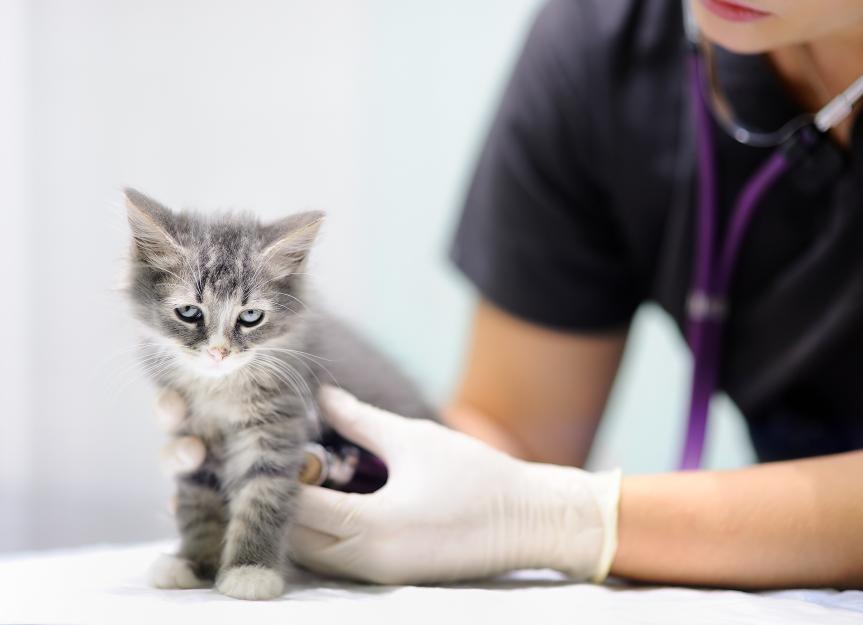
Many veterinarians support spaying or neutering cats as early as 8 to 12 weeks old. Early surgery reduces the risk of unwanted litters. It also helps prevent certain health issues and behavioral problems later. Young kittens recover faster and face fewer complications.
Traditional Age Recommendations
Some vets recommend waiting until the cat is 5 to 6 months old. This age allows the kitten to grow stronger before surgery. It also ensures the cat reaches a good weight. Waiting until this age helps confirm the cat’s general health.
Health Considerations
Veterinarians check the cat’s health before surgery. Cats with certain conditions may need a delay. Healthy weight, no infections, and good overall condition are important. Vets may run tests to confirm the cat is ready.
Benefits Of Following Veterinary Advice
- Reduces surgical risks
- Improves recovery time
- Prevents future health problems
- Controls pet population responsibly
Factors Influencing Neutering Age
Deciding the right time to neuter your cat isn’t just about age. Several important factors influence when your furry friend should get fixed. Understanding these can help you make a better decision that supports your cat’s health and wellbeing.
Breed Considerations
Different cat breeds grow at different rates, which affects the ideal neutering age. For example, larger breeds like Maine Coons mature more slowly than smaller breeds such as Siamese cats. This means a Maine Coon might benefit from waiting a little longer before neutering to ensure healthy development.
Are you aware that some breeds are more prone to certain health issues that could influence the timing? Your vet can guide you based on your cat’s breed-specific needs. It’s worth asking about breed traits before scheduling the procedure.
Individual Health Factors
Every cat’s health profile is unique, and this plays a big role in determining the neutering age. If your cat has health concerns like infections or nutritional deficiencies, it might be best to wait until they are resolved.
I once had a kitten who needed extra vet visits before neutering because of a respiratory infection. Delaying the surgery helped ensure a smoother recovery and better overall health.
Does your cat have any ongoing health issues? Discuss these openly with your vet to find the safest time for neutering. Prioritizing your cat’s current health can prevent complications and support a quicker healing process.
Behavioral Impacts Of Neutering
Neutering your cat can lead to noticeable changes in their behavior. These changes often improve their quality of life and make living together easier. Understanding these impacts helps you decide the best time to get your cat fixed.
Reduction In Aggression And Territorial Behavior
Neutered cats tend to show less aggression towards other cats and people. This is because the hormones that drive territorial fights and dominance decrease after neutering.
Have you noticed your cat spraying or fighting with neighbors’ cats? Neutering often stops these behaviors, making your cat calmer and more sociable.
Decrease In Roaming And Escape Attempts
Intact cats, especially males, often roam far from home in search of mates. Neutering reduces this urge, keeping your cat closer to home and safer.
Imagine fewer sleepless nights worrying if your cat is out too late. Neutering can give you that peace of mind.
Changes In Vocalization And Marking
Unneutered cats may yowl loudly or spray urine to mark territory. After neutering, these behaviors usually drop significantly.
If your cat’s loud calling keeps you awake at night, neutering might help restore quiet evenings.
Potential Impact On Playfulness And Activity Levels
Some owners worry neutering will make their cat lazy or less playful. While activity might decrease slightly, many neutered cats remain active and curious.
Keeping your cat engaged with toys and interaction will maintain their playful spirit even after neutering.
Post-surgery Care Tips
After your cat gets fixed, the care you provide is crucial to help them heal quickly and comfortably. Paying close attention to their needs can prevent complications and reduce stress for both of you. Are you ready to create a safe and soothing environment for your furry friend?
Creating A Comfortable Recovery Space
Choose a quiet, warm spot for your cat to rest. Keep the area free from loud noises and other pets that might disturb them. Soft bedding and easy access to food, water, and a litter box will make recovery smoother.
Monitoring Your Cat’s Behavior
Watch for signs like excessive licking, swelling, or unusual lethargy. These could indicate infection or discomfort. If your cat seems restless or refuses to eat, don’t hesitate to contact your vet.
Managing Activity Levels
Limit your cat’s movement to prevent strain on the surgery site. Avoid letting them jump or run for at least 7 to 10 days. Using a small room or a crate can help control their activity without causing stress.
Keeping The Surgical Area Clean
Check the incision site daily for redness or discharge. Do not bathe your cat until the vet says it’s safe. If your cat tries to lick the area, an Elizabethan collar can protect the wound.
Providing Proper Nutrition And Hydration
Offer fresh water and a balanced diet to support healing. Sometimes, your cat’s appetite may decrease after surgery. You can try warming their food slightly or offering small, frequent meals.
Understanding Medication And Follow-up Care
Give any prescribed pain medication exactly as directed. Skipping doses can slow healing or cause discomfort. Schedule and attend follow-up appointments to ensure your cat is recovering well.

Credit: www.reddit.com
Common Myths And Misconceptions
Many people have wrong ideas about the right age for cats to get fixed. These myths can cause delays in spaying or neutering. Delaying this surgery can lead to health problems and more unwanted kittens.
Understanding the truth about these common myths helps pet owners make better decisions. Here are some myths and facts to clear the confusion.
Myth: Cats Should Wait Until They Are Older
Some believe cats must be at least six months old before fixing. Vets now say it is safe to spay or neuter kittens as young as eight weeks. Early surgery helps prevent early pregnancies and reduces health risks.
Myth: Fixing Changes A Cat’s Personality
Many think fixing will make cats lazy or aggressive. Surgery mainly stops reproduction and reduces some behaviors like spraying or fighting. Cats usually stay friendly and playful after surgery.
Myth: Only Female Cats Need To Be Spayed Early
Both male and female cats benefit from early surgery. Neutering males prevents roaming and marking territory. It also lowers the chance of some diseases in males.
Myth: Fixing Is Dangerous For Young Kittens
Veterinarians use modern techniques that make surgery safe for young kittens. Proper care before and after surgery keeps kittens healthy. Young kittens often recover faster than older cats.

Credit: www.purina.com
Frequently Asked Questions
How Old Should Cats Be Before Spaying Or Neutering?
Cats can typically be fixed as early as 8 weeks old if healthy. Most vets recommend spaying or neutering between 4 to 6 months. Early surgery helps prevent unwanted litters and reduces health risks.
Why Is Early Spaying Important For Cats?
Early spaying reduces the risk of certain cancers and infections. It prevents unwanted pregnancies and behavioral issues linked to mating instincts. Spaying before the first heat cycle offers the best health benefits.
Can Kittens Be Fixed Before Six Months?
Yes, kittens can safely undergo surgery before six months. Many shelters perform spay/neuter procedures at 8 to 12 weeks. Early surgery promotes quicker recovery and better long-term health.
What Are The Benefits Of Neutering Male Cats Early?
Neutering male cats early reduces spraying, aggression, and roaming. It also lowers the chance of prostate problems. Early neutering helps maintain calmer, healthier pets.
Conclusion
Cats usually get fixed between 5 and 6 months old. Early spaying or neutering helps prevent health and behavior problems. Talk to your vet to choose the best time for your cat. Fixing your cat helps control the pet population.
It also keeps your cat healthier and happier. Remember, every cat is different. Care and timing matter. Act in your cat’s best interest. Your cat will thank you with a long, healthy life.
