

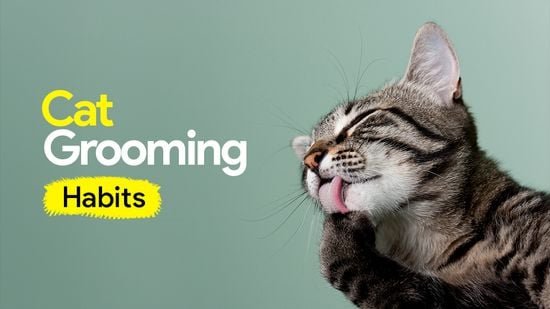
Are you wondering how often to groom your cat to keep them happy and healthy? Grooming isn’t just about making your furry friend look good—it can prevent mats, reduce shedding, and even help spot health issues early.
But how often should you actually brush or bathe your cat? Getting this right can save you time, keep your home cleaner, and strengthen the bond between you and your pet. Keep reading to discover the simple grooming routine your cat will love and that fits perfectly into your busy life.
Grooming Frequency Basics
Knowing how often to groom a cat helps keep it healthy and happy. Grooming removes dirt, loose hair, and prevents mats. It also reduces hairballs and skin problems.
The frequency depends on the cat’s coat type and age. Regular grooming supports their natural oils and improves blood flow. It is a great way to bond with your cat, too.
Short-haired Cats
Short-haired cats need less grooming. Brushing once a week usually works well. This removes loose fur and spreads oils evenly. During shedding seasons, increase to two or three times a week. Short-haired cats still enjoy gentle brushing.
Long-haired Cats
Long-haired cats need daily grooming. Their thick fur can tangle and form mats quickly. Daily brushing prevents knots and keeps their coat soft. Long-haired cats shed more, so regular grooming limits hairballs and hair on furniture.
Kittens And Senior Cats
Kittens need gentle grooming to get used to it. Start brushing a few times a week. Use soft brushes and short sessions. Senior cats may need more help, especially if they move less. Groom them two to three times a week or as needed. Watch for skin changes or discomfort during grooming.

Credit: www.purina.com
Factors Affecting Grooming Needs
Knowing how often to groom your cat depends on a few important factors. Each cat is unique, and their grooming needs can change based on their breed, health, and even the time of year. Understanding these aspects helps you keep your cat comfortable and looking their best without spending too much or too little time on grooming.
Breed Characteristics
Your cat’s breed plays a big role in how often they need grooming. Long-haired breeds like Persians or Maine Coons usually require daily brushing to prevent mats and tangles. Short-haired cats, like the American Shorthair, often do well with weekly brushing since their fur is less likely to clump.
Some breeds have specific grooming challenges. For example, Sphynx cats need regular baths because they don’t have fur to absorb oils. Have you noticed how your cat’s coat texture or length affects their grooming needs?
Health Conditions
Health problems can increase grooming needs or make grooming more difficult. Cats with arthritis might struggle to clean themselves properly, so you may need to help more often. Skin conditions or allergies can also require special grooming routines or products.
Older cats or those with obesity may miss spots when grooming. Regular checks and grooming sessions can catch issues early. Do you watch for changes in your cat’s grooming habits that might signal health problems?
Seasonal Changes
Cats shed differently depending on the season, which affects grooming frequency. During spring and fall, many cats shed heavily, needing more frequent brushing to manage loose fur. This can reduce hairballs and keep your home cleaner.
In winter, cats often grow thicker coats, so grooming helps prevent mats. In summer, lighter grooming might be enough but watch for signs of overheating. How does your cat’s coat change with the seasons, and how do you adjust your grooming routine?
Essential Grooming Tools
Grooming a cat requires the right tools to keep your pet healthy and comfortable. Essential grooming tools help remove loose fur, prevent matting, and maintain cleanliness. Having these tools ready makes grooming easier and less stressful for both you and your cat.
Brush Types
- Slicker Brushes:Great for removing loose hair and tangles.
- Bristle Brushes:Ideal for short-haired cats to smooth the coat.
- Comb:Useful for checking mats and removing debris.
- Undercoat Rake:Perfect for thick or long-haired cats to remove dead undercoat.
Nail Clippers
Use sharp, small nail clippers made for cats. These help trim nails safely without splitting. Avoid using human nail clippers as they can crush your cat’s nails. Regular trimming prevents scratching injuries and keeps your cat comfortable.
Cleaning Supplies
- Pet Wipes:Clean dirt and wipe paws between baths.
- Ear Cleaner:Keeps ears free from wax and infections.
- Eye Wipes:Remove tear stains gently.
- Soft Towels:Useful for drying after baths or cleaning.
Credit: temeculapetsalonandspa.com
Step-by-step Grooming Routine
Grooming a cat regularly keeps their coat healthy and skin clean. It also helps reduce hairballs and matting. A simple routine makes grooming less stressful for both you and your cat. Follow these steps to keep your cat looking and feeling great.
Brushing Techniques
Use a brush suited for your cat’s fur type. Short-haired cats need a soft bristle brush. Long-haired cats benefit from a wide-toothed comb. Brush gently in the direction of hair growth. Start with short sessions to help your cat get used to it. Remove loose hair and dirt with smooth strokes. Pay attention to areas behind ears and under the legs. Avoid pulling on knots to prevent discomfort.
Bathing Tips
Bathing is rarely needed for most cats. Use lukewarm water and a cat-safe shampoo. Wet your cat slowly, avoiding the face and ears. Lather shampoo gently, then rinse thoroughly. Dry your cat with a soft towel in a warm room. Keep the bath short to reduce stress. Reward your cat with treats after bathing to create a positive experience.
Nail Trimming
Trim your cat’s nails every two to four weeks. Use a special cat nail clipper for safety. Hold the paw gently and press to extend the nail. Cut only the sharp tip, avoiding the pink quick inside. If unsure, trim a small amount to avoid hurting your cat. Use a nail file to smooth rough edges. Offer praise and treats to calm your cat during trimming.
Signs Your Cat Needs Extra Grooming
Knowing when your cat needs extra grooming can save you from unexpected vet visits and keep your furry friend comfortable. Cats might not always show clear signs, but subtle changes in their coat or skin can signal that more attention is required. Watch closely for these key indicators to decide if it’s time to step up your grooming routine.
Mattes And Tangles
Mattes and tangles can cause discomfort and even pain for your cat. If you notice clumps of fur sticking together or your cat grooming less frequently, it’s a sign they might need your help. Cats with longer fur are especially prone to these problems, but short-haired cats can get tangles too.
Try gently running your fingers through their coat daily. If you feel knots or rough patches, it’s time to grab a brush. Ignoring mattes can lead to skin irritation or infections, so act fast when you spot them.
Excess Shedding
Seeing more fur around the house than usual? Excess shedding can mean your cat needs more grooming sessions. Seasonal changes often increase shedding, but if it’s constant or clumpy, that’s a red flag.
Regular brushing helps remove loose hair before it falls off. This not only keeps your home cleaner but also prevents hairballs that can upset your cat’s stomach. Have you noticed if your cat’s shedding spikes after certain activities or stress?
Skin Issues
Scratches, redness, or bald spots on your cat’s skin are clear signs they need extra care. These could be caused by allergies, parasites, or lack of grooming. Pay attention if your cat is scratching more than usual or biting at their fur.
Sometimes, skin issues hide under the fur and go unnoticed. Regular grooming lets you catch problems early. If you spot anything unusual, consult your vet promptly to avoid worsening conditions.

Credit: www.viovet.co.uk
Benefits Of Regular Grooming
Regular grooming offers more than just a shiny coat for your cat. It plays a key role in keeping your feline friend healthy and happy. Let’s look at how consistent grooming can benefit both you and your cat in practical ways.
Health Improvements
Grooming helps spot health issues early. When you brush your cat, you can check for unusual lumps, skin irritations, or parasites like fleas. This early detection can save you from costly vet visits later.
Regular grooming also promotes better skin health by removing dead hair and distributing natural oils. This reduces dryness and prevents skin problems. Have you noticed how much softer your cat’s fur feels after a good grooming session?
Bonding Time
Spending time grooming your cat strengthens your relationship. Many cats enjoy the gentle touch and attention, turning grooming into a relaxing ritual. It’s a chance to connect and build trust.
Think about your own pet—does your cat purr or nuzzle during grooming? These moments create a positive experience, making your cat more comfortable with handling. Could grooming be your next favorite way to spend time together?
Reducing Hairballs
Hairballs can be uncomfortable and sometimes dangerous for your cat. Regular brushing removes loose hair before your cat swallows it during self-grooming. This simple step significantly cuts down hairball formation.
Less hair inside your cat means fewer trips to the litter box and less mess around your home. Have you tried regular grooming and noticed fewer hairballs already?
When To Seek Professional Help
Knowing when to ask for professional help with your cat’s grooming can save both you and your pet from stress and discomfort. While regular brushing and nail trimming often keep your cat looking and feeling great, some situations require expert care. Understanding these signs helps ensure your furry friend stays healthy and happy.
Grooming Challenges
Sometimes, grooming your cat becomes a tough task. Cats with thick, long fur may develop mats that are painful to remove without proper tools and skills.
If your cat resists brushing or scratching becomes frequent, a groomer can help manage these issues safely. Professionals can also handle tricky areas like around the face or under the legs where your cat might not like being touched.
Medical Concerns
Health problems often affect grooming needs. Skin infections, wounds, or parasites like fleas can cause discomfort and require specialized care during grooming.
If you notice redness, swelling, or unusual hair loss, it’s best to consult a vet or a professional groomer trained to work with medical conditions. They can provide treatments that protect your cat’s skin and coat.
Special Care Needs
Older cats or those with disabilities may struggle with self-grooming. Cats with arthritis or limited mobility might not reach certain spots, leading to mats and dirt buildup.
Professional groomers know how to handle these cats gently and safely. They also offer services like teeth cleaning and ear care that go beyond what most owners can do at home.
Frequently Asked Questions
How Often Should I Groom My Cat?
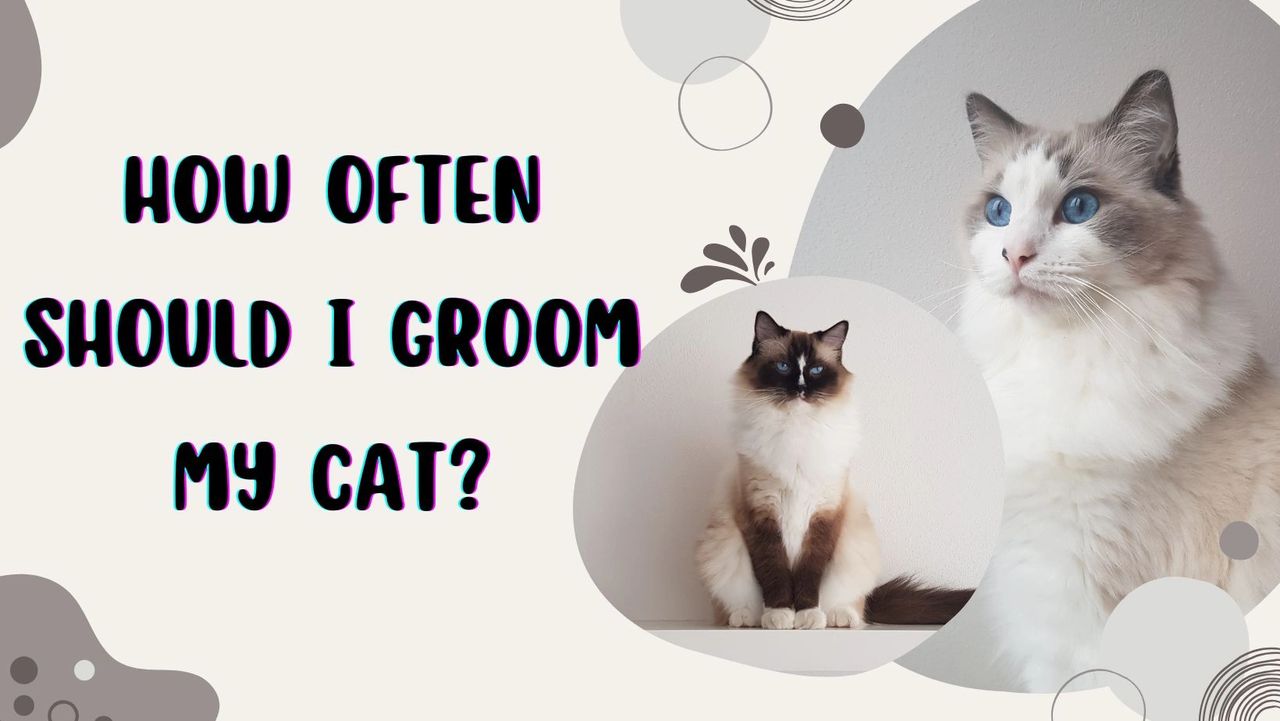
Cats with short fur need grooming once a week. Long-haired cats require daily grooming to prevent mats and tangles. Regular grooming keeps cats clean, reduces shedding, and improves coat health.
Can Grooming Reduce My Cat’s Shedding?
Yes, grooming removes loose fur and reduces shedding. Brushing your cat regularly helps control hairballs and keeps your home cleaner. Use appropriate brushes based on your cat’s fur type.
Is Grooming Necessary For Indoor Cats?
Indoor cats still need grooming to remove loose hair and prevent mats. Regular grooming helps monitor your cat’s skin health and detect parasites early. It also strengthens the bond between you and your cat.
What Tools Are Best For Grooming Cats?
Use a slicker brush for long fur and a rubber brush for short fur. A comb helps remove tangles and mats. Choose tools based on your cat’s coat type and sensitivity.
Conclusion
Regular grooming keeps your cat healthy and happy. Short-haired cats need brushing once a week. Long-haired cats benefit from daily grooming. Pay attention to your cat’s behavior and coat condition. Clean and trim nails as needed. Grooming reduces hairballs and matting.
It also strengthens your bond with your pet. Remember, gentle care makes grooming a positive experience. Keep grooming simple and consistent for best results. Your cat will thank you with a shiny, soft coat.
