

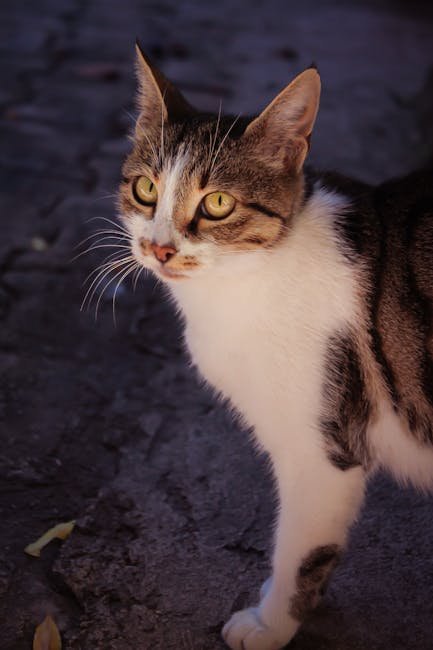
Are you wondering how often you should groom your cat? Keeping your furry friend clean and comfortable is more important than you might think.
Grooming isn’t just about making your cat look good—it helps prevent health issues, reduces shedding, and strengthens the bond between you and your pet. But how do you know the right grooming schedule for your cat’s unique needs? Keep reading to discover simple tips that will make grooming easier and more effective for both you and your feline companion.
Benefits Of Regular Grooming
Regular grooming offers many benefits for your cat’s health and happiness. It helps keep their coat clean and shiny. Grooming also reduces hair loss and prevents clumps of hair from forming inside the stomach. Spending time grooming strengthens the bond between you and your pet.
Improved Coat Health
Grooming removes dirt and loose fur from your cat’s coat. It spreads natural oils evenly, making the fur soft and shiny. This keeps the skin healthy and prevents dryness or irritation.
Reduced Shedding
Brushing your cat often reduces the amount of hair they shed around the house. It catches loose fur before it falls off. Less hair on your furniture and clothes means a cleaner home.
Prevention Of Hairballs
Cats swallow hair while cleaning themselves. Grooming lowers the amount of loose hair they swallow. This helps stop hairballs, which can cause stomach discomfort or blockages.
Enhanced Bonding Time
Grooming is a calm, gentle activity. Your cat learns to trust you more during this time. It creates a special moment for both of you to relax and connect.
Factors Affecting Grooming Frequency
Grooming frequency depends on several factors. Each cat has unique needs based on its lifestyle and characteristics. Understanding these factors helps keep your cat healthy and comfortable. Regular grooming prevents matting, reduces shedding, and promotes a shiny coat.
Breed And Coat Type
Different breeds have different grooming needs. Long-haired cats need brushing daily to avoid tangles. Short-haired cats require less frequent grooming, about once a week. Cats with dense or curly fur may need special care. Coat texture affects how often grooming should happen.
Age And Health Conditions
Young cats are usually active and groom themselves well. Older cats may struggle to clean hard-to-reach areas. Cats with health problems might need extra grooming help. Skin conditions, arthritis, or obesity can limit self-grooming. Adjust grooming based on your cat’s health.
Indoor Vs Outdoor Cats
Outdoor cats face more dirt and debris. They often need more frequent grooming sessions. Indoor cats stay cleaner but still shed and lose fur. Grooming indoor cats once or twice a week is usually enough. Outdoor cats might benefit from daily brushing.
Seasonal Changes
Cats shed more in spring and fall. During these times, increase grooming to manage loose fur. Summer heat may cause more shedding too. Winter may require less grooming but watch for dry skin. Adjust grooming frequency with changing seasons for best results.
Daily Grooming Needs
Daily grooming plays a vital role in keeping your cat healthy and comfortable. It helps remove loose fur, prevents mats, and allows you to check for any skin issues or parasites. Understanding the specific needs of your cat’s coat type and age will guide you on how to groom effectively every day.
Long-haired Cats
Long-haired cats need daily brushing to prevent tangles and mats that can cause discomfort. Use a wide-toothed comb or slicker brush to gently work through their fur, paying close attention to areas behind the ears and under the legs.
When I started brushing my Maine Coon daily, I noticed fewer hairballs and a shinier coat. Do you find your long-haired cat struggles with knots or shedding? Regular grooming can reduce both issues significantly.
Short-haired Cats
Short-haired cats usually require less intense grooming but still benefit from daily brushing. A soft-bristle brush or grooming glove can help remove loose hairs and stimulate natural oils in their skin.
Even a quick daily session can help minimize shedding and keep your cat’s coat sleek. Have you tried different brushes to see which your cat enjoys most? Finding the right tool can make grooming a bonding moment rather than a chore.
Senior Cats
Older cats may need daily grooming assistance because they might groom themselves less due to arthritis or other health issues. Gentle brushing helps maintain coat health and provides comfort, especially if their fur becomes thinner or more fragile.
Pay attention to your senior cat’s tolerance—some may prefer shorter grooming sessions. Have you noticed changes in your cat’s grooming habits as they age? Daily grooming can fill the gap and keep them feeling cared for.
Weekly Grooming Routine
Keeping a weekly grooming routine for your cat is essential for their health and happiness. It helps prevent matting, reduces shedding, and allows you to spot any unusual signs early. Setting aside a specific time each week ensures grooming becomes a relaxed bonding experience rather than a stressful task.
Brushing Techniques
Brushing your cat regularly removes loose fur and prevents hairballs. Use a brush suited to your cat’s coat type—slicker brushes for long-haired cats and rubber brushes for short-haired ones work well.
Start gently at the head and move towards the tail, following the natural direction of the fur. Watch your cat’s reaction; if they seem uncomfortable, slow down and try shorter sessions until they get used to it.
Bathing Tips
Most cats clean themselves, but occasional baths can help if your cat gets dirty or has skin issues. Use a cat-specific shampoo and lukewarm water, and avoid getting water in their eyes or ears.
Keep the bath short and calm. Talk softly and reward them afterward with treats to build positive associations with bath time.
Nail Trimming
Trimming your cat’s nails weekly prevents overgrowth and reduces scratching damage. Use sharp, cat-sized nail clippers and only trim the sharp tips.
If you see the pink part inside the nail (the quick), stop trimming to avoid pain and bleeding. If your cat resists, try clipping just one or two nails at a time over several days.
Ear And Eye Care
Check your cat’s ears for dirt, wax, or signs of infection each week. Use a soft, damp cloth or a vet-approved ear cleaner to gently wipe the outer ear.
For eyes, wipe away any discharge with a clean, damp cloth. Persistent redness or discharge should prompt a vet visit. Regular checks help catch problems before they worsen.
Signs Your Cat Needs More Grooming
Recognizing when your cat needs more grooming is key to keeping them healthy. Cats hide discomfort well. Watch for clear signs on their coat and behavior. Early grooming can prevent bigger problems later.
Matting And Tangles
Mats and tangles form when fur is not brushed regularly. They pull on the skin and cause pain. Mats can trap dirt and moisture, leading to infections. Long-haired cats are more prone to matting. Regular grooming stops mats from forming.
Excessive Shedding
Shedding is normal but too much can be a problem. Large clumps of fur around the house mean your cat needs grooming. Brushing helps remove loose fur and reduces hairballs. Excess shedding might also signal stress or health issues.
Skin Irritation
Redness, bumps, or flakes show skin irritation. Lack of grooming can cause oils and dirt to build up. This buildup leads to itching and scratching. Grooming keeps the skin clean and healthy. Check your cat’s skin regularly for signs of irritation.
Behavioral Changes
Changes in behavior may mean grooming is needed. Cats may hide or act restless if uncomfortable. They might groom themselves less or stop eating. Grooming can help them feel relaxed and cared for. Pay attention to sudden mood shifts.
Tools For Effective Grooming
Having the right tools can make grooming your cat a smoother and more enjoyable experience for both of you. Each tool serves a specific purpose, helping you keep your cat’s coat healthy and clean without stress. Let’s look at some essential grooming tools and how they can help you maintain your cat’s fur and overall hygiene.
Brushes And Combs
Brushes and combs are your primary allies in grooming. A slicker brush works well for removing loose fur and preventing mats, especially for long-haired cats. For short-haired cats, a bristle brush is gentle and effective at distributing natural oils through the coat.
Combs with wide and narrow teeth are great for detangling knots and checking for fleas or skin issues. Try different styles to find what your cat prefers; some cats enjoy the gentle strokes of a comb more than a brush. Have you noticed your cat’s reaction to certain brushes? Their comfort can guide your choice.
Clippers And Scissors
Clippers and scissors are handy for trimming around sensitive areas like the paws, rear, and face. If your cat’s fur tends to mat badly, a professional-grade clipper might save you from painful mat removal. Scissors with rounded tips reduce the risk of accidentally nicking your cat’s skin.
Using these tools requires patience and a calm approach. If your cat is nervous, try trimming in short sessions or consider seeking professional help. Have you ever tried trimming your cat’s fur at home? What challenges did you face?
Grooming Gloves
Grooming gloves offer a gentle way to remove loose hair while petting your cat. They are especially useful for cats that dislike traditional brushes. These gloves can also stimulate blood circulation and mimic a natural grooming experience.
They are easy to use and clean, making them a convenient option for quick grooming sessions. If your cat shies away from brushes, a grooming glove might change their mind about grooming time.
Cleaning Supplies
Keeping your cat clean involves more than just brushing. Have cleaning supplies like pet-safe wipes, ear cleaners, and nail clippers ready. Wipes are perfect for quick cleanups, especially around the face and paws.
Regular ear checks and gentle cleaning prevent infections. Nail clippers help maintain your cat’s claws and protect your furniture. Have you checked your cat’s ears or nails lately? These small steps contribute a lot to your cat’s comfort and health.
Handling Grooming Challenges
Grooming a cat can bring challenges that test your patience. Some cats dislike being touched or held for long. Others may feel scared during grooming sessions. Cats with health issues need extra care and attention. Understanding these challenges helps keep grooming stress-free for both you and your cat.
Dealing With Fidgety Cats
Fidgety cats move a lot during grooming. They may try to escape or scratch. Use gentle strokes and a soft brush to calm them. Short grooming sessions work best. Take breaks if your cat gets restless. Offer treats to reward calm behavior. A calm environment with few distractions helps too.
Grooming Anxious Cats
Anxious cats show fear by hiding or growling. Speak softly and move slowly around them. Start grooming in a quiet room where your cat feels safe. Use soothing words and gentle touch. Try grooming after playtime, when your cat is more relaxed. Patience is key; do not rush the process.
Managing Cats With Medical Issues
Cats with medical problems need special grooming care. Check with your vet before grooming. Some cats may have sensitive skin or pain. Use soft brushes and avoid areas that hurt. Keep nails trimmed to prevent injuries. Watch for signs of discomfort and stop if needed. Regular grooming can help spot health issues early.
When To Seek Professional Grooming
Knowing when to seek professional grooming for your cat is important for their health and comfort. Some cats need expert care beyond basic brushing at home. Professional groomers can help with tough mats, nail trimming, and special skin issues.
Watch your cat closely for signs that grooming has become difficult. Early action can prevent pain and infection. Choosing the right groomer ensures your cat stays calm and safe during the process. The frequency of visits depends on your cat’s breed, age, and coat condition.
Signs You Need Help
- Your cat has tangled or matted fur that you cannot remove.
- Excessive shedding causes hairballs or bald patches.
- Your cat resists grooming and becomes stressed or aggressive.
- Dirty or overgrown nails that your cat won’t let you trim.
- Skin problems like redness, sores, or unusual odors.
- Your cat is elderly or has health problems making grooming hard.
Choosing A Groomer
- Look for groomers with experience in cat care.
- Check reviews and ask for recommendations from your vet.
- Visit the grooming salon to see cleanliness and safety.
- Ensure groomers handle cats gently and patiently.
- Ask about the grooming services offered and prices.
- Confirm the groomer can manage your cat’s specific needs.
Frequency Of Professional Visits
The number of professional grooming sessions varies per cat. Long-haired breeds may need visits every 4 to 6 weeks. Short-haired cats often require fewer visits, maybe every 8 to 12 weeks.
Older cats or those with health issues may need more frequent care. Discuss your cat’s grooming needs with a professional for a tailored plan.
Frequently Asked Questions
How Often Should I Brush My Cat’s Fur?
Brushing your cat’s fur should be done once or twice a week. For long-haired cats, daily brushing is recommended. Regular brushing helps reduce shedding and prevents mats and tangles. It also helps distribute natural oils throughout the coat, keeping it healthy and shiny.
Do Indoor Cats Need Regular Grooming?
Yes, indoor cats benefit from regular grooming. Grooming helps remove loose fur, reducing shedding and hairballs. It also helps in detecting skin issues or parasites. Even though indoor cats might stay cleaner, regular grooming is essential for maintaining their overall health and well-being.
How Often Should I Trim My Cat’s Nails?
Cat nails should be trimmed every 2-4 weeks. Regular trimming helps prevent overgrown nails, which can cause discomfort or injury. If your cat is active and wears down its nails naturally, you may need to trim less frequently. Always monitor nail length to ensure comfort.
Are There Signs My Cat Needs More Grooming?
Signs your cat needs more grooming include excessive shedding, mats, and tangles. If your cat has a dull coat or is scratching more than usual, it might require more frequent grooming. Regular checks will help you determine if your cat’s grooming routine needs adjusting.
Conclusion
Regular grooming keeps your cat healthy and happy. Short-haired cats need brushing once a week. Long-haired cats require daily care to avoid mats. Watch your cat’s coat and skin for signs of trouble. Grooming also helps reduce shedding and hairballs.
Make it a calm and gentle routine. This time strengthens your bond with your pet. Remember, every cat is different, so adjust grooming as needed. A little effort keeps your cat looking and feeling great. Simple care goes a long way in your cat’s well-being.
