

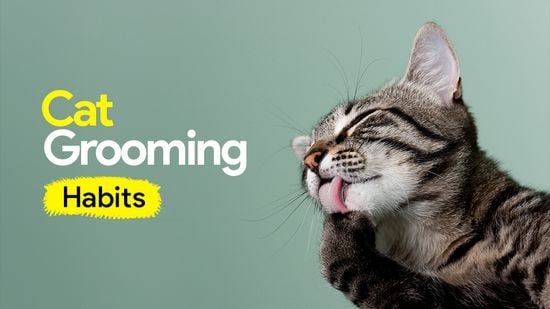
Have you ever watched your cat spend hours licking its fur and wondered, “How often should cats groom themselves?” Grooming is more than just a cute habit—it’s essential for your cat’s health and happiness. But how much is too much, and when should you be concerned?
Understanding your cat’s grooming routine can help you spot problems early and keep your furry friend feeling great. Keep reading to discover the secrets behind your cat’s self-care and learn how to support their natural grooming habits.
Cat Grooming Habits
Cats are naturally clean animals, spending a good part of their day grooming themselves. Understanding their grooming habits can help you spot any changes that might indicate health issues. Have you noticed how your cat’s grooming routine fits into their daily life?
Daily Grooming Routine
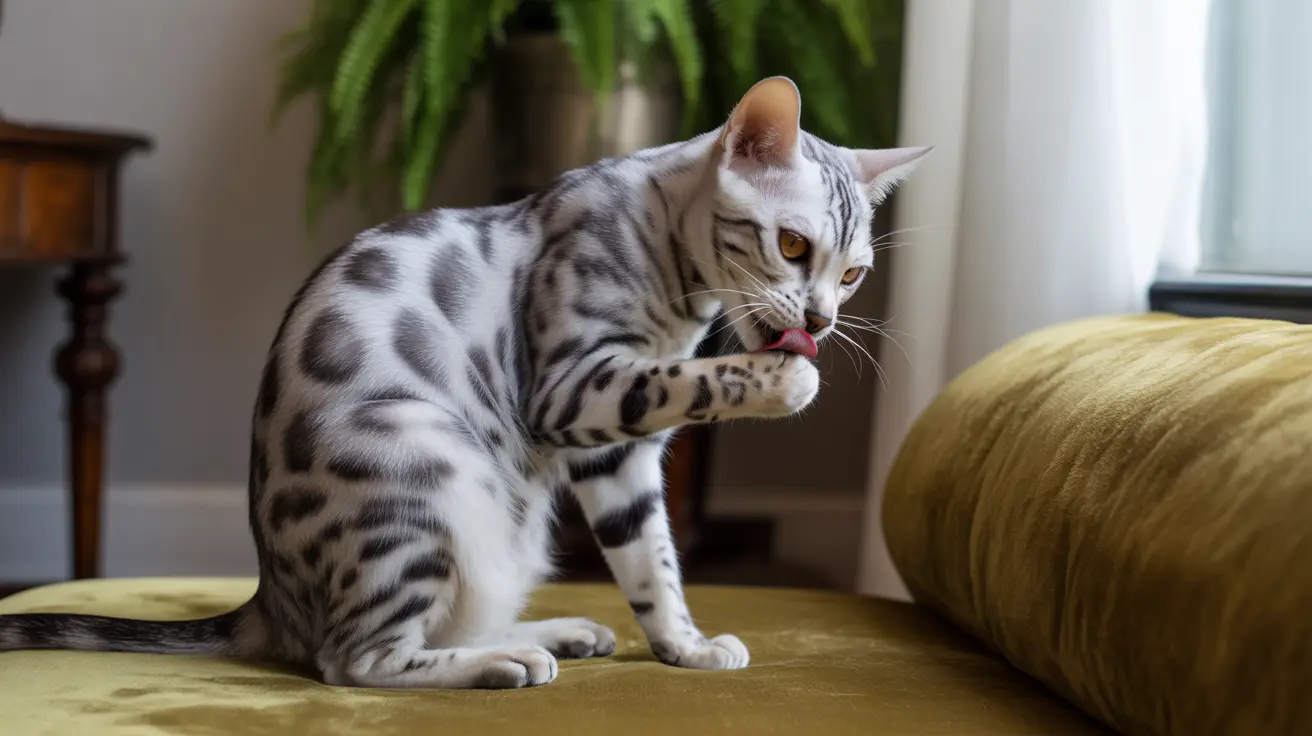
Cats typically groom themselves several times a day, often between 30 to 50 minutes in total. They use their tongues to clean their fur, removing dirt and loose hair. This habit helps regulate their body temperature and keeps their coat shiny and healthy.
Some cats prefer short, frequent grooming sessions, while others might spend longer periods at a stretch. Observing your cat’s grooming pattern can give you clues about their comfort and well-being.
Factors Affecting Grooming Frequency
Several factors influence how often a cat grooms itself. Health issues, stress, or pain can reduce grooming behavior, while boredom or anxiety might increase it. Changes in environment, such as moving to a new home, can also affect their routine.
Age plays a role too. Older cats might groom less because of arthritis or dental problems, making it harder for them to reach certain areas.
- Health conditions like skin allergies or infections
- Weather changes – cats might groom less in cold weather
- Access to outdoor areas – outdoor cats may groom more to clean off dirt
Breed Differences
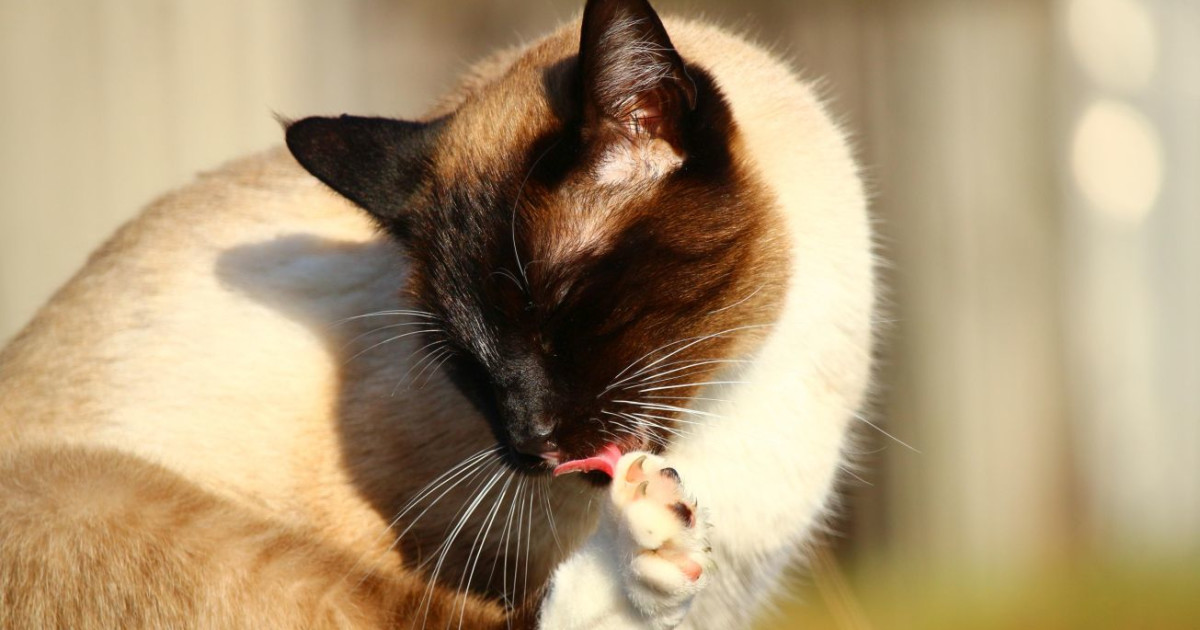
Different cat breeds have varied grooming needs. Long-haired breeds like Persians need more frequent grooming to prevent mats and tangles. Short-haired cats tend to groom themselves thoroughly but may still benefit from occasional brushing.
Some breeds, such as the Sphynx, have unique grooming habits due to their lack of fur. They require regular baths to remove oil buildup, showing that grooming frequency isn’t one-size-fits-all.
Have you considered how your cat’s breed affects their grooming routine? Adjusting your care to their specific needs can improve their comfort and coat health.
Credit: pethelpful.com
Benefits Of Grooming
Cats grooming themselves is more than just a habit. It plays a vital role in their health and comfort. Grooming keeps their bodies clean and helps them stay calm. Each lick and nibble serves a purpose that benefits their daily life.
Skin And Coat Health
Grooming removes dirt and loose fur from a cat’s body. It spreads natural oils that keep their coat soft and shiny. This process prevents skin problems like dryness and irritation. Regular grooming also helps avoid hairballs by reducing shedding fur.
Temperature Regulation
A cat’s tongue helps cool their body during hot days. Licking spreads saliva, which evaporates and lowers body heat. Grooming also keeps their fur in good shape to protect against cold weather. This balance helps cats stay comfortable in different climates.
Stress Relief
Grooming calms cats by reducing anxiety and tension. It releases feel-good chemicals in their brain. Cats often groom more when they feel nervous or stressed. This natural behavior helps them relax and feel safe.
Signs Of Grooming Issues
Recognizing signs of grooming issues in your cat is key to keeping them healthy and comfortable. Cats usually groom themselves regularly, but changes in this behavior can signal underlying problems. Paying close attention to these signs helps you catch issues early and provide the care your cat needs.
Overgrooming Symptoms
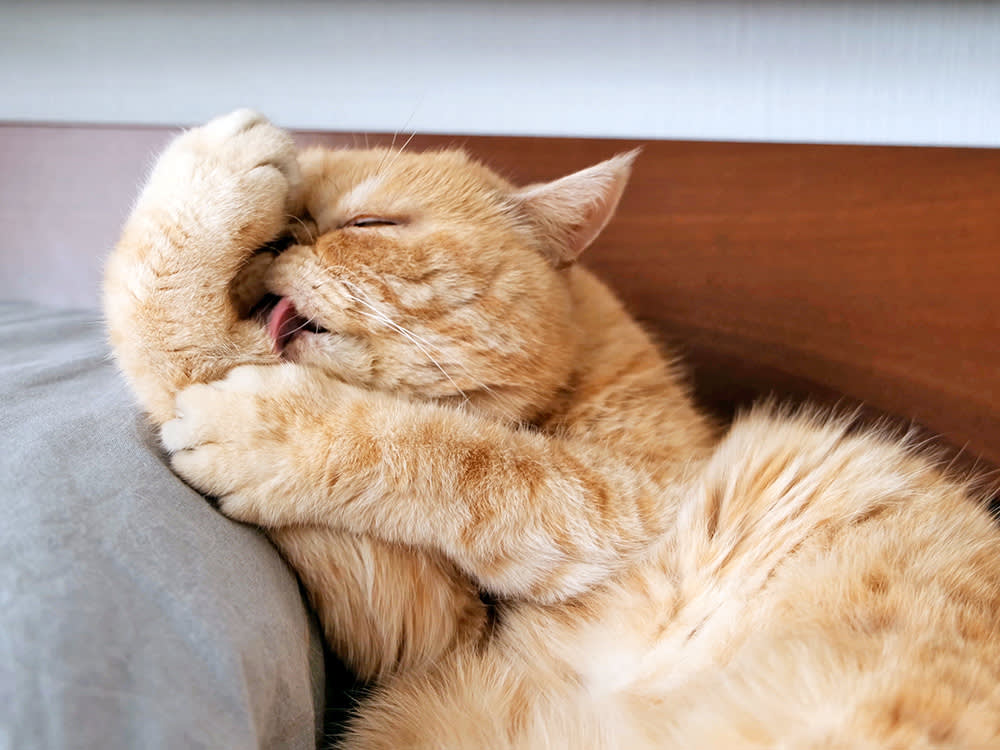
Overgrooming occurs when your cat licks or bites their fur excessively. You might notice bald patches, raw or irritated skin, and scabs. Sometimes, cats overgroom due to stress or allergies, so if your cat is suddenly grooming more than usual, it’s worth investigating what might be causing their discomfort.
Have you seen your cat obsessively licking one spot? This could mean pain or anxiety. Overgrooming not only damages fur but also exposes your cat to infections.
Undergrooming Indicators
Undergrooming means your cat is not cleaning themselves enough. Their coat might look greasy, matted, or dirty. Older cats or those with arthritis often struggle to groom properly, so you might need to step in with brushing or help from a vet.
Does your cat’s fur seem dull or clumpy lately? This lack of grooming can hide other health problems like dental pain or skin infections.
Common Skin Problems
Skin problems often show up alongside grooming issues. Look for redness, flakes, sores, or bumps on your cat’s skin. Parasites like fleas or mites can cause itching and discomfort, pushing your cat to groom too much or too little.
Have you checked your cat’s skin under their fur recently? Early detection of skin issues can prevent painful infections and keep your cat’s coat shiny and healthy.
Credit: www.kinship.com
Owner’s Role In Grooming
Cats groom themselves often to stay clean and healthy. Still, owners play a key role in their grooming routine. Helping your cat with grooming keeps their coat smooth and reduces hairballs. It also helps spot any skin problems early.
Regular grooming strengthens the bond between you and your cat. It makes your pet feel safe and cared for. Knowing proper grooming techniques ensures your cat stays comfortable and happy.
Brushing Techniques
Brushing removes loose fur and prevents mats. Use a brush suited for your cat’s fur type. Short-haired cats need a soft bristle brush. Long-haired cats benefit from a comb or slicker brush.
- Brush gently in the direction of hair growth.
- Focus on areas prone to tangles, like behind the ears and under the legs.
- Brush at least once a week, more for long-haired breeds.
- Use slow, calm strokes to keep your cat relaxed.
Bathing Tips
Cats rarely need baths unless very dirty or smelly. Use lukewarm water and cat-specific shampoo. Avoid human shampoos, as they may irritate the skin.
- Brush your cat before bathing to remove loose fur.
- Wet the coat gently, avoiding the face and ears.
- Apply shampoo carefully and rinse thoroughly to prevent residue.
- Dry with a towel and keep your cat warm until fully dry.
When To Consult A Vet
Seek veterinary advice if grooming issues arise. Signs include excessive scratching, hair loss, or skin sores. Difficulty grooming or changes in behavior also need attention.
- Persistent mats or skin problems.
- Unusual odors or discharge.
- Sudden changes in coat condition.
- Reluctance to groom or move.
A vet can identify underlying health problems affecting grooming. Early treatment improves your cat’s comfort and health.
Special Grooming Considerations
Special grooming needs can vary widely depending on your cat’s age, fur type, and health. Recognizing these differences helps you keep your feline friend comfortable and clean without causing stress. Understanding these unique considerations can make grooming easier for both of you.
Senior Cats
Older cats often struggle to groom themselves thoroughly. Reduced flexibility and arthritis can limit their ability to reach certain areas, leading to mats or dirty spots. You might notice your senior cat grooming less often or missing patches.
Help your aging cat by brushing them gently every day or every other day. Pay close attention to hard-to-reach spots like the belly and hind legs. Regular grooming can prevent skin problems and improve their comfort.
Long-haired Cats
Long-haired breeds like Persians or Maine Coons need extra care. Their thick fur can easily tangle and mat without frequent grooming. Mats can be painful and cause skin infections if left untreated.
Brush your long-haired cat daily to prevent knots and remove loose hair. Use a wide-tooth comb for tangles and a soft brush for general grooming. Have you ever tried grooming during your cat’s most relaxed time? It can make a big difference.
Cats With Health Conditions
Some health issues affect a cat’s grooming habits. Conditions like obesity, dental problems, or skin diseases might reduce their ability or desire to groom. You may notice greasy fur, dandruff, or a strong odor.
Observe your cat for changes in grooming behavior and consult your vet if you see signs of distress. Assist them with gentle brushing and keep their skin clean and hydrated. Could your cat’s grooming struggles be a signal to check their health?
Credit: www.petscare.com
Frequently Asked Questions
How Often Do Cats Groom Themselves Daily?
Cats groom themselves several times a day, usually 2 to 4 times. Grooming helps them stay clean, regulate body temperature, and reduce stress.
Why Do Cats Spend So Much Time Grooming?
Cats groom to remove dirt, loose fur, and parasites. It also stimulates blood flow and strengthens their bond with other cats.
Can Grooming Frequency Indicate Cat Health Issues?
Yes, excessive or reduced grooming can signal health problems. Changes may indicate skin conditions, stress, or pain, so monitoring is important.
How Does Grooming Benefit A Cat’s Coat?
Grooming distributes natural oils, keeping the coat shiny and healthy. It also prevents matting and removes dead hair effectively.
Conclusion
Cats groom themselves many times each day to stay clean and healthy. This natural habit helps remove dirt and loose fur. Regular grooming also keeps their skin healthy and reduces hairballs. Some cats may groom more or less depending on age, health, and breed.
Watch your cat’s grooming habits to spot any changes early. Healthy grooming means a happy cat. Keep their coat shiny and skin free from problems by letting them groom naturally. Simple care and attention go a long way for your cat’s well-being.
