


How often should you groom your cat? If you’ve ever wondered about the best grooming routine for your furry friend, you’re not alone.
Grooming is more than just keeping your cat looking neat—it’s key to their health and happiness. But how do you know when it’s the right time to brush, trim, or clean? You’ll discover simple, practical tips to keep your cat comfortable and well-groomed without stress.
By the end, you’ll feel confident in creating the perfect grooming schedule that suits both you and your cat’s needs. Keep reading to unlock the secrets to a happier, healthier pet!
Credit: hellopetsinc.com
Benefits Of Regular Grooming
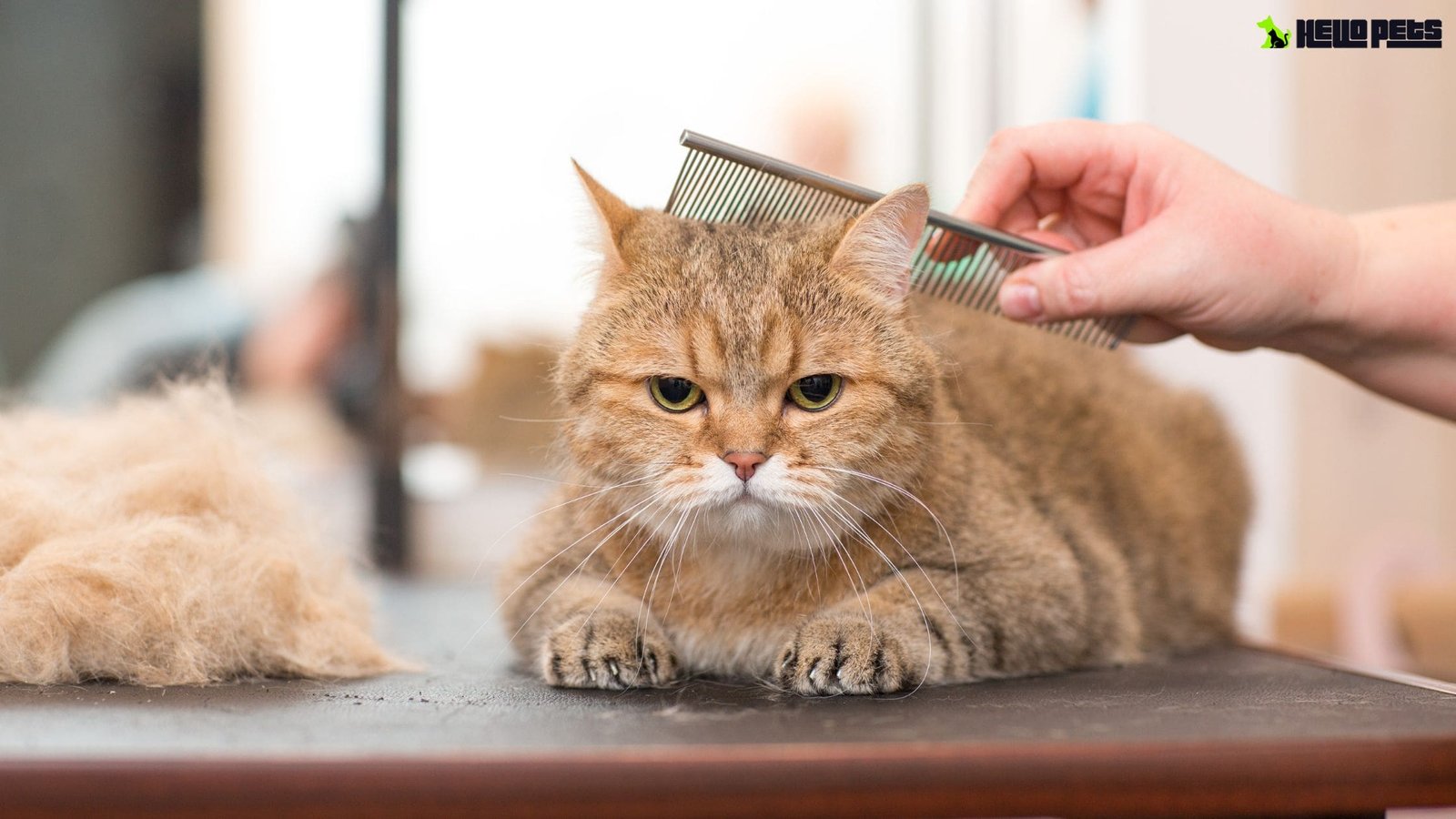
Regular grooming offers many benefits for your cat’s health and happiness. It helps keep their coat clean and shiny. Grooming also strengthens the bond between you and your pet. It creates a calm, trusting environment that cats enjoy. Here are some key benefits of grooming your cat often.
Improved Coat Health
Grooming removes dirt and loose fur from your cat’s coat. It spreads natural oils that keep the fur soft and shiny. This helps prevent mats and tangles, which can cause discomfort. A healthy coat means your cat feels better and looks great.
Reduced Shedding
Brushing regularly cuts down on shedding around your home. It catches loose hairs before they fall off. This keeps your furniture and clothes cleaner. Less hair also means fewer hairballs, making your cat more comfortable.
Early Detection Of Health Issues
Grooming lets you check your cat’s skin closely. You can spot lumps, bumps, or wounds early. It also helps find parasites like fleas or ticks fast. Early detection means quicker treatment and better health for your cat.

Credit: www.purina.com
Factors Affecting Grooming Frequency
Understanding how often to groom your cat depends on several important factors. These elements shape the best grooming routine tailored to your pet’s unique needs. Let’s explore what influences how frequently you should pick up that brush or comb.
Breed And Coat Type
Different cat breeds have different grooming needs. Long-haired breeds like Persians or Maine Coons require daily brushing to prevent mats and tangles. Short-haired cats, such as Siamese or American Shorthairs, usually do well with weekly grooming.
Think about your cat’s fur texture too. Thick or curly coats may trap more dirt and shed more, needing extra care. Have you noticed how some cats shed heavily during certain seasons? That’s a cue to increase grooming frequency.
Age And Health Condition
Young and healthy cats typically groom themselves well, but they still benefit from your help. Older cats or those with arthritis might struggle to reach all areas, so more frequent brushing supports their hygiene.
Cats with health issues, like skin conditions or obesity, need special attention. Grooming not only keeps their coat clean but also lets you spot problems early. How often do you check your cat’s skin during grooming sessions?
Indoor Vs Outdoor Cats
Indoor cats usually stay cleaner and require less frequent grooming. However, they can still shed and develop hairballs, so regular brushing helps reduce these issues. Outdoor cats face more dirt, debris, and parasites, increasing the need for grooming.
Outdoor cats may also pick up burrs or twigs in their fur, which you’ll want to remove quickly. Have you noticed how your outdoor cat’s grooming needs change with the seasons or weather? That’s a good time to adjust how often you groom.
Daily Grooming Tasks
Daily grooming helps keep your cat healthy and comfortable. It builds trust and strengthens your bond. Small, regular tasks stop bigger problems later. Spend a few minutes each day on grooming. This keeps your cat clean and happy.
Brushing Techniques
Use a soft brush suited for your cat’s fur type. Brush gently in the direction of hair growth. Focus on areas where fur mats easily, like behind ears. Short sessions prevent stress and keep fur shiny. Regular brushing removes loose hair and dirt.
Checking For Parasites
Look closely at your cat’s skin and fur every day. Check behind ears, under the neck, and near the tail. Fleas and ticks hide in warm spots. Small black dots or redness may show parasites. Early detection helps avoid infestations and health issues.
Cleaning Eyes And Ears
Use a soft, damp cloth to wipe your cat’s eyes. Remove any discharge or dirt gently. Check ears for wax or debris. Clean only the outer ear with a cotton ball. Avoid inserting anything deep into the ear canal. Clean eyes and ears prevent infections and discomfort.
Credit: temeculapetsalonandspa.com
Weekly And Monthly Grooming
Keeping your cat well-groomed on a weekly and monthly schedule helps maintain their health and happiness. Regular grooming sessions prevent matting, reduce shedding, and give you a chance to check for any skin issues or parasites. You’ll notice your cat feels more comfortable and looks shinier with these simple routines.
Bathing Tips
Bathing cats isn’t always easy, but it’s important to keep them clean, especially if they get into something sticky or dirty. Use a cat-specific shampoo that’s gentle on their skin and avoid human products. Make sure the water is warm and shallow to keep your cat calm.
Try to bathe your cat only once a month or as needed. Too frequent baths can dry out their skin and fur. If your cat hates water, use a damp cloth or pet wipes to clean them between baths.
Nail Trimming Guide
Trimming your cat’s nails regularly prevents painful scratches and damage to your furniture. Aim to trim their nails every 1 to 2 weeks, but monthly trimming works if your cat’s nails grow slowly. Use a sharp nail clipper designed for cats to avoid splitting the nails.
Hold your cat gently but firmly, and trim only the sharp tips. Avoid the pink area called the quick—it contains nerves and blood vessels. If you accidentally cut too deep, apply styptic powder to stop the bleeding quickly.
Dental Care Routine
Dental health often gets overlooked but is crucial for your cat’s overall well-being. Brush your cat’s teeth at least once a week with a toothbrush and toothpaste made for cats. This helps prevent tartar buildup and gum disease.
If brushing isn’t possible, try dental treats or toys that reduce plaque. Watch for signs like bad breath, drooling, or difficulty eating, which might mean a vet visit is necessary. How often do you check your cat’s mouth?
Tools And Products For Grooming
Grooming a cat requires the right tools and products to keep their coat healthy and shiny. Using proper grooming items makes the process easier and more comfortable for your cat. It also helps prevent matting and reduces shedding. Choose products based on your cat’s fur type and skin sensitivity. Quality tools and safe products ensure a stress-free grooming experience.
Choosing The Right Brush
Select a brush that fits your cat’s coat type. Short-haired cats do well with a soft bristle brush. Long-haired cats need a wide-toothed comb or a slicker brush to remove tangles. Use a rubber brush to remove loose fur and dirt. Regular brushing prevents mats and keeps the coat smooth.
Safe Shampoos And Conditioners
Use shampoos made specifically for cats. Human shampoos can harm their skin. Choose gentle, hypoallergenic formulas to avoid irritation. Conditioners help keep the fur soft and tangle-free. Avoid products with strong fragrances or harsh chemicals. Bathing your cat with safe products supports healthy skin and coat.
Grooming Accessories
Keep grooming tools handy for quick sessions. Nail clippers designed for cats prevent accidental cuts. Use grooming wipes to clean paws and face between baths. A grooming glove can help remove loose hair easily. Store all accessories in one place for easy access during grooming.
Handling Grooming Challenges
Grooming cats can sometimes be a challenge. Some cats resist brushing or get stressed easily. Other cats develop matted fur that is hard to remove. Handling these challenges with care makes grooming easier and safer for your pet.
Calming Anxious Cats
Many cats feel nervous during grooming. Gentle voice tones help relax them. Use slow, soft strokes with the brush. Giving short breaks keeps cats calm and less restless. Try grooming in a quiet room without distractions. Some cats respond well to treats or toys as rewards. Patience is key to building trust over time.
Dealing With Matted Fur
Mats form when fur tangles and clumps together. Use a wide-toothed comb to gently loosen mats. Work slowly from the edges toward the center. Never pull hard or cut mats with scissors yourself. Regular brushing prevents mats from forming. Long-haired cats need more frequent grooming to avoid mats.
When To Seek Professional Help
Severe mats or very anxious cats need expert care. Groomers have special tools and experience. Professional grooming avoids hurting your cat. If your cat scratches or bites often, ask a groomer for advice. Regular visits to a groomer keep your cat healthy and clean.
Seasonal Grooming Adjustments
Seasonal changes bring unique challenges and needs for your cat’s grooming routine. Adjusting how often and how you groom your cat throughout the year keeps their coat healthy and comfortable. Paying attention to these shifts can prevent common issues like matting, dryness, or irritation.
Managing Shedding In Spring And Fall
During spring and fall, cats shed heavily as they transition between their winter and summer coats. You might notice more fur on your furniture or clothes than usual. Brushing your cat daily helps remove loose hair and reduces the chance of hairballs.
Choose a brush suited to your cat’s coat type—slicker brushes work well for short-haired cats, while combs with wide and narrow teeth suit long-haired breeds. If your cat resists grooming, try short, frequent sessions combined with treats to keep the experience positive.
Protecting Skin In Winter
Cold weather can dry out your cat’s skin, leading to itchiness and flakiness. Limit bathing during winter to avoid stripping natural oils that keep the skin hydrated. Instead, focus on gentle brushing to distribute oils evenly and stimulate circulation.
If your home is heated, use a humidifier to add moisture to the air. Watch for signs of irritation or excessive scratching, as these may require a vet’s advice or special moisturizing sprays safe for cats.
Summer Grooming Tips
Heat and humidity can make your cat’s coat feel heavier and more prone to tangles. Regular brushing helps keep the fur light and airy, reducing discomfort from excess heat. You might also want to check more often for fleas and ticks, which are more active in warmer months.
Trim the fur around problem areas like the belly and behind the ears to improve airflow. Remember, never shave your cat completely—fur protects their skin from sunburn and insect bites.
Frequently Asked Questions
How Often Should I Groom My Cat?
Groom your cat at least once a week to maintain coat health. Long-haired cats need grooming 2-3 times weekly. Regular grooming prevents mats, reduces shedding, and promotes bonding.
Does Grooming Reduce Cat Hair Shedding?
Yes, grooming helps remove loose fur and reduces shedding. Brushing your cat regularly minimizes hair around your home and decreases hairballs.
Can Grooming Improve My Cat’s Skin Health?
Absolutely. Grooming stimulates natural oils in your cat’s skin. It prevents dryness, irritation, and detects skin issues early.
Should I Groom My Cat More In Shedding Season?
Yes, increase grooming frequency during shedding seasons. Cats shed more in spring and fall, so brushing daily helps manage excess fur.
Conclusion
Grooming your cat regularly keeps their coat healthy and clean. Short-haired cats need grooming less often than long-haired ones. Brush your cat gently to avoid hurting their skin. Regular grooming helps spot any health problems early. It also reduces hairballs and shedding around your home.
Make grooming a calm and positive time for your cat. Small efforts each week lead to a happier, healthier pet. Remember, every cat is different—adjust grooming to their needs. Keep your furry friend comfortable and cared for with proper grooming.
