


If you’re a cat owner, you probably wonder how often your furry friend needs rabies shots. Keeping your cat safe from rabies isn’t just about protecting them—it’s about protecting you and your family too.
Missing a vaccination could put everyone at risk, but getting it wrong can be confusing and stressful. This article will clear up the mystery and give you simple, clear answers about your cat’s rabies vaccine schedule. Read on to learn exactly what you need to know to keep your beloved pet healthy and safe.

Credit: millsanimalhospital.com
Rabies And Its Impact On Cats
Rabies is a deadly virus that affects the nervous system of mammals. Cats are especially at risk because they often encounter wildlife or stray animals. The virus spreads through bites or scratches from infected animals. Once symptoms start, rabies is almost always fatal.
Vaccinating cats against rabies protects both pets and humans. The vaccine helps the cat’s immune system fight the virus. This reduces the chance of infection and controls the spread of rabies in the community.
How Rabies Affects Cats
Rabies changes a cat’s behavior and health quickly. Early signs include restlessness, hiding, or unusual aggression. Later, cats may have trouble walking or swallowing. The virus attacks the brain, causing paralysis and death within days.
Transmission Risks For Cats
- Bites from wild animals like raccoons, bats, or foxes
- Contact with stray or unvaccinated animals
- Outdoor cats have higher exposure risk
Why Vaccination Is Essential
- Prevents rabies infection in cats
- Protects family and community health
- Required by law in many areas
- Helps control rabies outbreaks
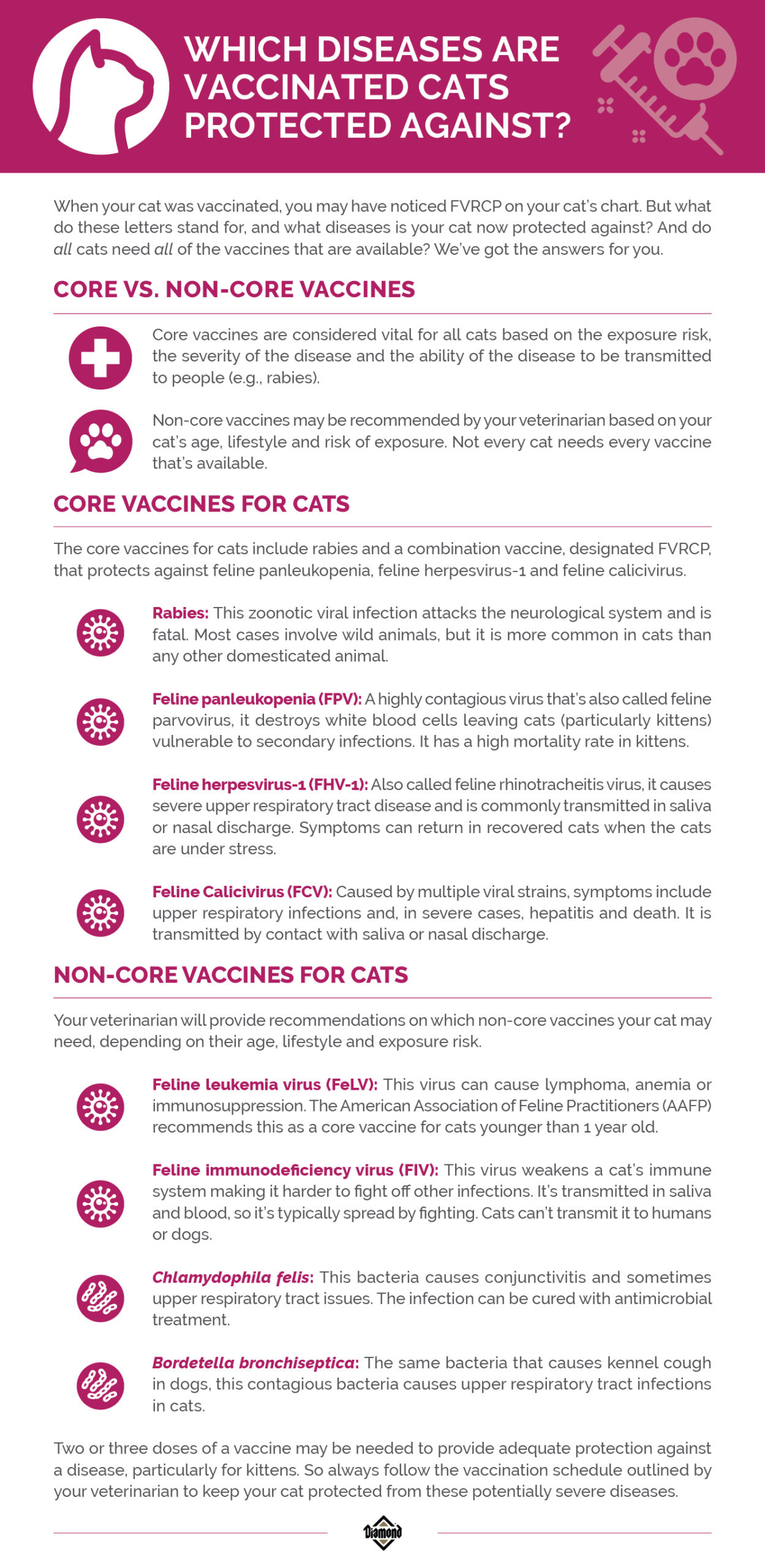
Credit: www.diamondpet.com
Frequency Of Rabies Vaccination
Understanding how often your cat needs rabies shots is crucial for keeping them safe and compliant with local laws. Rabies vaccination frequency can vary depending on factors like your cat’s age, health, and where you live. Knowing the right schedule helps you plan vet visits without unnecessary stress or expense.
Initial Rabies Vaccination For Cats
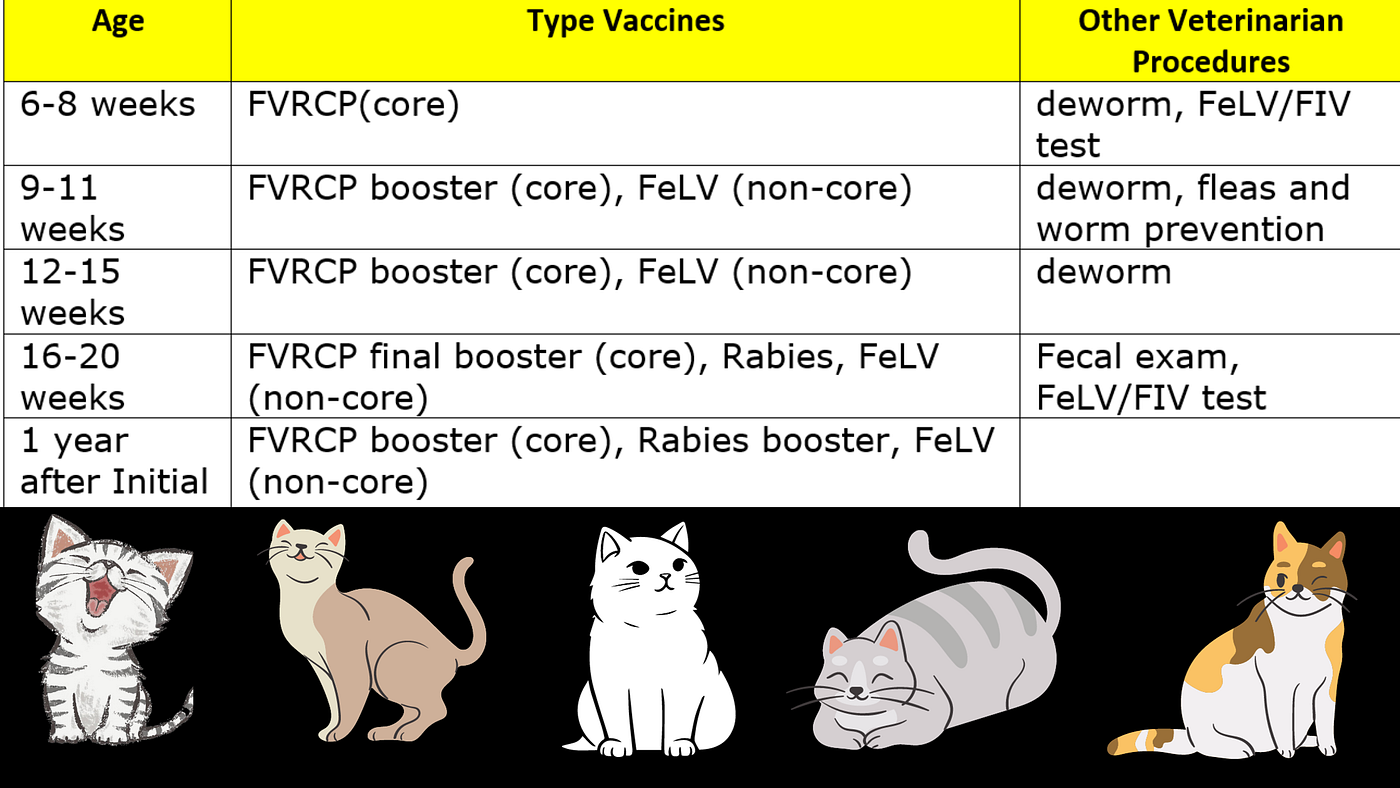
Kittens usually receive their first rabies vaccine at around 12 to 16 weeks of age. This initial shot is critical as it builds the foundation for future protection. Missing this first vaccine can leave your cat vulnerable during a sensitive period.
Booster Shots And Their Timing
After the initial vaccine, your cat will need booster shots to maintain immunity. Typically, a booster is given one year after the first shot. Following that, boosters may be required every one to three years based on the vaccine type and local regulations.
Factors Affecting Vaccination Frequency
- Local Laws:Some areas require annual rabies shots, while others allow three-year intervals.
- Vaccine Type:Not all rabies vaccines last the same length of time.
- Your Cat’s Lifestyle:Outdoor cats might need more frequent vaccinations due to higher exposure risk.
What Happens If You Miss A Booster?
Missing a booster can leave your cat unprotected and may complicate legal situations if exposure occurs. Your vet might recommend restarting the vaccination schedule or giving a booster immediately. How do you keep track of these important dates without relying on memory alone?
Ways To Stay On Track With Vaccinations
- Set reminders on your phone or calendar for upcoming shots.
- Ask your vet to send appointment reminders via email or text.
- Maintain a dedicated pet health record book for quick reference.
Factors Influencing Vaccination Schedule
The schedule for rabies vaccination in cats varies based on several factors. These factors help determine how often your cat needs the vaccine. Understanding them ensures your pet stays protected and healthy. The main influences include the cat’s age, lifestyle, and the rules in your area.
Age And Health Of The Cat
Kittens usually get their first rabies shot at around 12 weeks old. After that, booster shots are needed to keep immunity strong. Older cats with health issues might have different needs. A vet can recommend the best timing based on your cat’s condition.
Indoor Vs. Outdoor Cats
Cats that stay indoors all the time face less risk of rabies exposure. Their vaccination schedule may be less frequent. Outdoor cats roam freely and meet other animals, increasing the risk of infection. These cats often need rabies shots more regularly to stay safe.
Local Regulations And Laws
Rabies vaccination rules differ by location. Some places require yearly shots, while others allow a three-year gap. It’s important to know the laws in your town or state. Following these rules helps protect your cat and your community.
Types Of Rabies Vaccines For Cats
Cats need rabies vaccines to stay healthy and protect others. Different types of rabies vaccines exist. Knowing the types helps you keep your cat safe. Vets usually offer two main types of rabies vaccines. Each type lasts a different time. Understanding these options helps plan your cat’s vaccinations.
One-year Vaccines
One-year rabies vaccines protect cats for 12 months. Vets often use this vaccine for kittens or first-time shots. It allows close monitoring of any side effects. After one year, your cat needs a booster shot. This vaccine type is common and widely available.
Three-year Vaccines
Three-year rabies vaccines protect cats for 36 months. This vaccine reduces the number of visits to the vet. It is suitable for adult cats with no health issues. The vaccine keeps your cat safe longer between boosters. Vets recommend this option for many cats after the first year.
Signs Of Rabies In Cats
Recognizing the signs of rabies in cats can be challenging, but it’s crucial for your pet’s health and your safety. Rabies affects the nervous system, leading to noticeable changes in behavior and physical abilities. Knowing what to watch for helps you act quickly and seek veterinary care without delay.
Behavioral Changes
One of the earliest signs of rabies is a shift in your cat’s usual behavior. You might notice your friendly feline becoming unusually aggressive or irritable.
Alternatively, some cats may become overly shy or hide away from people. These sudden changes can be alarming, so pay close attention if your cat acts out of character.
Excessive Drooling And Difficulty Swallowing
If your cat starts drooling more than normal or seems to have trouble swallowing, these symptoms could indicate rabies.
Rabies often causes paralysis in the throat muscles, making it hard for your cat to eat or drink. Have you ever seen your cat paw at its mouth or choke unexpectedly? These signs deserve immediate veterinary attention.
Paralysis And Weakness
Rabies can cause paralysis that starts in the hind legs and spreads throughout the body. Your cat might stumble, drag its paws, or lose the ability to move parts of its body.
Weakness can develop rapidly, leaving your cat unable to stand or walk. If you observe sudden loss of coordination, don’t hesitate to contact your vet.
Unusual Vocalizations
Cats with rabies may produce strange sounds, such as excessive meowing, growling, or hissing. These vocal changes often reflect pain or confusion.
Have you noticed your cat’s meow sounding different or more intense? This could be a subtle warning sign that something is seriously wrong.
Seizures And Hyperactivity
In some cases, rabies causes seizures or sudden bursts of hyperactivity. Your cat might appear restless or agitated without any obvious cause.
Seizures can look like uncontrolled shaking or twitching. If your cat experiences these symptoms, immediate medical care is essential.
Credit: medium.com
Possible Side Effects Of Rabies Shots
Rabies shots are essential to protect your cat from a deadly disease, but you might wonder about the risks involved. Like any vaccine, rabies shots can cause side effects, and knowing what to expect helps you keep your cat safe and comfortable. Recognizing these effects early can make a big difference in your cat’s recovery and well-being.
Common Mild Side Effects
Most cats experience mild side effects that last only a day or two after the vaccination. These can include:
- Swelling or tenderness at the injection site
- Lethargy or decreased activity
- Slight fever or reduced appetite
These symptoms are usually temporary and don’t require medical treatment. Have you noticed your cat acting a bit slower after a vaccine? This is often just their body building protection.
Rare Allergic Reactions
Though uncommon, some cats may develop allergic reactions shortly after the shot. Signs include:
- Facial swelling
- Difficulty breathing
- Vomiting or diarrhea
If you see any of these symptoms, contact your vet immediately. Quick action can prevent serious complications.
Long-term Side Effects
Long-term reactions to rabies vaccines are very rare but possible. Some cats may develop lumps at the injection site known as vaccine-associated sarcomas. These lumps should be monitored closely and checked by a vet if they grow or persist.
Does your cat develop any unusual bumps after vaccination? Early detection helps manage these rare issues effectively.
How To Support Your Cat After Vaccination
After your cat’s rabies shot, keep an eye on their behavior and the injection site. Offer plenty of water and a comfortable resting area. If your cat seems uncomfortable, gentle petting and quiet time can help ease their stress.
Have you tried adjusting your cat’s routine after a vaccine? Sometimes a little extra care makes all the difference.
Consulting Your Veterinarian
Consulting your veterinarian is the best way to ensure your cat stays protected against rabies. Each cat’s health needs can differ, so personalized advice is crucial. Your vet can provide clear guidance on vaccination schedules based on your cat’s lifestyle and local regulations.
Discuss Your Cat’s Lifestyle And Environment
Your veterinarian will ask about where your cat spends most of its time. Indoor cats often have different vaccination needs compared to outdoor cats. Understanding your cat’s environment helps your vet recommend the best rabies vaccination plan.
Understand Local Rabies Laws And Requirements
Rabies vaccination rules vary by location. Your vet stays updated on local laws and can explain what’s mandatory in your area. This ensures you stay compliant and your cat remains safe.
Review Your Cat’s Medical History
Your vet will look at your cat’s past vaccinations and health issues. This helps in deciding when the next rabies shot is due or if there are any special precautions. It’s important to keep this history updated and share any changes with your vet.
Ask About Possible Side Effects And Aftercare
Don’t hesitate to ask about the side effects of rabies vaccines. Your vet can tell you what to watch for and how to care for your cat after the shot. Knowing this can help you act quickly if any reaction occurs.
Schedule Regular Check-ups
Regular vet visits are more than just vaccinations. They allow your vet to spot health issues early and adjust vaccination plans if needed. How often do you visit your vet for wellness checks?
Frequently Asked Questions
How Often Should My Cat Get Rabies Shots?
Cats typically need rabies shots every one to three years. The exact schedule depends on local laws and vaccine type. Consult your vet for the best timing.
Why Are Rabies Shots Important For Cats?
Rabies shots protect your cat from a deadly virus. They also prevent disease spread to humans and other animals. Vaccination is a crucial part of cat health.
Can Indoor Cats Skip Rabies Vaccinations?
Even indoor cats need rabies shots. The virus can enter through bites or accidental outdoor exposure. Vaccination ensures full protection regardless of lifestyle.
What Are The Common Rabies Vaccination Side Effects?
Mild side effects include swelling, soreness, or slight fever. Serious reactions are rare but need vet attention. Always monitor your cat after vaccination.
Conclusion
Keeping your cat’s rabies shots up to date protects their health and yours. Most cats need a booster shot every one to three years. Check with your vet for the right schedule based on your cat’s age and lifestyle. Vaccines help prevent serious illness and keep communities safe.
Don’t wait for a problem to act. Staying on track with vaccinations shows you care. Your cat will thank you with many healthy years ahead. Simple steps like this make a big difference in pet care.
