

If you’re a cat owner, you probably want to keep your furry friend safe and healthy. One important way to do that is by making sure your cat gets the right vaccines.
But how often does your cat really need a rabies shot? Understanding this can protect not just your pet, but also your family and community. You’ll find clear, simple answers to help you stay on top of your cat’s health and avoid any surprises.
Keep reading to learn exactly when and why your cat needs that rabies vaccine.
Credit: www.diamondpet.com
Rabies Risk For Cats
Rabies is a deadly virus that affects the nervous system of mammals, including your cat. Understanding the rabies risk for cats is crucial to keeping your furry friend safe and healthy. Even if your cat mostly stays indoors, the risk is real and worth taking seriously.
Transmission Methods
The rabies virus spreads primarily through the saliva of infected animals. This usually happens when a cat is bitten by a rabid animal like a raccoon, bat, skunk, or fox.
Scratches or open wounds can also be a way the virus enters the body, though bites are the most common cause. If your cat interacts with wildlife or stray animals, the risk of exposure increases significantly.
Symptoms To Watch For
Rabies symptoms in cats can be tricky to spot early on. At first, your cat may act unusually shy or aggressive, which can seem like normal mood swings.
As the disease progresses, you might notice excessive drooling, difficulty swallowing, or paralysis. If your cat shows any sudden, extreme behavior changes, don’t ignore them—get your vet involved immediately.
Cats At Higher Risk
Outdoor cats face a higher chance of encountering rabid animals, especially in rural or wooded areas. Cats that hunt or roam freely are more vulnerable to bites and scratches from infected wildlife.
Even indoor cats aren’t completely safe if wild animals can access your home or yard. Have you thought about how often your cat’s outdoor time exposes them to these threats?
Rabies Vaccination Schedule
Understanding the rabies vaccination schedule helps protect your cat and your family. Rabies is a deadly virus, and vaccination is the best defense. Knowing when your cat needs shots ensures continuous protection.
Initial Vaccination Timing
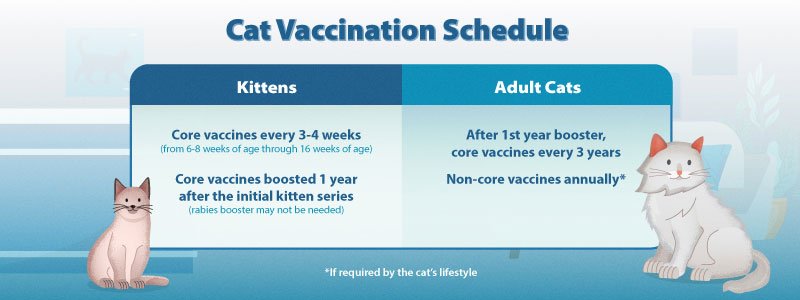
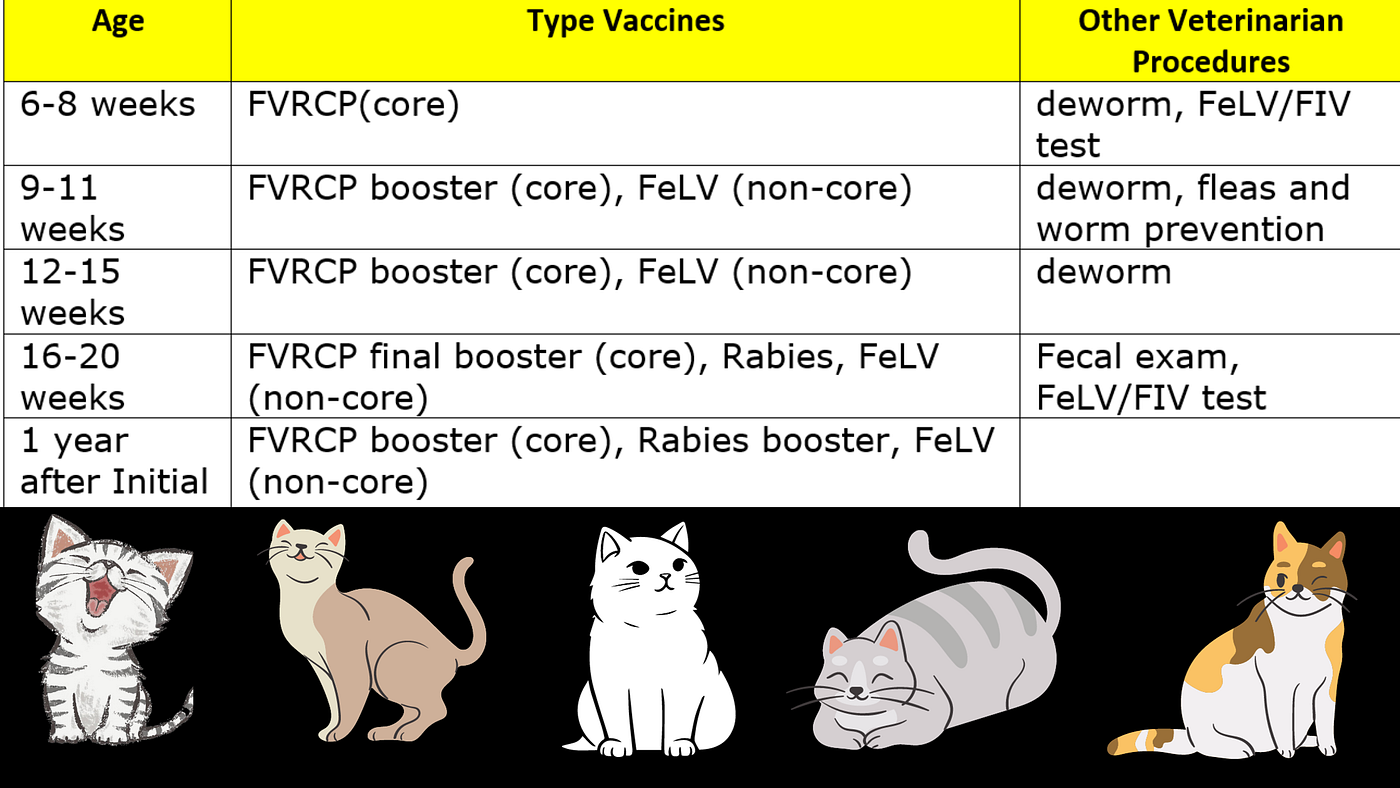
Kittens usually get their first rabies shot at 12 to 16 weeks old. This timing allows their immune system to respond well. Early vaccination helps prevent rabies from an early age.
Booster Shot Frequency
After the initial shot, cats need booster vaccines to keep immunity strong. Boosters are given one year after the first vaccine. Then, most cats receive shots every one to three years.
The exact schedule depends on the vaccine type and your vet’s advice. Keeping up with boosters ensures your cat stays protected for life.
State And Local Requirements
Rabies vaccination laws vary by location. Some areas require yearly shots, others allow three-year vaccines. Check your state and city rules for your cat’s vaccination schedule.
Following local laws helps avoid fines and keeps your community safe. Your vet can provide guidance based on your area’s regulations.
Types Of Rabies Vaccines
Understanding the types of rabies vaccines available for your cat can help you make better decisions about their health. There are different vaccines designed to protect your pet, each with its own purpose and schedule. Knowing how these vaccines work and what to expect can put your mind at ease and ensure your cat stays safe.
Core Vs. Non-core Vaccines
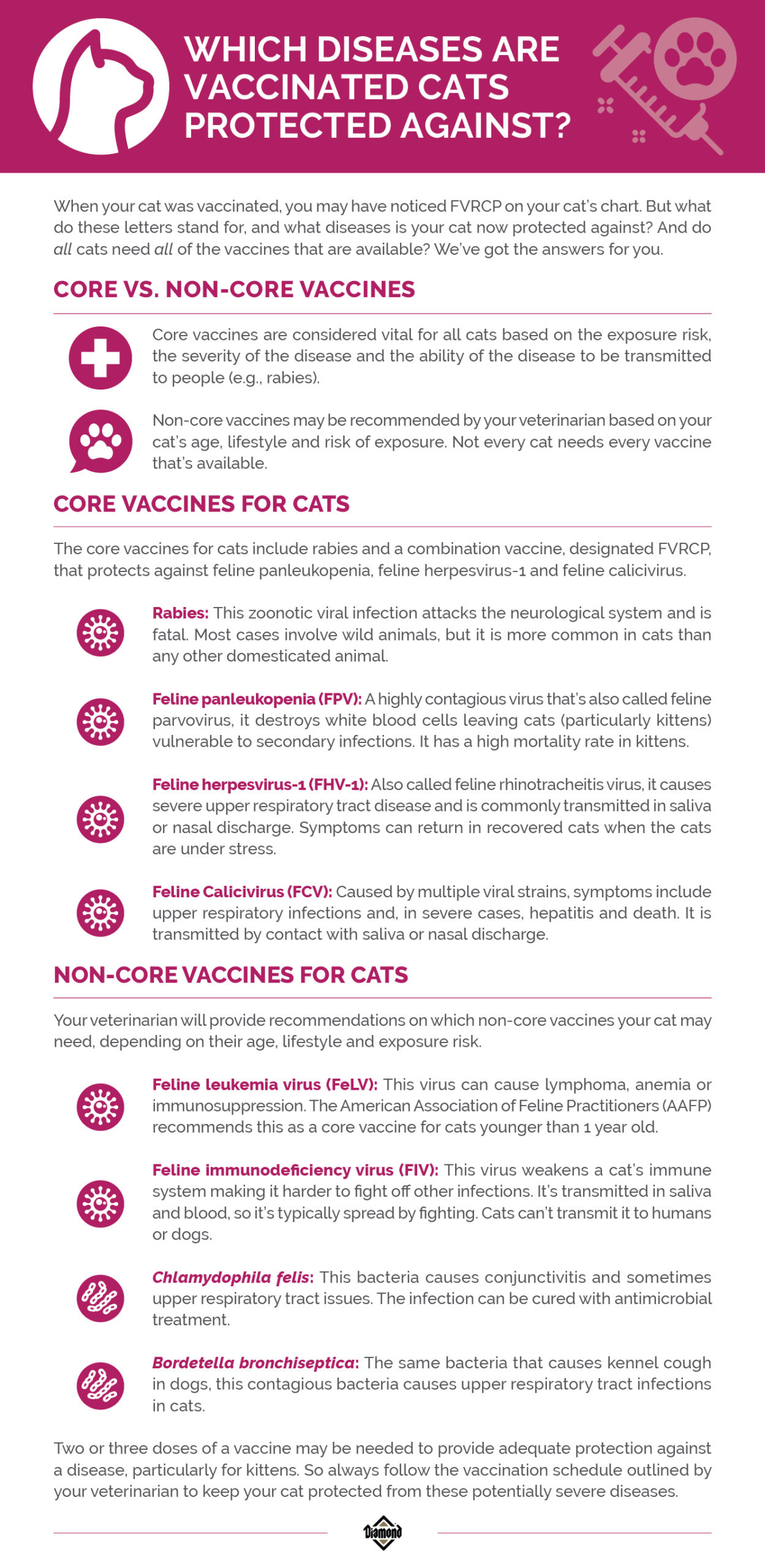
Rabies vaccine is considered a core vaccinefor cats, meaning it is essential for all cats due to the serious risk of the disease. Core vaccines protect against diseases that pose a significant threat to your cat’s health and public safety. Non-core vaccines, on the other hand, are given based on your cat’s lifestyle and risk factors, such as exposure to other animals or outdoor activity.
Have you thought about whether your cat’s lifestyle might require additional vaccines beyond rabies? Discussing this with your vet can help tailor a vaccination plan that fits your cat’s unique needs.
Vaccine Effectiveness
Rabies vaccines are highly effective at preventing the disease when administered properly and on schedule. Most vaccines provide protection for at least one to three years, depending on the type used and local regulations. Your vet will recommend a booster schedule to maintain immunity over your cat’s lifetime.
Keep track of your cat’s vaccination dates and never miss a booster—it’s key to keeping that protection strong. If you’re unsure about your cat’s vaccine history, a quick call to your vet can clarify what’s needed next.
Possible Side Effects
Like any vaccine, rabies shots can cause mild side effects such as soreness at the injection site, slight fever, or tiredness. These symptoms typically resolve within a day or two and are a sign your cat’s immune system is responding. Serious reactions are rare, but if your cat shows swelling, difficulty breathing, or persistent vomiting, contact your vet immediately.
Have you ever noticed your cat acting differently after a vaccine? Monitoring them closely after shots helps catch any issues early and gives you peace of mind.
Factors Affecting Vaccination Frequency
Understanding how often your cat needs a rabies shot depends on several important factors. These elements influence the vaccination schedule and help keep your furry friend safe. Let’s look at what affects how frequently your cat should get vaccinated.
Indoor Vs. Outdoor Cats
Your cat’s lifestyle plays a big role in vaccination frequency. Outdoor cats face higher risks from wildlife and other animals, increasing their chances of exposure to rabies. Because of this, vets often recommend more frequent vaccinations for outdoor cats.
Indoor cats generally have less exposure to rabies risks, but that doesn’t mean they should skip shots. Even indoor cats can escape or come into contact with bats or other infected animals. So, regular vaccinations still matter for their protection.
Age And Health Considerations
Age affects how often your cat needs a rabies shot. Kittens usually start their rabies vaccinations around 12 weeks old, with a booster a year later. After that, the frequency can vary depending on your cat’s overall health and immune response.
If your cat has health issues or a weakened immune system, your vet might adjust the vaccination schedule. Sometimes, a less frequent or modified approach is safer for older or sick cats. Have you noticed any health changes in your cat that might affect their vaccine needs?
Veterinarian Recommendations
Your vet knows your cat’s history and local risks better than anyone. They consider local laws, rabies outbreaks, and your cat’s lifestyle to suggest the best vaccination plan. These recommendations can change over time, so regular vet visits are crucial.
Don’t hesitate to ask your vet why a certain vaccination schedule is best for your cat. Understanding their advice helps you make informed decisions. How often does your vet recommend rabies shots for your cat, and do you follow that schedule?
Legal Implications Of Rabies Vaccination
Rabies vaccination for cats is not just a health choice but a legal obligation in many places. Laws ensure pets and people stay safe from this deadly disease. Understanding these legal rules helps pet owners avoid fines and protect their pets.
Pet Licensing Rules
Many states require proof of rabies vaccination to license your cat. Without a current vaccine, you cannot get a pet license. Cities often enforce strict rules to keep rabies under control. Licensing helps track pets and their vaccination status. It also supports public health programs.
Travel And Boarding Requirements
Traveling with your cat often needs up-to-date rabies shots. Airlines and hotels usually ask for vaccination proof. Boarding facilities require it to protect all animals on site. Without this, your cat may be denied entry or service. Keep vaccination records handy for smooth travel or stays.
Liability In Case Of A Bite
If your cat bites someone, rabies vaccination status matters legally. A vaccinated cat reduces your liability risk. Unvaccinated pets could lead to costly legal problems. Courts may hold owners responsible for damages and medical costs. Vaccination shows responsible pet ownership and helps avoid lawsuits.

Credit: weareallaboutcats.com
Tips For Scheduling Rabies Shots
Scheduling rabies shots for your cat can feel overwhelming, but a few simple tips make the process smoother and more reliable. Staying organized helps you avoid missed vaccinations and keeps your cat safe from this serious disease. Let’s dive into some practical advice that helps you keep on track.
Keeping Vaccination Records
Keep a dedicated folder or digital file for all your cat’s vaccination documents. This makes it easy to check when the next rabies shot is due and provides proof if you travel or board your cat. Don’t forget to update these records immediately after each vet visit.
Have you ever scrambled to find a vaccine record right before an appointment? Avoid that stress by setting calendar reminders alongside your records.
Coordinating With Other Vaccines
Ask your vet if you can schedule rabies shots alongside other vaccines like feline distemper or leukemia. Combining appointments saves time and reduces stress for your cat. Plus, it means fewer trips to the vet for you.
Make a checklist of all vaccines your cat needs annually and discuss it during your vet visit. This way, you stay proactive and avoid last-minute rushes.
Preparing Your Cat For The Visit
Help your cat feel calm before the vaccination by familiarizing them with their carrier and the car ride. Try short, positive trips that end with treats or play to build comfort. On the day, keep your cat relaxed by speaking softly and bringing a favorite toy or blanket.
Ever noticed how your cat reacts to the vet? Preparing them reduces anxiety and can make the entire visit quicker and smoother.
Credit: medium.com
Frequently Asked Questions
How Often Should My Cat Get A Rabies Shot?
Cats typically need a rabies shot every 1 to 3 years. The exact timing depends on the vaccine type and local laws. Annual or triennial boosters keep your cat protected and comply with regulations. Always consult your vet for the best schedule.
Why Is Rabies Vaccination Important For Cats?
Rabies is a deadly virus that affects cats and humans. Vaccinating your cat prevents the disease and protects your family. It also complies with legal requirements. Rabies shots are essential for outdoor cats and those in high-risk areas.
Can Indoor Cats Skip Rabies Vaccinations?
Indoor cats still need rabies vaccines. Accidental escapes or contact with wildlife can expose them. Many regions legally require all cats to be vaccinated regardless of lifestyle. Vaccination ensures comprehensive protection against rabies.
What Are The Side Effects Of Cat Rabies Vaccines?
Side effects are usually mild and temporary. Common reactions include soreness, mild fever, or lethargy. Serious side effects are rare. Monitor your cat after vaccination and contact your vet if symptoms worsen.
Conclusion
Cats need rabies shots to stay safe and healthy. Most cats require a vaccine every one to three years. Always follow your vet’s advice for the best schedule. Keeping your cat’s rabies shots up to date helps protect your pet and your family.
Regular vaccinations also comply with local laws. Don’t forget to keep records of your cat’s shots. Staying informed and responsible keeps your cat happy and protected from disease. A healthy cat is a happy cat.
