

If you have a cat, you probably want to keep it safe and healthy. One important way to do that is by making sure your cat gets its rabies shot on time.
But how often does your cat really need this vaccine? Knowing the right schedule can protect your furry friend from a deadly disease and keep your home safe too. You’ll discover exactly when and why your cat needs rabies shots—information every cat owner must have.
Keep reading to make sure you’re doing the best for your beloved pet.

Credit: millsanimalhospital.com
Importance Of Rabies Vaccination For Cats
Rabies vaccination is a critical part of keeping your cat safe and healthy. This deadly disease affects the nervous system and can be fatal not only to animals but also to humans. Ensuring your cat is vaccinated protects both your pet and everyone around them.
Protecting Your Cat From A Fatal Disease
Rabies is almost always fatal once symptoms appear. Vaccinating your cat is the only reliable way to prevent this outcome. You might think indoor cats are safe, but the virus can still reach them through unexpected encounters with wildlife.
Preventing The Spread To Humans And Other Animals
Cats can transmit rabies to you, your family, and other pets. A bite or scratch from an infected cat can pass the virus, putting human health at risk. Vaccination creates a barrier that helps stop rabies from spreading in your community.
Legal Requirements And Community Responsibility
Many places require rabies shots by law. This rule is not just bureaucratic—it helps control outbreaks. When you vaccinate your cat, you contribute to a safer environment for everyone.
Cost-effective Health Protection
Vaccination is a small investment compared to the cost of treating rabies exposure. Post-exposure treatments for humans are expensive and stressful. Keeping your cat vaccinated saves you money and worry in the long run.
How Often Should You Vaccinate?
You might wonder how often your cat needs a rabies shot. Typically, after the initial vaccine, boosters are required every 1 to 3 years depending on local laws and your vet’s advice. Regular vaccination appointments help you stay on top of your cat’s health.
Understanding Rabies And Its Risks
Rabies is a deadly virus that affects the nervous system of mammals, including cats. It spreads through the saliva of infected animals, usually via bites. Once symptoms appear, rabies is almost always fatal. This makes understanding the disease and its risks crucial for every cat owner.
Cats are at risk because they often interact with wild animals. Bats, raccoons, and skunks are common carriers of rabies. Even indoor cats can be exposed if a rabid animal gets inside. Vaccinating cats against rabies is the best way to protect them and your family.
What Is Rabies?
Rabies is a virus that attacks the brain and spinal cord. It causes severe inflammation and affects behavior. The virus spreads mainly through bites or scratches. Early signs include restlessness, confusion, and aggression.
How Rabies Spreads
- Bites from infected animals
- Scratches that break the skin
- Contact with saliva on open wounds or mucous membranes
Why Rabies Is Dangerous For Cats
Rabies changes a cat’s behavior and health quickly. Infected cats may become aggressive or very sick. Once symptoms show, the disease is fatal. Vaccination is the only effective prevention.
Risks To Humans
Rabies can spread from cats to humans. Bites or scratches from a rabid cat are very dangerous. Vaccinating cats helps stop this risk and keeps families safe.
Vaccination Schedule For Cats
Keeping your cat safe from rabies requires sticking to a clear vaccination schedule. Understanding when your cat needs the rabies shot helps you protect them effectively. Let’s break down the key points about the vaccination timeline so you know exactly what to expect and when to act.
Initial Vaccination
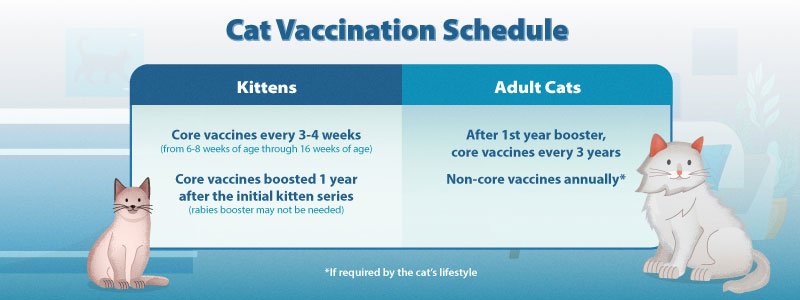
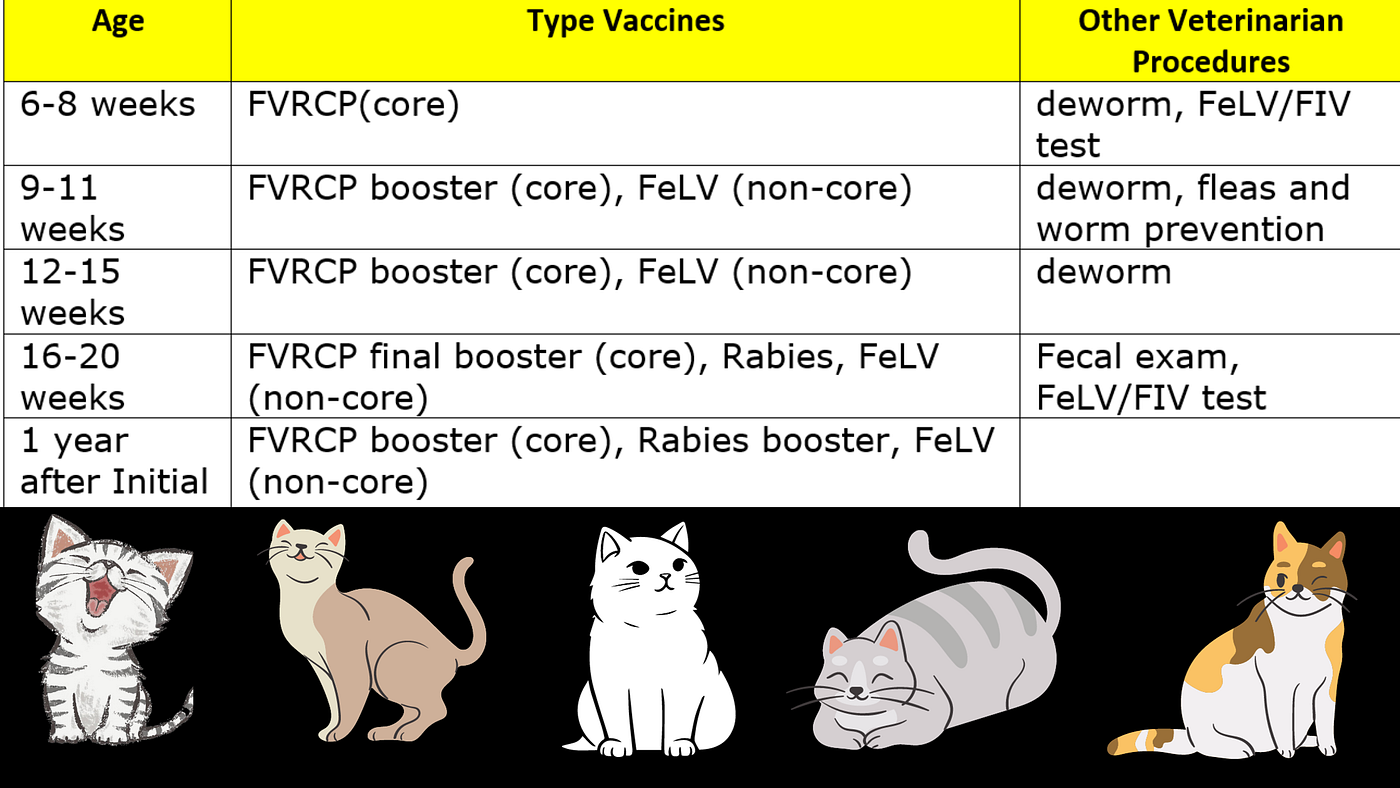
Your cat’s first rabies shot usually happens when they are around 12 to 16 weeks old. This timing ensures their immune system is ready to respond to the vaccine properly. Missing this window can leave your cat vulnerable, so mark this important milestone on your calendar.
Veterinarians often recommend this initial shot to coincide with other vaccines to reduce the number of visits. Have you ever scheduled multiple vaccines in one go? It can be easier on your cat and your busy schedule.
Booster Shots
After the initial vaccination, your cat will need booster shots to maintain protection. The first booster is typically given one year later. Then, depending on the vaccine type and local laws, boosters might be required every one to three years.
Keep track of these boosters carefully. Skipping or delaying them can reduce your cat’s immunity and increase the risk of rabies infection. Many pet owners find setting reminders on their phones helps keep the schedule on point.
Age Considerations
Older cats might have different vaccination needs compared to younger ones. If your cat is a senior or has health issues, your vet may adjust the schedule to suit their condition. Always discuss your cat’s individual health status before deciding on the vaccination plan.
Have you noticed how some cats react differently to vaccines as they age? Monitoring your cat’s response after each shot is important. This way, you can alert your vet if any side effects occur, ensuring your pet’s safety every step of the way.

Credit: weareallaboutcats.com
Legal Requirements And Guidelines
Understanding the legal requirements and guidelines for rabies shots in cats is vital for every pet owner. Laws vary by location but generally aim to protect public health. Staying informed ensures your cat remains safe and you comply with local rules.
State And Local Laws
Each state sets its own rabies vaccination laws for cats. Some require annual shots, others every three years. Local counties or cities may have stricter rules. Usually, rabies vaccination is mandatory for cats that go outside or interact with other animals.
Failure to follow these laws can lead to fines or other penalties. Keeping your cat’s rabies vaccine up to date helps avoid legal trouble. Check with your state or local animal control agency to learn specific rules.
Veterinarian Recommendations
Veterinarians suggest rabies vaccinations based on health and lifestyle. They assess your cat’s risk of exposure to rabies. Many vets recommend vaccinating kittens at three to four months old. Boosters are typically given one year after the first shot, then every one to three years.
Vets also consider your area’s rabies risk and your cat’s habits. Indoor cats might need fewer shots, but vets often advise vaccination for all cats. Regular vet visits ensure the vaccine schedule suits your cat’s needs.
Signs Of Rabies In Cats
Recognizing the signs of rabies in cats is crucial for early detection and safety. Rabies affects the brain and nervous system, causing noticeable changes. These signs may appear in different ways, often starting subtly and growing more severe over time.
Knowing these symptoms helps pet owners act quickly. Rabies is deadly, so spotting symptoms early can save lives. The signs fall mainly into two categories: behavioral changes and physical symptoms.
Behavioral Changes
- Sudden aggression or irritability
- Unusual fearfulness or hiding
- Restlessness and pacing
- Excessive drooling or difficulty swallowing
- Loss of appetite
- Unprovoked biting or scratching
These behaviors often worsen quickly. A calm cat may become hostile or scared. Watch for odd reactions to noise or touch. Rabid cats may seem confused or disoriented.
Physical Symptoms
- Weakness or paralysis in limbs
- Seizures or tremors
- Fever and lethargy
- Stiffness in the neck
- Difficulty breathing
- Foaming at the mouth
Physical signs usually appear after behavioral changes. Paralysis often starts in the hind legs. Breathing problems signal severe infection. These symptoms need immediate veterinary attention.
Credit: medium.com
Potential Side Effects Of Rabies Vaccine
Vaccinating your cat against rabies is essential for its health and safety, but it’s natural to wonder about the potential side effects of the rabies vaccine. Understanding these reactions helps you prepare and respond appropriately if your cat shows any signs of discomfort. Let’s break down what you might expect after your cat’s rabies shot and when you should seek professional advice.
Common Reactions
Most cats tolerate the rabies vaccine well, but some may show mild side effects shortly after the shot. These can include:
- Swelling or sorenessat the injection site, which usually goes away in a day or two.
- Lethargyor mild tiredness, as your cat’s immune system responds to the vaccine.
- Loss of appetitefor a day, which is often temporary.
- Sneezing or mild respiratory signsif the vaccine was given intranasally (less common).
In my experience, my cat once felt a bit tired and avoided his favorite treats for a day after his rabies shot. It worried me, but he bounced back quickly. Knowing these reactions are usually short-lived can ease your mind.
When To Consult A Vet
While most side effects are mild, some reactions require immediate veterinary attention. Look out for:
- Severe swelling or lumpsthat don’t shrink after a few days.
- Continuous vomiting or diarrhealasting more than 24 hours.
- Difficulty breathing, coughing, or wheezing.
- Collapse, seizures, or extreme lethargy.
- Hives or excessive itchingindicating an allergic reaction.
If your cat shows any of these signs, don’t wait. Quick action can prevent complications and keep your furry friend safe. Have you noticed any unusual reactions after a vaccine? Sharing your experience might help others stay alert and informed.
Maintaining Your Cat’s Health
Keeping your cat healthy takes ongoing care and attention. Vaccinations, like rabies shots, are essential. They protect your cat from serious diseases. Regular health care helps catch problems early. It also ensures your cat stays happy and active.
Regular Vet Check-ups
Vet visits are key for your cat’s health. Schedule check-ups at least once a year. Your vet can update vaccines and check for illness. Early detection leads to better treatment results. Discuss your cat’s lifestyle to adjust vaccine timing. Keep a record of all vaccinations and health notes.
Preventive Measures
Prevent illness before it starts with good care. Feed balanced food and provide clean water daily. Keep your cat indoors to avoid disease risks. Use flea and tick prevention regularly. Avoid contact with wild animals that may carry rabies. Monitor your cat’s behavior for signs of sickness.
Myths And Misconceptions
Understanding the truths behind common beliefs about your cat’s rabies vaccination can help you make better decisions for their health. Many myths and misconceptions create unnecessary fear or neglect when it comes to rabies shots. Let’s clear up some of these misunderstandings so you can protect your furry friend confidently.
Vaccine Safety Concerns
It’s normal to worry about vaccines, but rabies shots for cats are tested thoroughly for safety. Serious side effects are extremely rare, often less than 1 in 10,000 cases.
Some pet owners fear vaccines might cause illness or long-term harm. However, the risks of not vaccinating far outweigh the minimal risks involved with the shot.
Think about it this way: Would you avoid a flu shot because of a rare side effect? Protecting your cat from rabies is just as crucial and safe.
Rabies Transmission Myths
Many believe cats only get rabies if they bite a wild animal. Actually, any encounter with a rabid animal—skunks, bats, raccoons—can transmit the virus through scratches or open wounds too.
Some people assume indoor cats don’t need the vaccine. But cats can slip outside, or a bat might enter your home unnoticed. Isn’t it better to be safe?
Another misconception is that rabies is always obvious in animals. In reality, infected animals might not show symptoms immediately, making vaccination your best defense.
Frequently Asked Questions
How Often Should Cats Get A Rabies Shot?
Cats need a rabies shot every one to three years, depending on local laws and vaccine type. Annual boosters might be required in some areas. Always follow your vet’s advice for your cat’s vaccination schedule to ensure safety and legal compliance.
At What Age Do Kittens Get Their First Rabies Vaccine?
Kittens usually receive their first rabies vaccine at 12 to 16 weeks old. This timing helps build early protection against rabies. After the initial shot, follow-up boosters are necessary to maintain immunity throughout their life.
Can Indoor Cats Skip Rabies Vaccinations?
Indoor cats still require rabies vaccines in most regions. Rabies can be transmitted through wildlife bites or accidental outdoor exposure. Vaccinating indoor cats protects them and complies with legal requirements, keeping your pet and community safe.
What Are The Legal Requirements For Cat Rabies Shots?
Rabies vaccination laws vary by location but often require cats to be vaccinated every one to three years. Check local regulations to ensure your cat’s rabies shots comply with legal standards and avoid penalties.
Conclusion
Cats need rabies shots to stay healthy and safe. Most vets suggest a vaccine every one to three years. This depends on the type of vaccine used and local rules. Keeping your cat’s rabies shot up to date helps protect your pet and others.
Always ask your vet for advice about the best schedule. Regular vaccinations prevent serious illness. Don’t skip these important shots. Your cat will thank you with many happy, healthy years. Simple steps keep your furry friend safe from rabies.
