

If you have an indoor cat, you might wonder how often they really need a rabies shot. You want to keep your furry friend safe without unnecessary trips to the vet.
Understanding the right timing for rabies vaccinations can protect your cat and give you peace of mind. You’ll discover exactly when your indoor cat needs their rabies shot and why it’s important, even if they never step outside. Keep reading to make sure your beloved pet stays healthy and protected year after year.
Credit: triangleanimalclinic.com
Rabies And Indoor Cats
Rabies is a serious disease that affects many animals, including cats. Many pet owners believe indoor cats are safe from rabies. This is not always true. Understanding how rabies can affect indoor cats helps keep them safe and healthy.
Risks For Indoor Cats
Indoor cats face fewer risks than outdoor cats. Still, they can catch rabies from unexpected sources. Wild animals can enter homes or yards. Bats, raccoons, and squirrels sometimes sneak inside. A bite or scratch from these animals can spread rabies.
Visitors or other pets may also carry rabies. If they have contact with an infected animal, they might bring the virus inside. Even a small chance of exposure means vaccination is important. Rabies is deadly and cannot be cured once symptoms appear.
Transmission Methods
Rabies spreads mainly through bites. The virus lives in an infected animal’s saliva. When this saliva enters a wound, the virus infects the new host. Scratches or open wounds can also allow the virus to enter.
Bats pose a unique risk. They may bite without owners noticing. Rabies can also spread if saliva contacts mucous membranes, like the eyes or mouth. Indoor cats may get exposed during a bat encounter inside the house.
Direct contact with wild animals or unvaccinated pets increases risk. Keeping cats indoors reduces chances but does not eliminate the threat. Vaccination remains the best protection against rabies.

Credit: millsanimalhospital.com
Rabies Vaccination Schedule
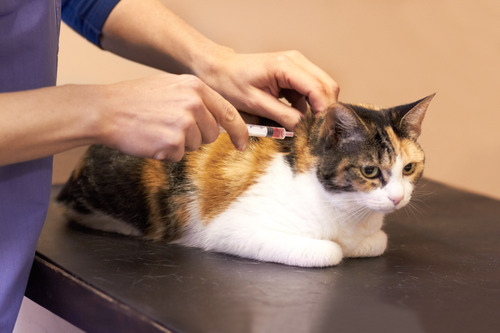
Understanding the rabies vaccination schedule helps protect your indoor cat from this deadly disease. Rabies vaccinations are essential even for cats that stay indoors. The vaccine prevents the virus from spreading and keeps your cat safe. Knowing when to vaccinate and give booster shots ensures ongoing protection.
Initial Vaccination
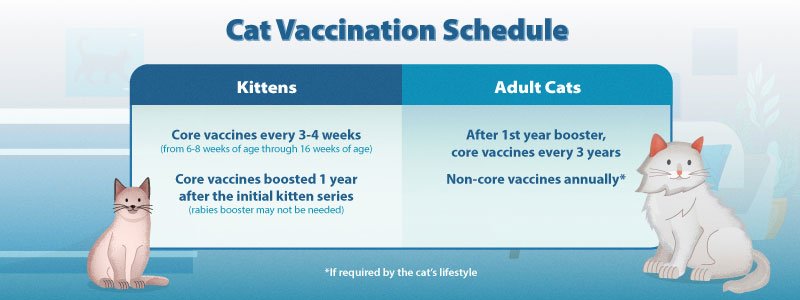
The first rabies shot is usually given when the kitten is 12 weeks old. This initial vaccine jump-starts the immune system. It helps the cat build defenses against the rabies virus early. Your veterinarian will provide the vaccine in a single dose. This dose is critical for your cat’s long-term health and safety.
Booster Shots Timeline
After the initial shot, booster vaccines are needed to maintain protection. The first booster is given one year after the initial vaccine. Then, boosters are usually given every one to three years. The exact timing depends on the vaccine type and local laws.
- First booster: 1 year after initial shot
- Subsequent boosters: every 1 to 3 years
Regular boosters ensure your cat remains immune to rabies throughout life. Always follow your vet’s advice on booster schedules.
Legal Requirements For Rabies Shots
Understanding the legal requirements for rabies shots is crucial if you own an indoor cat. Even if your feline rarely goes outside, many regions mandate vaccinations to protect public health and prevent disease outbreaks. Knowing these rules helps you avoid legal issues and keeps your pet safe.
Regional Variations
Rabies vaccination laws differ widely depending on where you live. Some states or countries require annual rabies shots for all cats, regardless of their lifestyle. Others may allow longer intervals between vaccines or exemptions for strictly indoor pets.
For instance, in California, indoor cats must be vaccinated, but the frequency can vary based on the vaccine type used. Meanwhile, in some parts of Europe, rabies vaccination for indoor cats isn’t mandatory unless they travel abroad. These differences make it essential to check your local regulations.
Have you checked your city or state’s specific rules? Local animal control or your veterinarian can provide clear guidance tailored to your area.
Compliance And Penalties
Failing to comply with rabies vaccination laws can lead to serious consequences. Penalties may include fines, mandatory quarantine of your cat, or even legal action. Some regions impose hefty fees that can quickly add up if vaccinations are neglected.
Besides legal trouble, non-compliance puts your cat and community at risk. Rabies is a fatal disease, and vaccination helps protect everyone around you. Think about how much peace of mind you gain by simply following the rules.
If you’re unsure about your cat’s vaccination status, now is the time to verify it. Staying compliant ensures your pet’s health and keeps you out of trouble with the law.
Health Benefits Beyond Rabies Prevention
Getting your indoor cat a rabies shot isn’t just about preventing rabies. There are several health benefits that often go unnoticed but play a big role in keeping your cat healthy and happy. Understanding these benefits can help you see vaccinations as a vital part of your cat’s overall wellness plan.
Overall Immune Support
Vaccinations stimulate your cat’s immune system, helping it recognize and fight off harmful viruses and bacteria more effectively. This boost isn’t limited to rabies; it strengthens your cat’s defenses against future infections.
Think about it like training your cat’s immune system to be alert and ready. A stronger immune system means your cat can recover faster from illnesses and stay healthier in the long run.
Protection From Other Diseases
While rabies shots target a specific virus, many vaccination schedules include additional shots that guard against diseases like feline distemper, calicivirus, and herpesvirus. These illnesses can be serious or even fatal if left unchecked.
By keeping up with your cat’s rabies vaccine schedule, you often keep other vaccinations current, creating a shield against multiple threats. Have you ever wondered how many diseases you might be unknowingly protecting your cat from just by staying on top of rabies shots?
Signs Your Cat May Need A Rabies Shot Sooner
Knowing when your indoor cat might need a rabies shot sooner than scheduled can protect both your pet and your family. Rabies vaccinations typically follow a regular timeline, but certain signs and situations can signal the need for an earlier booster. Paying attention to these clues helps you act quickly and keep your cat safe.
Exposure Risks
Even indoor cats can face unexpected exposure to rabies. Has your cat ever escaped outside or encountered wild animals like bats, raccoons, or stray cats? These encounters increase the chance of infection and mean you should consult your vet immediately.
Think about any recent changes in your environment. New construction nearby might drive wild animals closer to your home. Also, if neighbors have outdoor cats or pets that roam freely, your indoor cat could be at risk through indirect contact.
Behavioral Changes
Unusual behavior can be a red flag. If your cat suddenly becomes aggressive, restless, or unusually shy, it might be more than just a mood shift. Rabies affects the nervous system and can cause noticeable changes in how your cat acts.
Watch for symptoms like excessive drooling, difficulty swallowing, or uncoordinated movements. These signs are serious and require immediate veterinary attention. Have you noticed your cat acting strangely after any potential exposure?

Credit: weareallaboutcats.com
Choosing The Right Veterinarian
Choosing the right veterinarian is crucial when it comes to keeping your indoor cat safe from rabies. This decision impacts not only the quality of care your cat receives but also how comfortable and informed you feel about vaccination schedules. A trusted vet can guide you through the process and ensure your pet’s health is managed effectively.
Questions To Ask
Before deciding on a veterinarian, consider asking specific questions to understand their approach to cat vaccinations and overall care. For instance:
- How often do you recommend rabies shots for indoor cats?
- What are the potential side effects of the rabies vaccine?
- Do you offer reminders or follow-up appointments for vaccinations?
- Can you provide information on any alternative vaccination schedules?
Asking these questions helps you gauge the vet’s expertise and commitment. It also shows how much they prioritize your cat’s unique needs.
Vaccination Costs
Understanding the costs involved with rabies vaccinations can help you plan your budget and avoid surprises. Prices vary widely depending on location, clinic, and the type of vaccine used.
| Clinic Type | Typical Cost Range | Additional Services |
|---|---|---|
| Private Veterinary Clinic | $25 – $50 | Full health check, personalized advice |
| Low-Cost Vaccination Clinics | $15 – $30 | Basic vaccination only |
| Mobile Vet Services | $40 – $70 | Convenience of home visit |
Ask your vet about any package deals or payment plans. Some clinics may bundle vaccines with other wellness exams, saving you money in the long run.
Myths About Indoor Cats And Rabies
Many cat owners believe that indoor cats don’t need rabies shots because they are “safe” inside the home. This idea seems logical at first, but it overlooks some important realities. Understanding the myths about indoor cats and rabies helps you make better choices for your pet’s health and safety.
Common Misconceptions
One common misconception is that indoor cats have zero risk of rabies exposure. You might think your cat never leaves the house, so they can’t catch rabies. However, rabies can be transmitted through contact with infected bats or other wildlife that occasionally enter your home.
Another myth is that rabies vaccines are only necessary for outdoor cats. Many owners assume that since their cat doesn’t roam, the vaccine is unnecessary. But even indoor cats can accidentally get exposed if a bat sneaks inside or if your cat escapes briefly.
Some people also believe the rabies vaccine causes more harm than good. While vaccines can have minor side effects, the risk of rabies is far more dangerous. Skipping vaccination could leave your cat vulnerable to a fatal disease.
Fact-checking Tips
Ask your veterinarian specific questions about rabies risks for indoor cats. They can provide information based on your local area and any known wildlife threats. Don’t rely on hearsay or online rumors alone.
Check local laws about rabies vaccination requirements. Many places legally require all cats to be vaccinated, regardless of their lifestyle. Knowing the rules helps you avoid fines and keeps your cat protected.
Look for credible sources like veterinary associations or government health websites to get accurate information. Avoid trusting unverified social media posts or anecdotal stories that may spread misinformation.
Have you ever considered how a bat in your attic could affect your indoor cat’s health? Understanding these risks might change how you approach vaccinations and keep your feline friend safe.
Frequently Asked Questions
How Often Should Indoor Cats Get A Rabies Shot?
Indoor cats typically need a rabies shot every 1 to 3 years. The exact timing depends on local laws and the vaccine type used. Regular vaccination helps prevent rabies, a fatal disease, even for indoor cats.
Why Vaccinate Indoor Cats Against Rabies?
Vaccinating indoor cats protects them from rabies exposure through accidental contact with wildlife or other animals. It also ensures compliance with local regulations and helps safeguard your pet and family’s health.
Can Indoor Cats Skip Rabies Vaccinations?
No, indoor cats should not skip rabies vaccinations. Rabies is deadly and can spread through bites or scratches. Vaccination is a crucial preventive measure, regardless of your cat’s indoor lifestyle.
What Are The Legal Rabies Vaccine Requirements For Cats?
Rabies vaccine laws vary by location but often require cats to be vaccinated by 3 to 4 months old. Check local regulations to ensure your indoor cat stays compliant and protected.
Conclusion
Indoor cats need rabies shots to stay safe and healthy. Most vets recommend a shot every one to three years. This depends on the vaccine type and local laws. Even if your cat stays inside, risks from other animals remain.
Keeping vaccinations up to date protects your cat and family. Talk to your vet about the best schedule. Regular shots help avoid serious health problems. Stay informed and keep your indoor cat protected. Simple steps make a big difference in your pet’s life.
