

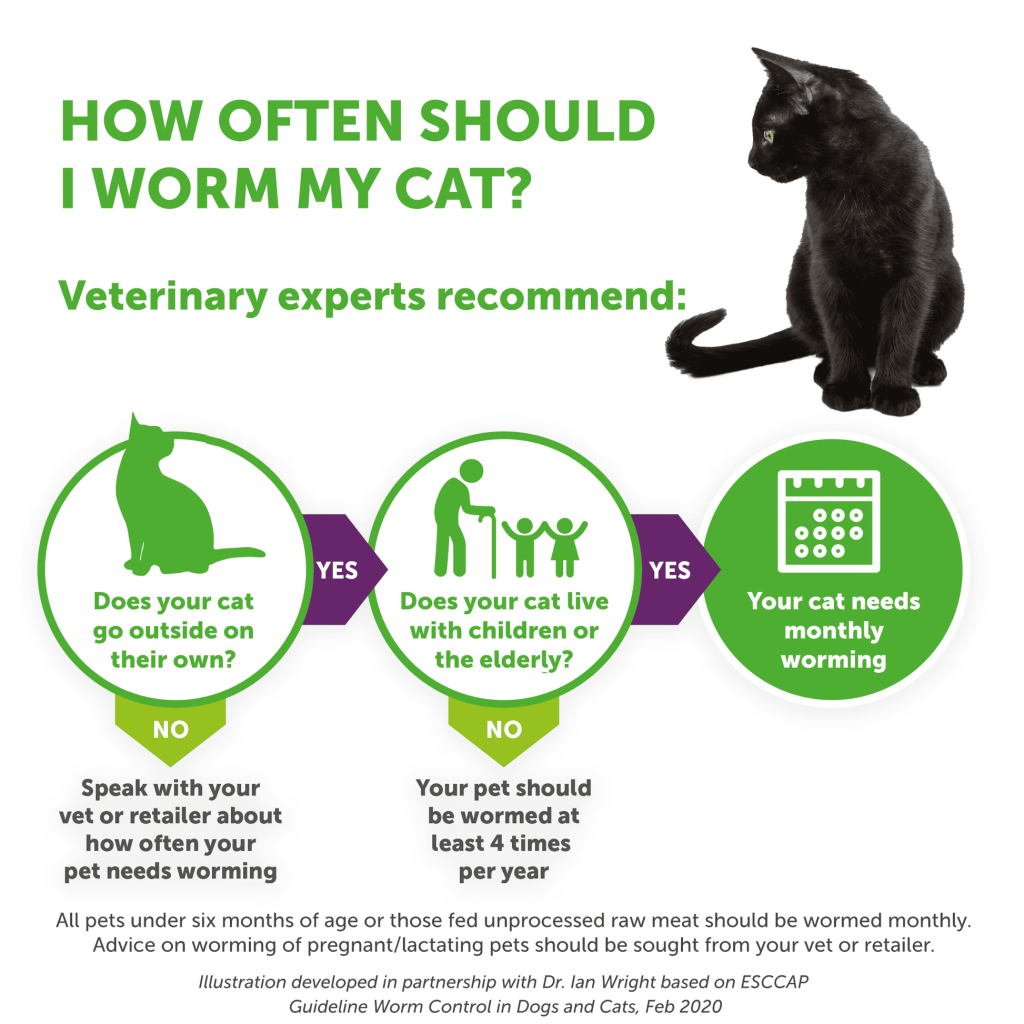
Are you wondering how often your cat really needs worming? Keeping your furry friend healthy means protecting them from worms, but it’s easy to get confused about the right schedule.
Worms can cause serious problems if left unchecked, and missing just one treatment could put your cat at risk. You’ll discover the simple steps to keep your cat worm-free and why timing matters more than you think. Keep reading to learn exactly how often you should worm your cat—and keep them happy and healthy for years to come.

Credit: www.beaphar.co.uk
Why Worming Is Important
Understanding why worming is important for your cat is key to keeping them healthy and happy. Worms may seem like a minor nuisance, but they can cause serious health problems if left untreated. Regular worming helps protect your cat and those around them from these hidden dangers.
Protecting Your Cat’s Health
Worms can cause discomfort and illness in cats. They may lead to weight loss, vomiting, diarrhea, and even anemia. You might not notice these signs immediately, but worms can slowly damage your cat’s organs over time.
One cat I cared for had a persistent cough and low energy. After a vet visit, we found it had lungworms. Treating the worms improved its health dramatically. This shows how important regular worming is to catch problems early.
Preventing Spread To Humans And Other Pets
Some worms can pass from cats to humans, especially children and elderly family members. Hookworms and roundworms are common examples that can cause illness in people. Worming your cat reduces this risk and keeps your home safer.
Pets in multi-cat households can easily spread worms to each other. Regular treatment helps control this cycle and keeps all your pets healthier. It’s a simple step that benefits everyone in your household.
Maintaining A Clean Environment
Worm eggs are often found in your cat’s feces, which can contaminate your garden or home. This contamination can last for months and infect other animals or humans. Routine worming lowers the chances of this environmental buildup.
Have you noticed your cat digging outside or using a litter box outdoors? These activities increase exposure to worm eggs. Keeping up with worming schedules helps keep the spaces your cat uses cleaner and safer.
Supporting Your Cat’s Immune System
Worm infestations put extra strain on your cat’s immune system. This makes them more vulnerable to other diseases and infections. Regular worming helps your cat stay strong and better equipped to fight off illness.
Think about your cat’s energy levels and overall mood. A worm-free cat is often more playful and lively. Don’t underestimate how much worming can improve your cat’s quality of life.
Common Types Of Worms In Cats
Understanding the common types of worms that affect cats helps you recognize the signs and take timely action. Worm infestations can cause discomfort and serious health issues in your feline friend. Knowing what each worm does makes it easier for you to decide how often your cat needs worming treatments.
Roundworms
Roundworms are among the most common worms found in cats, especially kittens. They live in the intestines and can cause vomiting, diarrhea, and a pot-bellied appearance. If your cat is scratching around its bottom or you notice worms in its stool, roundworms might be the cause.
These worms are often passed from mother cats to their kittens, so early treatment is crucial. Regular worming can prevent a heavy infestation that may lead to poor growth and lethargy.
Tapeworms
Tapeworms are long, flat worms that attach to the lining of the intestines. Cats usually get them from fleas, which carry tapeworm larvae. If you see small, rice-like segments around your cat’s anus or in its bedding, it’s a sign of tapeworms.
Treating fleas effectively is key to controlling tapeworms. Worming medication specifically targeting tapeworms will clear the infestation, but flea control must be consistent to prevent reinfection.
Hookworms
Hookworms are tiny but dangerous. They latch onto the intestinal wall and feed on your cat’s blood, leading to anemia and weakness. Kittens and older cats are especially vulnerable.
These worms can enter through the skin or be ingested, so outdoor cats have a higher risk. Frequent worming keeps hookworm infestations under control and protects your cat’s overall health.
Heartworms
Heartworms are less common in cats than dogs but can still pose a serious threat. They live in the heart and lungs, causing breathing problems and sometimes sudden death. Unlike other worms, heartworms require prevention rather than just treatment.
If your cat goes outside or lives in an area with mosquitoes, talk to your vet about heartworm prevention. This type of worming is a crucial part of protecting your cat’s life.
Signs Your Cat Might Have Worms
Noticing signs that your cat might have worms can save you from bigger health issues down the line. Worm infections are common but often go unnoticed until symptoms become obvious. Being able to spot these signs early helps you take quick action to protect your furry friend.
Visible Worms In Stool Or Around The Anus
One of the clearest signs is seeing worms or worm segments in your cat’s litter box or around their rear. These can look like tiny rice grains or spaghetti strands. If you spot anything unusual, don’t wait—take a sample to your vet for confirmation.
Changes In Appetite And Weight
Has your cat suddenly lost interest in food or started eating more but losing weight? Worms can steal nutrients from your cat’s digestive system, causing these changes. If you notice your cat’s waistline shrinking despite normal eating habits, it’s time to check for worms.
Vomiting And Diarrhea
Worm infestations often cause digestive upset. If your cat is vomiting or has diarrhea frequently, worms could be the culprit. Persistent digestive problems shouldn’t be ignored, especially if they come with other signs like lethargy or a dull coat.
Visible Changes In Coat And Skin
A healthy cat usually has a shiny, soft coat. Worms can make your cat’s fur look dull, rough, or patchy. You might also notice itching or excessive grooming, which could indicate discomfort caused by parasites.
Behavioral Changes And Lethargy
Have you noticed your cat being unusually tired or less playful? Worms can drain your cat’s energy, making them lethargic. If your cat is hiding more or seems less interested in usual activities, it’s a sign worth investigating.
Swollen Abdomen
A bloated or swollen tummy can signal a serious worm infestation. Especially in kittens, a potbellied appearance often means worms are affecting their health. This symptom requires prompt veterinary attention.
Have you ever caught your cat showing any of these signs? Early detection can make worm treatment much easier and more effective.
Recommended Worming Schedule
Worming cats is essential to keep them healthy and free from parasites. A regular worming schedule protects your cat from worms that can cause discomfort and serious illness. Different life stages require different worming frequencies. Following the right schedule ensures your cat stays safe.
Kittens
Kittens need worming more often because they are more vulnerable. Start worming at two weeks old. Repeat every two weeks until they are twelve weeks old. After that, worm once a month until six months old. This routine helps remove worms passed from the mother or picked up from the environment.
Adult Cats
Adult cats need worming less often but still regularly. Worm them every three months to prevent infestations. Cats that go outdoors or hunt may need more frequent treatments. Keep an eye on their health and talk to your vet about the best schedule.
Senior Cats
Senior cats have weaker immune systems. Worming every three to six months is usually enough. Watch for signs of worms, like weight loss or a dull coat. Adjust the schedule based on your vet’s advice and your cat’s lifestyle.
Choosing The Right Worming Products
Choosing the right worming product for your cat is important. The right choice keeps your cat healthy and free from parasites. Different products suit different cats and situations. Understanding options helps you pick what works best.
Over-the-counter Options
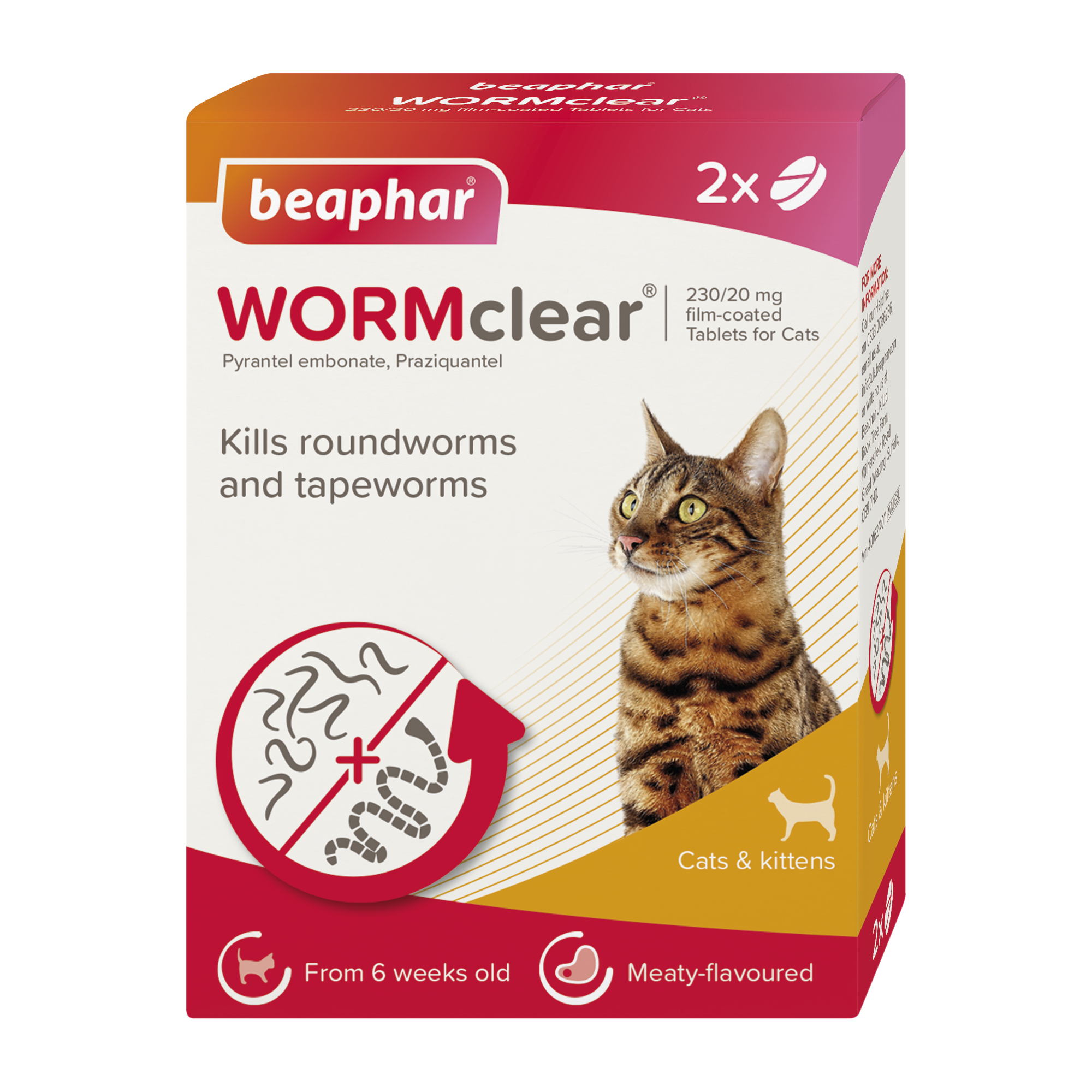
These products are easy to buy without a vet’s prescription. They often come as tablets, liquids, or spot-on treatments. Many cover common worms like roundworms and tapeworms. Always read the label to check which worms it treats. Over-the-counter options are good for routine prevention.
Prescription Medications
Prescription wormers are stronger and cover more types of worms. Vets recommend them for heavy infestations or specific parasites. These medicines may have fewer side effects and work faster. A vet can advise on the right dose and type for your cat. Use prescription drugs exactly as directed for safety.
Natural Remedies
Some cat owners prefer natural worming methods. Herbs like pumpkin seeds and diatomaceous earth are popular choices. Natural remedies might help reduce worms but are less proven. They should not replace veterinary treatment if worms are severe. Always discuss natural options with your vet first.

Credit: www.viovet.co.uk
Administering Worming Treatments
Administering worming treatments is essential to keep cats healthy. These treatments help remove worms that cause discomfort and illness. Choosing the right treatment depends on your cat’s needs and your vet’s advice. Understanding the common types of worming treatments makes the process easier and safer.
Pills And Tablets
Pills and tablets are common for worming cats. They contain medicine that kills worms inside the body. Some cats take pills easily, while others may resist. You can hide pills in soft food to help your cat swallow them. Always follow the dosage instructions carefully to ensure effectiveness.
Topical Treatments
Topical treatments are liquids applied to the cat’s skin. Usually, vets recommend putting the medicine between the shoulder blades. The medicine spreads through the skin and kills worms. This method is quick and less stressful for cats that dislike pills. Make sure the cat does not lick the treated area until dry.
Injections
Injections are another option for worming cats. A vet usually gives these shots at the clinic. Injections deliver medicine directly into the bloodstream, working fast. This method is useful for cats that refuse oral or topical treatments. Always have a vet handle injections to ensure safety and correct dosing.
Preventing Worm Infestations
Preventing worm infestations in cats protects their health and comfort. Worms can cause serious problems if left untreated. Keeping your cat free from worms requires a mix of good habits and care. Focus on regular health checks, clean surroundings, and pest control to lower risks.
Regular Vet Check-ups
Schedule vet visits at least twice a year. Vets check for worms and other health issues. Early detection helps treat worms before they cause harm. Follow your vet’s advice on worming medicines. Keep a record of all treatments for reference.
Maintaining Clean Living Conditions
Clean your cat’s bedding and litter box often. Remove waste daily to stop worm eggs spreading. Wash food and water bowls regularly. Avoid letting your cat roam in dirty or wild areas. Clean floors and furniture where your cat rests.
Controlling Fleas And Ticks
Fleas and ticks can carry worms to cats. Use vet-recommended flea and tick treatments. Check your cat’s fur weekly for pests. Keep your home and yard free of fleas and ticks. Control pests to reduce worm infection chances.
Potential Risks And Side Effects
Worming your cat is essential, but it’s important to understand the potential risks and side effects involved. These treatments can affect your feline friend differently depending on their age, health, and the type of wormer used. Knowing what to watch for helps you keep your cat safe and comfortable.
Common Side Effects Of Cat Worming
Most cats tolerate worming treatments well, but some may experience mild side effects. These can include:
- Temporary vomiting or diarrhea
- Lethargy or reduced appetite for a day or two
- Itching or mild skin irritation if the product is topical
These symptoms usually pass quickly, but if they persist, you should contact your vet.
Serious Risks To Watch For
Though rare, serious reactions can happen. Some cats may develop allergic reactions that cause swelling, difficulty breathing, or severe vomiting. Immediate veterinary attention is crucial if you notice these signs.
Certain wormers can be toxic to kittens or cats with underlying health issues. Always check the product’s safety for your cat’s specific condition before use.
How Your Cat’s Health Affects Worming Safety
Your cat’s age, weight, and medical history play big roles in how they handle worming medication. Young kittens and older cats tend to be more sensitive. If your cat is pregnant or has chronic illnesses, consult your vet for the safest options.
Adjusting the dose or choosing a different type of wormer may reduce side effects and risks.
Balancing Worming Benefits Against Potential Risks
Worming prevents serious health problems caused by parasites, but the treatment itself isn’t without potential downsides. Ask yourself: is the timing right? Could the wormer interfere with other medications your cat is taking?
Discussing these questions with your vet ensures you protect your cat without causing harm.
When To Consult A Veterinarian
Knowing when to consult a veterinarian about worming your cat is crucial for your pet’s health. Worm infestations can sometimes be subtle, and missing the signs can put your cat at risk. Understanding the right moments to seek professional advice ensures timely treatment and peace of mind.
Signs Of A Possible Worm Infestation
Look out for symptoms like vomiting, diarrhea, weight loss, or a dull coat. If your cat suddenly shows these signs, it’s time to visit the vet. Sometimes, worms are visible in the stool or around the anus, which should never be ignored.
Before Starting Or Changing Worming Treatments
If you’re unsure about the type or frequency of worming medication your cat needs, ask your vet. They can recommend the best treatment based on your cat’s age, lifestyle, and health history. Avoid guessing or using over-the-counter products without guidance.
After Exposure To High-risk Environments
Cats that roam outdoors or interact with other animals may have higher chances of picking up worms. If your cat hunts or visits places where other animals defecate, a vet check-up is wise. Early testing and treatment can prevent severe infestations.
When Your Cat Shows Allergic Reactions Or Side Effects
Sometimes worming medications can cause side effects like itching, swelling, or lethargy. If your cat reacts badly after a dose, stop the medication and consult your vet immediately. They can suggest alternative treatments or dosages tailored to your cat’s needs.
Regular Wellness Checks Include Worming Advice
Use your cat’s regular vet visits to discuss worming schedules. Your veterinarian can adjust the plan based on current health trends and any changes in your cat’s environment. These check-ups are the best opportunity to keep worming on track.
Credit: www.beaphar.co.uk
Frequently Asked Questions
How Often Should Indoor Cats Be Wormed?
Indoor cats should be wormed every three to six months. Regular worming prevents parasite buildup and protects their health. Consult your vet for the best schedule based on your cat’s lifestyle and risk factors.
Can Kittens Be Wormed Differently Than Adult Cats?
Yes, kittens require more frequent worming, starting at two weeks old. They need treatments every two weeks until 12 weeks, then monthly until six months. This protects them from common parasites and supports healthy growth.
What Types Of Worms Do Cats Commonly Get?
Cats often get roundworms, tapeworms, hookworms, and whipworms. These parasites can cause digestive issues and poor health. Regular worming helps eliminate these worms and keeps your cat healthy and comfortable.
Is Monthly Worming Necessary For Outdoor Cats?
Outdoor cats face higher parasite risks and benefit from monthly worming. Frequent treatment controls worms picked up from hunting or environment. Always follow your vet’s advice for the best preventive care.
Conclusion
Cats need worming regularly to stay healthy and happy. Most cats should get wormed every three months. Young kittens and outdoor cats may need it more often. Talk with your vet to find the best plan for your cat. Keeping up with worming helps stop worms from causing sickness.
A healthy cat feels better and lives longer. Simple steps like worming can protect your pet and your home. Don’t forget this small but important part of cat care. Regular worming is key to your cat’s well-being.
