

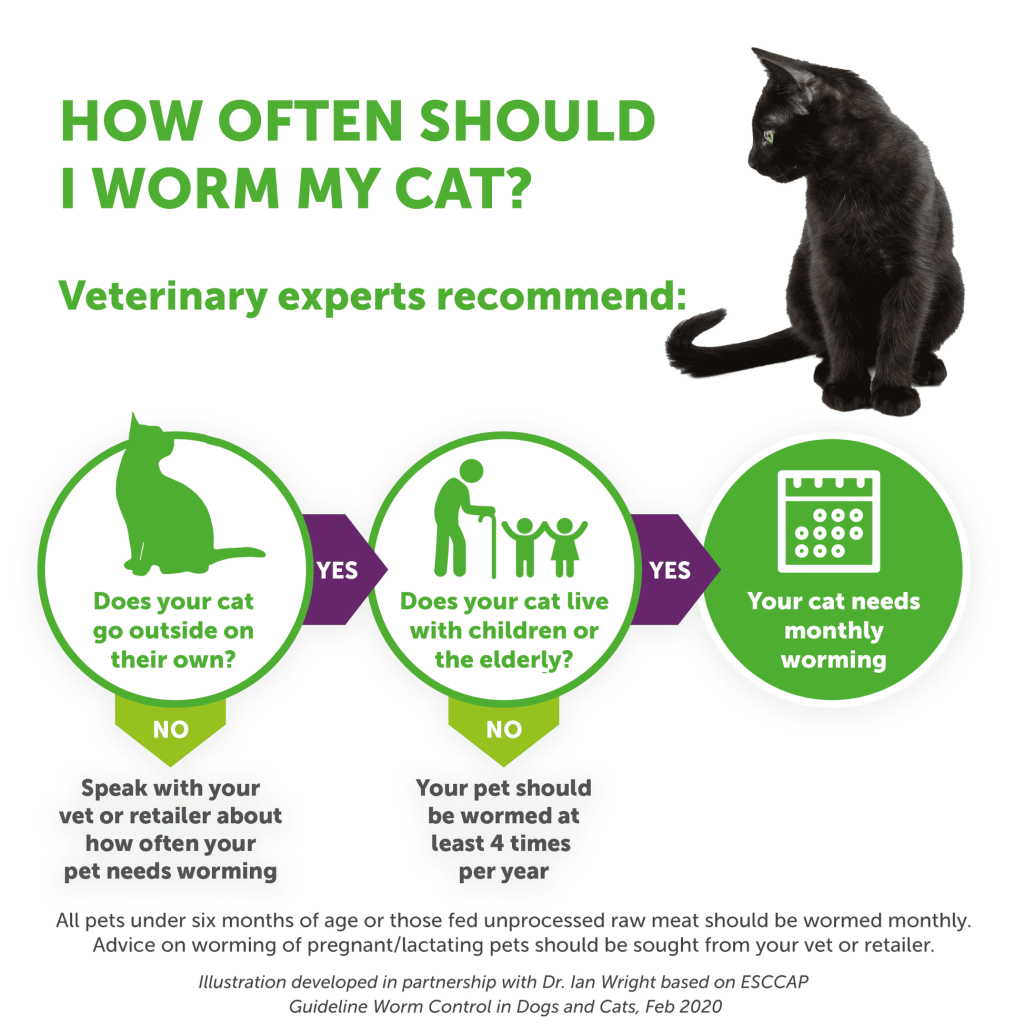
If you have a cat, you probably want to keep it healthy and happy. But do you know how often your cat needs to be wormed?
Worms can cause serious health problems for your furry friend, and regular worming is key to preventing them. You’ll discover exactly when and why you should worm your cat. By the end, you’ll feel confident in protecting your cat from these hidden dangers.
Keep reading to learn how to give your cat the care it truly deserves.

Credit: www.beaphar.co.uk
Why Worming Matters
Worming your cat is more than just a routine task; it’s a crucial step in protecting their health and happiness. Parasites can quietly affect your pet’s well-being without obvious signs. Understanding why worming matters helps you stay proactive and avoid serious health problems for your furry friend.
Common Parasites In Cats
Your cat can host several types of worms, each posing different risks. The most common include:
- Roundworms:These are the most frequently found in cats and can cause digestive issues.
- Tapeworms:Often picked up from fleas, tapeworms attach to the intestines and can cause weight loss.
- Hookworms:These small but harmful worms feed on blood and can lead to anemia.
- Whipworms:Less common but still dangerous, they affect the large intestine.
Knowing these helps you understand what your vet targets during worming treatments.
Health Risks Of Worms
Ignoring worm infestations can lead to serious complications. Worms steal nutrients from your cat, causing weight loss and poor coat condition.
Some worms can damage vital organs like the intestines and even the lungs. In severe cases, untreated infestations may lead to life-threatening conditions.
Worms can also pass to humans, especially children, making worming a family health matter.
Signs Of Worm Infestation
Worm infestations don’t always show clear symptoms, but some signs to watch for include:
- Visible worms or worm segments in your cat’s stool or around their anus
- Persistent vomiting or diarrhea
- Swollen belly, especially in kittens
- Excessive scratching or licking of the rear area
- Loss of appetite or weight loss despite eating normally
If you notice any of these, don’t wait. Contact your vet for a worm check and treatment options.
Worming Frequency For Cats
Knowing how often to worm your cat is essential for keeping them healthy and happy. Worming frequency depends on several factors including age, lifestyle, and environment. Tailoring your worming routine can protect your cat from parasites while avoiding unnecessary treatments.
Kittens Vs Adult Cats
Kittens are more vulnerable to worms because their immune systems are still developing. They usually need worming every 2 weeks until they reach 12 weeks old. After that, worming every month until 6 months is recommended.
Adult cats generally require less frequent worming. Most vets suggest worming adult cats every 3 months. However, if your adult cat shows signs of worms or has a high-risk lifestyle, you might need to worm them more often.
Indoor Vs Outdoor Cats
Indoor cats have a lower risk of picking up worms since they have limited contact with other animals and contaminated environments. You might only need to worm indoor cats twice a year.
Outdoor cats face greater exposure to parasites from soil, other animals, and prey. For these cats, monthly worming is often necessary to keep them safe. Watch your outdoor cat’s behavior and health closely for any signs of worms.
Seasonal Considerations
Parasite risks often increase during warmer months when fleas and other vectors are more active. Worming more frequently in spring and summer can help prevent infestations.
In colder seasons, the risk may drop, so you could reduce worming frequency but never stop completely. Monitoring your cat’s environment and local parasite trends helps decide the best schedule.
Have you noticed changes in your cat’s health with the seasons? Adjusting worming times to fit their specific needs can make a big difference in their wellbeing.
Choosing The Right Wormer
Choosing the right wormer for your cat is crucial for effective parasite control. The correct treatment depends on your cat’s health, age, and lifestyle. It also ensures safety and prevents resistance in worms. Understanding the types of worming treatments helps in making an informed choice.
Types Of Worming Treatments
Worming treatments come in various forms. Some common types include:
- Tablets or pills – easy to give with food
- Liquid suspensions – useful for precise dosing
- Spot-on treatments – applied on the skin
- Injections – administered by a vet
Each type targets specific worms and suits different cats. Choosing the right form helps with ease of use and effectiveness.
Natural Vs Chemical Options
Natural wormers use plant-based ingredients to kill parasites. They tend to be gentler on cats but may work slower. Chemical wormers act quickly and target a broad range of worms. They are widely tested and approved for safety. Consider your cat’s health and sensitivity when choosing between natural and chemical options.
Consulting Your Vet
Your vet knows your cat’s medical history and can recommend the best wormer. They can identify the specific worm type affecting your cat. Vets also advise on the correct dose and treatment schedule. Always follow their guidance to keep your cat healthy and worm-free.

Credit: justcatsclinic.com
Administering Worm Treatment
Administering worm treatment to your cat is a crucial part of keeping them healthy and comfortable. Knowing how to do it correctly can prevent complications and ensure the medicine works effectively. Let’s look at the key points to keep in mind when giving your cat worm treatment.
Safe Dosage Guidelines
Always follow the dosage instructions provided by your vet or the product label. Giving too little may not clear the worms, while too much can harm your cat. The correct dose often depends on your cat’s weight and age.
Double-check the dose before administering. If you’re unsure, ask your vet rather than guessing. It’s better to be safe, especially with kittens or older cats who may be more sensitive.
Methods Of Delivery
You can give worm treatment in several ways, depending on what your cat prefers and what the product offers. Tablets and capsules are common but can be tricky if your cat resists swallowing pills.
- Mixing the medicine with wet food
- Using a syringe for liquid treatments
- Applying topical treatments on the skin
Try to find the method that causes the least stress for both you and your cat. Remember, calm and gentle handling makes the process smoother. Have you noticed your cat responds better to one method over another?
Handling Side Effects
Most cats tolerate worm treatments well, but some might show mild side effects like vomiting or diarrhea. These usually pass quickly, but watch your cat closely after treatment.
If your cat seems unusually tired, refuses food, or has persistent symptoms, contact your vet immediately. Keeping a close eye helps you catch problems early and keep your pet safe.
Preventing Worm Infestations
Preventing worm infestations is key to keeping cats healthy and happy. Worms can cause serious health problems if left untreated. Taking simple steps can reduce the risk and protect your cat from discomfort and illness. Prevention involves good hygiene, smart diet choices, and regular veterinary care.
Hygiene Practices
Clean living areas help stop worm eggs from spreading. Wash your cat’s bedding often. Dispose of waste quickly and safely. Keep litter boxes clean every day. Avoid letting your cat roam in dirty places. Groom your cat regularly to check for fleas. Fleas can carry tapeworms, so controlling them is vital.
Diet And Lifestyle Tips
Feed your cat high-quality food to boost immunity. Avoid raw meat or fish that may carry parasites. Keep your cat indoors or supervise outdoor time. This lowers chances of catching worms from other animals. Provide fresh water daily to maintain good health. Discourage hunting small animals, as they often carry worms.
Regular Vet Checkups
Routine vet visits help detect worms early. Your vet can recommend the right worming schedule. They may perform fecal tests to check for parasites. Worming treatments should follow your vet’s advice. Regular checkups also spot other health issues quickly. Early detection means easier, faster treatment.

Credit: www.viovet.co.uk
Frequently Asked Questions
How Often Should Indoor Cats Be Wormed?
Indoor cats generally need worming every 3 to 6 months. Regular treatment prevents parasite buildup. Consult your vet for the best schedule.
When Should Kittens Start Worming Treatment?
Kittens should start worming at 2 weeks old. Repeat treatments every 2 weeks until 12 weeks. This protects them from common parasites early.
Can Worming Frequency Vary By Cat Lifestyle?
Yes, outdoor cats or hunters need more frequent worming. Their risk of parasites is higher. Discuss with your vet for a tailored plan.
What Are Signs A Cat Needs Worming?
Common signs include weight loss, vomiting, diarrhea, and a bloated belly. Regular check-ups help detect worms early. Treat promptly to avoid health issues.
Conclusion
Cats need regular worming to stay healthy and happy. Most vets suggest worming every three months. Young cats and outdoor cats may need it more often. Always follow your vet’s advice for best care. Regular worming prevents health problems for your cat and family.
Keep a schedule and watch for signs of worms. A healthy cat is a joyful companion. Simple steps like these keep worms away. Easy to do, and very important.
