

If you have a cat, you probably wonder how often your furry friend needs a rabies shot. Keeping your cat safe from rabies is important, but it can be confusing to know the right schedule for vaccinations.
You want to protect your pet without unnecessary trips to the vet. You’ll discover exactly how often your cat needs a rabies shot and why sticking to this schedule is crucial for their health—and your peace of mind. Keep reading to find out what every cat owner needs to know.
Importance Of Rabies Vaccination
Rabies vaccination for your cat is not just a routine shot; it’s a crucial step to protect your pet, your family, and your community. Rabies is a deadly virus that affects the brain and is almost always fatal once symptoms appear. Vaccinating your cat helps prevent this tragic outcome and controls the spread of the disease.
Many cat owners may wonder if indoor cats really need the vaccine. The answer is yes. Cats can escape outside or come into contact with bats or other wild animals that carry rabies without you even knowing.
Protecting Your Cat’s Health
Rabies vaccination shields your cat from a fatal disease. Once infected, there is no cure, and the disease progresses quickly. Vaccinating your cat means you’re giving them a fighting chance at a long, healthy life.
Think about the peace of mind you’ll have knowing your cat is safe from such a serious illness. It’s a simple step that can save your pet’s life.
Safeguarding Your Family And Community
Rabies can spread from animals to humans, often through bites. Vaccinating your cat reduces the risk of transmission to you, your children, and neighbors. This is especially important in neighborhoods where wildlife is common.
Would you want to risk your loved ones’ health by skipping this vaccine? Protecting your cat means protecting everyone around you.
Meeting Legal And Travel Requirements
Many states and countries require proof of rabies vaccination for cats. Whether you’re moving, boarding your cat, or visiting a vet, having up-to-date vaccinations is often mandatory. Missing this can lead to fines or quarantine.
Have you checked your local laws? Staying compliant saves you stress and keeps your cat’s records in order.
Building A Strong Defense Against Rabies
Rabies vaccination doesn’t just protect your cat today—it builds immunity that lasts for years. Boosters keep this protection strong. Skipping them can leave your cat vulnerable as immunity fades over time.
Imagine your cat encountering a rabid animal years after their last shot. Would you be confident they’re still protected? Keeping up with boosters is key to ongoing safety.

Credit: millsanimalhospital.com
Understanding Rabies In Cats
Rabies is a deadly virus that affects cats and many other animals. Understanding rabies helps protect your cat and family. This section explains how rabies spreads and what signs to watch for in cats.
Transmission And Risks
Rabies spreads mainly through bites from infected animals. Wild animals like bats, raccoons, and foxes often carry the virus. Cats that go outside have a higher risk of exposure. Even a small scratch can transmit rabies. The virus attacks the nervous system and can be fatal if untreated. Vaccinating cats reduces the risk of infection. Indoor cats have less chance of catching rabies but still need protection.
Symptoms And Effects
Rabies symptoms usually appear within weeks after exposure. Early signs include changes in behavior, such as unusual aggression or fear. Cats may also drool excessively or have trouble swallowing. Paralysis can develop, starting in the hind legs and spreading. Infected cats may become very weak and confused. Once symptoms show, rabies is almost always fatal. Quick medical attention is crucial after any bite or scratch.
Rabies Vaccination Schedule
The rabies vaccination schedule for cats is important to keep them safe. Rabies is a deadly disease that can spread to humans and other animals. Following the right vaccination schedule helps prevent this risk. Cats need a series of shots to build and maintain immunity. Understanding when to vaccinate your cat ensures they stay protected throughout their life.
Initial Vaccination
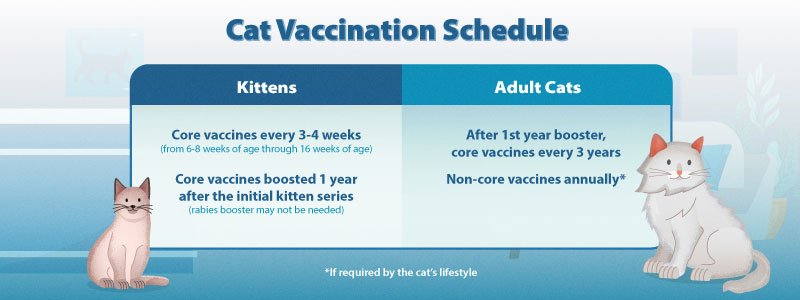
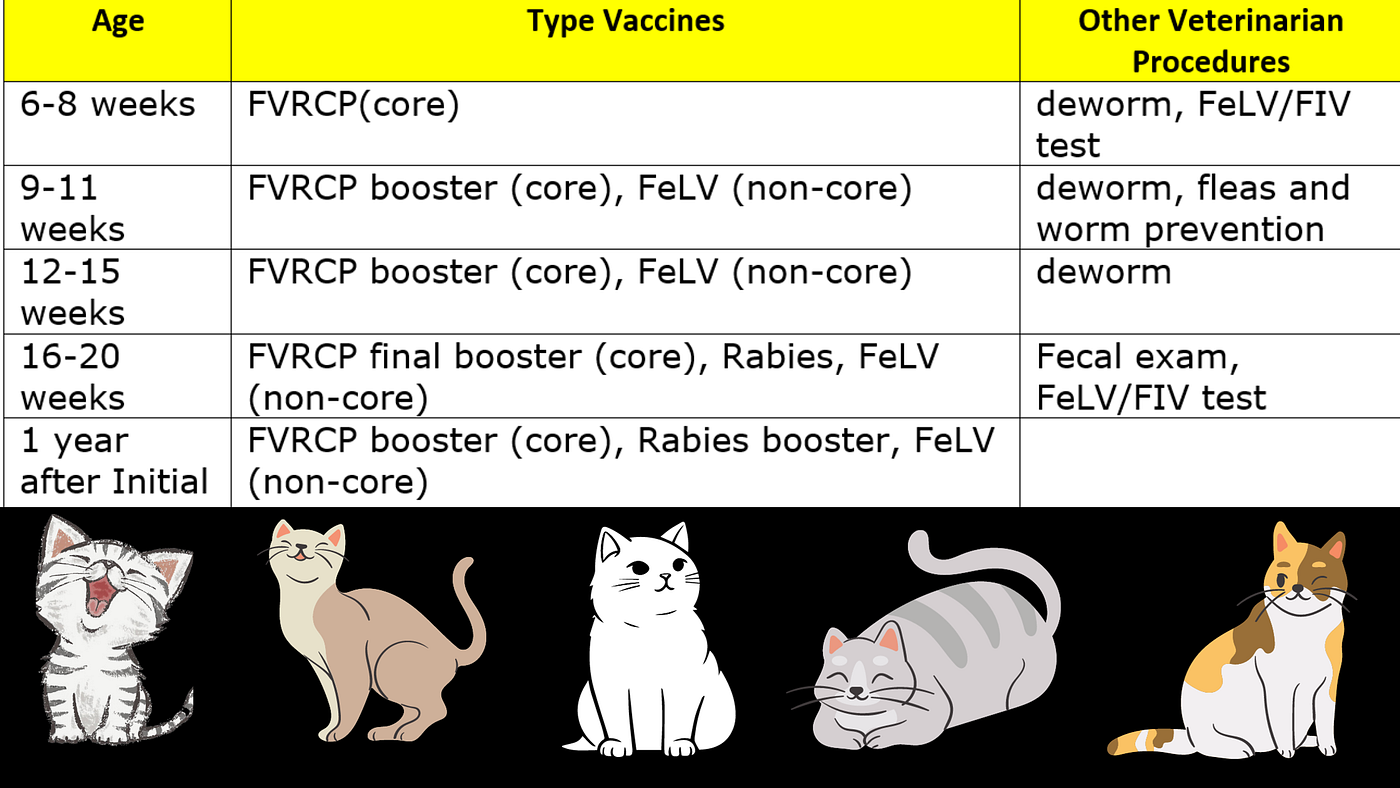
Kittens usually get their first rabies shot at 12 to 16 weeks old. This first dose helps their immune system start fighting the virus. Some vets may give a combined vaccine that includes rabies with other shots. After the initial shot, cats must wait 1 year for the next dose. This first year is critical for building strong protection.
Booster Shots
Booster shots keep the immunity strong after the initial vaccination. Most cats receive a booster one year after their first shot. After that, boosters are given every 1 to 3 years, depending on local laws and vaccine type. Regular boosters ensure continuous protection against rabies. Always follow your vet’s advice on booster timing.
State And Local Regulations
Understanding state and local regulations is crucial when deciding how often your cat needs a rabies shot. These rules are designed to protect both pets and people from the dangers of rabies, a deadly virus. Each region has its own set of laws that can affect vaccination schedules and requirements.
Mandatory Vaccination Laws
Many states and cities require cats to have a rabies vaccination by law. This rule is often tied to licensing your cat or allowing them outdoors. If you’ve ever tried to get a pet license, you’ve likely encountered proof of vaccination as a mandatory step.
Failing to vaccinate your cat as required can lead to fines or other penalties. Some areas enforce strict rules even if your cat is primarily indoors. These laws are not just about compliance—they’re about keeping your pet and community safe.
Frequency Requirements By Region
The frequency of rabies shots varies widely depending on where you live. Some places require a vaccine every year, while others allow a three-year interval after the initial vaccination. This depends on the type of vaccine approved in that region and local public health policies.
For example, in California, cats must be vaccinated against rabies by four months old and receive a booster every three years. Meanwhile, in New York City, a one-year vaccine is often required, with annual boosters depending on the vaccine type.
Are you sure your cat’s rabies vaccination schedule matches your local laws? It’s worth checking with your vet or local animal control office to avoid surprises. Staying informed helps you protect your furry friend without unnecessary hassle.
Factors Influencing Vaccination Frequency
Deciding how often your cat needs a rabies shot depends on several important factors. Understanding these can help you protect your furry friend without unnecessary visits to the vet. Let’s look closer at what influences the vaccination schedule.
Indoor Vs Outdoor Cats
Your cat’s lifestyle plays a big role in vaccination frequency. Outdoor cats face higher risks from wild animals and other pets, increasing their chance of exposure to rabies.
Indoor cats generally have less risk, but it’s not zero. Even indoor cats can accidentally escape or interact with wildlife. So, vets often recommend regular rabies shots for all cats, but outdoor cats might need boosters more frequently.
Think about your cat’s daily routine. Does your cat roam outside freely, or stay inside most of the time? This can guide your vaccination plan.
Health And Age Considerations
Age affects how your cat’s immune system responds to vaccines. Kittens usually get their first rabies shot at around 12 weeks, but senior cats may need special attention.
If your cat has health issues or a weakened immune system, the vet might adjust the vaccination frequency. Sometimes, a different type of vaccine or schedule is safer.
Have you noticed any changes in your cat’s health? Sharing this with your vet can help tailor the best vaccination timeline.
Choosing The Right Vaccine
Choosing the right rabies vaccine for your cat is more important than many pet owners realize. The vaccine not only protects your feline friend but also plays a key role in public health safety. Making an informed choice can prevent unnecessary visits, reduce stress for your cat, and ensure long-lasting immunity.
Types Of Rabies Vaccines
There are two main types of rabies vaccines available for cats: killed (inactivated) vaccinesand recombinant vaccines. Killed vaccines use a dead virus to stimulate immunity, while recombinant vaccines use a small piece of the rabies virus’s genetic material.
Killed vaccines are widely used and have a long track record of safety. Recombinant vaccines tend to have fewer side effects and are often recommended for cats with a history of vaccine reactions.
- Killed vaccines:Traditional, effective, and commonly available.
- Recombinant vaccines:Newer, with reduced risk of allergic reactions.
Ask yourself: does your cat have any special health concerns that might affect which vaccine is best?
Consulting A Veterinarian
Your vet is the best resource when deciding on the right rabies vaccine. They can assess your cat’s health, lifestyle, and local regulations to recommend the most suitable option.
Be open about your cat’s medical history and any previous vaccine reactions. This information helps your vet tailor the vaccination plan to your cat’s unique needs.
Have you discussed vaccine options during your last vet visit? If not, make it a priority next time—you might discover a better choice for your furry friend.
Addressing Common Concerns
Many cat owners hesitate about rabies vaccinations, worried about safety and side effects. Understanding these concerns can help you make confident decisions for your cat’s health. Let’s look at common questions and clear up any doubts you might have.
Vaccine Safety
Vaccines for cats, including rabies shots, undergo strict testing before they reach your vet. They are designed to protect your cat from a deadly disease that can also affect humans. Think about it this way: would you rather risk a rare vaccine reaction or face the consequences of rabies exposure?
Some cats have allergies or underlying health issues that require special attention. Always tell your vet about your cat’s medical history so they can choose the safest vaccine option. Vaccination clinics often keep records to monitor any unusual reactions, ensuring ongoing safety.
Potential Side Effects
Side effects from rabies shots are usually mild and short-lived. You might notice slight swelling or tenderness where the shot was given, or your cat may be a bit tired for a day or two. Serious reactions are very rare, but knowing the signs helps you act quickly if needed.
- Look for persistent vomiting, diarrhea, or difficulty breathing.
- Unusual behavior changes or prolonged swelling warrant a vet visit.
- Contact your vet immediately if your cat shows any severe symptoms.
Have you ever hesitated to vaccinate your cat because of these worries? Remember, the benefits of protection far outweigh the small chance of side effects. Staying informed and monitoring your cat after vaccination keeps both of you safe.
Credit: medium.com
Keeping Vaccination Records
Keeping accurate vaccination records is essential for every cat owner. These records help ensure your cat stays protected against rabies and other diseases. Proper documentation also makes vet visits smoother and more efficient. A well-maintained record keeps all vaccination dates clear and easy to follow.
Tracking Vaccination Dates
Track each rabies shot date carefully. Note the day your cat received the vaccine and when the next one is due. Use a calendar or a dedicated notebook for this purpose. Some pet owners use mobile apps to set reminders. This practice helps avoid missed or late vaccinations. Consistent tracking supports your cat’s health and complies with local laws.
Importance Of Documentation
Documentation serves as proof of vaccination. Many places require this proof for boarding or travel. It also helps vets decide on future vaccinations and treatments. Keep the original vaccine certificate safe. Make copies or take photos to store digitally. Sharing these documents with your vet can speed up appointments and avoid repeat shots.

Credit: weareallaboutcats.com
Frequently Asked Questions
How Often Should Cats Get Rabies Shots?
Cats typically need a rabies shot every one to three years. The exact timing depends on the vaccine type and local laws. Annual boosters may be required in some areas to maintain immunity and comply with regulations.
Why Are Rabies Shots Important For Cats?
Rabies shots protect cats from a deadly virus that affects the nervous system. Vaccination prevents transmission to humans and other animals. It is essential for your cat’s health and public safety.
Can Indoor Cats Skip Rabies Vaccination?
Indoor cats still need rabies shots. Rabies can enter homes through bats or other wildlife. Vaccination is a legal requirement in many regions, regardless of a cat’s indoor status.
What Happens If A Cat Misses A Rabies Shot?
If a cat misses a rabies shot, consult a veterinarian immediately. Delayed vaccination may require restarting the series. Your vet will guide you on the best course of action to ensure protection.
Conclusion
Keeping your cat’s rabies shots current protects both pets and people. Most cats need a rabies vaccine every one to three years. Check local rules because laws vary by location. Regular vet visits help track vaccinations and overall health. Don’t wait for signs of illness; prevention matters most.
A healthy cat is a happy cat. Stay informed and keep your furry friend safe. Simple steps make a big difference in pet care.
