

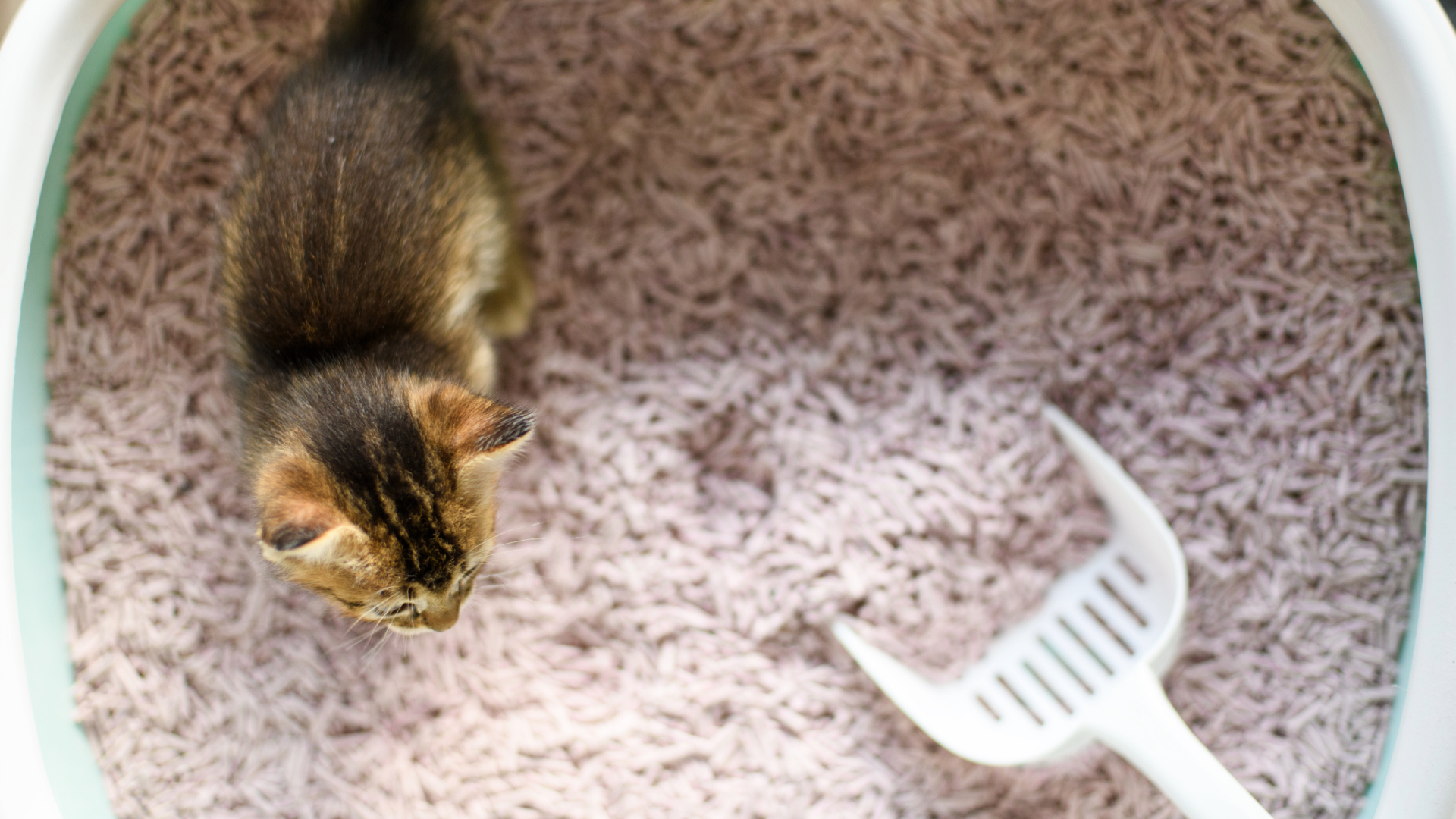
How often do you need to change your cat’s litter? It’s a question every cat owner wonders about but doesn’t always get a clear answer to.
The truth is, keeping your cat’s litter fresh isn’t just about cleanliness—it affects your cat’s health and comfort, and even the smell in your home. If you’ve noticed unpleasant odors or your cat acting uneasy around the litter box, it might be time to rethink your routine.
You’ll discover the best practices for changing cat litter, how often you should do it, and simple tips to keep both you and your furry friend happy. Keep reading to find out how a small change can make a big difference.
Credit: www.petsradar.com
Factors Influencing Litter Change Frequency
Changing cat litter depends on several important factors. Knowing these helps keep your cat happy and your home fresh. Each cat and household is different. Understanding what affects litter change frequency makes maintenance easier and more effective.
Cat’s Health And Habits
A cat’s health impacts how often you need to change the litter. Cats with urinary problems or diarrhea need more frequent litter changes. Some cats use the litter box more than others. Older cats or those with medical issues may require cleaner litter more often. Watch your cat’s behavior for signs it needs attention.
Type Of Litter Used
Different litter types affect how long they stay fresh. Clumping litter traps odors and waste better, allowing longer use. Non-clumping litter may need changing daily. Natural litters like wood or paper might absorb less moisture. Some litters control odor well, reducing the need for frequent changes. Choose the litter that fits your cat and cleaning routine.
Number Of Cats In The Household
More cats means more waste in the litter box. A single cat needs a litter change less often than multiple cats. Each cat increases the need for cleaning and fresh litter. Provide one litter box per cat plus one extra. This helps reduce odor and keeps cats comfortable. Keep boxes clean to prevent litter box problems.
Different Types Of Cat Litter
Choosing the right cat litter affects cleaning frequency and odor control. Cat litter comes in several types, each with unique features and benefits. Understanding these types helps in maintaining a fresh and comfortable litter box environment.
Clumping Vs. Non-clumping
Clumping litter forms solid clumps when wet. This makes it easy to scoop out urine and feces daily. It helps keep the litter box cleaner longer. Non-clumping litter absorbs moisture but does not form clumps. It requires changing the entire litter more often to avoid odors. Clumping litter usually costs more but reduces the total litter used.
Biodegradable Options
Biodegradable litters come from natural materials like corn, wheat, or wood. They break down faster in landfills and are eco-friendly. These litters are often dust-free and gentle on paws. They may require more frequent changes due to less odor control. Biodegradable options suit owners who want greener choices.
Silica Gel Litter
Silica gel litter contains tiny crystals that absorb moisture. It traps odors well and stays dry longer. This litter needs changing about every two to three weeks. It produces less dust and is low maintenance. Silica gel is ideal for busy owners wanting less frequent cleaning.
Signs It’s Time To Change The Litter
Knowing when to change your cat’s litter is crucial for keeping both your home and your feline friend happy. It’s not just about sticking to a schedule—paying attention to certain signs can help you decide the right moment to refresh the box. Ignoring these signs can lead to unpleasant experiences for you and your cat.
Unpleasant Odors
One of the clearest signs that your cat’s litter needs changing is a strong, unpleasant smell. If you notice a persistent odor even after scooping, it means bacteria and waste have built up beyond what the litter can absorb.
Have you ever walked past a litter box and immediately wanted to open a window? That’s your cue. Regularly replacing the litter keeps the space fresh and your cat comfortable.
Litter Box Aversion
If your cat suddenly avoids the litter box, it might be because the litter is dirty or smells bad. Cats are sensitive creatures; they prefer a clean, inviting place to do their business.
Notice any changes in your cat’s bathroom habits? They might be trying to tell you the litter needs changing. Ignoring this can lead to accidents outside the box and stress for your pet.
Visible Waste Accumulation
When you see clumps of urine or piles of feces building up, it’s a clear warning sign. Even if you scoop daily, a complete litter change is necessary once waste begins to accumulate and the litter looks saturated.
Think about how you’d feel if your bathroom wasn’t cleaned regularly. The same applies to your cat’s litter box. Keeping it clean by changing the litter fully helps prevent bacteria buildup and keeps your cat healthy.

Credit: perfectpetzzz.com
Best Practices For Litter Box Maintenance
Maintaining a clean litter box is key to keeping your cat healthy and happy. Regular care prevents odors and stops litter from clumping too much. A tidy box also encourages your cat to use it consistently. Follow these best practices for easy and effective litter box upkeep.
Daily Scooping Routine
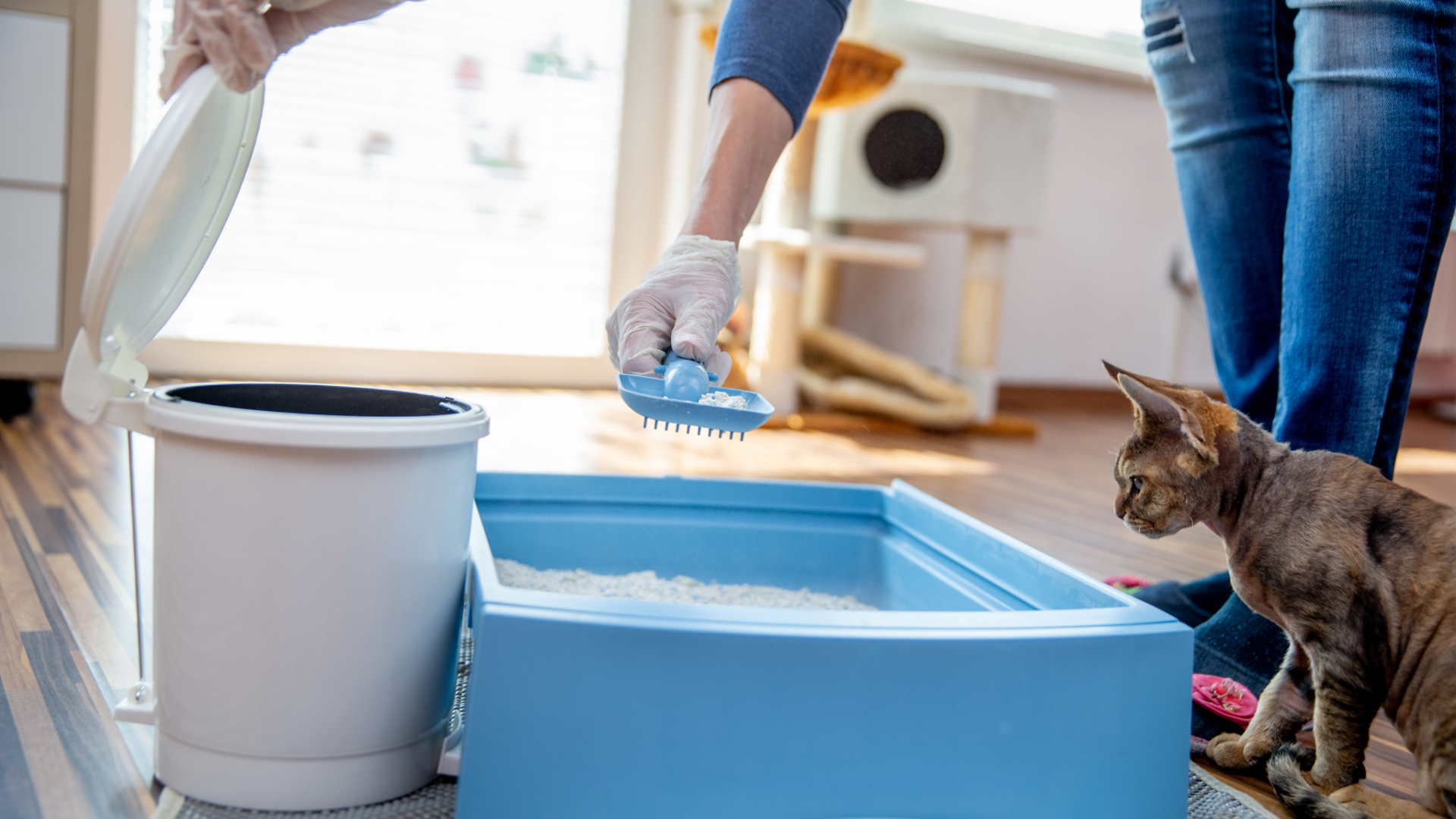
Scoop out clumps and waste every day. This keeps the litter fresh and dry. Use a sturdy scoop with slots to sift clean litter easily. Remove all solid waste and urine clumps to reduce smell. Doing this daily helps prevent bacteria build-up. It also makes your cat more comfortable and willing to use the box.
Monthly Deep Cleaning
Empty the entire litter box once a month. Wash the box with warm water and mild soap. Avoid harsh chemicals that can harm your cat or leave residue. Rinse thoroughly and dry completely before adding new litter. This deep clean removes hidden germs and odors. It also prolongs the life of the litter box. Keep a spare box handy for uninterrupted cleaning.
Proper Disposal Techniques
Dispose of waste in sealed bags to control odor. Do not flush cat litter down the toilet; it can clog pipes. Use trash bins with lids to keep smell contained. Consider biodegradable bags for a greener option. Regularly take out the trash to avoid buildup. Proper disposal keeps your home clean and odor-free.
Health Implications Of Infrequent Changes
Changing cat litter regularly is not just about cleanliness. It directly affects the health of both cats and humans. Leaving litter unchanged for too long invites health risks. These risks can harm pets and people alike. Understanding these dangers helps keep your home safe and your cat happy.
Bacterial Growth Risks
Cat litter that stays dirty becomes a breeding ground for bacteria. Harmful bacteria multiply quickly in used litter. These bacteria can cause infections in cats. Humans are also at risk, especially children and people with weak immune systems. Regular litter changes stop bacteria from spreading.
Respiratory Issues
Old litter can create strong odors and dust. This dust often contains ammonia from cat urine. Breathing in ammonia can irritate the lungs and eyes. People with asthma or allergies suffer more. Cats can also develop breathing problems from poor air quality.
Behavioral Problems In Cats
Cats dislike dirty litter boxes. They may avoid using them. This can lead to accidents outside the box. Some cats become stressed or anxious. Stress affects their health and behavior. Clean litter encourages good habits and keeps cats calm.
Eco-friendly Litter Changing Tips
Changing cat litter often feels like a never-ending chore, but it doesn’t have to harm the environment. You can make smarter choices that protect the planet while keeping your cat’s space clean. Small changes in how you handle litter can lead to big benefits for you and the Earth.
Recycling And Composting
Did you know some types of cat litter are compostable? Look for natural, biodegradable litters made from materials like wood, paper, or corn. You can compost clean litter in your home compost bin, but avoid composting litter with waste, as it can carry harmful bacteria.
If you use clumping clay litter, check if your local waste program accepts it for recycling or special disposal. Some communities offer pet waste composting programs. Have you checked what options your city provides for pet waste recycling?
Reducing Litter Waste
Cutting down on how much litter you throw away makes a big difference. Scoop waste daily to keep the litter fresh longer, so you don’t need to change the entire box as often. Using a litter mat helps catch stray litter, reducing overall mess and waste.
You can also try litter liners or reusable litter boxes made from durable materials. These tools reduce plastic use and litter spillage. What small habits can you adopt today to produce less litter waste?
Choosing Sustainable Products
Switching to eco-friendly litter is easier than you think. Brands now offer litter made from recycled paper, wheat, or walnut shells, all of which break down naturally. These options often create less dust and are safer for your cat’s paws.
Look for packaging made from recycled materials or that can be recycled after use. Supporting sustainable companies encourages more innovation in pet care. Have you tried any green litter brands that worked well for your cat?
Credit: www.petsradar.com
Frequently Asked Questions
How Often Should Cat Litter Be Completely Changed?
Complete cat litter changes are recommended every 1 to 2 weeks. This prevents odor build-up and keeps the box clean. Daily scooping of waste helps extend the litter’s freshness between full changes.
Can Daily Scooping Reduce Litter Replacement Frequency?
Yes, daily scooping removes waste and controls odor. It can stretch the time between full litter changes to two weeks. Consistent scooping keeps the litter box hygienic and comfortable for your cat.
Does Litter Type Affect How Often To Change It?
Different litters require different change frequencies. Clumping litter often needs full changes less frequently than non-clumping types. Always follow the manufacturer’s guidelines for the best results.
What Signs Indicate It’s Time To Change Cat Litter?
Strong odors, clumps sticking to the box, or excessive waste buildup signal it’s time. If your cat avoids the box, it may need a litter change. Regular maintenance prevents these issues.
Conclusion
Changing cat litter regularly keeps your home fresh and your cat happy. Clean litter prevents bad smells and helps avoid health problems. Scoop waste daily and fully replace litter every one to two weeks. Adjust timing based on how many cats you have and the litter type.
Consistent care shows you love your pet and respect your space. Simple steps make a big difference in cleanliness and comfort. Keep a routine, and both you and your cat will feel better. Easy to manage. Worth the effort.
