


Have you ever wondered how often you really need to bathe your cat? If you’re like most cat owners, you might be unsure whether your furry friend needs regular baths or if their natural grooming is enough.
Bathing a cat can feel tricky and even stressful, but knowing the right frequency can keep your pet healthy and happy without unnecessary hassle. You’ll discover simple, clear answers that will help you care for your cat the best way possible.
Keep reading to find out exactly when and how often your cat should take a bath.
Factors Influencing Bath Frequency
Bathing a cat is not a one-size-fits-all task. Several factors affect how often you should bathe your feline friend. These factors help keep your cat clean without causing stress or skin problems. Understanding these elements ensures your cat stays healthy and comfortable.
Cat’s Breed And Coat Type
Different breeds have different grooming needs. Cats with long or thick fur may need more frequent baths. Their coats can trap dirt and oils easily. Short-haired cats often stay cleaner and need fewer baths. Some breeds have natural oils that protect their skin well. Knowing your cat’s coat type helps decide bath frequency.
Activity Level And Lifestyle
Active cats that spend time outdoors get dirtier faster. They may need baths more often to remove mud and allergens. Indoor cats usually stay cleaner and require fewer baths. Cats that explore dusty or wet areas can build up grime. Consider your cat’s daily habits to plan bath times.
Health And Skin Conditions
Some cats have skin problems that affect bathing needs. Cats with allergies or dermatitis may need special shampoos. Overbathing can dry out sensitive skin and cause irritation. Consult a vet if your cat has health issues. Adjust bath frequency to protect your cat’s skin health.
Environmental Factors
Where you live can influence how often your cat needs a bath. Dusty or humid environments may make your cat dirtier. Pollution and allergens in the air can stick to their fur. Cats living in clean, dry homes usually stay cleaner longer. Keep these conditions in mind when planning baths.
Signs Your Cat Needs A Bath
Knowing when your cat needs a bath helps keep them healthy and comfortable. Cats usually groom themselves well. But sometimes, they need extra help. Watching for certain signs can tell you when it is time to bathe your cat.
Excessive Dirt Or Debris
Check your cat’s fur for dirt or debris. Outdoor cats or those who roam a lot can get dirty quickly. Mud, leaves, or dust stuck in their coat means a bath is needed. Also, if your cat has long hair, it may trap more dirt than short hair.
Unpleasant Odor
A strong or bad smell from your cat’s fur is a clear sign. Cats usually smell clean due to self-grooming. If your cat smells bad, it might be time for a bath. Odors can come from dirt, oils, or skin problems.
Visible Skin Issues
Look closely at your cat’s skin. Redness, flakes, or sores can signal skin problems. These issues might need cleaning to help heal. Bathing can soothe irritated skin and remove harmful substances.
Recommended Bathing Frequency
Knowing how often to bathe your cat depends a lot on their coat type and health needs. Bathing too frequently can dry out their skin, while not bathing enough might leave them uncomfortable or dirty. Let’s look at what works best for different kinds of cats to keep them happy and healthy.
Long-haired Cats
Long-haired cats usually need baths more often than short-haired ones because their fur can trap dirt and oils. Bathing every 4 to 6 weeks helps prevent matting and keeps their coat shiny. If your cat spends a lot of time outdoors or tends to get greasy, you might want to bathe them even more frequently.
Short-haired Cats
Short-haired cats generally require fewer baths, often only a few times a year. Their fur is less likely to tangle or hold onto dirt. However, if your cat has gotten into something messy or has a skin condition, a bath might be necessary sooner.
Senior And Special Needs Cats
Senior cats and those with special needs might need baths less often to avoid stressing them out. Their skin can be more sensitive, so gentle cleaning methods are better than frequent full baths. You can use damp cloths to spot-clean or ask your vet about the best bathing routine for your cat’s specific health.

Credit: www.reddit.com
Preparing For A Cat Bath
Preparing to bathe a cat takes careful thought. Cats usually dislike water, so being ready helps make the bath easier. Preparation reduces stress for both you and your pet. It also keeps the process safe and smooth.
Gathering Supplies
Collect all needed items before starting. This stops you from leaving the cat alone during the bath. Basic supplies include:
- Cat-friendly shampoo
- Large towel for drying
- A cup or gentle sprayer for rinsing
- Brush or comb
- Non-slip mat for the sink or tub
Having everything close makes the bath quicker and less stressful.
Setting Up A Safe Environment
Choose a quiet room with warm water ready. Use a sink or small tub to keep the cat contained. Place a non-slip mat to prevent slipping. Remove sharp or dangerous objects nearby. Keep doors closed to avoid escape attempts. Low water level, about two inches, works best for small cats.
Calming Techniques
Speak softly to soothe your cat. Gentle petting before the bath helps relax muscles. Use treats to reward calm behavior. Play soft music to create a peaceful mood. Avoid sudden movements or loud noises. A calm cat stays safer and cooperates better during bathing.
Step-by-step Bathing Process
Bathing your cat can seem tricky, but breaking it down into clear steps makes the process smoother for both you and your feline friend. Each part of the bath matters—from preparation to drying—to keep your cat comfortable and clean. Let’s walk through the essential steps to help you bathe your cat confidently and carefully.
Brushing Before Bathing
Start by gently brushing your cat’s fur to remove loose hair and tangles. This reduces shedding during the bath and prevents mats from tightening when wet. You might notice your cat relaxes with a good brush, making the bath less stressful.
Have you tried brushing your cat regularly before a bath? It can save you a lot of trouble later on.
Using The Right Water Temperature
Use lukewarm water—too hot or too cold can shock your cat and make them anxious. Test the water with your wrist or elbow to ensure it feels comfortably warm. Keep the water level shallow, just enough to reach their belly, so your cat feels safe and not overwhelmed.
Applying Cat-safe Shampoo
Choose a shampoo made specifically for cats, as their skin is sensitive and different from dogs or humans. Apply a small amount and gently work it into the fur, avoiding the eyes, ears, and mouth. How much shampoo you use depends on your cat’s size and coat thickness—less is often more.
Rinsing And Drying Properly
Rinse thoroughly to remove all shampoo residue, which can irritate your cat’s skin if left behind. Use a handheld showerhead or a cup to pour water carefully. After rinsing, wrap your cat in a soft towel and gently pat them dry—avoid rubbing harshly as it can tangle the fur.
If your cat tolerates it, a low-heat hairdryer can help speed up drying, but keep it on a gentle setting and at a safe distance. How does your cat react to drying? Finding the right drying method can make a big difference in their comfort.
Post-bath Care Tips
After bathing your cat, the care you provide is just as important as the bath itself. Proper post-bath care helps your feline friend stay comfortable and keeps their coat healthy. Taking a few simple steps can make the experience better for both of you and prevent any future skin or fur problems.
Brushing And Detangling
Once your cat is mostly dry, gently brush their fur to remove any loose hair and prevent tangles. Use a soft-bristle brush or a comb designed specifically for cats to avoid irritating their skin.
Pay special attention to areas prone to matting, like behind the ears and under the legs. Regular brushing after baths helps maintain a smooth, shiny coat and reduces shedding around your home.
Monitoring Skin Health
Check your cat’s skin carefully after the bath. Look for signs of irritation such as redness, dryness, or flakiness, which might suggest a reaction to the shampoo or over-bathing.
If you notice any unusual patches or persistent scratching, consult your vet promptly. Early detection can prevent minor issues from turning into serious skin problems.
Rewarding Your Cat
Bathing can be stressful for cats, so rewarding them afterward helps create a positive association. Offer their favorite treat or spend some extra time playing to show appreciation.
This simple act encourages cooperation during future baths and strengthens the bond between you and your pet. How do you reward your cat after a bath to keep them calm and happy?
Alternatives To Bathing
Bathing a cat can be stressful for both you and your furry friend. Luckily, there are several alternatives that keep your cat clean without the hassle of a full bath. These options help maintain your cat’s hygiene while respecting their natural preferences and comfort.
Waterless Shampoos
Waterless shampoos are a great way to clean your cat without using water. You simply spray or apply the product and then wipe your cat down with a towel. These shampoos are designed to remove dirt and odors, leaving your cat fresh and clean.
They are especially useful if your cat hates water or if you need a quick refresh before a visit to the vet. Just make sure to choose a product made specifically for cats to avoid irritation. Have you tried a waterless shampoo on your cat yet?
Regular Grooming
Brushing your cat regularly is one of the easiest ways to keep their coat clean and healthy. It removes loose fur, dirt, and helps prevent mats and tangles. Plus, grooming is a bonding activity that many cats enjoy.
Long-haired cats benefit greatly from daily brushing, while short-haired breeds may only need it a few times a week. You can also use grooming wipes to clean spots your cat can’t reach. How often do you groom your cat?
Professional Grooming Services
If your cat’s coat is particularly dirty or matted, a professional groomer can help. Groomers have the right tools and experience to clean and trim your cat safely. They can also handle cats that are difficult to bathe at home.
Some groomers offer waterless cleaning options as well, combining convenience with expertise. Scheduling regular visits can keep your cat looking and feeling great without the stress of home baths. Have you considered professional grooming as part of your cat’s care routine?
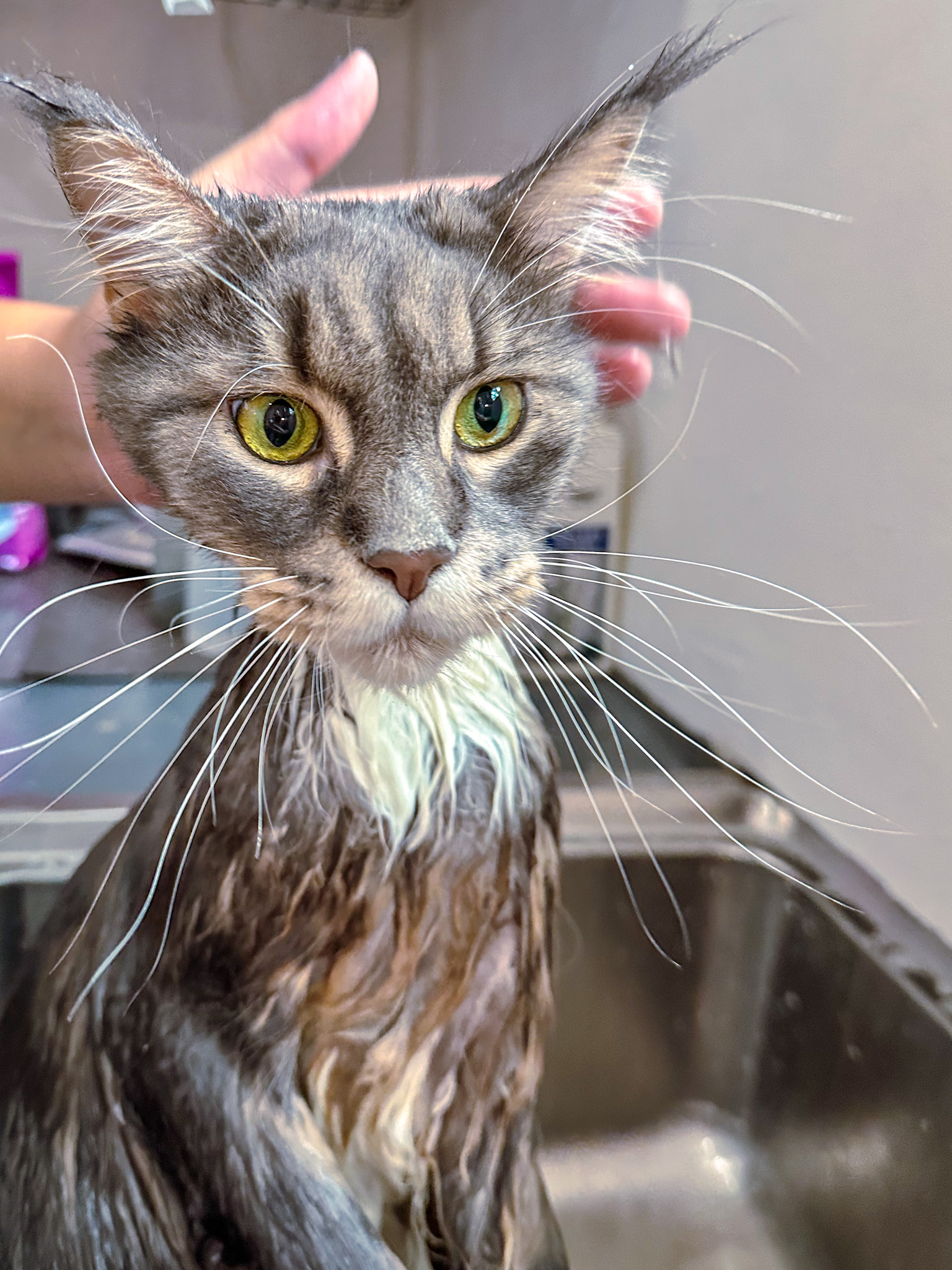
Credit: lazycathotel.com

Credit: pusa.ph
Frequently Asked Questions
How Often Should Indoor Cats Be Bathed?
Indoor cats usually need a bath every 4 to 6 weeks. Their self-cleaning habits reduce frequent bathing needs. Bathing more often can dry out their skin and fur.
Can Outdoor Cats Need More Frequent Baths?
Yes, outdoor cats often require baths more frequently due to dirt and pests. Bathing every 3 to 4 weeks helps keep them clean and healthy.
Is It Safe To Bathe Cats Regularly?
Bathing cats regularly is safe if done properly. Use cat-friendly shampoos and avoid over-bathing to prevent skin irritation. Always rinse thoroughly to remove all shampoo residues.
How To Know If My Cat Needs A Bath?
Signs include a strong odor, greasy fur, dirt buildup, or flea presence. If your cat grooms less or has skin issues, a bath might be necessary.
Conclusion
Bathing a cat depends on its health and lifestyle. Most cats clean themselves well. Bathing too often can dry their skin. Use water only when your cat is dirty or smells bad. Always be gentle and patient during baths. Regular brushing helps keep fur clean and healthy.
Pay attention to your cat’s comfort and needs. Clean cats are happy cats. Keep baths short and calm. Your cat will thank you with purrs and love.
