

If you have a cat, you probably know that keeping its litter box clean is important. But how often should you really change the cat litter?
Too often, and it feels like a never-ending chore. Too little, and your home can start to smell, and your cat might get unhappy. Finding the right balance is key for both you and your furry friend. You’ll discover simple tips to keep your cat’s litter fresh, your home smelling clean, and your cat feeling comfortable.
Keep reading—you’ll be surprised how easy it can be!
Credit: www.petsradar.com
Choosing The Right Litter
Choosing the right cat litter is essential for both you and your feline friend. It affects how often you need to change the litter and keeps your home smelling fresh. The right litter can also make your cat more comfortable and less likely to avoid the box.
Types Of Cat Litter
Cat litter comes in several types, each with unique qualities. Clay-based litters are popular because they clump well and are easy to scoop. However, they can be dusty and heavy to carry.
Natural litters like corn, wheat, or wood pellets are eco-friendly and usually less dusty. They often break down faster but might need more frequent changes. Silica gel crystals are another option; they absorb moisture well and control odor but don’t clump.
Think about your cat’s preferences too. Some cats avoid scented litters, while others dislike the texture of certain materials. Have you noticed your cat reacting differently to various types of litter?
Litter Absorbency And Odor Control
Absorbency is a key factor in how often you’ll need to change the litter. Highly absorbent litters trap urine quickly, helping keep the box dry. This can reduce odor and the frequency of full litter changes.
Odor control is just as important. Some litters contain baking soda or activated charcoal to neutralize smells. Others rely on natural ingredients or fragrances, but these may irritate sensitive cats or owners.
Pay attention to the balance between absorbency and odor control. A litter that clumps well but doesn’t control odor might still need frequent changes. What kind of odor control works best in your home?
Factors Affecting Litter Change Frequency
How often you change your cat’s litter depends on several factors that influence cleanliness and odor control. Understanding these factors helps you maintain a fresh litter box that your cat will use consistently. Let’s look at what affects the frequency of litter changes so you can tailor your cleaning schedule effectively.
Number Of Cats
The more cats you have, the faster the litter box fills up with waste. A single cat might only need the litter changed once a week, but with two or three cats, you may need to clean it every two to three days.
Multiple cats can also lead to territorial issues, making frequent cleaning essential to keep all your cats comfortable. Have you noticed your cats avoiding the box when it’s dirty? That’s a clear signal to change the litter more often.
Cat’s Health And Habits
A cat’s health directly impacts how often you need to change the litter. Cats with urinary tract infections or digestive problems might urinate or defecate more frequently, requiring more frequent litter changes.
Some cats are very particular about cleanliness. If your cat tends to kick litter out or cover waste thoroughly, you might need to scoop or change the litter more often to prevent odors. Pay attention to your cat’s habits—this will guide your cleaning routine.
Litter Box Size And Style
The size and style of the litter box also play a key role. Larger boxes hold more litter and waste, which can extend the time between full litter changes. Covered boxes trap odors better but might also cause moisture buildup, meaning you’ll need to change the litter more often to avoid unpleasant smells.
Open boxes allow better airflow but may require more frequent scooping to keep odors down. What type of litter box does your cat prefer? Matching the box to your cat’s needs can simplify your litter maintenance.
Daily Litter Maintenance
Cat litter should be scooped daily to keep the box clean and fresh. Fully changing the litter depends on the type but usually happens every one to two weeks. Regular care helps prevent odors and keeps cats happy.
Maintaining your cat’s litter box daily is vital for both your feline friend’s health and your home’s hygiene. By committing to a daily routine, you not only ensure a clean environment for your cat but also prevent unpleasant odors from lingering. Plus, a clean litter box encourages your cat to use it regularly, reducing the chances of accidents around the house.Scooping Techniques
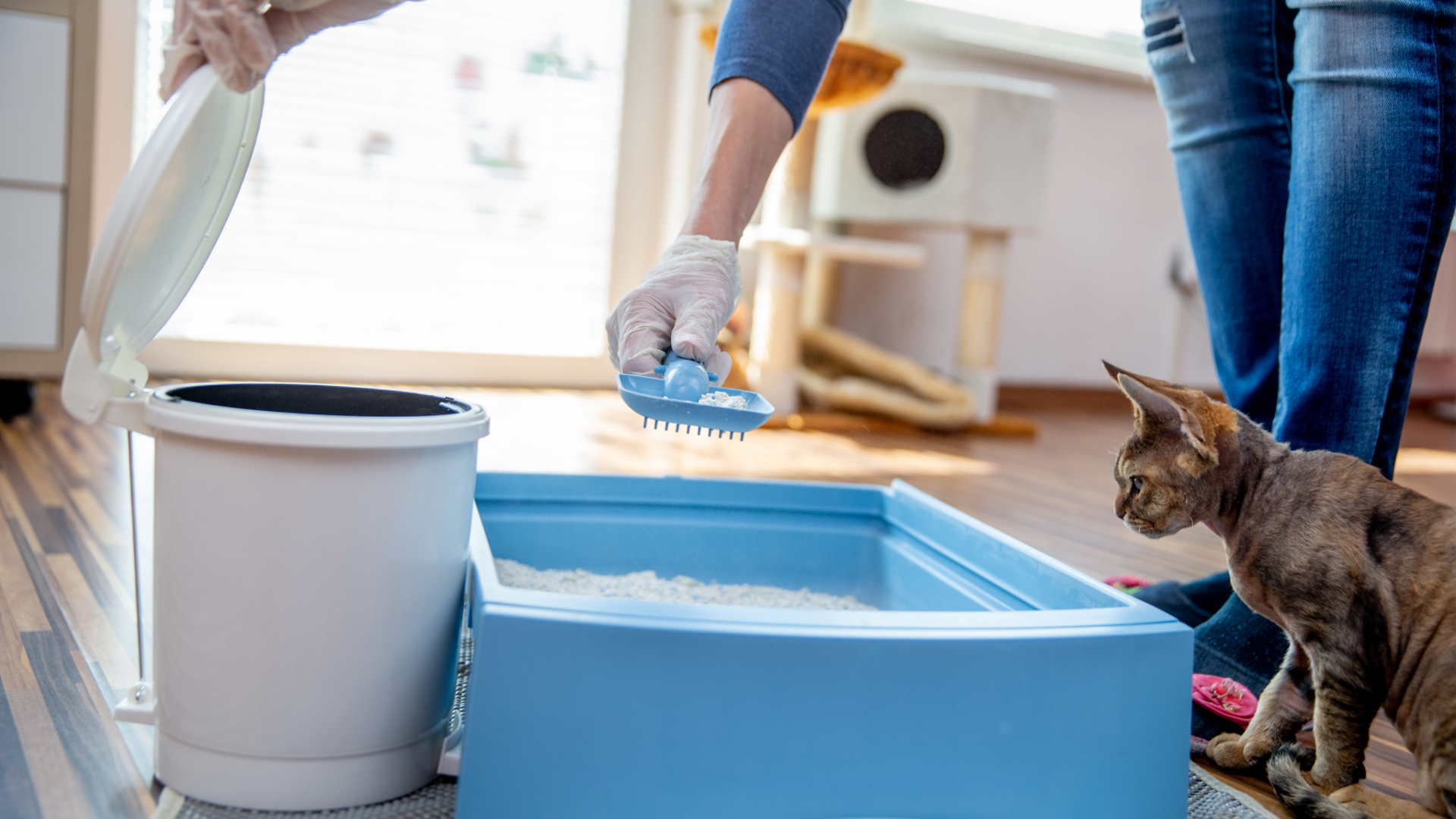
Using the right scooping technique can make a world of difference in your daily maintenance routine. Opt for a sturdy, metal scoop with a mesh-like surface that allows clean litter to fall through while retaining clumps. Gently shake the scoop to remove excess litter, ensuring you only discard the waste. Make it a habit to scoop at least once a day. This prevents the buildup of waste, making the task quicker and easier. If you have multiple cats, consider scooping twice daily to keep up with demand.Spot Cleaning Tips
Spot cleaning is your secret weapon for keeping the litter box fresh between full changes. Keep a small brush and dustpan nearby to quickly sweep up any stray litter. This prevents tracking and keeps the area tidy. Use a damp cloth to wipe down the edges of the litter box. This helps in removing any dust or residue that might accumulate. Have you ever noticed how a clean litter box can make your entire home feel fresher? A little daily attention goes a long way in maintaining that welcoming environment.
Credit: meowant.com
Weekly Litter Replacement
Weekly litter replacement is a crucial routine for maintaining a clean and healthy environment for your cat. Changing the litter completely once a week helps control odors and prevents bacteria build-up. This habit not only keeps your home fresh but also supports your cat’s hygiene and comfort.
Complete Litter Change Process
Start by removing all the used litter from the box. Don’t just scoop the dirty parts—empty the entire contents. This ensures you get rid of hidden waste and clumps that might be missed during daily scooping.
After emptying, check the litter box for any stuck-on debris. Make sure you have fresh litter ready to add once cleaning is done. This simple step can make a big difference in how your cat responds to their litter box.
Cleaning The Litter Box
After removing the old litter, wash the box with warm water and mild soap. Avoid harsh chemicals that might irritate your cat or leave harmful residues. Rinse thoroughly and dry completely before adding new litter.
Some people use a vinegar solution for extra deodorizing, but always test to ensure your cat accepts the smell. Cleaning regularly helps prevent unwanted smells and keeps your cat eager to use their box.
Signs It’s Time To Change Litter
Knowing when to change cat litter keeps your home fresh and your cat happy. Cats are sensitive to dirty litter, so watch for certain signs. These clues help you keep the litter box clean and comfortable.
Odor Indicators
Strong smells mean the litter needs changing. If the box smells bad even after scooping, it’s time for fresh litter. A foul odor can make your cat avoid the box.
Clumping Issues
Good litter forms tight clumps that are easy to remove. When clumps fall apart or do not form, the litter is old or wet. Poor clumping means the litter cannot absorb waste well anymore.
Cat Behavior Changes
Your cat may stop using the litter box if it is dirty. Look for signs like scratching outside the box or going in strange places. These changes show your cat is unhappy with the litter’s condition.

Credit: perfectpetzzz.com
Tips For Keeping Litter Fresh Longer
Keeping your cat’s litter fresh longer can save you time and keep your home smelling pleasant. It’s not just about how often you change the litter but also how you maintain the box between changes. Small adjustments can make a big difference in controlling odors and improving hygiene.
Using Deodorizers And Liners
Deodorizers can help neutralize smells before they become overwhelming. You can sprinkle baking soda at the bottom of the litter box or use commercial litter deodorizers designed specifically for cats.
Liners create a barrier between the litter and the box, making cleaning easier and preventing urine from sticking to the plastic. This helps keep the box fresher for longer and reduces the risk of lingering odors. Have you tried liners with your cat’s box yet?
Proper Ventilation
Good airflow around the litter box significantly reduces odor buildup. Placing the box in a well-ventilated area or near a window can help freshen the air.
If your litter box is in a small, enclosed space, consider using a small fan or air purifier nearby. This simple step can make a noticeable difference in how your home smells.
Regular Box Cleaning Routine
Even if you scoop daily, the box itself needs regular cleaning. Washing it with mild soap and water every week prevents residue buildup that traps odors.
Dry the box thoroughly before adding fresh litter to avoid clumping issues. How often do you deep clean your cat’s litter box? Adjusting this routine might improve freshness more than you expect.
Frequently Asked Questions
How Often Should You Change Cat Litter Completely?
Change cat litter entirely at least once a week. Regular scooping of waste daily helps maintain cleanliness and odor control. Frequent full changes prevent bacteria buildup and keep your cat healthy and happy.
Can I Change Cat Litter Less Than Once A Week?
Changing litter less than once a week is not recommended. It leads to odor, bacteria growth, and discomfort for your cat. Daily scooping and weekly full changes ensure a clean, fresh litter box environment.
How Often Should I Scoop Cat Litter Daily?
Scoop cat litter at least once daily to remove waste. This keeps the litter box clean and odor-free. Regular scooping encourages your cat to use the box consistently and prevents health issues.
Does Litter Type Affect How Often To Change It?
Yes, litter type influences how often to change it. Clumping litters need daily scooping and weekly changes. Non-clumping litters may require more frequent full changes to maintain hygiene.
Conclusion
Changing cat litter often keeps your home fresh and your cat happy. Clean litter helps prevent bad smells and health issues. Scoop waste daily and fully replace litter weekly or as needed. Pay attention to your cat’s habits and litter type.
A clean box encourages good litter habits and comfort. Small efforts make a big difference for pets and owners. Keep your cat’s litter box fresh for a healthier, happier pet. Simple steps bring peace to your home and your cat.
