

If you have a cat, you know how important it is to keep their litter box clean. But how often should you actually change it?
You might wonder if waiting a few days is enough or if cleaning it daily is better. The truth is, the answer affects your cat’s health, your home’s smell, and your peace of mind. You’ll discover the perfect schedule to keep your cat happy and your home fresh.
Keep reading to find out how often you should change your cat’s litter box and why it matters more than you think.
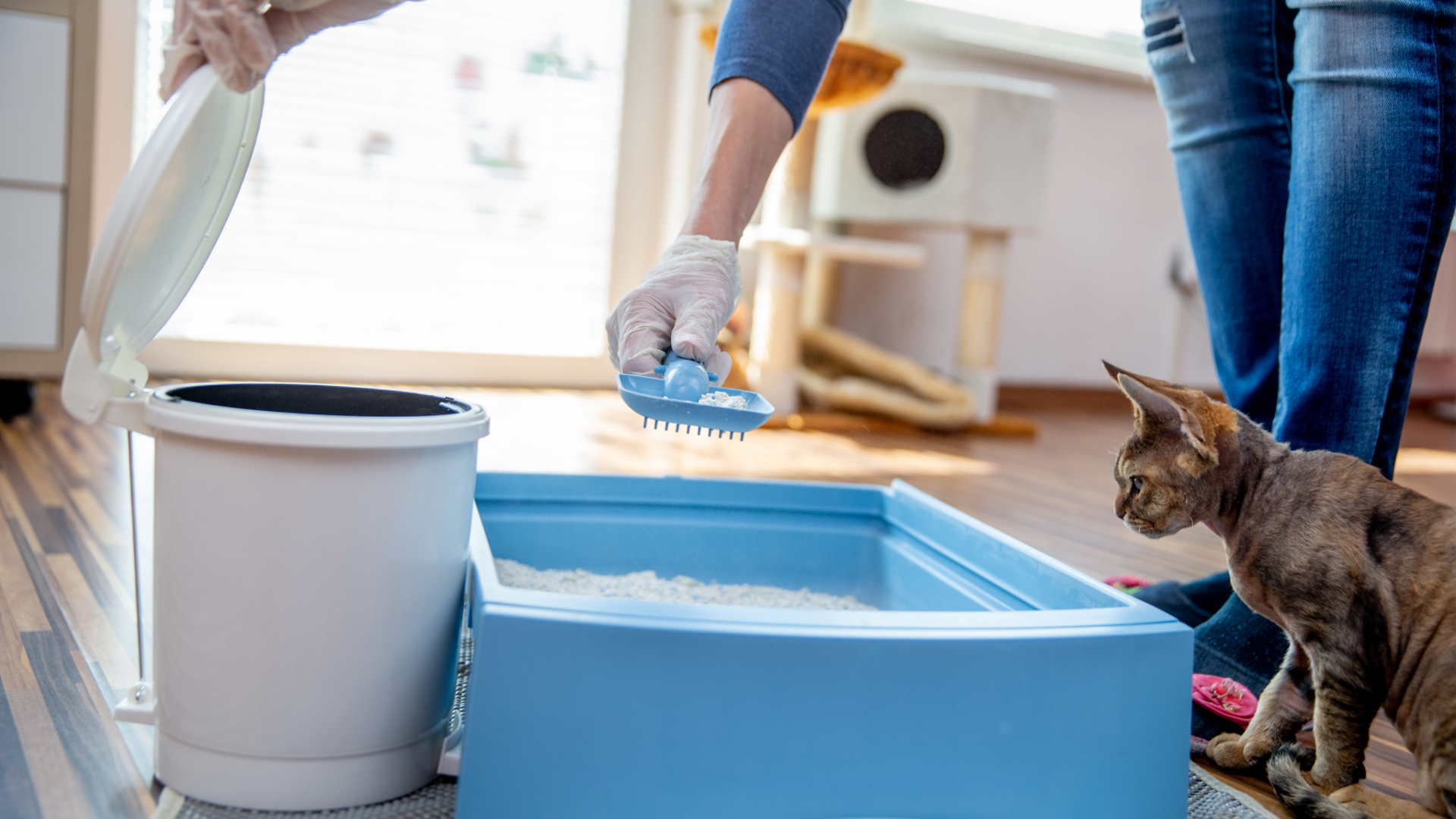
Credit: www.petsradar.com
Frequency Of Litter Box Cleaning
Keeping your cat’s litter box clean is key to a happy pet and a fresh home. How often you clean depends on your cat’s habits, the number of cats you have, and the type of litter you use. Let’s break down the best routine to keep odors away and your feline friend comfortable.
Daily Scooping Routine
Scooping waste every day is the simplest way to maintain a clean litter box. It stops odors from building up and prevents bacteria from growing. Plus, your cat will appreciate a fresh spot to do their business—have you noticed how some cats avoid dirty boxes?
Try to scoop at least once in the morning and once in the evening. This habit keeps the litter box inviting and reduces the chance of your cat going elsewhere.
Weekly Complete Litter Change
Even with daily scooping, the litter itself needs to be replaced weekly. Over time, litter absorbs moisture and odors, losing its effectiveness. Changing the litter entirely refreshes the box and keeps it hygienic.
Empty the box completely, wash it with mild soap and warm water, and then add fresh litter. This routine prevents buildup that your cat might find unpleasant.
Monthly Deep Cleaning
Once a month, a thorough cleaning is essential to keep the box in top shape. This means scrubbing the box with a pet-safe disinfectant to remove any lingering bacteria or odors. It’s also a good time to check for scratches or cracks that can trap waste and germs.
Consider replacing the box if it shows wear, as a damaged box can discourage your cat from using it. Have you checked your cat’s litter box lately for hidden grime or damage?

Credit: perfectpetzzz.com
Factors Influencing Cleaning Schedule
Knowing how often to change your cat’s litter box depends on several important factors. These influence how quickly the litter gets dirty and how often it needs freshening up. Understanding these can help you keep your home fresh and your cat happy.
Number Of Cats
The more cats you have, the faster the litter box gets used up. A single cat might need the box cleaned every couple of days, but with two or more cats, daily cleaning often becomes necessary. Have you noticed how your cats behave when the box isn’t clean enough? They might avoid it, which can lead to accidents around the house.
Type Of Litter Used
Not all litter is created equal when it comes to odor control and clumping ability. Clumping litter makes it easier to remove waste daily, extending the time between full changes. Non-clumping or natural litters may require more frequent complete changes to avoid odors. What type of litter does your cat prefer? Experimenting might help you find one that keeps the box cleaner longer.
Cat’s Health And Habits
A cat’s health directly affects how often the litter needs changing. Cats with digestive issues or urinary problems may use the box more frequently or produce stronger odors. Older cats or those with arthritis might prefer a cleaner box to make visits more comfortable. Paying attention to changes in your cat’s litter box habits can alert you to health problems early on.
Choosing The Right Litter Box
Choosing the right litter box is key to keeping both your cat and your home happy. It affects how often you need to clean or change the litter, and how comfortable your cat feels using it. Picking the right box isn’t just about size; design and features play a big role too.
Size And Design Options
Your cat needs enough space to turn around and dig comfortably. A box that’s too small can lead to accidents outside the litter area. Measure your cat from nose to tail and add a few inches for comfort.
Think about the design as well. Open boxes offer better ventilation but can let odors spread. Covered boxes help contain smells but might trap moisture and make your cat feel confined. If your cat is older or has mobility issues, a box with low sides makes access easier.
Self-cleaning Vs Traditional Boxes
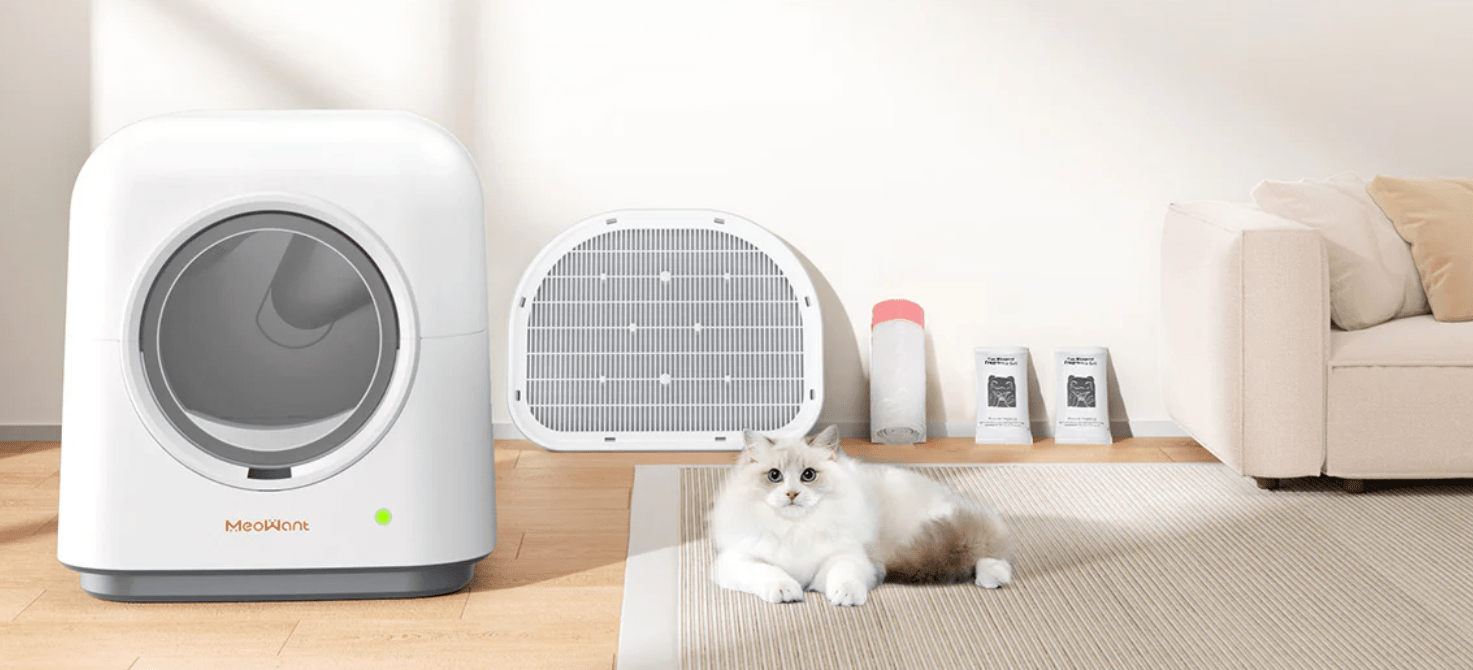
Self-cleaning litter boxes can save you time by automatically scooping waste after your cat uses the box. They reduce how often you need to change the litter and keep the area fresh.
However, these boxes require electricity, regular maintenance, and can be noisy—some cats dislike the sound. Traditional boxes are simple and quiet but need daily scooping and more frequent litter changes.
Ask yourself: How much time can you dedicate to litter box maintenance? And how sensitive is your cat to noise or changes in their environment? Your answers will guide you to the right choice.
Cleaning Techniques And Products
Keeping your cat’s litter box clean is essential for both your pet’s health and your home’s freshness. The right cleaning techniques and products can make the chore easier and more effective. Let’s look at how to clean the litter box safely and thoroughly without harming your cat or yourself.
Safe Cleaning Solutions
Choose cleaning products that are non-toxic and safe for pets. Plain hot water mixed with mild dish soap often works well to remove odors and waste buildup. You can also use white vinegar diluted with water to disinfect and neutralize smells naturally.
Avoid anything with strong fragrances or chemicals, as these can irritate your cat’s sensitive nose and skin. Have you ever noticed your cat avoiding the box after you cleaned it? That’s often a sign that the cleaning product was too harsh.
Avoiding Harsh Chemicals
Harsh chemicals like bleach or ammonia can linger in the litter box and harm your cat’s respiratory system. Even if the box looks clean, these substances can cause discomfort or trigger allergies. Instead, opt for gentle cleaners specifically designed for pet use.
Remember, cats are sensitive to smells that humans might not mind. Your goal is to remove waste and odors without leaving a chemical trace behind. How often do you check the ingredients on your cleaning products?
Proper Washing Methods
When cleaning the litter box, start by emptying all the litter completely. Scrub the box with a brush or sponge using your chosen safe cleaning solution, paying special attention to corners and edges where waste can accumulate.
Rinse thoroughly with hot water to remove all soap or vinegar residue. Dry the box completely before adding fresh litter to prevent clumping issues. Regular, deep cleaning every one to two weeks keeps your cat healthy and your home smelling fresh.
Signs Your Cat Needs A Cleaner Box
Keeping a cat’s litter box clean is vital for both your pet’s health and your home’s comfort. Cats are very sensitive to dirt and odors. They show clear signs when their litter box needs cleaning. Recognizing these signs helps maintain a happy, healthy cat and a fresher home.
Behavioral Changes
A dirty litter box can cause sudden changes in your cat’s behavior. Your cat may start scratching outside the box or avoid it altogether. Some cats may become more restless or agitated. Watch for unusual hiding or vocalizing. These signs often mean your cat feels uncomfortable with the litter box’s condition.
Odor Issues
Strong smells from the litter box are a clear warning. A clean box should not have a persistent odor. If you notice a strong ammonia or urine smell, it’s time to clean. Odors can bother both cats and humans. Regular cleaning keeps smells under control and the area fresh.
Litter Box Aversion
Cats may refuse to use a dirty litter box. They might start urinating or defecating outside the box. This behavior is a sign of litter box aversion. It often happens when the box is not cleaned often enough. Keeping the box clean encourages proper use and prevents accidents.
Maintaining A Fresh Litter Box Environment
Keeping your cat’s litter box fresh is key for a healthy home. A clean environment helps control odors and encourages your cat to use the box properly. Small changes can make a big difference in maintaining freshness every day.
Using Deodorizers And Liners
Deodorizers help reduce bad smells without harming your cat. Choose natural, pet-safe options to avoid irritation. Liners create a barrier between the litter and the box. They make cleaning easier and keep the box cleaner longer. Replace liners regularly to prevent odor buildup.
Ventilation Tips
Good airflow reduces moisture and odor. Place the litter box in a well-ventilated area. Open windows or use fans to circulate air if possible. Avoid closed spaces where smells can get trapped. Proper ventilation keeps the area fresh and dry.
Placement Considerations
Choose a quiet, low-traffic spot for the litter box. Cats prefer privacy while using their box. Avoid placing it near food or water bowls. A good location prevents odor spread and keeps your cat comfortable. Keep the area clean and easy to access for regular maintenance.
Credit: meowant.com
Frequently Asked Questions
How Often Should You Change Cat Litter?
It’s best to change your cat’s litter box at least once a week. This prevents odor and keeps your cat healthy. If you have multiple cats, consider changing it more frequently. Regular scooping can extend the time between full changes.
Always monitor for any signs of odor or wetness.
Can You Change A Litter Box Too Often?
Yes, but it’s rare and usually not harmful. Most cats prefer a clean litter box. Over-cleaning might disturb some cats, but it generally ensures a fresh environment. Stick to a weekly cleaning schedule and adjust based on usage. Always observe your cat’s behavior for any signs of distress.
How Do You Know When To Change Litter?
Monitor for bad odors or excessive wetness. If the litter looks clumpy or smells bad, it’s time to change it. Cats may avoid a dirty litter box, so watch for signs of reluctance. Regular scooping can help extend time between full changes.
Consistency is key for a happy cat.
What Happens If You Don’t Change Cat Litter?
Not changing litter can lead to bad odors and health risks. Dirty litter boxes can cause urinary tract infections in cats. Cats may refuse to use a dirty box, leading to accidents. Regular cleaning promotes a healthy and happy cat.
Prioritize a clean environment for your pet’s well-being.
Conclusion
Keeping your cat’s litter box clean helps keep your home fresh. Change the litter fully at least once a week. Scoop waste daily to keep odors away. A clean box makes your cat happy and healthy. Pay attention to your cat’s habits for signs of change.
Cleanliness prevents illness and keeps your cat comfortable. Regular care saves time and stress later. Simple steps make a big difference in pet care. Your cat will thank you with good behavior. Easy to do, important to keep up.
