

Have you ever noticed your female cat acting restless, vocal, or more affectionate than usual? These changes might mean she’s going into heat.
Understanding how often female cats go into heat can help you take better care of her and avoid unexpected surprises. You’ll discover the signs, timing, and what to expect during your cat’s heat cycles. Keep reading to learn exactly when your furry friend might need extra attention and how to make this time easier for both of you.
Credit: www.pethealthclub.com
Heat Cycle Frequency
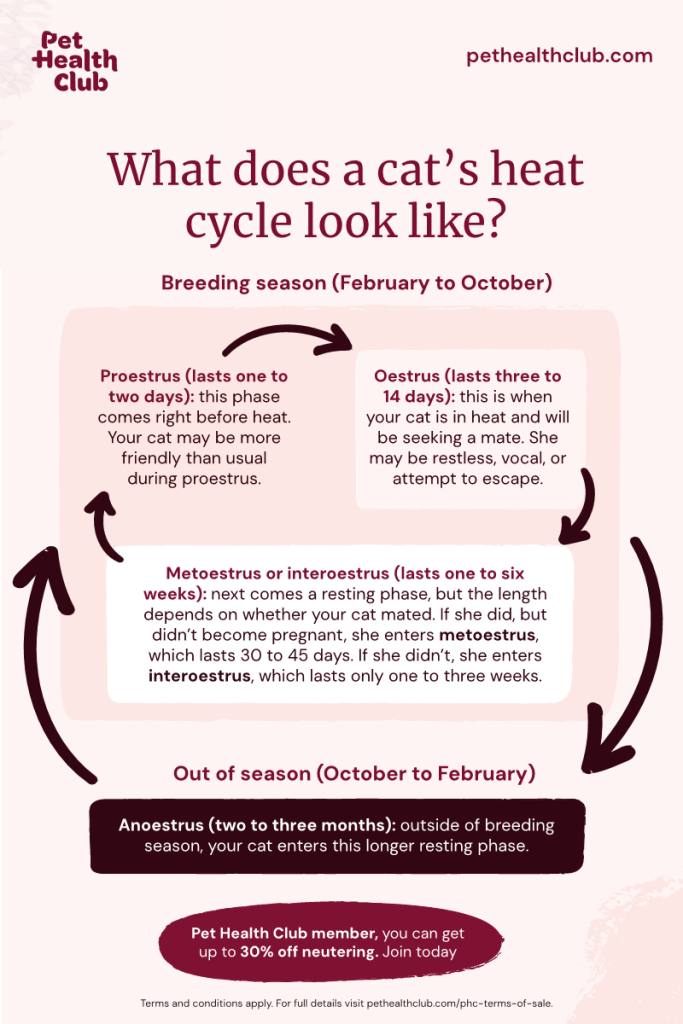
Female cats typically go into heat every two to three weeks during their breeding season. This cycle can last several days and repeats until the cat becomes pregnant or the season ends.
Understanding the heat cycle frequency in female cats can be crucial for pet owners who want to manage their cat’s reproductive health. Female cats, or queens, experience this natural cycle multiple times throughout the year, and knowing when to expect it can help you prepare and provide the best care.Typical Heat Intervals
Female cats usually go into heat every two to three weeks during breeding season. This frequent cycle allows them numerous opportunities to mate and reproduce. Each heat cycle lasts anywhere from a few days to a week, during which you may notice behavioral changes in your cat.Age And Heat Patterns
A female cat can first go into heat as early as four months old. However, it typically starts around six months. As your cat matures, her heat cycles may become more regular, but every cat is unique in her patterns.Seasonal Influences
Did you know that daylight plays a role in your cat’s heat cycle? Cats are typically seasonal breeders, with cycles more frequent in spring and summer when daylight hours are longer. This means you might notice your cat going into heat more often during these months. By understanding these patterns, you can better anticipate your cat’s needs and make informed decisions about her care. Are you prepared to handle your cat’s next heat cycle?
Credit: www.purina.com
Signs Of Heat In Female Cats
Female cats show clear signs when they go into heat. These signs help owners recognize this natural cycle. Understanding these signs makes caring easier and avoids surprises.
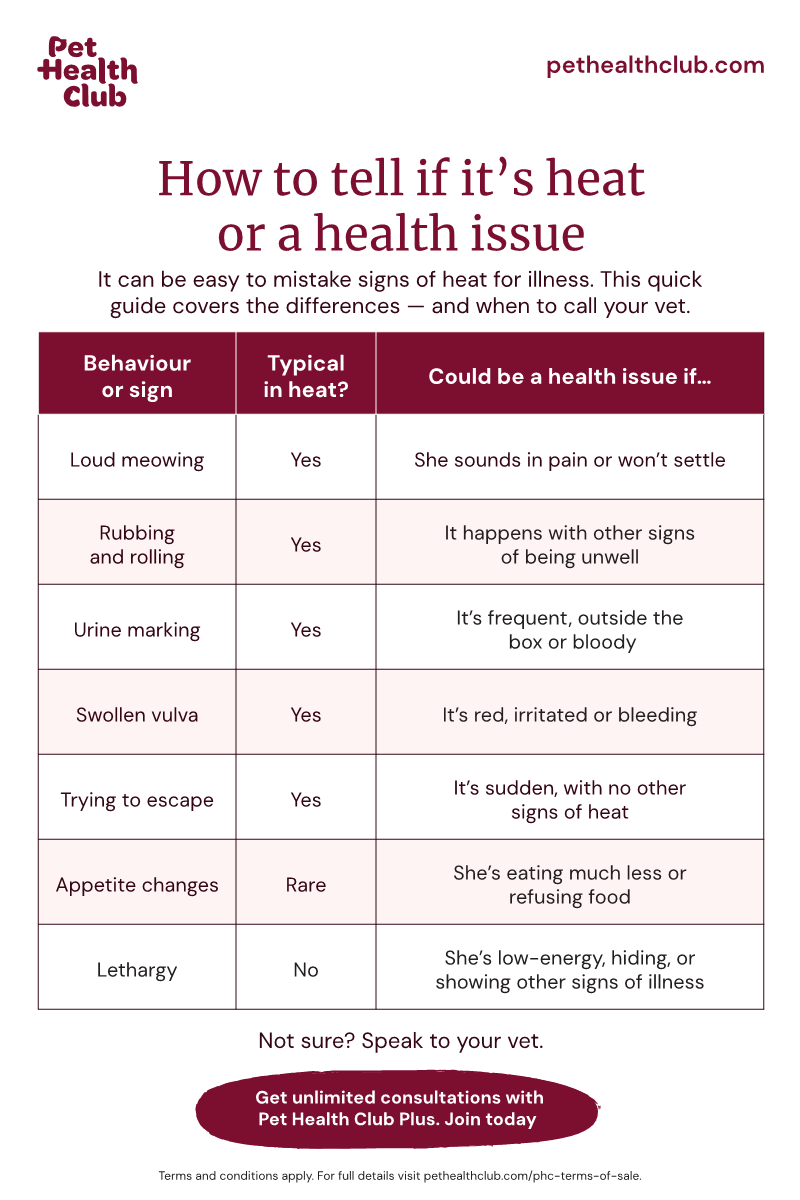
Physical Symptoms
- Swollen and red vulva
- Increased grooming of the genital area
- Frequent vocalizing with loud meows or yowls
- Restlessness and pacing
- Possible slight discharge from the vulva
- Raised hindquarters when petted
Behavioral Changes
- More affectionate and clingy towards people
- Rubbing against furniture or people often
- Rolling on the floor repeatedly
- Increased desire to escape outdoors
- Marking territory with urine spraying
- Less appetite or changes in eating habits
Factors Affecting Heat Cycles
Several factors influence how often female cats go into heat. These factors affect the frequency and intensity of their heat cycles. Understanding them helps in managing your cat’s behavior and health.
Breed Variations
Different cat breeds have different heat cycle patterns. Some breeds, like Siamese cats, tend to go into heat more frequently. Others, like Persian cats, may have longer intervals between cycles. Breed genetics play a key role in this variation.
Environmental Triggers
Light exposure strongly affects a cat’s heat cycle. Longer daylight hours can trigger more frequent heat periods. Indoor cats with artificial light may cycle differently from outdoor cats. Temperature and seasonal changes also influence heat cycles.
Health Conditions
Illness or hormonal imbalances can disrupt normal heat cycles. Conditions like ovarian cysts or infections affect cycle regularity. Stress and poor nutrition also impact a cat’s reproductive health. Regular vet checkups can help detect such issues early.
Managing Heat Cycles
Managing heat cycles in female cats is crucial for their health and your comfort. These cycles can cause restlessness, loud vocalizing, and constant attention-seeking behavior. Understanding how to handle these cycles helps maintain peace at home and supports your cat’s well-being.
Spaying Benefits
Spaying stops heat cycles completely. It prevents unwanted litters and reduces certain health risks. Spaying also lowers the chance of uterine infections and breast cancer. Cats tend to live longer and healthier lives after spaying. This procedure is a permanent solution to heat cycle challenges.
Temporary Solutions
While waiting for spaying, some steps can ease heat symptoms. Provide extra playtime to distract your cat. Create a calm and quiet space for her to relax. Use pheromone sprays designed to reduce stress. Keep her indoors to prevent unwanted mating and protect her from dangers.
When To Consult A Vet
Seek vet advice if heat cycles seem irregular or too frequent. Watch for signs of distress or health issues. Blood in urine or unusual discharge needs professional attention. The vet can suggest medical options or check for infections. Early care ensures your cat stays safe and healthy.
Breeding Considerations
Understanding breeding considerations is essential if you are thinking about allowing your female cat to go into heat for mating. It’s not just about timing; it involves knowing the right moments and being aware of the responsibilities and risks that come with breeding. These factors help ensure the health and well-being of both the mother and her kittens.
Optimal Timing
Female cats usually go into heat every two to three weeks during their breeding season, which often spans from early spring to late fall. The best time to breed is during the peak of her heat cycle, usually around the third or fourth day when she is most receptive to the male.
Pay close attention to her behavior: increased vocalization, restlessness, and rubbing against objects are clear signs. Breeding at the right time increases the chances of successful conception and reduces stress on your cat.
Risks And Responsibilities
Breeding a female cat is a serious commitment. You need to be prepared for the health risks involved, including complications during pregnancy and birth. Regular veterinary check-ups are crucial to monitor her condition.
Consider the responsibility of caring for the kittens until they are old enough to find good homes. Can you provide the time, space, and resources needed? If not, it might be better to consult with a vet about alternative options like spaying.
- Health monitoring during pregnancy
- Proper nutrition and veterinary care
- Safe and comfortable space for birthing
- Long-term care for kittens
Are you ready to take on these challenges for your cat’s well-being and the future of her kittens?
Credit: www.diamondpet.com
Frequently Asked Questions
How Often Do Female Cats Go Into Heat Yearly?
Female cats typically go into heat every 2 to 3 weeks during breeding seasons. This cycle continues until they become pregnant or the season ends.
At What Age Do Female Cats Start Going Into Heat?
Female cats usually begin their heat cycles between 5 to 9 months old. This age can vary based on breed and environment.
How Long Does A Female Cat’s Heat Cycle Last?
A cat’s heat cycle generally lasts between 4 to 7 days. If she does not mate, the cycle will repeat every few weeks.
Can Indoor Cats Go Into Heat Frequently?
Yes, indoor cats can go into heat frequently. Artificial lighting and lack of natural seasonal changes can cause year-round cycles.
Conclusion
Female cats usually go into heat every few weeks during breeding season. This cycle helps them attract mates and prepare for kittens. Knowing this schedule helps cat owners care better for their pets. Watch for signs like loud meowing or restlessness.
Spaying your cat can stop heat cycles and reduce health risks. Understanding your cat’s heat frequency keeps her happy and healthy. Take care, observe, and enjoy your feline friend’s unique nature.
