

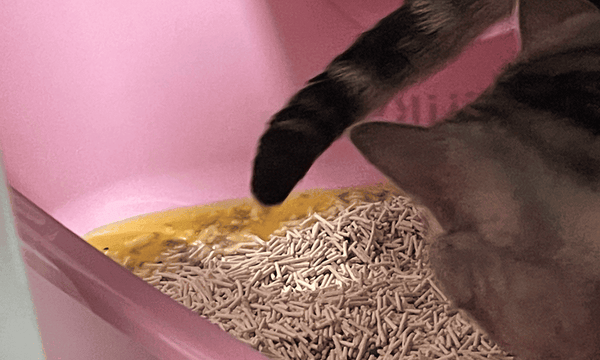
Have you ever wondered how often your cat should urinate? Understanding your cat’s bathroom habits is more important than you might think.
Changes in how often your cat pees can be an early sign of health issues that need your attention. You’ll discover what normal cat urination looks like, when to worry, and how you can keep your furry friend healthy and happy.
Keep reading—you’ll learn simple tips that can make a big difference for your cat’s well-being.
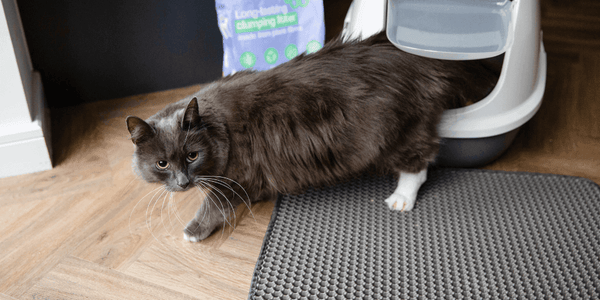
Credit: www.tippaws.com
Typical Urination Frequency
Cats have a natural rhythm for urination that helps keep them healthy. Knowing how often a cat urinates can tell a lot about their well-being. Typical urination frequency varies by age, diet, and health.
Most adult cats urinate several times daily. This frequency ensures their bodies remove waste and maintain hydration. Changes in this pattern can signal health issues requiring attention.
Average Number Of Times Cats Urinate Daily
Adult cats usually urinate two to four times each day. Some cats may go up to six times, depending on water intake and activity. Kittens tend to urinate more often due to smaller bladders.
Factors Affecting Urination Frequency
- Water consumption: More water means more urination.
- Diet type: Wet food increases urine output compared to dry food.
- Age: Older cats may urinate more due to health changes.
- Health conditions: Illnesses like infections can alter urination.
Signs Of Abnormal Urination Patterns
Sudden changes in urination frequency can indicate problems. Excessive urination or straining to urinate needs veterinary care. Not urinating enough or in unusual places also signals issues.
Factors Influencing Urination
Several factors influence how often cats urinate. These elements affect their bladder function and hydration levels. Understanding these factors helps in recognizing normal and abnormal urination patterns in cats.
Age And Life Stage
Kittens urinate more often than adult cats. Their small bladders fill up quickly. Older cats may urinate more due to health changes. Changes in urination frequency can signal aging or development stages.
Diet And Hydration
Wet food increases a cat’s water intake. Cats eating dry food drink more water separately. Hydration level directly affects urination frequency. Low water intake can reduce urination and cause health issues.
Health Conditions
Urinary tract infections increase urination frequency and urgency. Kidney problems may cause more frequent urination. Diabetes often leads to excessive urination due to high blood sugar. Always monitor urination changes as they may indicate illness.
Recognizing Abnormal Urination
Noticing changes in your cat’s urination habits can alert you to potential health issues before they become serious. Cats usually have regular patterns, so any shift might indicate discomfort or illness. Paying attention to these changes helps you act quickly, potentially saving your pet from pain or complications.
Increased Urination
If your cat starts urinating more often or produces larger amounts, it could signal problems like urinary tract infections, diabetes, or kidney issues. You might notice your cat visiting the litter box frequently or having accidents outside it. Watch for signs such as straining, crying while urinating, or changes in urine color.
Ask yourself: Is your cat drinking more water than usual? Excessive thirst often goes hand-in-hand with increased urination. Tracking both habits can give you a clearer picture to share with your vet.
Decreased Urination
On the other hand, if your cat urinates less frequently or produces very small amounts, it could be an emergency. Conditions like urinary blockages or dehydration require immediate veterinary attention. Look for signs like lethargy, vomiting, or distress when trying to urinate.
Have you noticed your cat spending a long time in the litter box without producing urine? This behavior is a red flag. Acting fast can prevent life-threatening complications.
Common Urinary Health Issues
Cats can face several urinary health problems affecting how often they urinate. These issues may cause discomfort and serious health risks. Recognizing signs early helps keep cats healthy. Watch for changes in urination habits or behavior.
Urinary Tract Infections
Urinary tract infections (UTIs) occur when bacteria enter the urinary system. Cats may urinate more often or strain to pee. Blood in the urine or licking the genital area frequently are common signs. UTIs can cause pain and lead to more severe problems if untreated.
Feline Lower Urinary Tract Disease
Feline Lower Urinary Tract Disease (FLUTD) affects the bladder and urethra. It causes inflammation and sometimes blockages. Cats with FLUTD may urinate small amounts repeatedly or outside the litter box. Stress, diet, and dehydration can trigger this condition. Prompt care is essential to prevent complications.
Kidney Disease
Kidney disease affects urine production and filtration. Cats may urinate more frequently and drink more water. Early kidney problems might not show clear symptoms. Advanced stages cause weight loss and lethargy. Regular vet check-ups help detect kidney issues early for better treatment.
Monitoring Your Cat’s Urination
Monitoring your cat’s urination helps detect health problems early. Cats usually urinate two to four times a day. Changes in frequency or behavior can signal issues like infections or kidney problems. Observing your cat closely supports their well-being and comfort.
Litter Box Habits
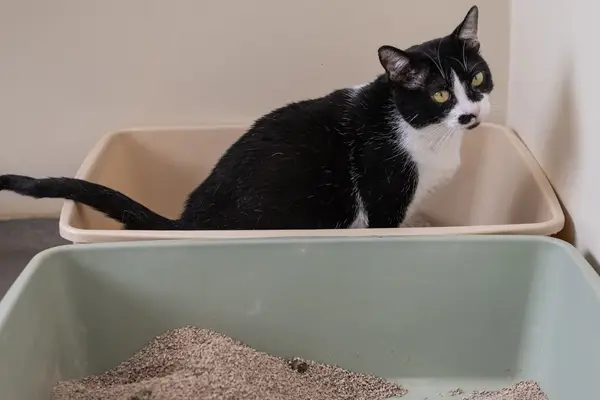
Check your cat’s litter box daily. Note how often your cat uses it and the amount of urine. Sudden increases or decreases in urination frequency need attention. Watch for urine outside the box. This may indicate discomfort or illness. Keep the box clean to encourage regular use.
Signs Of Discomfort
Look for signs like straining or crying while urinating. Frequent trips to the litter box with little urine can mean pain. Blood in the urine is a serious warning sign. Your cat may lick their genital area more than usual. These signs require prompt veterinary advice.

Credit: www.feliway.co.uk
When To Consult A Veterinarian
Knowing when to consult a veterinarian about your cat’s urination habits is important. Changes in how often or how much your cat urinates can signal health problems. Early attention helps prevent serious issues and keeps your cat healthy.
Persistent Changes
Watch for urination changes that last more than two days. These include urinating much more or less than usual. Also note if your cat strains or cries while urinating. Consistent changes often need veterinary evaluation.
Accompanying Symptoms
Look for other signs along with urination changes. These include:
- Blood in the urine
- Frequent licking of the genital area
- Strong odor from urine
- Loss of appetite or weight
- Vomiting or lethargy
- Accidents outside the litter box
These symptoms can point to infections, stones, or kidney issues. Immediate veterinary care is needed to diagnose and treat the problem.
Promoting Healthy Urination
Promoting healthy urination in cats supports their overall well-being. Regular urination helps prevent urinary tract problems and discomfort. Encouraging good habits is key to keeping cats happy and healthy.
Hydration Tips
Water is vital for a cat’s urinary health. Cats often drink less water, which can cause urine to become concentrated. Concentrated urine may lead to bladder issues and infections.
- Provide fresh water daily in multiple bowls around the house.
- Use a pet water fountain to encourage drinking.
- Offer wet cat food to increase moisture intake.
- Clean water bowls regularly to keep water appealing.
Dietary Considerations
Diet affects how often and how well cats urinate. A balanced diet supports kidney and bladder function. Avoid foods high in magnesium and phosphorus, as they may cause crystals.
- Choose high-quality cat food with controlled mineral content.
- Include wet food to increase water intake naturally.
- Consult a vet for special diets if your cat has urinary issues.
- Monitor your cat’s weight to prevent obesity, which impacts health.
Credit: gsvs.org
Frequently Asked Questions
How Many Times Do Cats Typically Urinate Daily?
Cats usually urinate between two to four times a day. Frequency can vary based on age, diet, and health. Monitoring changes helps detect potential health issues early.
What Factors Influence A Cat’s Urination Frequency?
Diet, water intake, age, and health conditions impact urination frequency. Stress and environmental changes can also alter habits. Regular vet check-ups ensure your cat’s urinary health.
Is Frequent Urination In Cats A Health Concern?
Yes, frequent urination can indicate infections, kidney problems, or diabetes. Early diagnosis and treatment are crucial for your cat’s well-being. Consult a vet if you notice changes.
How Can I Tell If My Cat’s Urination Is Normal?
Normal urination is consistent in frequency and volume without discomfort. Changes in color, smell, or behavior warrant veterinary attention. Keeping a log can help track patterns.
Conclusion
Cats usually urinate several times a day, around two to four times. Changes in urination can signal health problems. Watch your cat’s habits closely for any unusual signs. Regular vet visits help keep your cat healthy and happy. Understanding how often cats urinate helps you care better.
Small changes matter—stay alert and act quickly if needed. Healthy cats feel better and live longer. Simple care and attention make a big difference.
