

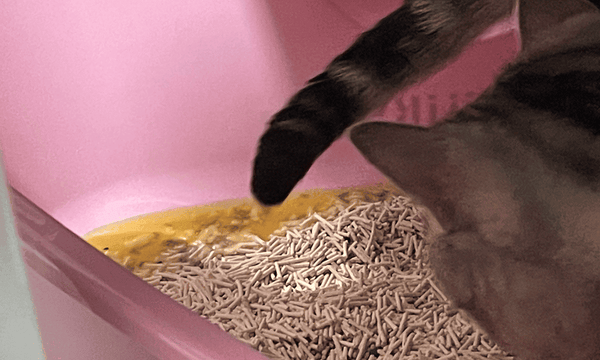
Have you ever wondered how often your cat should pee? Understanding your cat’s bathroom habits is key to keeping them healthy and happy.
If you notice changes in how often your furry friend visits the litter box, it could be a sign of something important. You’ll discover what normal cat peeing looks like and when you should be concerned. Keep reading to learn how to spot the signs that your cat might need a vet visit—and ensure your pet stays comfortable every day.
Cat Urination Frequency
Understanding how often cats urinate helps monitor their health. Cat urination frequency varies based on several factors. Observing their normal patterns can prevent health issues. Changes in urination might indicate illness or stress.
Normal Peeing Patterns
Most cats pee between two to four times a day. The amount depends on their water intake and activity. Healthy cats usually produce small, concentrated urine. Some cats may pee more if they drink more water. Wet food can increase urine output due to higher moisture.
Age And Urination
Kittens urinate more often than adult cats. Their small bladders fill quickly and need frequent emptying. Older cats may urinate more due to health conditions. Kidney problems or diabetes can increase urination in senior cats. Regular vet checkups help catch these changes early.
Diet Impact On Peeing
Wet food increases water intake, so cats pee more. Dry food can reduce urine volume because it has less moisture. Cats on a dry diet need constant access to water. Special diets for urinary health can affect urination frequency. Always provide fresh water to keep your cat hydrated.
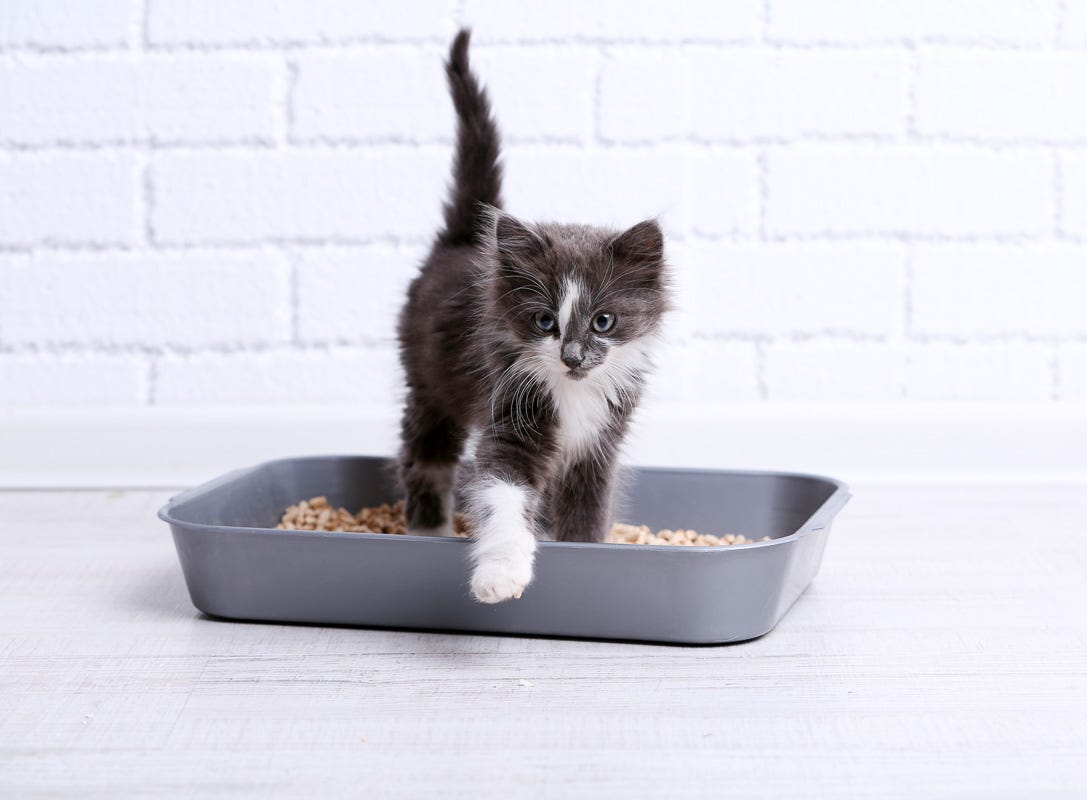
Credit: thediscerningcat.medium.com
Signs Of Urinary Issues
Recognizing signs of urinary issues in cats is vital for their health. These signs often show early problems in the urinary tract. Acting quickly can prevent serious complications. Observe your cat’s bathroom habits carefully. Small changes can signal discomfort or illness.
Changes In Peeing Habits
A sudden change in how often or where your cat pees can indicate trouble. Cats may urinate more or less than usual. Some cats avoid the litter box. Watch for frequent trips or accidents outside the box. These changes often point to urinary discomfort or blockage.
Straining Or Discomfort
Straining to pee is a clear sign of urinary distress. Your cat might take a long time in the litter box. They may cry or show signs of pain while peeing. This behavior often means irritation or blockage in the urinary tract. Do not ignore these signs, as they can get worse quickly.
Blood In Urine
Blood in your cat’s urine is a serious symptom. It can make the urine look pink, red, or dark. This may mean infection, stones, or injury inside the urinary system. Blood in the urine always needs veterinary attention. Early treatment can protect your cat’s health and comfort.
Factors Affecting Peeing
Understanding how often your cat pees is not just about counting visits to the litter box. Various factors influence your feline friend’s bathroom habits. These factors range from something as simple as how much water they drink to more serious health issues.
Hydration Levels
Your cat’s pee frequency closely links to their water intake. If your cat drinks more water, expect them to pee more often. Cats on dry food diets tend to drink more water and urinate more, while those eating wet food might pee less because of higher moisture content.
Have you noticed your cat’s water bowl empties quickly on hot days? That’s a sign they’re adjusting their hydration, which naturally changes their peeing pattern.
Stress And Environment
Stress can drastically alter your cat’s bathroom routine. Changes like moving to a new home, adding a new pet, or loud noises can make your cat pee less or more frequently. Cats are sensitive creatures; their environment impacts their comfort and, in turn, their litter box habits.
If your cat suddenly starts peeing outside the litter box, ask yourself: has something changed in their environment recently? This can be a clue that stress is at play.
Health Conditions
Frequent or infrequent urination may signal health problems. Conditions like urinary tract infections, kidney disease, or diabetes can change how often your cat pees. Paying attention to these changes helps catch issues early.
Notice if your cat strains to pee or has blood in their urine—these are signs you should visit the vet immediately. Your cat’s bathroom behavior is often the first hint of a health problem.
Litter Box Tips
Understanding your cat’s bathroom habits goes beyond just counting how often they pee. The litter box plays a huge role in their comfort and health. Paying attention to the type of box, how often you clean it, and where you place it can make a big difference in your cat’s behavior and well-being.
Choosing The Right Box
Size matters for your cat’s litter box. A cramped box can discourage use, leading to accidents outside it. Aim for a box that’s at least one and a half times the length of your cat from nose to tail.
Open or covered boxes? Some cats prefer privacy, while others like to see their surroundings. Watch how your cat reacts and choose accordingly. Materials matter too—plastic boxes are common but consider ones with smooth surfaces for easier cleaning.
Cleaning Frequency
How often you clean the litter box directly affects how often your cat uses it. Scoop waste daily to keep odors down and encourage regular use. Completely change the litter and wash the box once a week with mild soap to prevent bacteria buildup.
Have multiple cats? Multiply the number of boxes accordingly. The rule of thumb is one box per cat, plus one extra. This reduces territorial disputes and keeps each cat comfortable.
Location Matters
Place the litter box in a quiet, low-traffic area where your cat feels safe. Avoid noisy appliances or busy hallways that might scare them away. Accessibility is key—if your cat has mobility issues, avoid stairs or tight spaces.
Think about privacy but also ventilation. A stuffy, enclosed spot can trap odors and discourage use. Have you noticed your cat avoiding their box? Try moving it to a new location and observe their reaction.
When To See A Vet
Knowing when to see a vet is key to keeping your cat healthy. Changes in urination habits can signal health issues. Some signs require quick action. Others may need monitoring. Understanding these signs helps you protect your pet.
Frequent Urination
Frequent urination means your cat pees more than usual. This may show a urinary tract infection or diabetes. Watch for signs like:
- More trips to the litter box
- Small amounts of urine each time
- Straining or crying while peeing
Frequent urination can cause discomfort and lead to serious problems. A vet check helps find the cause and start treatment.
No Urination
No urination for 24 hours is an emergency. It may mean a blockage in the urinary tract. This condition is very dangerous. Your cat could become very sick quickly. Symptoms include:
- Trying to pee but no urine comes out
- Restlessness and pain
- Vomiting or lethargy
Seek veterinary care immediately. Early treatment can save your cat’s life.
Other Warning Signs
Other signs also suggest health problems. These include:
- Blood in the urine
- Strong urine smell
- Excessive licking of the genital area
- Sudden changes in drinking habits
Noticing these signs means a vet visit is needed. Early diagnosis prevents complications and promotes healing.

Credit: www.petscare.com
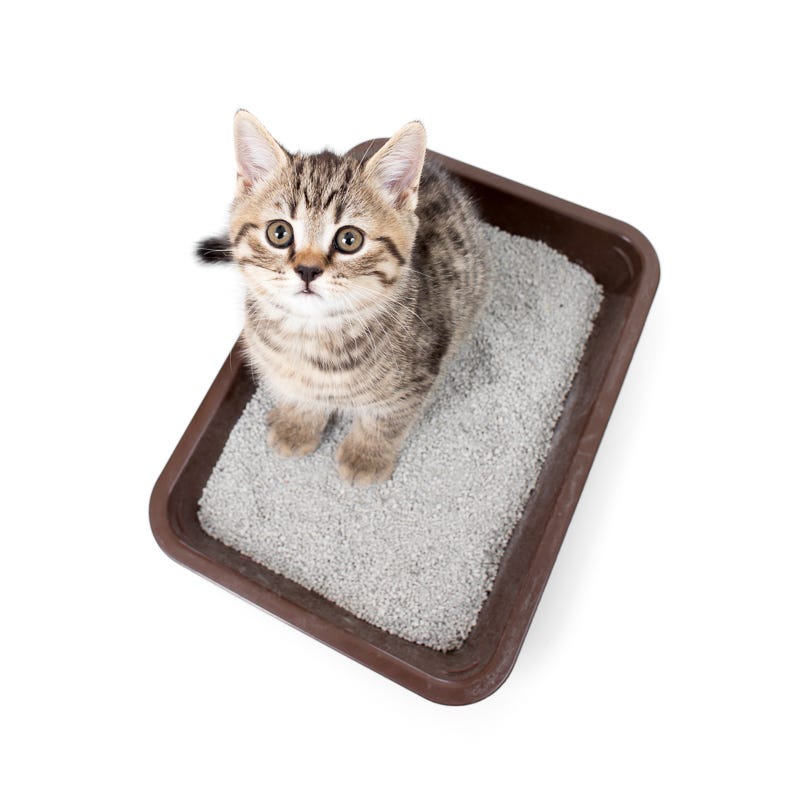
Credit: thediscerningcat.medium.com
Frequently Asked Questions
How Often Do Healthy Cats Usually Pee?
Healthy cats typically urinate 2 to 4 times daily. Frequency depends on water intake, diet, and activity levels.
What Changes In Urination Indicate Health Issues?
Frequent or painful urination can signal infections or urinary problems. Watch for blood or straining during peeing.
Can Diet Affect How Often Cats Pee?
Yes, wet food increases water intake, causing more frequent urination. Dry food may reduce urination frequency.
How To Track Your Cat’s Normal Urination Pattern?
Observe your cat’s litter box habits daily. Note any changes in frequency, volume, or behavior during peeing.
Conclusion
Cats usually pee two to four times a day. This can change with their age, diet, and health. Watching your cat’s bathroom habits helps catch problems early. Changes in how often or how much they pee might signal illness. Keep their litter box clean and easy to find.
Regular vet check-ups support your cat’s health and comfort. Understanding these habits helps you care for your furry friend better. Simple attention can keep your cat happy and healthy.
