


If you have a cat, you want to keep it healthy and happy. One of the best ways to do that is by making sure your cat gets the right vaccines at the right time.
But how often do cats need vaccines? It’s a question every cat owner should know the answer to. Missing or delaying shots can put your furry friend at risk of serious illnesses. You’ll discover exactly when and why your cat needs vaccines, so you can protect them better.
Keep reading to learn the simple steps that can keep your cat safe for years to come.

Credit: millsanimalhospital.com
Importance Of Cat Vaccinations
Vaccinating your cat is more than just a routine visit to the vet—it’s a crucial step to protect their health and well-being. Vaccines help shield your furry friend from dangerous diseases that can cause severe illness or even be fatal. If you’ve ever watched a playful kitten suddenly become sick, you know how heartbreaking it is—and vaccination can often prevent that.
Understanding why vaccinations matter will help you make better choices for your cat’s care. It’s not just about your cat; vaccinations also protect other pets and people around you. Are you confident your cat’s current vaccines are enough to keep them safe?
Protecting Your Cat From Serious Diseases
Vaccines guard your cat against illnesses like feline leukemia, rabies, and distemper. These diseases spread easily and can be deadly. By vaccinating, you reduce the risk of your cat catching and spreading infections.
Think about the peace of mind you get knowing your cat is protected. This is especially important if your cat spends time outdoors or visits places with other animals.
Preventing The Spread Of Disease To Other Pets And Humans
Your cat’s health affects others in your home and community. Some diseases, such as rabies, can jump from cats to humans. Vaccinating your cat helps stop outbreaks before they start.
Protecting your pet also means protecting your family. It’s a simple step with a big impact on everyone’s safety.
Reducing Veterinary Costs And Stress
Treating serious illnesses can be expensive and stressful for both you and your cat. Vaccinations help avoid these costly health problems. Think of vaccines as a smart investment in your cat’s long-term health.
Preventing illness means fewer vet visits, less worry, and more time enjoying your cat’s company.
Supporting Your Cat’s Quality Of Life
Healthy cats live happier, more active lives. Vaccinations support their immune system to fight off infections. This means your cat can enjoy more playtime, exploration, and affection.
Wouldn’t you want your cat to thrive with less risk of sickness? Vaccinating helps make that happen every day.
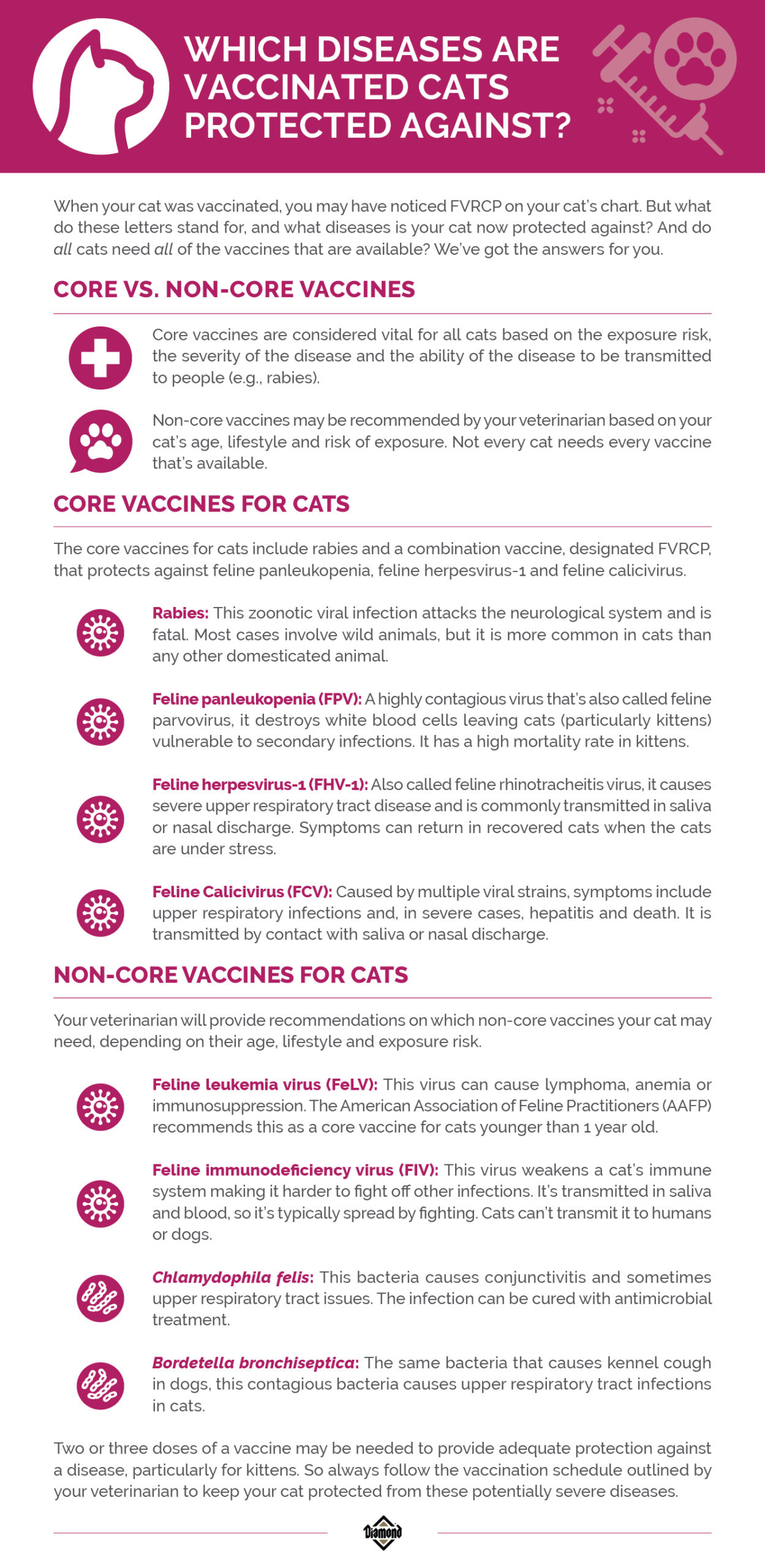
Credit: www.diamondpet.com
Core Vaccines For Cats
Core vaccines protect your cat against the most dangerous and common diseases. These vaccines are considered essential for every cat, regardless of lifestyle or location. Knowing which vaccines are core helps you make informed decisions about your cat’s health.
Feline Herpesvirus
Feline Herpesvirus causes respiratory infections and eye problems in cats. Symptoms include sneezing, watery eyes, and nasal discharge. Vaccinating your cat helps reduce the severity of these symptoms and lowers the risk of outbreaks in multi-cat environments.
Feline Calicivirus
This virus also affects the respiratory system but can cause mouth ulcers and lameness in some cases. It spreads easily through direct contact and contaminated objects. The vaccine offers strong protection and is crucial if your cat visits boarding facilities or interacts with other cats.
Feline Panleukopenia
Also known as feline distemper, this disease is highly contagious and often fatal. It attacks the immune system and digestive tract, causing severe vomiting and diarrhea. Vaccination is the best defense and can save your cat’s life in case of exposure.
Non-core Vaccines
Non-core vaccines are not necessary for every cat but can be crucial depending on your cat’s lifestyle and environment. These vaccines protect against diseases that are less common but potentially serious. Deciding whether your cat needs these vaccines involves understanding their risk factors and discussing them with your vet.
Feline Leukemia Virus
Feline Leukemia Virus (FeLV) is a serious infection that can weaken your cat’s immune system. It spreads mainly through close contact, such as grooming or fighting with infected cats. If your cat goes outdoors or lives with other cats whose health status is unknown, this vaccine is highly recommended.
Some cats never leave the house, but if you ever plan to introduce new cats or let yours explore outside, consider this vaccine. Have you checked if your cat’s playmates are FeLV-free? That’s an important step to protect your furry friend.
Bordetella
Bordetella is a bacterial infection that affects the respiratory tract, causing coughing and sneezing. Cats in shelters, boarding facilities, or multi-cat households have a higher risk of catching it. Vaccination can reduce symptoms and the spread, especially in crowded environments.
If your cat has experienced kennel stays or frequent visits to places with other animals, this vaccine might be worth adding. Think about your cat’s social habits—do they interact with many other cats or visit busy pet areas?
Chlamydophila Felis
This bacterial infection causes eye problems like conjunctivitis and can spread quickly in environments with many cats. It’s more common in shelters or catteries but can affect any cat exposed to infected individuals. Vaccination helps minimize outbreaks and keeps your cat’s eyes healthy.
Have you noticed your cat rubbing their eyes or showing redness? While this vaccine isn’t for every cat, it’s a smart choice if your cat spends time around many other felines. Protecting their vision is always worth considering.
Kitten Vaccination Schedule
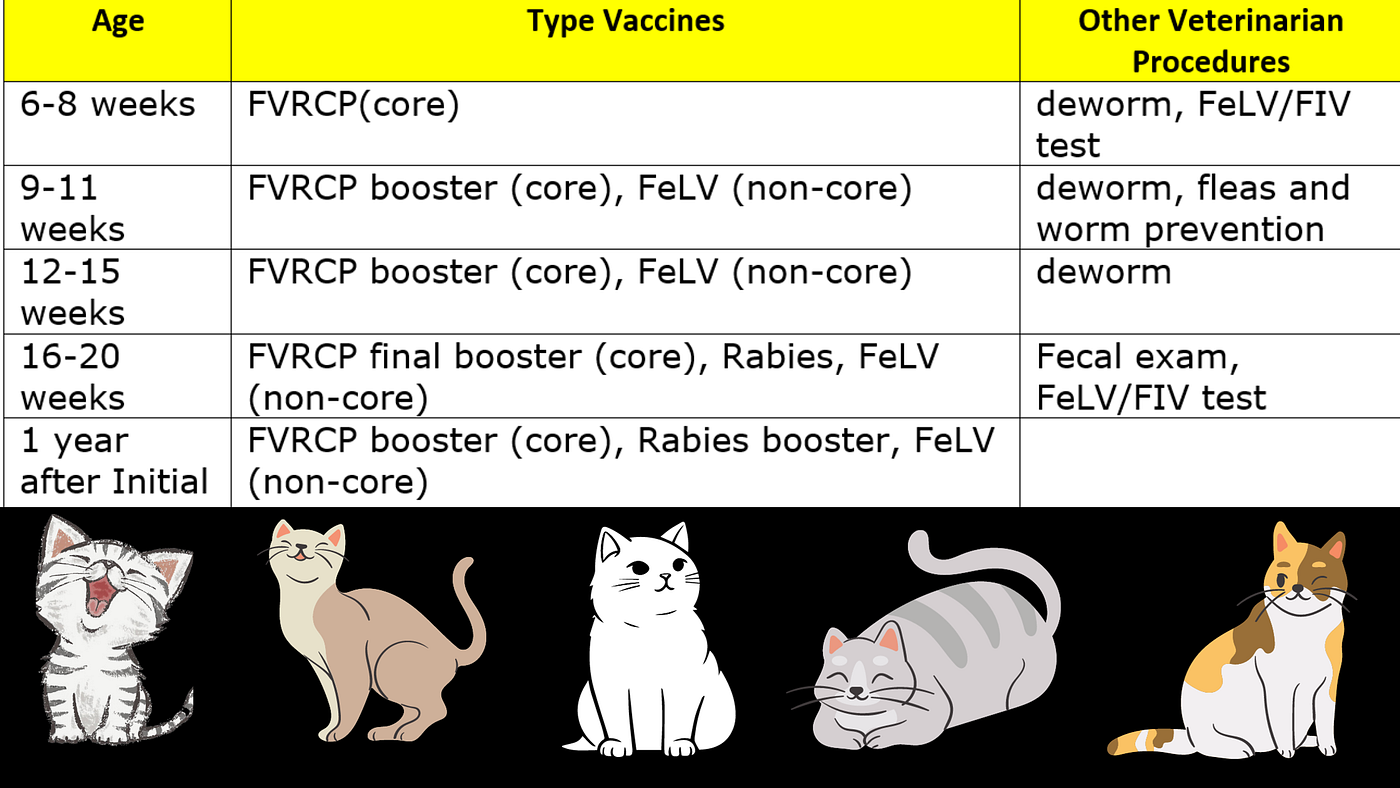
Vaccinating kittens is essential for their health and safety. A proper vaccination schedule protects them from many serious diseases. Kittens need several vaccines during their first few months. This schedule helps build strong immunity early in life. Regular visits to the vet ensure timely vaccinations and health checks.
Initial Vaccination
Kittens usually start vaccinations at six to eight weeks old. The first shots protect against common infections like:
- Feline distemper (panleukopenia)
- Calicivirus
- Rhinotracheitis (herpesvirus)
These vaccines often come combined in one injection. The vet also checks the kitten’s overall health during this visit.
Booster Shots
Booster shots follow initial vaccinations to strengthen immunity. They are given every three to four weeks until the kitten is about 16 weeks old.
- Boosters help maintain protection against diseases.
- They also prepare the immune system for lifelong defense.
- Some vaccines may require additional boosters after the first year.
Following the booster schedule is key to keeping your kitten healthy and safe.
Adult Cat Vaccination Schedule
Adult cats need vaccines to stay healthy and protected against diseases. The vaccination schedule changes from kittenhood to adulthood. This schedule helps maintain immunity over time. Regular vaccinations reduce the risk of infections and serious illnesses.
The adult cat vaccination schedule depends on the type of vaccine and the cat’s lifestyle. Some vaccines require yearly updates. Others last longer and need boosters every few years. Knowing this schedule helps keep cats safe and healthy.
Annual Boosters
Certain vaccines need to be given every year. These include vaccines for diseases like rabies and feline leukemia virus (FeLV). Annual boosters keep the cat’s immune system strong. They protect cats from infections that can spread easily.
Yearly visits to the vet allow for health checks. The vet can also advise on any new vaccines needed. This keeps the cat’s vaccination record up to date. Annual boosters are crucial for cats that go outdoors or live with other pets.
Three-year Boosters
Some vaccines provide longer protection, lasting up to three years. These include core vaccines such as feline distemper (panleukopenia), calicivirus, and herpesvirus. After the initial series and one-year booster, these vaccines often require boosters every three years.
Three-year boosters save time and reduce stress for cats. They still maintain strong immunity against serious diseases. The vet decides the best timing based on the cat’s health and risk factors.
Factors Influencing Vaccine Frequency
Knowing how often your cat needs vaccines depends on several important factors. These factors affect not only the timing but also the type of vaccines your cat requires. Understanding these can help you protect your feline friend more effectively.
Indoor Vs. Outdoor Cats
Your cat’s lifestyle plays a big role in vaccine frequency. Outdoor cats face more risks because they encounter other animals and environments where diseases spread easily. This means they often need vaccines more frequently to stay safe.
Indoor cats, on the other hand, have less exposure to contagious diseases. This might allow for a longer gap between booster shots. But even indoor cats can catch illnesses brought in on your shoes or by visitors, so skipping vaccines isn’t a good idea.
Think about how much time your cat spends outside and the places it visits. Does your cat roam freely or stay in a secured yard? These details help your vet decide the best vaccine schedule.
Health Status
Your cat’s overall health affects how often it should get vaccinated. Cats with weakened immune systems or chronic illnesses may need a different vaccine plan than healthy cats. Sometimes, vaccines may need to be delayed or given in a special way.
Older cats can also have different vaccine needs. They might require fewer boosters or a customized approach based on their medical history. It’s important to share all health concerns with your vet before deciding on vaccines.
Have you noticed any changes in your cat’s health recently? This information can help your vet tailor the vaccination schedule to keep your cat safe without causing stress or harm.
Signs Of Vaccine Reactions
Cats, like people, can react to vaccines in different ways. Knowing the signs of vaccine reactions helps you act fast. Some reactions are mild and go away quickly. Others are severe and need immediate care. Watch your cat closely after vaccination for any unusual behavior or symptoms.
Mild Reactions
- Soreness or swelling at the injection site
- Mild fever lasting a day or two
- Reduced appetite for 24 hours
- Lethargy or slight tiredness
- Sneezing or mild cough (for nasal vaccines)
Mild reactions usually resolve on their own. Keep your cat comfortable and monitor the symptoms.
Severe Reactions
- Difficulty breathing or wheezing
- Swelling of the face or neck
- Vomiting or diarrhea lasting more than a day
- Severe lethargy or collapse
- Hives or widespread itching
- Seizures or tremors
Severe reactions need emergency veterinary care. Act quickly to prevent serious harm.
Consulting Your Veterinarian
Consulting your veterinarian is key to keeping your cat healthy. Vaccination needs vary based on many factors. Your vet knows your cat’s health history and lifestyle best. They give advice tailored to your cat’s specific needs.
Regular check-ups help monitor your cat’s health and vaccine schedule. Your vet can spot signs of illness early. They adjust vaccine timing based on your cat’s age and risk level. This personalized approach ensures protection without over-vaccinating.
Understanding Vaccine Schedules
Your veterinarian explains which vaccines your cat needs. Core vaccines protect against common diseases. Non-core vaccines depend on your cat’s environment and habits. Your vet creates a schedule that fits your cat’s life.
Addressing Health Concerns
Health problems can affect vaccine timing. Your vet checks for allergies or reactions to past vaccines. They may delay shots if your cat is sick. This keeps vaccination safe and effective.
Keeping Records Updated
Vets keep detailed records of all vaccines given. These records help track booster shots. They also prove your cat’s vaccination status for travel or boarding. Your vet can remind you when vaccines are due.
Credit: medium.com
Frequently Asked Questions
How Often Should Adult Cats Get Vaccinated?
Adult cats typically need booster vaccines every one to three years. The exact frequency depends on vaccine type and vet advice. Regular vet check-ups ensure cats remain protected from common diseases throughout their lives.
When Do Kittens Start Their Vaccination Schedule?
Kittens usually begin vaccinations at six to eight weeks old. They receive several shots spaced three to four weeks apart until 16 weeks. This schedule helps build strong immunity early against infectious diseases.
Are Indoor Cats Required To Get Vaccines Regularly?
Yes, even indoor cats should get vaccines regularly. Some diseases spread through contact with other animals or humans. Vaccinations help protect indoor cats from unexpected exposure to viruses and bacteria.
What Vaccines Are Essential For Every Cat?
Core vaccines include rabies, feline distemper, and calicivirus. These prevent life-threatening illnesses common to all cats. Your vet will recommend additional vaccines based on your cat’s lifestyle and risk factors.
Conclusion
Cats need vaccines to stay healthy and avoid serious diseases. Kittens usually get shots every few weeks until they are a few months old. Adult cats should get booster shots once a year or as the vet suggests. Regular vaccines protect your cat and other pets too.
Keep a vaccine schedule and check with your vet often. Healthy cats are happy cats. Vaccines are a small step for a long, safe life. Don’t skip them.
