

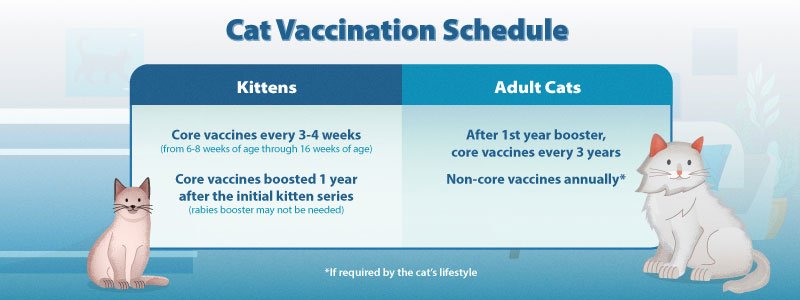
If you have a cat, you probably want to keep it safe and healthy. One important way to do that is by making sure your furry friend gets the rabies vaccine on time.
But how often do cats really need this vaccine? You might be wondering if it’s an annual thing or something less frequent. Knowing the right schedule can protect your cat from a deadly disease and keep you worry-free. You’ll discover exactly when and why your cat needs the rabies shot, so you can take the best care of your beloved pet.
Keep reading to find out everything you need to know!
Rabies And Cats
Rabies is a serious threat to cats and humans alike. This deadly virus can spread quickly if not controlled. Cats, being curious by nature, are at risk. They often roam outdoors, increasing exposure. Vaccination is crucial in keeping them safe.
Rabies Risks For Cats
Cats face several risks with rabies. This disease is almost always fatal once symptoms appear. Outdoor cats are particularly vulnerable. They may encounter infected animals like bats or raccoons. Even indoor cats can be at risk if they escape or an infected animal enters the home.
Transmission And Symptoms
Rabies spreads through saliva. Bites from infected animals are the most common mode of transmission. Once infected, cats show symptoms like aggression or paralysis. Drooling and difficulty swallowing are also common. Symptoms usually appear weeks after exposure.

Credit: weareallaboutcats.com
Rabies Vaccine Basics
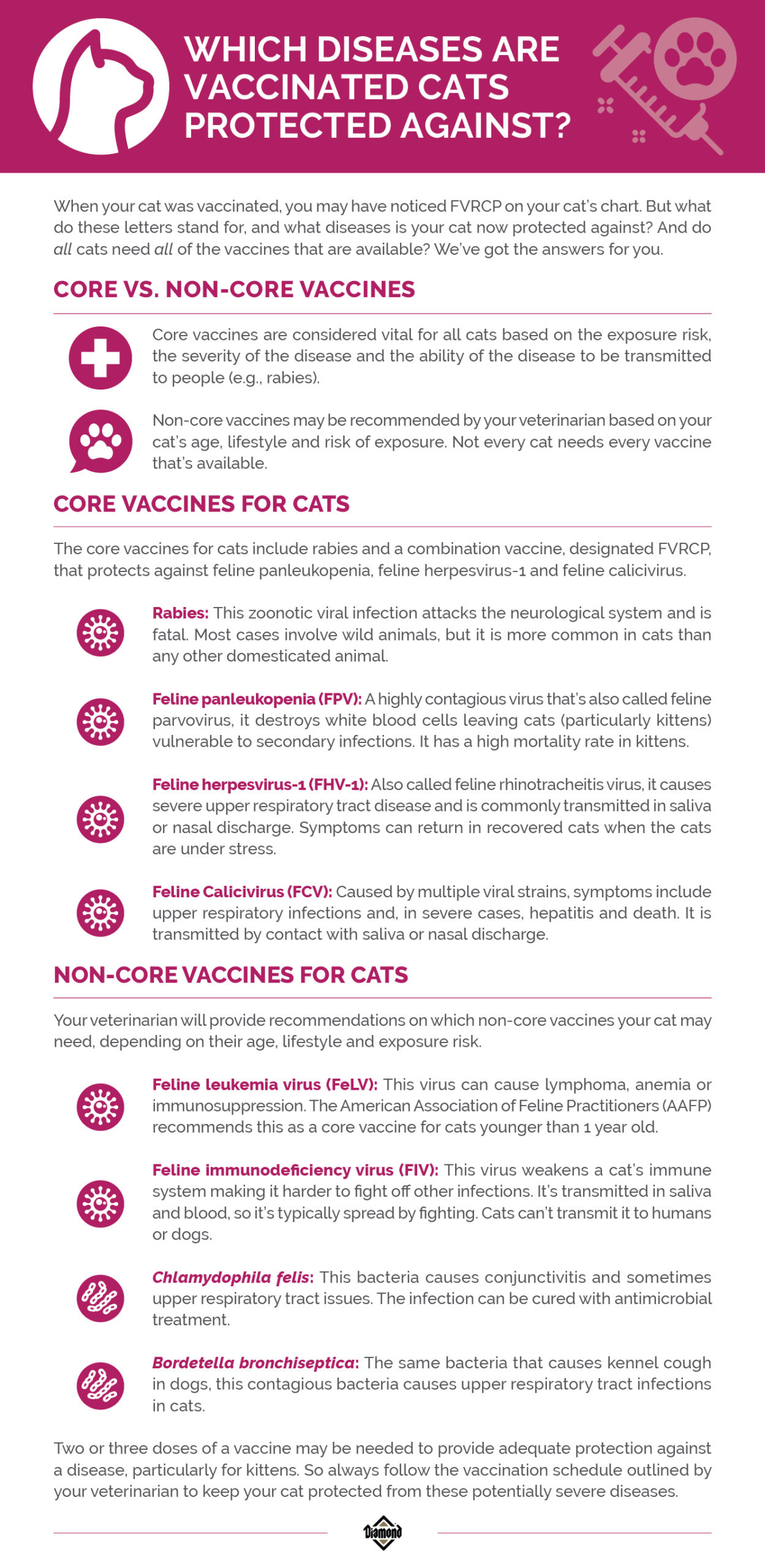
Understanding the basics of the rabies vaccine is key to protecting your cat from this deadly disease. Rabies is fatal once symptoms appear, but the vaccine offers a safe and effective way to prevent infection. Knowing how the vaccine works and the types available helps you make informed decisions about your cat’s health.
Types Of Rabies Vaccines
There are mainly two types of rabies vaccines used for cats:
- Rabies Virus Vaccine, Inactivated (Killed Vaccine):This is the most common type. It contains a virus that has been killed so it can’t cause the disease but still triggers immunity.
- Recombinant Rabies Vaccine:This newer type uses a small piece of the rabies virus’s genetic material to provoke an immune response without containing the whole virus.
Your vet will recommend the best option based on your cat’s health and local regulations. Some vaccines require a booster after one year, while others may last up to three years.
How The Vaccine Works
The rabies vaccine trains your cat’s immune system to recognize the rabies virus. Once vaccinated, your cat’s body produces antibodies that can fight off the virus if exposed.
This protection is crucial because rabies attacks the nervous system and progresses quickly. Without vaccination, exposure almost always leads to fatal illness.
Have you ever thought about how quickly your cat’s immune system can respond when properly prepared? Vaccination primes this defense, turning a potential tragedy into a preventable event.
Vaccination Schedule
Understanding your cat’s rabies vaccination schedule is essential for keeping them safe and healthy. The timing and frequency of shots can vary based on local laws, your cat’s age, and their lifestyle. Knowing when to start and how often to continue vaccines helps you stay ahead of risks and avoid missed doses.
Initial Vaccination Timing
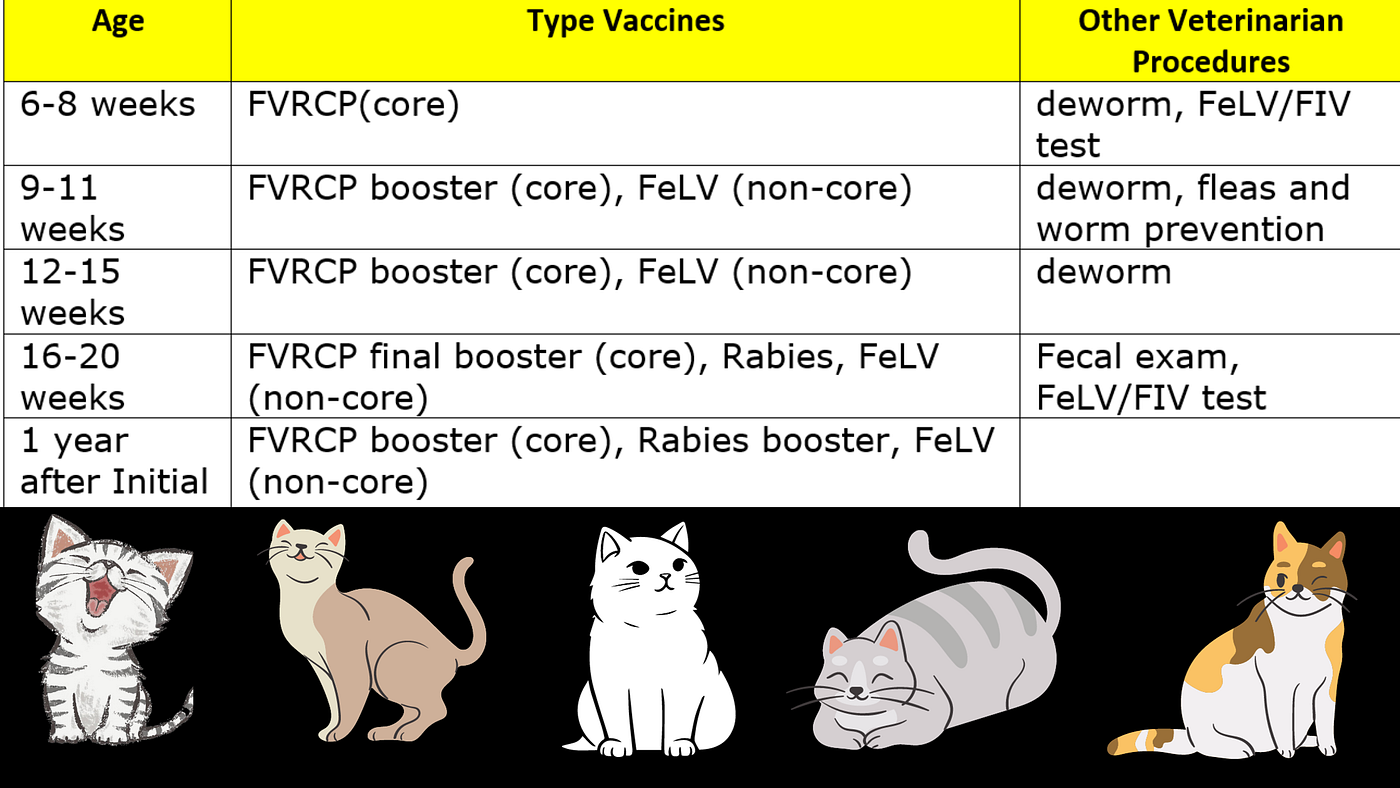
Kittens usually receive their first rabies vaccine at around 12 to 16 weeks old. This timing balances their developing immune system with legal requirements in many areas. If you’ve ever brought home a kitten, you might notice vets recommend starting vaccines right after their first vet visit.
Waiting too long can leave your cat vulnerable, especially if they go outside. If your cat is older and hasn’t been vaccinated, talk to your vet about the best timing to start the series safely. Early vaccination sets a foundation for your cat’s long-term protection.
Booster Shot Frequency
After the initial shot, your cat needs booster vaccines to maintain immunity. Typically, boosters are given one year after the first vaccine, then every one to three years depending on the vaccine type and local laws. Some states require annual boosters, while others accept a three-year schedule.
Missing boosters can put your cat at risk and may affect your ability to travel or board them. Have you ever wondered why vets remind you so often? It’s because immunity can weaken over time, and keeping up with boosters ensures your cat stays protected.
Keep a clear record of vaccination dates and set reminders to avoid accidental delays. Your cat depends on you to keep their vaccination schedule consistent and effective.
Legal Requirements
Understanding the legal requirements for rabies vaccination in cats is crucial for every pet owner. These laws are designed to protect not only your feline friend but also the community from the spread of this deadly disease. Knowing what your region mandates can save you from fines and ensure your cat stays safe and healthy.
Regional Laws On Cat Vaccination
Rabies vaccination laws vary widely depending on where you live. Some states or countries require annual rabies shots for cats, while others allow a three-year vaccination schedule.
- Urban areas often have stricter rules due to higher population density.
- Rural regions might have different regulations because of wildlife exposure risks.
- Cities with known rabies outbreaks usually enforce mandatory vaccination for all pets.
Have you checked your local animal control or veterinary board website recently? These sources will provide the most accurate and up-to-date information about your area’s requirements.
Consequences Of Non-compliance
Failing to vaccinate your cat against rabies can lead to serious consequences. You might face fines or even legal action depending on your local laws.
Beyond legal trouble, an unvaccinated cat risks contracting and spreading rabies, which is fatal and poses a threat to humans and other animals. Imagine the stress and cost of quarantine or emergency treatment if your pet is exposed.
Are you willing to take that risk when a simple vaccine can prevent it? Protecting your cat is not just about following the law—it’s about keeping your entire household safe.
Vaccine Safety And Side Effects
Understanding vaccine safety is key when deciding how often your cat needs a rabies shot. Vaccines are designed to protect your furry friend from deadly diseases, but knowing about possible side effects helps you stay prepared. This knowledge can reduce worries and make vaccination visits smoother for both you and your cat.
Common Reactions
Most cats handle rabies vaccines well with no issues. Mild side effects can occur, such as:
- Temporary soreness or swelling at the injection site
- Low-grade fever lasting a day or two
- Lethargy or mild decrease in appetite
- Sneezing or mild respiratory symptoms (rare)
These reactions usually disappear within 48 hours. If your cat acts a bit tired or refuses food briefly, it’s often nothing to worry about. Have you noticed your cat feeling off after a shot before? It’s often just their immune system working hard to build protection.
When To Contact A Vet
Watch closely for signs that go beyond mild reactions. You should call your vet immediately if your cat shows:
- Swelling that worsens or spreads
- Difficulty breathing or persistent coughing
- Severe vomiting or diarrhea
- Persistent vomiting, diarrhea, or bleeding
- Signs of an allergic reaction like hives, facial swelling, or collapse
- High fever lasting more than 48 hours
Quick action can prevent serious complications. Remember, your vet is your best resource when you’re unsure. Have you saved your cat from a bad reaction by acting fast? Sharing your experience helps others stay alert.
Credit: medium.com
Special Considerations
Understanding the special considerations for rabies vaccination helps you make the best decisions for your cat’s health. Not all cats face the same risks, so tailoring the vaccination schedule is important. Let’s look at key factors that might affect when and how often your cat should get vaccinated.
Vaccination For Indoor Vs. Outdoor Cats
Indoor cats generally have a lower risk of rabies exposure compared to outdoor cats. However, the risk isn’t zero—bats or other wildlife can occasionally enter homes, posing a threat.
Outdoor cats have a much higher chance of encountering rabies carriers like raccoons, foxes, or stray animals. Because of this, veterinarians often recommend more strict vaccination schedules for outdoor cats.
- Indoor cats might follow a standard vaccination timeline with boosters every 1 to 3 years.
- Outdoor cats may need more frequent boosters or follow local regulations more closely.
Ask yourself: How often does your cat go outside? Even if your cat is mostly indoors, consider how secure your home is against wildlife intrusions.
Vaccinating Senior Cats
Older cats have different health needs, and you might wonder if rabies vaccines are safe or necessary for them. Age alone isn’t a reason to skip vaccination, but health conditions can influence the decision.
Discuss your senior cat’s health with your vet before vaccinating. Chronic illnesses or weakened immune systems may require a tailored approach.
- Some vets suggest antibody titer tests to check immunity before giving a booster.
- Others recommend continuing vaccination on a case-by-case basis, balancing risks and benefits.
Have you noticed any changes in your senior cat’s health? This can guide your vet in choosing the safest vaccination plan.
Cost And Accessibility
Understanding the cost and accessibility of rabies vaccines for your cat is crucial for keeping your pet safe without breaking the bank. Vaccination expenses can vary widely depending on where you live and the type of service you choose. Knowing where to look for affordable options helps ensure your cat stays protected year after year.
Vaccination Costs
The price of a rabies vaccine for cats usually ranges from $15 to $50 per shot. This cost can increase if you visit a private veterinary clinic compared to a community clinic or animal shelter. Some vets include the cost of a wellness exam or additional shots, which can affect the total bill.
Think about how often your cat needs the vaccine. Some states require annual shots, while others allow a three-year vaccine, which might save you money in the long run. Are you getting charged for extra services that you don’t necessarily need every visit? Always ask for a clear breakdown of the costs before committing.
Finding Low-cost Options
You don’t have to pay full price to keep your cat vaccinated. Many local animal shelters and humane societies offer low-cost rabies vaccination clinics. These events often provide vaccines at a fraction of the cost of a typical vet visit.
Community programs and pet stores sometimes hold vaccination drives, making it easier and cheaper to keep your cat up to date. You can also check if your city has subsidized programs to help pet owners with limited income.
- Look for mobile vaccination units in your area
- Ask your vet about any discounts or bundled vaccine packages
- Consider scheduling your cat’s vaccine during low-cost clinic days
Have you checked all these options yet? Sometimes a quick call or online search can save you a lot of money and stress while keeping your furry friend protected.
Credit: www.diamondpet.com
Frequently Asked Questions
How Often Should Cats Get Rabies Vaccines?
Cats typically need rabies vaccines every one to three years. The schedule depends on local laws and vaccine type. Annual boosters may be required in some areas. Consult your vet for the best timing based on your cat’s health and regional regulations.
Why Is Rabies Vaccination Important For Cats?
Rabies vaccination protects cats from a deadly virus that affects the nervous system. It also helps prevent transmission to humans and other animals. Vaccinating your cat is often legally required and promotes public health safety.
Can Indoor Cats Skip Rabies Vaccination?
Indoor cats can still contract rabies through bites from wild animals. Most regions legally require all cats to be vaccinated regardless of lifestyle. Vaccination ensures your indoor cat stays protected against potential rabies exposure.
What Are The Signs Of Rabies In Cats?
Rabies symptoms in cats include aggression, excessive drooling, paralysis, and seizures. Early signs may be subtle, such as behavioral changes. Immediate veterinary care is crucial if rabies is suspected to prevent spread and ensure safety.
Conclusion
Cats need their rabies vaccine regularly to stay safe and healthy. Most vets suggest a booster every one to three years. Keeping this schedule helps protect your cat from serious illness. It also helps follow local laws about pet vaccination.
Talk to your vet to find the best plan for your cat. Regular vaccines keep your pet and others around safe. Don’t skip these important shots. They help avoid risks and keep your cat happy. Simple steps like this make a big difference in pet care.
