

Are you wondering how often your cat needs flea treatment? Fleas can cause a lot of discomfort for your furry friend and even lead to health problems.
But treating your cat too often or not enough can both be risky. Understanding the right schedule for flea treatment is key to keeping your pet happy and healthy. You’ll discover simple, clear answers to help you protect your cat from these pesky parasites.
Keep reading to find out exactly when and how to treat your cat for fleas effectively.
Importance Of Flea Control
Fleas cause serious problems for cats and their owners. They irritate your cat’s skin and can spread diseases. Fleas multiply quickly, making control very important. Ignoring fleas can lead to health risks for your pet and your home.
Regular flea control keeps your cat comfortable and healthy. It stops fleas from biting and laying eggs. This helps prevent flea infestations in your house. Flea control also reduces the risk of allergic reactions and infections.
Protecting Your Cat’s Health
Fleas can cause itching, redness, and hair loss. Some cats develop flea allergy dermatitis. This condition causes severe itching and skin infections. Fleas also spread tapeworms and other diseases. Protecting your cat means protecting their health and happiness.
Preventing Flea Infestations In Your Home
Fleas lay eggs that fall into carpets and furniture. These eggs hatch and spread quickly. Treating your cat regularly breaks the flea life cycle. This stops fleas from taking over your home. It saves you time and money on expensive treatments later.
Maintaining Comfort And Cleanliness
Fleas cause constant itching and discomfort for cats. Flea bites can lead to restlessness and poor sleep. Regular flea control keeps your cat calm and comfortable. It also keeps your living space clean and flea-free.

Credit: www.zoetispetcare.com
Signs Of Flea Infestation
Fleas cause discomfort and health issues for cats. Spotting signs early helps prevent serious infestations. Cats with fleas often show clear symptoms. Watch for unusual behavior or physical changes. Understanding these signs helps keep your cat healthy and happy.
Excessive Scratching And Biting
Cats with fleas scratch and bite their skin more than usual. Flea bites cause irritation and itching. You might see your cat licking certain spots often. These behaviors try to relieve flea itchiness.
Red Or Inflamed Skin
Flea bites can make your cat’s skin red or swollen. Check areas like the belly, neck, and base of the tail. Inflammation shows your cat is reacting to flea bites.
Visible Fleas Or Flea Dirt
Look closely at your cat’s fur for tiny moving bugs. Fleas are small and fast but may be visible. Flea dirt looks like tiny black specks on the skin. It is flea feces and a sure sign of infestation.
Hair Loss Or Bald Patches
Flea bites and scratching cause hair to fall out. You might see bald spots or thinning fur. This often happens where fleas bite most.
Restlessness And Irritability
Fleas make cats uncomfortable and restless. Your cat may act anxious or irritable. This change in behavior often means flea trouble.
Flea Treatment Frequency
Flea treatment frequency depends on many factors. Regular treatment keeps your cat safe from fleas and related diseases. Understanding how often to treat helps prevent infestations and discomfort.
Factors Affecting Treatment Schedule
Outdoor cats may need treatment more often than indoor cats. Flea problems rise in warm and humid climates. Cats with flea allergies require consistent treatment. Using different flea products may change how often you treat. The cat’s age and health also affect treatment frequency.
Monthly Vs. Quarterly Treatments
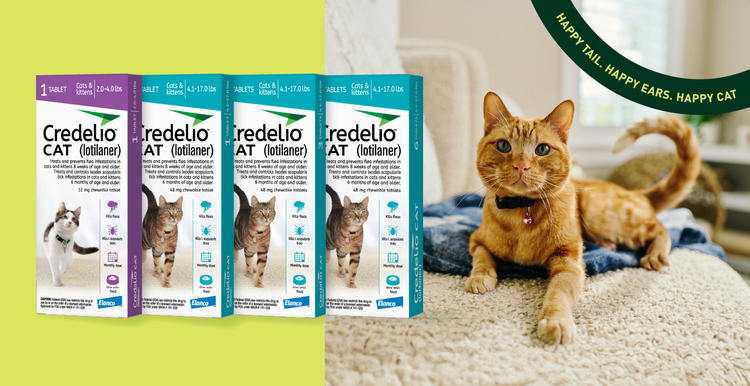
Most flea treatments work for one month. Monthly treatments provide continuous protection and are easy to remember. Some products last three months, offering fewer doses. Quarterly treatments suit cats with low flea exposure. Always follow product instructions to keep your cat safe.

Credit: www.walmart.ca
Choosing The Right Flea Treatment
Choosing the right flea treatment for your cat is important for their health and comfort. Flea treatments vary in type, strength, and method of application. Understanding the options helps you pick the best one for your cat’s needs. Factors like age, weight, and lifestyle influence the choice. Some treatments act quickly, while others offer long-lasting protection.
Topical Treatments
Topical treatments are liquid medicines applied directly to your cat’s skin. Usually placed on the back of the neck, they spread over the body. These treatments kill fleas and prevent new ones from growing. They work for about a month and are easy to use. Some brands also protect against ticks and mites. Avoid bathing your cat right after application to keep it effective.
Oral Medications
Oral medications come as pills or chewables. Your cat swallows them, and the medicine moves through their bloodstream. Fleas die when they bite your cat. These treatments usually start working within hours. They protect for a month or more. Oral options are good for cats who dislike topical medicines. Always follow the vet’s dosage advice for safety.
Natural Remedies
Natural remedies use plant-based ingredients to repel fleas. Examples include essential oils, herbal sprays, and powders. These treatments are gentle and less likely to cause side effects. Their effectiveness varies and may not kill fleas instantly. Use natural options as a part of a flea control plan, not the only solution. Consult a vet before trying natural treatments to ensure safety.
Preventive Measures
Preventive measures help keep cats safe from fleas before infestations start. They reduce the need for frequent treatments and protect your pet’s health. Consistent care is key to avoiding flea problems. Focus on grooming, home cleanliness, and safe outdoor habits.
Regular Grooming
Brushing your cat removes dirt, loose hair, and fleas. It helps spot fleas early. Use a flea comb with fine teeth for best results. Groom your cat at least twice a week. This also strengthens the bond between you and your pet.
Household Cleaning Tips
Fleas hide in carpets, bedding, and furniture. Clean these areas often to stop fleas from spreading. Vacuum floors, rugs, and upholstery regularly. Wash your cat’s bedding in hot water weekly. Dispose of vacuum bags or empty containers immediately to prevent flea return.
Outdoor Precautions
Limit your cat’s exposure to areas with tall grass or bushes. These places often harbor fleas. Keep your yard tidy by trimming grass and removing debris. Consider flea treatments for outdoor pets during warmer months. This lowers the risk of flea bites and infestations.
Consulting A Veterinarian
Consulting a veterinarian is essential for effective flea treatment for cats. A vet offers expert advice tailored to your cat’s health and environment. They help identify the best products and schedules for flea control. Professional guidance ensures safety and improves treatment success.
When To Seek Professional Advice
Contact a vet if your cat shows signs of fleas or itching. Sudden flea problems need quick attention to prevent infestations. Consult a vet before starting any flea treatment. Some cats have allergies or health issues that affect treatment choice. A vet check helps avoid harmful side effects and ensures proper care.
Customizing A Flea Treatment Plan
Vets create personalized flea treatment plans based on your cat’s age, weight, and health. They consider indoor or outdoor living and flea risks in your area. Treatment may include topical drops, oral medications, or collars. The plan includes how often to treat and check for fleas. Regular vet visits keep the plan updated and effective.
Credit: my.elanco.com
Frequently Asked Questions
How Often Should I Apply Flea Treatment To My Cat?
Most cats need flea treatment every 4 weeks. This schedule keeps fleas from returning and protects your cat consistently.
Can Flea Treatment Frequency Vary By Cat’s Age?
Yes, kittens and older cats may need adjusted flea treatment timing. Always follow your vet’s advice for safe use.
What Happens If I Delay Flea Treatment For Cats?
Delaying flea treatment can cause infestations and discomfort. Fleas multiply quickly, leading to skin problems and potential diseases.
Are Monthly Flea Treatments Safe For Indoor Cats?
Yes, monthly treatments are generally safe for indoor cats. Fleas can still enter homes, so prevention is important.
Conclusion
Cats need regular flea treatment to stay healthy and comfortable. Most cats benefit from monthly treatments, but check your vet’s advice. Flea prevention helps avoid itching, skin problems, and infections. Watch your cat closely for any signs of fleas. Keeping your home clean also reduces flea risks.
Consistency matters in protecting your cat all year round. Simple steps can make a big difference in flea control. Your cat will thank you with less scratching and more purring.
