

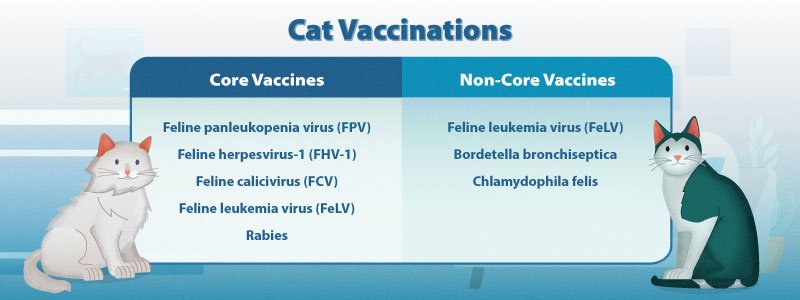
If you have a cat, you want to keep them healthy and safe. One important way to do that is by protecting them from serious diseases like feline leukemia.
But how often do cats need the feline leukemia vaccine? You might be wondering if it’s a one-time shot or something your cat needs regularly. Knowing the right schedule can save your furry friend from illness and give you peace of mind.
Keep reading to discover exactly when your cat should get this vaccine and why it matters so much.

Credit: millsanimalhospital.com
Feline Leukemia Virus Basics
The Feline Leukemia Virus (FeLV) is a significant threat to cats. Understanding this virus is crucial for cat owners. It affects a cat’s immune system, making them vulnerable to other diseases. Knowing the basics helps in protecting your feline friends.
What Is Feline Leukemia Virus
Feline Leukemia Virus is a contagious virus in cats. It weakens their immune system. This virus can lead to severe health issues. It’s one of the leading causes of death in cats.
How Cats Contract Felv
Cats can catch FeLV through close contact. Sharing food bowls, grooming, or bite wounds can spread the virus. It’s more common in outdoor or multi-cat households.
Symptoms To Watch For
Symptoms of FeLV vary in cats. Common signs include loss of appetite, weight loss, and fever. Cats may also experience pale gums or poor coat condition. Regular vet check-ups are essential for early detection.
Vaccination Importance
Vaccinating your cat against Feline Leukemia Virus (FeLV) is more than just a routine vet visit—it’s a crucial step to protect your furry friend from a serious illness. This vaccine plays a significant role in keeping your cat healthy and preventing the spread of a disease that can be life-threatening. Understanding why this vaccination matters helps you make informed choices for your pet’s well-being.
Benefits Of Felv Vaccine
The FeLV vaccine helps your cat build immunity against a virus that weakens their immune system. Cats that receive the vaccine are less likely to contract the disease and suffer from related infections or cancers.
Vaccination also reduces the risk of spreading FeLV to other cats in your household or neighborhood. Protecting your cat means protecting your entire feline family.
Risks Of Not Vaccinating
Without the vaccine, your cat is vulnerable to FeLV, which can cause severe health problems like anemia, lymphoma, and immune suppression. These issues often lead to a shorter life span and lower quality of life.
Unvaccinated cats can unknowingly transmit FeLV to others, especially if they roam outdoors or interact with unknown cats. Have you thought about the potential risks your cat faces if left unprotected?
Who Should Get Vaccinated
All kittens should receive the FeLV vaccine as part of their early health care plan. Adult cats that spend time outdoors or live with FeLV-positive cats also benefit from vaccination.
If your cat is strictly indoors and has no contact with other cats, the vaccine might not be necessary. Discuss your cat’s lifestyle and risk factors with your vet to decide what’s best for your pet.
Vaccine Schedule
Understanding the vaccine schedule for the feline leukemia vaccine is essential to protect your cat effectively. The timing and frequency of these vaccines can make a big difference in how well your cat’s immune system can fight off the virus. Let’s break down the key points about when and how often your cat should get vaccinated.
Initial Vaccination Timeline
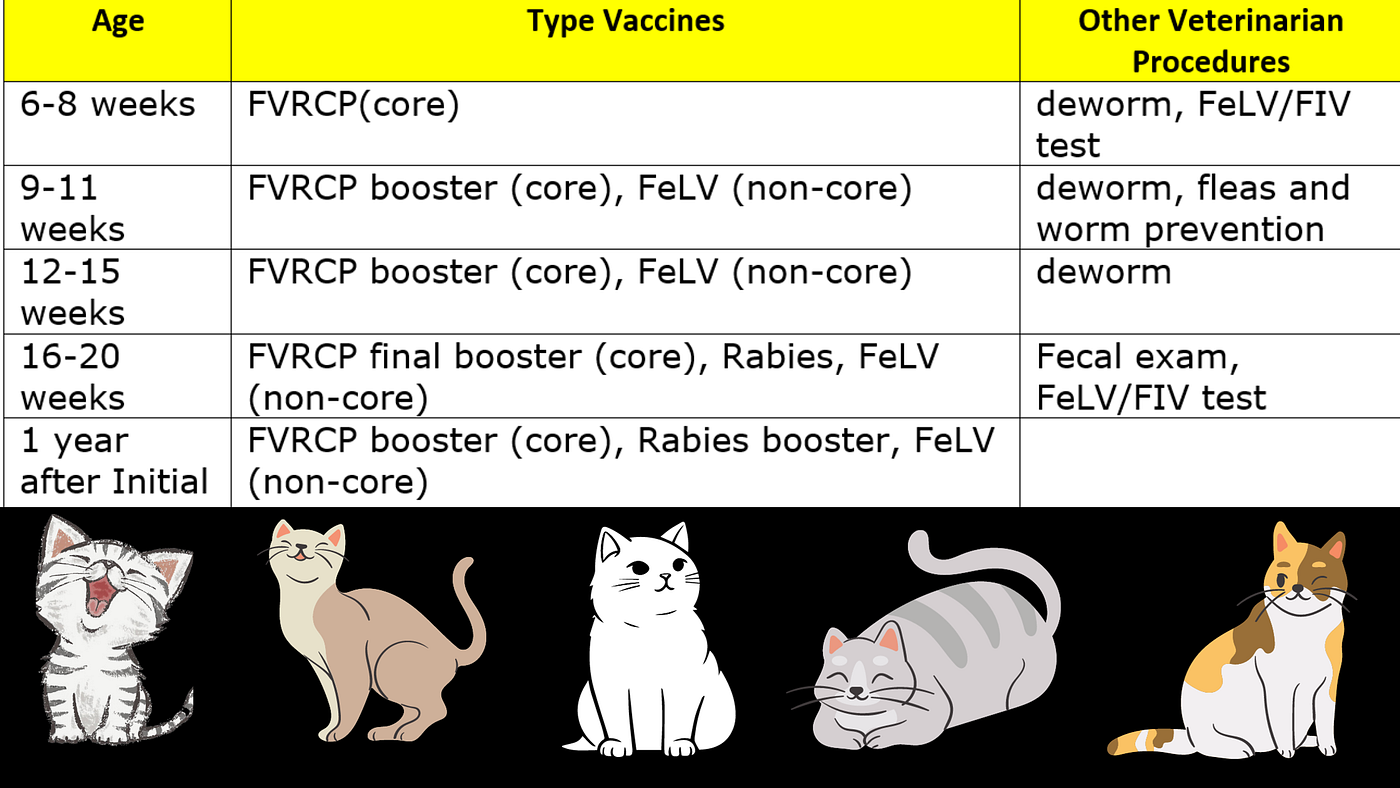
The first feline leukemia vaccine is typically given when your kitten is between 8 and 12 weeks old. This early vaccination helps build their immunity before they start exploring the world outside the home.
After the initial dose, a second shot is usually given 3 to 4 weeks later. This booster is crucial because it strengthens the immune response and provides better protection.
Booster Shots Frequency
Once your cat has completed the initial vaccine series, booster shots are necessary to maintain immunity. Most vets recommend giving boosters annually, but this can vary based on your cat’s lifestyle and risk of exposure.
Ask yourself: Does your cat go outside or interact with other cats? If yes, annual boosters are usually the safest bet. Indoor-only cats with no contact might need boosters less frequently, but consult your vet for personalized advice.
Vaccination For Kittens Vs Adults
Kittens require a series of vaccines because their immune systems are still developing. Adults, on the other hand, often only need a booster if they haven’t been vaccinated before or if their previous vaccination has expired.
If you adopt an adult cat with an unknown vaccine history, your vet might recommend a full vaccination series similar to kittens. Keeping track of your cat’s vaccine records helps avoid unnecessary shots while ensuring they stay protected.
Factors Affecting Vaccine Frequency
The frequency of the feline leukemia vaccine depends on several factors. These factors help decide how often your cat needs the vaccine. Understanding them is important for your cat’s health. It helps protect your cat from this serious disease.
Lifestyle And Exposure Risks
Active cats that meet many other cats have higher risk. Cats that roam outside can encounter infected cats. This increases their chance of catching feline leukemia virus. Cats living with infected cats also need more frequent vaccination. Less active cats with little contact may need fewer shots. Owners should assess their cat’s daily activities carefully.
Indoor Vs Outdoor Cats
Indoor cats have lower exposure to the virus. They rarely meet other cats outside their home. These cats usually need fewer booster vaccines. Outdoor cats face more threats from unknown cats. They are more likely to get the virus. Outdoor cats often need more frequent vaccine boosters. The vaccine schedule changes based on where the cat spends most time.
Veterinarian Recommendations
Veterinarians know the best vaccine schedule for your cat. They consider your cat’s health and lifestyle. Some cats may need yearly boosters. Others may have longer gaps between shots. Regular vet checkups help update the vaccine plan. Always follow your vet’s advice for safe protection.
Vaccine Safety And Side Effects
Understanding the safety and potential side effects of the feline leukemia vaccine is key to keeping your cat healthy and comfortable. Vaccines, like any medical treatment, can cause reactions, but these are usually mild and short-lived. Knowing what to expect helps you care for your cat better and recognize when to seek veterinary help.
Common Reactions
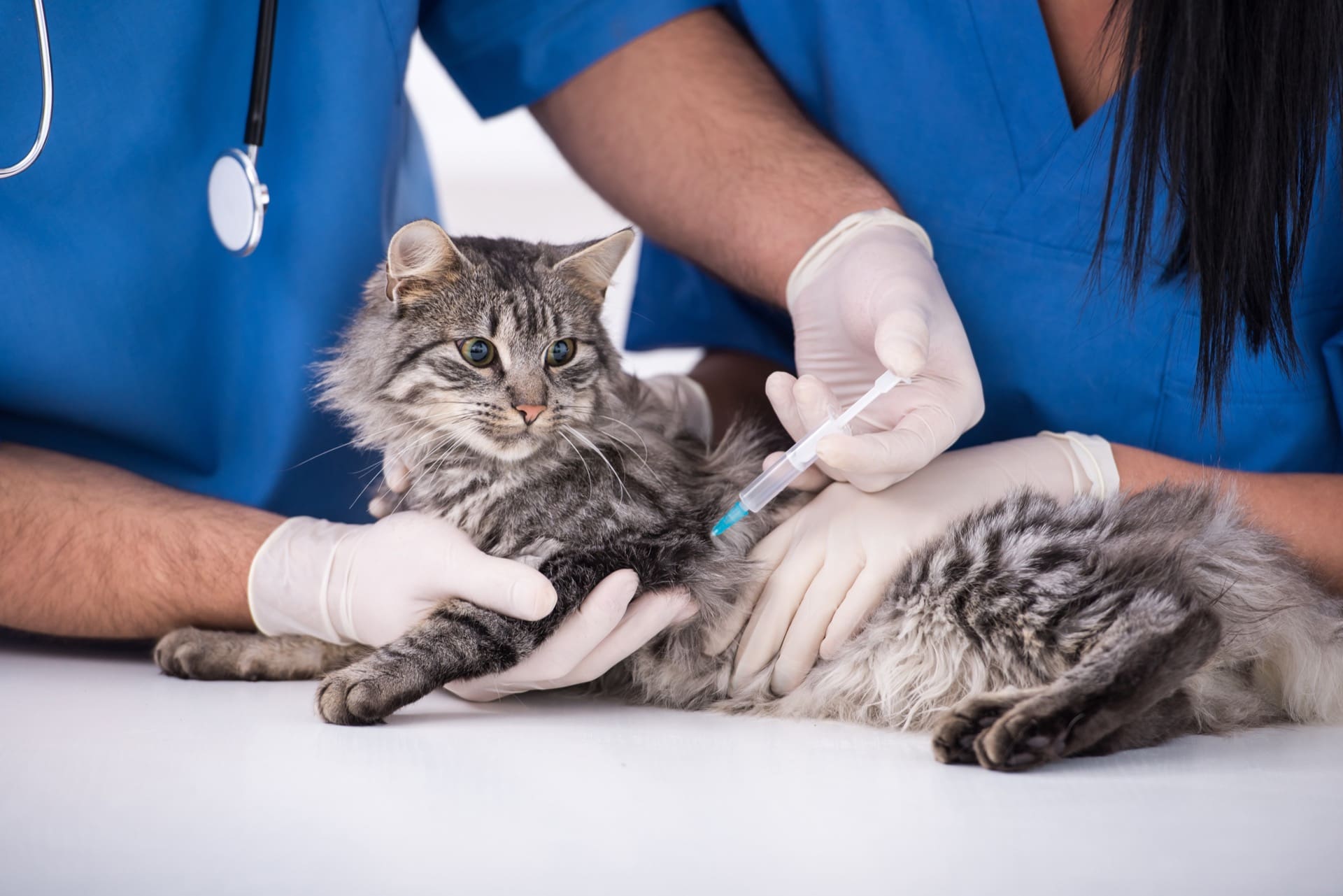
Most cats tolerate the feline leukemia vaccine well. Common reactions include mild soreness or swelling at the injection site. You might notice your cat is a bit tired or has a slight fever for a day or two after the shot.
Some cats may also experience a decreased appetite or mild sneezing if the vaccine is given intranasally. These symptoms usually resolve quickly without treatment. Have you ever seen your cat act a little off after a vet visit? That’s often just a normal response to the vaccine.
When To Contact A Vet
While most side effects are mild, some signs need immediate attention. If your cat develops persistent vomiting, diarrhea, difficulty breathing, or swelling that worsens, call your vet right away. These could indicate an allergic reaction.
Also, if your cat appears lethargic for more than 48 hours or shows unusual behavior, don’t wait to get professional advice. Early intervention can prevent complications. Do you know your vet’s emergency contact details? It’s worth having them handy just in case.
Managing Side Effects
To ease mild reactions, provide a quiet and comfortable space for your cat to rest. Offer fresh water and encourage small, frequent meals if their appetite is low. Applying a cool compress to the injection site can help reduce swelling.
Keep an eye on your cat’s behavior and maintain regular communication with your vet during the recovery period. Simple care and observation often make the difference in how quickly your cat bounces back. Have you tried these techniques before? They can make a big difference in your cat’s comfort.
Credit: spallandharveyanimalhospital.ca
Additional Prevention Tips
Protecting your cat from feline leukemia virus (FeLV) goes beyond just vaccination. There are several additional steps you can take to keep your feline friend safe and healthy. These tips work together with vaccines to reduce the chances of infection and ensure your cat lives a long, vibrant life.
Testing Before Vaccination
Before your cat receives the FeLV vaccine, it’s essential to get them tested for the virus. Vaccinating a cat that is already infected won’t help and could cause unnecessary stress or side effects.
Many vets recommend a simple blood test to check your cat’s FeLV status. This test ensures you only vaccinate cats that are not already carriers, making the vaccine more effective.
Reducing Exposure Risks
You can lower your cat’s risk by managing their environment carefully. Keeping your cat indoors limits contact with potentially infected cats, which is a primary way FeLV spreads.
If your cat goes outside, avoid letting them interact with unknown cats or share food and water bowls. Even small changes, like securing your yard, can make a big difference in exposure.
Regular Health Checkups
Routine vet visits are vital for catching any signs of FeLV or other health issues early. During these visits, your vet can monitor your cat’s overall health and update vaccinations as needed.
Pay attention to any unusual behaviors or symptoms and report them promptly. Early detection often means better outcomes and less stress for both you and your cat.
Credit: medium.com
Frequently Asked Questions
How Often Should Cats Get The Feline Leukemia Vaccine?
Cats typically need the feline leukemia vaccine annually after the initial series. Kittens receive two doses, three to four weeks apart. Adult cats get yearly boosters to maintain immunity. Always consult your vet for the best schedule based on your cat’s lifestyle.
When Is The First Feline Leukemia Vaccine Given To Kittens?
The first feline leukemia vaccine is usually given to kittens at eight to twelve weeks old. A second dose follows three to four weeks later. This initial series provides early protection against the virus.
Are Booster Shots Necessary For The Feline Leukemia Vaccine?
Yes, booster shots are essential to maintain immunity. After the initial kitten series, cats generally require annual boosters. Your veterinarian will recommend the right timing based on risk factors and exposure.
Can Indoor Cats Skip The Feline Leukemia Vaccine?
Indoor cats at low risk may not need the vaccine. However, vets often recommend it if there’s any chance of exposure. Discuss your cat’s environment with your vet before deciding.
Conclusion
Cats need the feline leukemia vaccine to stay healthy. Most cats get the first shots as kittens. After that, boosters are needed every year or two. Talk to your vet about the best schedule. Protecting your cat helps prevent serious illness.
Vaccines keep your pet safe and happy. Regular shots are a small step for big health benefits. Don’t forget to keep track of vaccination dates. Good care means a long, joyful life for your cat.
