

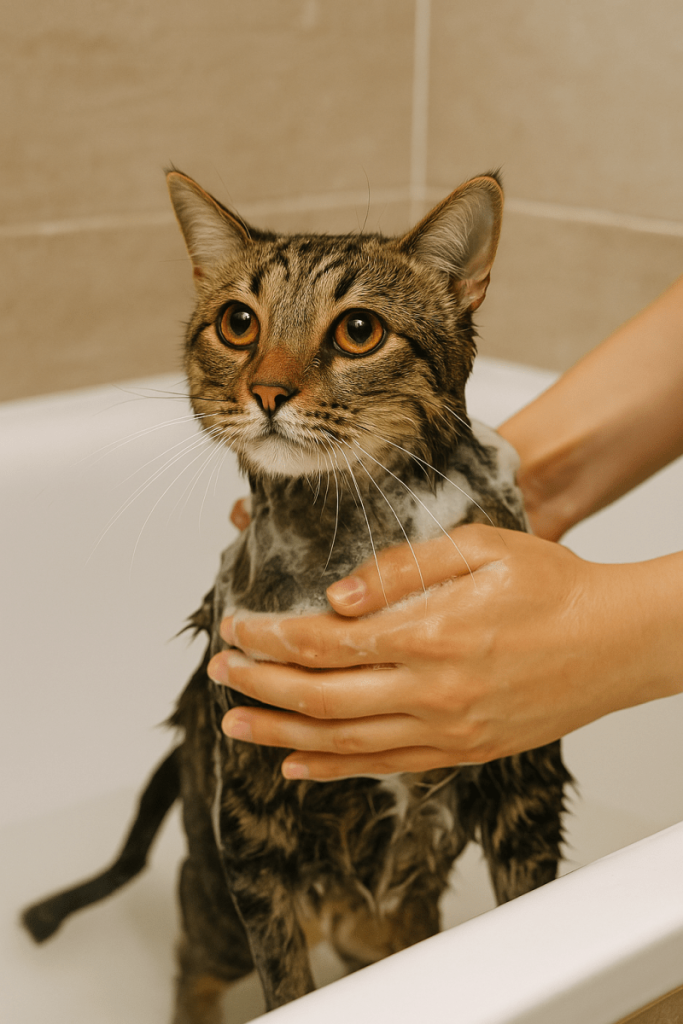
Have you ever wondered how often your cat really needs a bath? Cats are known for grooming themselves, so you might think baths are unnecessary.
But is that always true? Giving your cat a bath at the right time can keep them healthy and comfortable. You’ll discover the best bathing routine for your furry friend and learn how to make bath time easier for both of you.
Keep reading to find out what experts say about cat baths and when you should step in to help with cleaning.

Credit: www.reddit.com
Cat Bathing Basics
Bathing your cat might seem like a straightforward task, but understanding the basics can make the experience much smoother for both of you. Cats are known for their cleanliness, but that doesn’t always mean they never need a bath. Knowing when and why to bathe your feline friend helps you maintain their health without causing unnecessary stress.
Why Cats Usually Self-clean
Cats are natural groomers. Their tongues have tiny, hook-like structures that help remove dirt and loose fur effectively. This grooming behavior also spreads natural oils across their coat, keeping it healthy and shiny.
Most cats don’t need baths because they keep themselves clean. They spend a significant part of their day licking their fur, which prevents dirt buildup and controls odors. Have you noticed your cat’s meticulous grooming habits? That’s their way of staying fresh without a bath.
When Baths Become Necessary
There are times when self-cleaning isn’t enough. Cats might get into sticky or smelly substances that don’t come off easily. If your cat rolls in something harmful or dirty, a bath becomes essential.
Health issues or skin conditions can also require bathing with special shampoos. Older or overweight cats may struggle to groom themselves properly, making occasional baths necessary. Do you see your cat missing spots while grooming? That might be a sign they need some help.
Remember, frequent baths can dry out a cat’s skin. So, only bathe your cat when it’s truly needed, and use products made specifically for felines. This balance keeps your cat clean without disrupting their natural grooming routine.
Factors Affecting Bath Frequency
Cat breed, activity level, and skin condition influence how often baths are needed. Outdoor cats may require more frequent cleaning than indoor ones. Age and health also play important roles in bath frequency.
Understanding how often your feline friend needs a bath can seem like a puzzle. However, the answer largely depends on various factors unique to each cat. These include your cat’s age, health, coat type, length, lifestyle, and environment. Let’s dive into these factors and see how they might affect your cat’s bath schedule.Cat’s Age And Health
Kittens are usually quite adept at keeping themselves clean, thanks to their natural grooming instincts. However, older cats or those with health issues might not manage as effectively. If your cat is aging or dealing with a health condition, you might notice they need baths more frequently to help them maintain their cleanliness.Coat Type And Length
The type and length of your cat’s coat can significantly influence their bathing needs. Cats with long or thick coats, like Maine Coons, may require more regular baths to prevent matting and tangles. On the other hand, short-haired cats typically need fewer baths since their coats are easier to maintain.Lifestyle And Environment
Consider your cat’s lifestyle and surroundings. An indoor cat might stay cleaner than one who loves to explore the great outdoors. Outdoor adventures can lead to dirtier coats, increasing the need for baths. If your cat enjoys rolling in the dirt or gets into messy situations, more frequent baths could be necessary. Each cat is unique, and understanding these factors can help you determine the best bathing routine. How often does your feline friend find themselves in need of a good wash?Signs Your Cat Needs A Bath
Knowing when your cat actually needs a bath can save both of you from unnecessary stress. Cats are generally great at grooming themselves, but certain signs tell you when a bath is not just helpful, but necessary. Recognizing these signs early can keep your furry friend comfortable and healthy.
Visible Dirt And Odor
If your cat looks visibly dirty or matted, a bath might be overdue. Cats that spend time outdoors or get into something sticky or smelly can carry dirt that regular grooming won’t remove. Have you ever noticed a lingering odor on your cat that brushing doesn’t fix? That’s a clear cue that a bath could help refresh their coat and skin.
Skin Conditions
Sometimes, skin issues can make bathing essential. If your cat has dandruff, redness, or irritated patches, a gentle bath with medicated shampoo can ease discomfort. Ignoring these signs can lead to infections or worsen the problem, so it’s important to act quickly and consult your vet about the best bath products.
Allergies And Parasites
Allergies and parasites often require regular bathing to control symptoms. Fleas, ticks, or allergic reactions can cause itching and redness that your cat tries to soothe by scratching or licking excessively. Bathing can help remove allergens and pests, providing much-needed relief and preventing further skin damage.
Preparing For A Cat Bath
Bathing a cat is not just about the act itself; preparation plays a huge role in making the experience smooth for both you and your furry friend. Getting ready beforehand helps reduce stress and keeps the process safe and effective. Let’s break down what you need to focus on before you even fill the tub.
Choosing The Right Shampoo
Not all shampoos are safe for cats. You should pick one specifically formulated for feline skin, which is more sensitive than humans’. Avoid shampoos with harsh chemicals or strong fragrances that can irritate your cat’s skin.
Have you checked the label for ingredients like aloe vera or oatmeal? These are gentle and soothing. Also, steer clear of dog shampoos—they might seem similar but can cause allergic reactions in cats.
Gathering Supplies
Prepare everything before you start the bath to avoid leaving your cat unattended. You will need:
- Cat shampoo
- Large towel(s) for drying
- A cup or gentle sprayer for rinsing
- A brush or comb for pre- and post-bath grooming
- Non-slip mat to prevent slipping
Having these ready and within arm’s reach keeps you calm and focused, which your cat will sense and appreciate.
Setting Up A Safe Bathing Area
Pick a small, enclosed space like a sink or a bathtub with a non-slip mat. This helps your cat feel secure and prevents escapes that lead to scratches or messes.
Use lukewarm water, not hot or cold. Test the temperature yourself before bringing your cat in. Also, close doors and windows to minimize distractions and noise that can scare your cat.
Bathing Techniques For Cats
Bathing cats requires patience and gentle care. Many cats dislike water, so proper techniques help make bath time smoother. Using the right approach reduces stress for both you and your pet.
Step-by-step Bathing Process
- Prepare warm water in a small tub or sink.
- Use a mild cat shampoo safe for their skin.
- Gently wet your cat’s fur with a cup or sprayer.
- Apply shampoo and lather carefully, avoiding eyes and ears.
- Rinse thoroughly with warm water to remove all soap.
- Keep calm and speak softly throughout the bath.
Handling A Nervous Cat
Stay calm and move slowly to avoid startling your cat. Use a towel to hold them gently but securely. Offer treats before, during, and after to create positive feelings. Take breaks if your cat gets too stressed. Keep the room quiet and warm.
Drying Tips
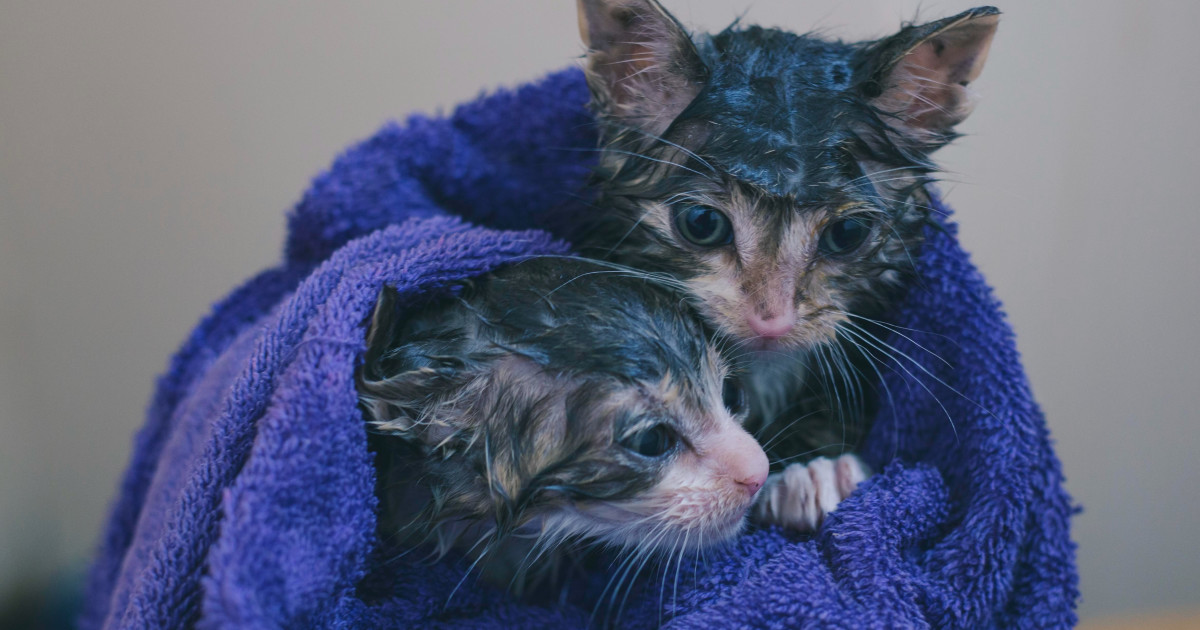
Wrap your cat in a soft towel immediately after bathing. Pat gently to soak up water instead of rubbing. Use multiple towels if needed for better absorption. Avoid hair dryers unless your cat is comfortable with noise. Let your cat air dry in a warm room if possible.
Alternative Cleaning Methods
Bathing your cat can be a challenge, and often it’s not necessary to dunk them in water frequently. Luckily, there are alternative cleaning methods that keep your cat fresh without the stress of a full bath. These options help maintain cleanliness and comfort while respecting your cat’s natural grooming habits.
Using Cat Wipes
Cat wipes are a handy tool for quick cleanups. They remove dirt, dander, and even minor odors without the fuss of water and shampoo. You can use them between baths to freshen up your cat’s fur, especially around the paws and face where grime tends to gather.
When choosing wipes, look for those specifically formulated for cats. Avoid products with harsh chemicals or strong fragrances. These wipes are easy to carry on trips or after outdoor adventures, making them a practical choice for busy cat owners.
Dry Shampoo Options
Dry shampoos designed for cats offer a waterless way to clean fur. They absorb oils and loosen dirt, helping your cat look clean and feel comfortable. Some dry shampoos come in foam or powder form, so you can pick what suits your cat’s coat best.
Applying dry shampoo is simple: rub it gently into the fur, then brush it out thoroughly. This method avoids the wetness and cold your cat might dislike, making grooming less stressful. Have you ever tried a dry shampoo and noticed how much easier grooming became?
Regular Grooming Routines
Brushing your cat regularly is one of the best ways to keep their coat clean and healthy. It removes loose fur, dirt, and reduces hairballs. Plus, it’s a bonding activity that your cat can actually enjoy.
Set a grooming schedule based on your cat’s coat type and lifestyle. Long-haired cats may need daily brushing, while short-haired cats can do with a few times a week. Notice how your cat’s skin and coat respond to consistent grooming—it often reduces the need for baths altogether.
Common Bathing Mistakes To Avoid
Bathing a cat might seem straightforward, but there are common mistakes that can make the experience stressful for both of you. Avoiding these errors helps keep your cat calm and healthy. Let’s look at some of the most frequent bathing mistakes and how you can prevent them.
Using Human Shampoo
Human shampoos contain ingredients that can irritate a cat’s sensitive skin. Their pH balance is different from what cats need, which can lead to dryness and discomfort.
Always choose a shampoo made specifically for cats. If you’ve ever used human shampoo by accident, did you notice your cat scratching more afterward? That’s a clear sign to switch to pet-friendly products.
Bathing Too Often
Many cat owners believe more baths mean cleaner cats, but that’s not true. Bathing your cat too frequently can strip away natural oils, causing dry skin and fur problems.
Ask yourself: how often does your cat really need a bath? Most cats groom themselves well, so baths should only happen when necessary, like after getting into something sticky or smelly.
Forcing The Cat
Trying to hold your cat down or forcing them into the bath creates fear and resistance. This can lead to scratches and a negative association with bathing.
Instead, try calming techniques such as gentle talking, slow movements, and offering treats. Have you noticed how your cat reacts when you stay calm versus when you rush? Their behavior can guide you on the best way to proceed.
Credit: cathome.sg
When To Consult A Veterinarian
Knowing when to seek veterinary advice about your cat’s bathing needs is crucial. Cats usually groom themselves well, but certain signs show that help is necessary. A vet can guide you on safe bathing and overall cat care. Recognizing these signs early can prevent bigger health issues.
Skin Problems
Look for redness, sores, or flaky patches on your cat’s skin. Constant scratching or biting could mean irritation or allergies. Unusual hair loss or bumps also need vet attention. These symptoms might worsen without proper treatment. A vet can diagnose and recommend suitable shampoos or medicines.
Behavioral Issues
Sudden fear of water or grooming changes might signal stress or pain. If your cat avoids self-cleaning or hides often, this could be a problem. Aggression during bath time may show discomfort or health issues. A veterinarian can help identify causes and suggest calming techniques.
Health Concerns
Illnesses like infections or parasites sometimes require special baths. Cats with diabetes or skin infections need careful bathing routines. If your cat smells bad or shows lethargy, check with a vet. Proper diagnosis ensures the right treatment and care plan.
Credit: pethelpful.com
Frequently Asked Questions
How Often Should Indoor Cats Be Bathed?
Indoor cats generally need baths only a few times a year. They groom themselves well and rarely get dirty enough to require frequent bathing.
Do Long-haired Cats Need More Baths Than Short-haired?
Yes, long-haired cats may need more frequent baths. Their fur traps dirt and oils, so occasional baths help keep them clean and prevent matting.
Can Frequent Bathing Harm My Cat’s Skin?
Yes, too many baths can strip natural oils. This causes dryness and irritation. Bathe cats only when necessary to maintain healthy skin.
What Signs Show My Cat Needs A Bath?
Look for greasy fur, dirt, odors, or fleas. If your cat smells bad or is visibly dirty, it’s time for a bath.
Conclusion
Cats usually keep themselves clean without baths. Most cats need baths only if they get very dirty or have skin issues. Bathing too often can harm their natural oils and skin. Use gentle shampoo made for cats to avoid irritation.
Always be calm and patient during bath time. Regular brushing helps reduce the need for baths. Watch your cat’s behavior to know when a bath is needed. Keeping your cat clean helps them stay healthy and happy. Simple care goes a long way in cat grooming.
