

Are you wondering how often your cat needs a rabies shot? Keeping your furry friend safe is one of your top priorities, and understanding vaccination schedules can be confusing.
Missing or delaying your cat’s rabies vaccine could put both your pet and your family at risk. You’ll discover exactly when and why these shots are necessary, helping you make informed decisions to protect your beloved cat. Keep reading to learn the key facts every cat owner should know.
Rabies And Its Impact On Cats
Rabies is a deadly virus that affects the brain and nervous system of cats. It spreads through the saliva of infected animals, usually by bites. This disease is fatal once symptoms appear, and there is no cure. Vaccinating cats against rabies is essential to protect their health and public safety.
Cats are at risk because they may encounter wild animals like raccoons, bats, or skunks. Rabies can cause aggressive behavior, paralysis, and sudden death in cats. It also poses a risk to humans and other pets in the household.
How Rabies Spreads To Cats
- Through bites from infected animals
- Contact with saliva on broken skin or mucous membranes
- Rarely, through scratches contaminated with saliva
Symptoms Of Rabies In Cats
- Sudden behavioral changes
- Excessive drooling
- Difficulty swallowing
- Weakness or paralysis
- Seizures or unusual aggression
The Importance Of Rabies Vaccination
- Prevents infection and saves lives
- Required by law in many areas
- Protects other pets and humans
- Reduces the spread of rabies in wildlife
Importance Of Vaccination
Vaccinating your cat against rabies is not just a routine task; it’s a critical step to protect both your pet and your family. Rabies is a deadly virus that can affect all mammals, including humans. Ensuring your cat is vaccinated helps create a safe environment for everyone around.
Many cat owners hesitate, thinking their indoor cat is safe from rabies. But the virus can be transmitted by wild animals like bats and raccoons that might sneak into your yard or home. Vaccination acts as a strong shield against this risk.
Have you ever wondered how a simple shot can prevent such a dangerous disease? The rabies vaccine trains your cat’s immune system to recognize and fight the virus if exposed. This quick injection can save your cat’s life and prevent costly medical emergencies.
Protecting Your Cat’s Health
Rabies is almost always fatal once symptoms appear. Vaccinating your cat is the most effective way to avoid this grim outcome. It not only prevents the disease but also reduces the chances of your cat spreading the virus to other animals or people.
Think about the peace of mind you gain knowing your cat is protected. Avoiding the heartbreak and stress that come with serious illness is worth the small effort of regular vaccination.
Legal Requirements And Community Safety
Many areas legally require cats to have rabies shots. This rule exists because rabies is a public health concern. By vaccinating your cat, you comply with the law and contribute to the safety of your community.
Vaccination helps prevent outbreaks that can lead to quarantines or worse. You play a vital role in stopping the spread of this virus by keeping your cat’s vaccinations up to date.
Cost-effectiveness Of Vaccination
Rabies vaccination is a small investment compared to the potential costs of treatment or legal issues if your cat contracts rabies. The vaccine is affordable and widely available.
Consider the expenses of emergency vet visits, possible hospitalization, and even legal fines. A simple vaccine can save you from these unexpected and high costs.
Recommended Vaccination Schedule
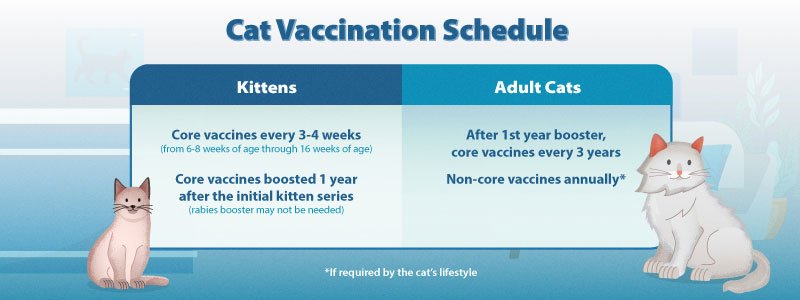
Knowing the recommended vaccination schedule helps keep cats safe from rabies. Rabies shots protect cats and people from a deadly virus. Vets follow guidelines to decide when cats need these vaccines. The schedule depends on the cat’s age and health.
Initial Rabies Vaccination For Kittens
Kittens usually get their first rabies shot at around 12 weeks old. This first vaccine starts their protection against rabies. It is important to follow the vet’s advice for the exact timing.
Booster Shots For Adult Cats
Adult cats need booster shots after the initial vaccine. Boosters keep the vaccine’s protection strong. Most vets recommend a booster one year after the first shot.
Frequency Of Rabies Vaccination
After the first booster, cats often get rabies shots every one to three years. The exact frequency depends on the vaccine type used and local laws. Some vaccines last longer, so less frequent shots are needed.
Special Cases And Exceptions
Cats with health problems may need a different schedule. Outdoor cats or those in high-risk areas might require more frequent vaccines. Always consult the vet to create the best plan for each cat.
Types Of Rabies Vaccines For Cats
Choosing the right rabies vaccine for your cat is crucial to protect them effectively. Different types of rabies vaccines are available, each with its own benefits and schedules. Understanding these options helps you make informed decisions alongside your vet.
Rabies Vaccines: Modified Live Virus (MLV)Modified Live Virus vaccines contain a weakened form of the rabies virus. They stimulate a strong immune response quickly, giving your cat fast protection. However, these vaccines are less common for cats due to safety concerns, especially in kittens or cats with weak immune systems.
Have you ever wondered why some vaccines are preferred over others? MLV vaccines offer quick immunity but may carry risks that make vets lean towards other types for cats.
Inactivated (Killed) Rabies VaccinesThese vaccines use a virus that has been killed and cannot cause disease. They are safe and widely used for cats of all ages. The immune response is effective but may require booster shots to maintain protection over time.
Many cat owners prefer this option because it balances safety with reliable immunity. How often you get boosters depends on the specific vaccine and local laws.
Recombinant Rabies VaccinesRecombinant vaccines use a small piece of the rabies virus’s genetic material to trigger immunity without using the live virus. They are very safe and reduce the risk of side effects. While less common, some vets recommend them for cats with sensitive health conditions.
This type might be less familiar, but it’s gaining attention for its safety profile. Would you consider this vaccine if your cat has had reactions to other shots?
Legal Requirements And Guidelines
Understanding the legal requirements and guidelines for rabies vaccinations in cats is crucial for every pet owner. These rules vary depending on where you live, and following them helps protect both your cat and your community. Knowing the specifics can save you from fines and ensure your feline friend stays healthy.
State And Local Laws On Rabies Vaccination
Each state or local government sets its own rules about how often cats must get a rabies shot. Some places require annual vaccinations, while others allow a three-year vaccine after the initial dose. It’s important to check with your city or county animal control office to find out the exact requirements.
Why Legal Compliance Matters
Failing to vaccinate your cat as required by law can lead to penalties, such as fines or mandatory quarantine. More importantly, rabies is a deadly disease that can spread to humans and other animals. Keeping your cat’s rabies shots up to date protects everyone in your community.
How To Keep Track Of Vaccination Schedules
Many veterinarians provide a vaccination record card for your cat, showing when the next rabies shot is due. Setting reminders on your phone or calendar can help you avoid missing these important dates. Some areas may also require you to register your cat’s vaccination with local authorities.
Special Cases: Indoor Vs. Outdoor Cats
Even if your cat never leaves the house, most laws still require rabies vaccination. Rabies can sometimes be transmitted through unexpected contact, like a bat entering your home. Protecting your indoor cat with regular shots is a smart and responsible choice.

Credit: millsanimalhospital.com
Recognizing Symptoms Of Rabies
Recognizing rabies symptoms in cats is vital to protect your pet and family. Rabies affects the brain and nervous system. It causes sudden behavior changes that need quick attention. Knowing the signs helps catch the disease early. This can save your cat and prevent spreading the virus.
Early Signs Of Rabies In Cats
- Unusual aggression or irritability
- Excessive drooling or foaming at the mouth
- Difficulty swallowing or eating
- Restlessness or pacing
- Sudden fearfulness or hiding
Advanced Symptoms To Watch For
- Paralysis of limbs or facial muscles
- Seizures or trembling
- Loss of coordination and balance
- Weakness or inability to stand
- Changes in vocal sounds or howling
Behavioral Changes Indicating Rabies
- Extreme friendliness or seeking unusual attention
- Sudden withdrawal from people and pets
- Confusion or disorientation
- Unprovoked biting or scratching
Safety Precautions And Tips
Keeping your cat safe from rabies involves more than just scheduling regular shots. It requires understanding how to handle vaccinations carefully and taking extra steps to protect both your pet and your family. Paying attention to safety precautions can make the vaccination process smooth and stress-free.
Preparing Your Cat For The Rabies Vaccination
Make sure your cat is calm and comfortable before the appointment. A stressed or anxious cat can make the process harder for everyone involved.
- Use a cozy carrier lined with a familiar blanket or toy.
- Speak softly and offer treats to ease their nerves.
- Try to schedule vaccinations when your cat is usually relaxed, like after a nap.
Have you noticed how your cat’s mood changes in different situations? Observing this can help you pick the best time for shots.
Handling Post-vaccination Care
After the rabies shot, keep an eye on your cat for any side effects. Mild swelling or soreness at the injection site is normal, but serious reactions need immediate attention.
- Limit your cat’s activity for a few hours to reduce discomfort.
- Watch for signs like vomiting, lethargy, or difficulty breathing.
- Contact your vet immediately if unusual symptoms appear.
Remember, your quick response can prevent complications and keep your cat healthy.
Protecting Yourself During Vaccination
Rabies vaccines are safe, but it’s important to take precautions when handling your cat at the vet. Cats may scratch or bite out of fear, which can be risky.
- Wear long sleeves and gloves if possible.
- Ask the vet or technician to assist in holding your cat securely.
- Keep calm to avoid transferring anxiety to your pet.
How do you usually calm your cat during vet visits? Finding a method that works helps protect both of you.
Keeping Vaccination Records Up To Date
Always keep a copy of your cat’s rabies vaccination records. These documents are essential for travel, boarding, and emergency situations.
- Store records in a dedicated folder or digital file.
- Set reminders for booster shots to avoid missing them.
- Share records with your vet and pet sitters as needed.
Have you set a calendar alert for your cat’s next shot? It’s an easy step that ensures ongoing protection.
Consulting Your Veterinarian
Talking to your veterinarian is the best way to figure out how often your cat needs a rabies shot. Each cat’s health, lifestyle, and local laws can affect the vaccination schedule. Your vet has the knowledge and experience to guide you through this important decision.
Understanding Your Cat’s Specific Needs
Your cat’s age, health condition, and exposure risk all play a role in deciding the vaccination frequency. Older cats or those with health issues might need a different approach than young, healthy cats. Discussing these details with your vet ensures your cat gets the right protection without unnecessary shots.
Local Laws And Regulations
Rabies vaccination rules vary by location. Some areas require annual shots, while others allow longer intervals. Your vet knows the legal requirements in your area and can help you stay compliant, so your cat stays safe and you avoid fines.
Monitoring Side Effects And Reactions
If your cat has had a reaction to a rabies vaccine before, your vet can recommend alternatives or special care. Reporting any side effects after vaccination helps your vet adjust future treatments. This personalized attention keeps your cat comfortable and healthy.
Scheduling And Record Keeping
Your vet can help you set up a vaccination schedule that fits your lifestyle. They often keep detailed records and send reminders for upcoming shots. This support makes it easier for you to stay on top of your cat’s health needs without extra stress.
Addressing Common Concerns
Addressing common concerns about your cat’s rabies shot helps you make informed decisions that protect both your pet and your family. Many cat owners worry about the vaccine’s frequency, safety, and necessity. Let’s clear up these doubts so you can confidently keep your cat healthy.
How Often Does My Cat Really Need A Rabies Shot?
Most cats require a rabies vaccination every one to three years, depending on local laws and the type of vaccine used. Some vets recommend yearly shots, while others use vaccines that last three years. Check your area’s regulations and discuss with your vet to find the best schedule for your cat.
Is The Rabies Vaccine Safe For Cats?
Yes, rabies vaccines are generally safe for cats. Side effects are rare but can include mild soreness or lethargy for a day or two. I once saw a friend’s cat feel a bit tired after the shot, but it bounced back quickly without any issues.
Can Kittens Get Rabies Shots?
Yes, kittens can and should get vaccinated. Usually, the vaccine is given when they are around 12 weeks old. Starting early helps build protection before they explore outdoors or come in contact with other animals.
What If My Cat Stays Indoors All The Time?
Even indoor cats need rabies shots because exposure can happen unexpectedly. For example, bats sometimes enter homes, posing a risk. Vaccination is a simple way to prevent a fatal disease no matter where your cat spends most of its time.
What Are The Legal Requirements For Rabies Vaccination?
Rabies vaccination laws vary by state and country, but many require cats to be vaccinated by law. Failure to comply can result in fines or quarantines. Knowing your local rules ensures your cat stays protected and you avoid legal trouble.

Credit: pennypaws.com

Credit: weareallaboutcats.com
Frequently Asked Questions
How Often Should Cats Get A Rabies Shot?
Cats typically need a rabies shot every one to three years. The frequency depends on the vaccine type and local laws. Annual boosters are common, but some vaccines offer three-year protection. Always follow your veterinarian’s advice and local regulations for vaccination schedules.
Why Is The Rabies Shot Important For Cats?
Rabies shots protect cats from a deadly virus that affects the brain. Rabies is fatal and can spread to humans and other animals. Vaccination helps prevent outbreaks and ensures public health safety. It is often required by law for pet cats.
Can Indoor Cats Skip Rabies Vaccinations?
Indoor cats still need rabies vaccinations in many areas. The risk of exposure exists from bats or other wildlife entering the home. Vaccinating indoor cats protects them and complies with legal requirements. Consult your vet about your cat’s specific risk and vaccination needs.
What Are The Side Effects Of Rabies Vaccines In Cats?
Rabies vaccines are generally safe with minimal side effects. Some cats may have mild soreness, swelling, or lethargy for a day or two. Severe reactions are rare but require immediate veterinary care. Always monitor your cat after vaccination and report concerns promptly.
Conclusion
Cats need rabies shots regularly to stay safe and healthy. Most vets recommend a booster every one to three years. This timing depends on the vaccine type and local laws. Keeping shots up to date protects your cat and others from serious illness.
Talk with your vet to find the best schedule for your pet. Staying on track with vaccines is easy and important. Don’t skip it—your cat’s health depends on it. Safe pets, happy homes.
