


Have you ever wondered how often your cat really needs a bath? If you’re like most cat owners, you probably think cats clean themselves perfectly and don’t need much help.
But the truth isn’t always that simple. Giving your cat a bath at the right time can keep them healthy and comfortable, while too many baths might cause stress and skin problems. You’ll discover the key signs that show when your furry friend needs a wash and how to make bath time easier for both of you.
Keep reading to find out everything you need to know about bathing your cat the right way.
Cat Grooming Basics
Caring for a cat’s coat and skin is important for its health. Grooming helps keep cats clean and comfortable. It also reduces hairballs and shedding. Some cats groom themselves well, but they still need help sometimes. Bathing is just one part of grooming. Brushing and checking their skin are also key steps. Understanding these basics can make your cat happier.
Brushing Your Cat’s Fur
Brushing removes loose hair and dirt. It prevents mats and tangles. Use a brush suited to your cat’s fur type. Short-haired cats need a soft brush. Long-haired cats need a comb or slicker brush. Brush gently to avoid hurting the skin. Try brushing at least twice a week.
Checking Your Cat’s Skin
Look for redness, bumps, or fleas. Healthy skin is smooth and clean. If you see sores or rashes, contact a vet. Fleas cause itching and discomfort. Regular checks help catch problems early.
When To Bathe Your Cat
Cats usually keep clean without baths. Bathe only if your cat is very dirty or has a skin problem. Use a cat-friendly shampoo. Avoid overbathing, as it can dry out skin. Baths every few months are enough for most cats.
Keeping Your Cat Calm During Grooming
Choose a quiet place for grooming. Speak softly and move slowly. Use treats to reward good behavior. Stop if your cat becomes stressed. Short sessions work best for nervous cats.

Credit: www.pouncehawaii.com
Understanding A Cat’s Natural Cleaning Habits
Cats are naturally clean animals. They spend a lot of time grooming themselves. This helps keep their fur clean and healthy. Understanding their natural cleaning habits explains why they rarely need baths.
Grooming removes dirt and loose hair. It also spreads natural oils on their skin. These oils keep their coat shiny and soft. Cats use their tongues to clean hard-to-reach areas. Their rough tongues act like tiny brushes.
Besides grooming, cats lick their fur to cool down. This behavior helps regulate their body temperature. Grooming also reduces stress and builds comfort. It is a calming and soothing activity for cats.
How Cats Groom Themselves
- Use rough tongues to remove dirt and loose hair
- Reach all parts of the body, including behind ears and paws
- Spread natural oils from skin to fur for protection
- Clean their whiskers and face carefully
- Remove debris like dust and small particles
Benefits Of Cats’ Self-cleaning
- Prevents skin infections and irritations
- Keeps fur free from mats and tangles
- Reduces odors by removing dirt and oils
- Helps with temperature control
- Promotes relaxation and reduces stress
When Baths Are Necessary
Knowing when to bathe your cat can save you from unnecessary stress for both you and your furry friend. Cats are generally good at grooming themselves, but there are specific moments when a bath becomes essential. Understanding these situations helps you maintain your cat’s health and comfort without overdoing it.
Dealing With Dirt And Odors
Sometimes, your cat might get into something sticky, smelly, or just plain dirty. If your cat rolls in something unpleasant or gets mud on their fur, a bath is the quickest way to clean them up.
However, if your cat is mostly indoor and grooming well, baths aren’t often needed for dirt. Spot cleaning with a damp cloth can be enough for minor messes.
Ask yourself: Is your cat’s coat visibly dirty or does it have a strong odor? If yes, a bath is justified.
Handling Fleas And Skin Conditions
Baths can be a crucial part of managing flea infestations or skin problems. Medicated shampoos prescribed by your vet can soothe irritated skin and help eliminate pests.
Never use human shampoos on your cat; they can worsen skin issues. Consult your vet before starting any treatment bath to ensure it suits your cat’s condition.
If your cat scratches excessively or has bald spots, a vet-recommended bath might be necessary to relieve discomfort and prevent infections.
Frequency Of Bathing For Different Cat Breeds
Different cat breeds have varied grooming needs, which directly affect how often they require a bath. Understanding your cat’s breed can help you decide the right bathing frequency without stressing your furry friend or overdoing it. Let’s look at how short-haired, long-haired, and hairless breeds differ in their bathing needs.
Short-haired Breeds
Short-haired cats usually groom themselves efficiently, so they rarely need baths. Bathing them every few months or only when they get particularly dirty is often enough. If you notice your cat has an oily coat or a bad odor, it might be time for a bath, but frequent washing can strip natural oils and cause skin dryness.
Long-haired Breeds
Long-haired cats tend to require more frequent baths because their fur can trap dirt and debris easily. You might find that bathing them every 4 to 6 weeks helps keep their coat clean and free from mats. Regular brushing between baths is crucial, but don’t underestimate the occasional wash to prevent tangles and skin issues.
Hairless Breeds
Hairless cats, like the Sphynx, need baths more often than their furry counterparts. Since they lack a protective coat, their skin produces oils that can build up quickly. Bathing them once every 1 to 2 weeks usually keeps their skin healthy and prevents oiliness or irritation.
Bathing Techniques And Tools
Bathing a cat can be a smooth process with the right techniques and tools. Cats usually groom themselves well, but occasional baths help keep them clean and healthy. Preparing properly ensures less stress for you and your cat.
Choosing The Right Shampoo
Select a shampoo made specifically for cats. Human or dog shampoos can irritate their skin. Look for gentle, hypoallergenic formulas without harsh chemicals. Some shampoos target fleas or skin issues, so pick one based on your cat’s needs. Always check for natural ingredients. Avoid strong fragrances that may bother your cat.
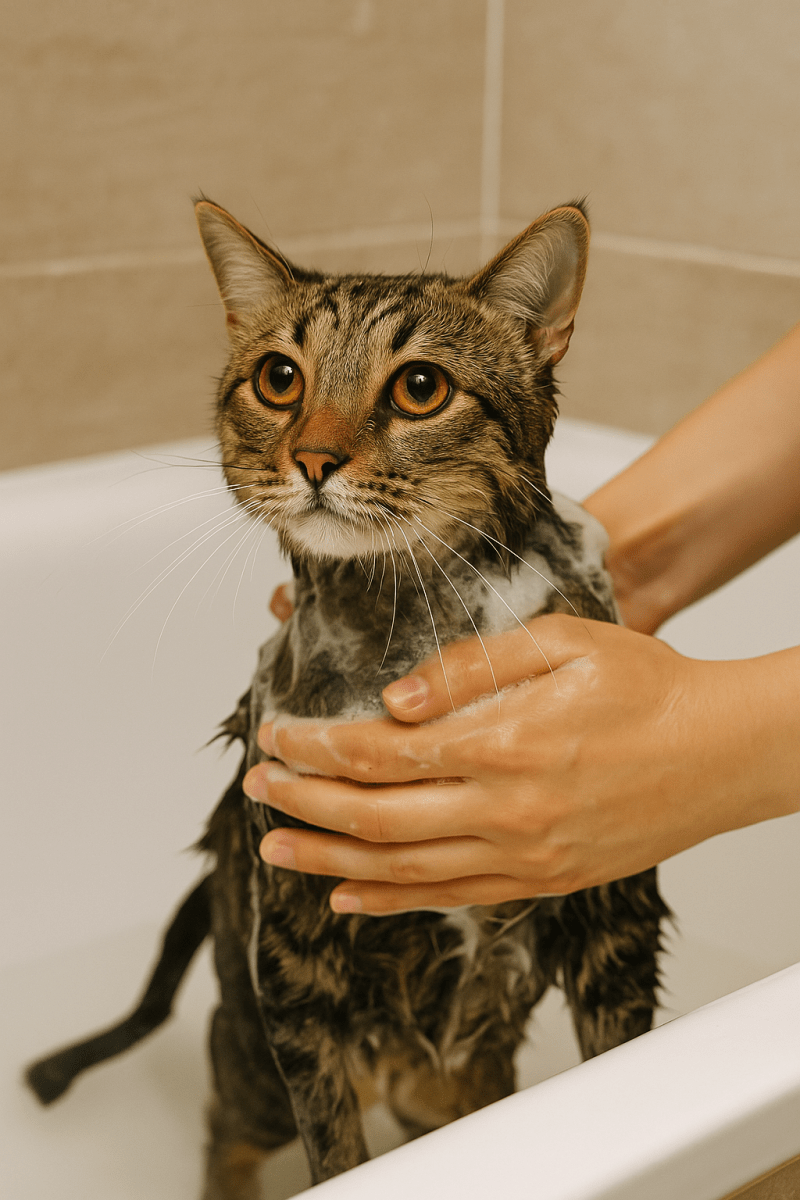
Step-by-step Bathing Guide
- Brush your cat’s fur to remove loose hair and tangles.
- Prepare a shallow tub or sink with lukewarm water. The water should reach your cat’s belly.
- Gently place your cat in the water, speaking softly to calm them.
- Wet the fur carefully, avoiding the face and ears.
- Apply a small amount of cat shampoo and lather gently.
- Rinse thoroughly to remove all shampoo, preventing skin irritation.
- Use a clean towel to dry your cat as much as possible.
- Keep your cat in a warm room until fully dry to avoid chills.
Alternatives To Bathing
Bathing cats can be a stressful experience for both you and your furry friend. Luckily, there are effective alternatives that help keep your cat clean without the hassle of a full bath. These options focus on maintaining your cat’s hygiene in ways that are gentler and often more enjoyable for your pet.
Dry Shampoo Options
Dry shampoos designed for cats can be a lifesaver. They help absorb oils and dirt without water, making the cleaning process quick and easy. You simply spray or sprinkle the product onto your cat’s fur, then brush it out.
Many dry shampoos come with natural ingredients like oatmeal or aloe vera, which soothe the skin while cleaning. Have you tried one yet? It’s worth experimenting to find the right formula that your cat tolerates well.
Keep in mind that dry shampoos work best for routine maintenance rather than heavy dirt or grease. They also reduce the risk of chilling your cat, which can happen with traditional baths.
Regular Brushing Benefits
Brushing your cat regularly is one of the simplest ways to keep their coat healthy. It removes loose fur, dirt, and prevents mats from forming, which can trap odors and debris. Plus, brushing stimulates skin oils that naturally condition the fur.
Make brushing a bonding moment. You’ll notice your cat relaxing and even purring more during a gentle grooming session. Have you observed how your cat’s coat shines after a good brush?
Try using different brushes to see what your cat prefers—some like soft bristles while others respond better to rubber combs. The key is consistency; brushing several times a week can reduce the need for baths significantly.
Tips For A Stress-free Bathing Experience
Bathing a cat can cause stress for both you and your pet. Preparing well helps make the experience calm and safe. Use gentle actions and patience throughout the bath time. These tips will help keep your cat relaxed and clean.
Creating A Calm Environment
- Choose a quiet room with no loud noises or distractions.
- Gather all bath supplies before starting to avoid leaving your cat alone.
- Use a non-slip mat in the sink or tub to prevent slipping.
- Keep water warm but not hot, around 100°F (38°C).
- Speak softly and move slowly to avoid startling your cat.
- Use a gentle spray or cup to wet your cat, avoiding the face.
- Have treats ready to reward calm behavior during the bath.
Post-bath Care
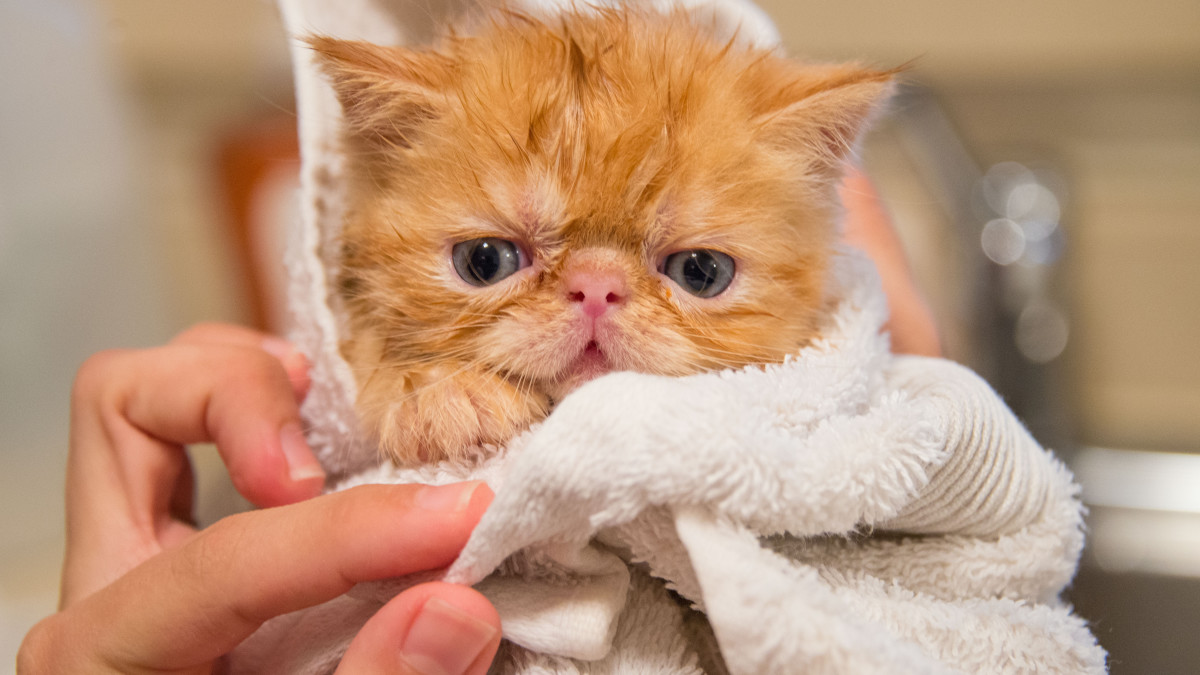
- Wrap your cat in a soft towel immediately after the bath.
- Gently pat dry to remove excess water without rubbing harshly.
- Keep your cat in a warm room until fully dry.
- Brush fur to prevent mats and tangles after drying.
- Offer a favorite treat or playtime to create positive associations.
- Check ears and eyes for any water or soap residue.
- Keep your cat calm and comfortable to avoid stress after bathing.
Credit: dirtbusters.co.uk
Common Grooming Mistakes To Avoid
Grooming your cat might seem straightforward, but many cat owners unknowingly make mistakes that can stress their pets or harm their fur and skin. Avoiding these common errors can make bath time smoother and keep your cat healthier and happier.
Using The Wrong Shampoo
Not all shampoos are safe for cats. Human or dog shampoos can irritate your cat’s skin or strip away natural oils. Always choose a shampoo specifically designed for cats to protect their delicate skin and coat.
Bathing Too Often Or Too Rarely
Over-bathing can dry out your cat’s skin, while neglecting baths when needed may cause mats and dirt buildup. Pay attention to your cat’s lifestyle and coat condition to find the right balance. Have you noticed how your cat’s fur feels between grooming sessions?
Forcing The Bath
Trying to bathe a resistant cat by force can create a negative association with grooming. Instead, try to make the experience calm and gentle. Use treats, a calm voice, and slow movements to help your cat feel safe.
Ignoring Mats And Tangles
Bathing a cat with mats can make the tangles worse and hurt your cat. Regular brushing prevents mats and helps you spot skin issues early. If mats are severe, consider professional grooming to avoid hurting your pet.
Not Rinsing Thoroughly
Shampoo residue can cause itching and irritation if not rinsed out completely. Take your time rinsing your cat’s fur until the water runs clear. Have you ever felt your cat scratching more after a bath? It might be leftover shampoo.
Credit: pethelpful.com
Frequently Asked Questions
How Often Should Indoor Cats Get A Bath?
Indoor cats usually need a bath every 4 to 6 weeks. Regular grooming and spot cleaning often reduce the need for frequent baths. Baths are necessary if they get dirty or have skin issues. Overbathing can dry their skin, so moderation is key.
Do Outdoor Cats Require More Frequent Baths?
Yes, outdoor cats often need baths more frequently. Exposure to dirt, parasites, and weather elements makes their fur dirtier. Bathing every 3 to 4 weeks helps maintain their hygiene. However, always check their skin condition before bathing.
Can Kittens Be Bathed Regularly?
Kittens should be bathed only when necessary. Their skin is sensitive, so avoid frequent baths. Use warm water and gentle kitten-safe shampoo. Typically, a bath every few months or when very dirty is sufficient.
Is It Harmful To Bathe Cats Too Often?
Bathing cats too often can harm their skin and coat. Frequent baths strip natural oils, causing dryness and irritation. Limit baths to when absolutely necessary. Regular brushing usually keeps cats clean without overbathing.
Conclusion
Cats usually clean themselves well and need baths rarely. Bathing too often can dry their skin and cause stress. Use water and shampoo made for cats only. Some cats may need baths if they get very dirty or have skin problems.
Always be gentle and patient during bath time. Keep your cat calm to make the process easier. Knowing how often to bathe your cat helps keep them healthy and happy. Trust your cat’s needs and watch for signs of dirt or discomfort.
A clean cat is usually a happy cat.
