

If you have a cat, you want to keep it safe and healthy. One important way to do that is by making sure your cat gets rabies shots on time.
But how often do cats actually need these vaccines? You might be wondering if yearly visits to the vet are necessary or if the schedule is different. Knowing the right timing can protect your furry friend and give you peace of mind.
Keep reading to find out exactly when and why your cat needs rabies shots, so you never miss an important appointment.

Credit: weareallaboutcats.com
Rabies And Cats
Cats need rabies shots regularly to stay protected from the deadly virus. Typically, vaccinations are given every one to three years, depending on local laws and vet advice. Keeping shots up to date helps ensure your cat’s health and safety.
Rabies is a deadly virus affecting both animals and humans. Cats, being curious creatures, are at risk. They can easily come into contact with rabid animals. This makes understanding rabies critical for cat owners. Regular vaccinations protect your feline friends.What Is Rabies
Rabies is a viral infection that affects the nervous system. It spreads through saliva, often via bites. Once symptoms appear, it’s almost always fatal. Early vaccination is key. This virus is present worldwide, making it a global concern.Why Vaccinate Cats
Vaccinating cats against rabies is essential. It protects them from deadly infections. It also safeguards humans from potential exposure. Vaccinated cats reduce the spread of the virus in communities. Vaccination is often required by law. It ensures public safety and pet health. Regular shots keep your pets safe and healthy.Vaccination Schedule
Understanding your cat’s rabies vaccination schedule is crucial for keeping them safe and complying with local laws. The schedule isn’t just a one-time event; it involves initial shots and boosters that maintain protection over time. Let’s break down what you need to know to keep your feline friend protected.
Initial Rabies Shot
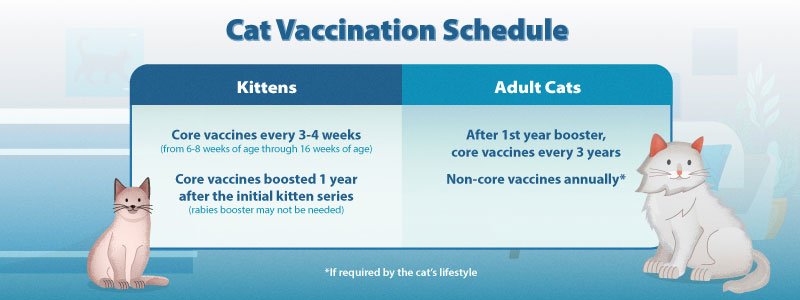
Your cat’s first rabies vaccination usually happens when they are between 12 and 16 weeks old. This initial shot builds their immunity against the rabies virus, which is almost always fatal once symptoms appear.
Many pet owners don’t realize that this first vaccine is just the start. After this, your cat will need follow-up doses to ensure ongoing protection. Have you checked when your cat had their first shot?
Booster Frequency
After the initial shot, booster vaccines are necessary to keep immunity strong. Typically, boosters are given one year after the first shot, then every one to three years depending on the vaccine type and local regulations.
Veterinarians often recommend annual boosters, but some vaccines are approved for a three-year schedule. This variation can confuse pet owners, so keep your vet’s advice handy and mark your calendar to avoid missing boosters.
Factors Affecting Schedule
Several factors can influence how often your cat needs rabies shots. These include your location, local laws, your cat’s health, and their lifestyle (indoor vs. outdoor).
For example, outdoor cats face higher risks and might need more frequent vaccinations. Also, some areas have strict laws that require annual vaccinations regardless of the vaccine type.
Have you considered how your cat’s routine and environment might affect their vaccination schedule? Talking with your vet can help tailor the best plan for your pet’s safety.
Legal Requirements
Rabies vaccinations for cats are not just a health matter but a legal one. Laws exist to protect both pets and people from this deadly disease. Knowing these legal requirements helps keep cats safe and owners responsible. The rules vary depending on where you live. Understanding them ensures your cat stays protected and you avoid legal troubles.
Vaccination Laws By Region
Different regions have specific rules about cat rabies shots. Some places require annual vaccinations. Others allow a shot every three years. Age also matters; kittens must get their first shot by a certain age. Local governments or animal control offices set these rules. Always check your area’s laws to follow the correct schedule.
Consequences Of Non-compliance
Failing to vaccinate your cat can lead to serious problems. You might face fines or legal penalties. Your cat could be quarantined or removed by authorities. In some cases, pets without shots risk euthanasia. Non-compliance also puts your family and community at risk. Staying up to date with shots avoids these issues.
Vaccine Types
Rabies vaccines for cats come in different types. Each type has its own features and duration of protection. Understanding vaccine types helps in making the best choice for your cat’s health. Vaccines vary by how long they protect and how they are given.
Available Rabies Vaccines
There are mainly two types of rabies vaccines for cats:
- 1-Year Rabies Vaccine:Provides protection for 12 months. Requires yearly boosters.
- 3-Year Rabies Vaccine:Offers protection for up to three years. Booster shots are less frequent.
Both vaccines are safe and approved by veterinary authorities. They come as injections given under the skin or muscle.
Choosing The Right Vaccine
Vaccine choice depends on local laws, your cat’s health, and lifestyle.
- Cats that go outdoors may need longer protection.
- Indoor cats might be fine with yearly shots.
- Some areas require specific vaccine types by law.
Your vet will recommend the best vaccine based on these factors. Regular vaccination keeps your cat safe from rabies and helps protect people too.
Signs Of Rabies In Cats
Recognizing the signs of rabies in cats is crucial for every pet owner. Rabies is a fatal disease, but early detection can save lives—including your cat’s. Knowing what to look for helps you act fast and seek veterinary care immediately.
Early Symptoms
In the beginning stages, rabies symptoms are subtle and easy to miss. Your cat may seem unusually shy or withdrawn, avoiding interaction even with familiar people. You might notice a slight fever or mild behavioral changes like irritability or restlessness.
Some cats show sensitivity to light or sound, which could be mistaken for general discomfort. Pay attention if your cat’s appetite decreases or if they suddenly become overly affectionate or aggressive. These early signs often appear within a few days of exposure.
Advanced Symptoms
As rabies progresses, symptoms become more severe and unmistakable. Your cat might develop difficulty swallowing, leading to excessive drooling or foaming at the mouth. Paralysis often sets in, starting with the hind legs and moving forward.
You could see erratic behavior like unprovoked aggression, seizures, or extreme agitation. Loss of coordination and inability to stand or walk are alarming signs that require immediate attention. If you notice any of these, don’t wait—contact your vet without delay.

Credit: millsanimalhospital.com
Safety And Side Effects
Ensuring your cat’s safety during rabies vaccinations is crucial. While these shots protect against a deadly disease, understanding potential side effects helps you stay alert and responsive. Knowing what to expect can ease your mind and keep your feline friend comfortable.
Common Reactions
Most cats handle rabies shots well with only mild side effects. You might notice slight swelling or tenderness at the injection site, which usually fades within a day or two.
Other common reactions include:
- Temporary lethargy or mild fever
- Reduced appetite for a short period
- Sneezing or mild nasal discharge if given intranasal vaccines (less common)
These symptoms are typically short-lived and shouldn’t worry you. Have you ever noticed your cat acting a bit off after a vet visit? It’s often just their way of adjusting to the vaccine.
When To See A Vet
While side effects are usually mild, some signs require immediate attention. Watch for persistent vomiting, diarrhea, difficulty breathing, or swelling that spreads beyond the injection site.
If your cat shows any of these symptoms, contact your vet right away. Quick action can prevent complications and ensure your pet stays safe.
Have you ever wondered how to differentiate normal vaccine reactions from serious issues? Keeping a close eye on your cat after vaccination is the best way to know when to seek help.
Cost And Accessibility
Understanding the cost and accessibility of rabies shots for your cat can help you plan better for their health care. Prices vary widely depending on location, clinic type, and vaccine brand. Accessibility also influences how easily you can keep your cat’s vaccinations up to date without hassle.
Price Range
The cost of rabies shots for cats usually falls between $15 and $50. This range depends on whether you visit a private vet, an animal hospital, or a low-cost clinic. Some places might even charge extra for office visits or additional services, so it’s smart to ask about the total cost upfront.
In my experience, local animal shelters often offer vaccinations at lower prices, sometimes as low as $10. This can be a great option if you’re on a budget but still want to ensure your cat’s protection. Have you checked community clinics in your area? They might surprise you with affordable options.
Finding Vaccination Services
Finding a reliable place to get your cat’s rabies shot doesn’t have to be stressful. Start by searching for veterinary clinics nearby and check if they provide vaccination services. Many clinics list their prices online, making it easier to compare and choose the best option.
- Contact local animal shelters or humane societies—they often hold vaccination drives.
- Mobile vaccination clinics can come to your neighborhood, offering convenience and competitive pricing.
- Pet stores sometimes partner with vets to provide vaccine clinics on weekends.
Think about your schedule and transportation options too. Would a clinic closer to home save you time and stress? Or is it worth driving a bit farther for better pricing? Finding the right balance can make maintaining your cat’s rabies shots simpler and less costly.

Credit: pennypaws.com
Tips For Cat Owners
Caring for your cat’s health includes staying on top of rabies vaccinations. This keeps your cat safe and helps protect others too. Simple habits can make vaccine visits easier and more effective. Here are some tips for cat owners to follow before and after the rabies shot.
Preparing For The Shot
- Schedule the appointment when your cat is calm and rested.
- Keep your cat’s carrier ready and comfortable for the trip.
- Bring a favorite toy or blanket to reduce stress.
- Explain the process gently to your cat with soft words.
- Check if your cat needs to fast before the vaccine.
- Ask the vet about any side effects to watch for.
Maintaining Vaccination Records
Organized records help track your cat’s vaccine schedule. This avoids missed or early shots and keeps health clear.
- Use a dedicated folder or digital app for vaccine dates.
- Note the vaccine type, date, and vet clinic details.
- Set reminders for the next rabies shot well in advance.
- Share records during vet visits or pet boarding stays.
- Keep records safe but easy to access whenever needed.
Frequently Asked Questions
How Often Should Cats Get Rabies Shots?
Cats typically need rabies shots every 1 to 3 years. The schedule depends on the vaccine type and local laws. Annual boosters may be required in some areas for effective protection.
Why Are Rabies Shots Important For Cats?
Rabies shots protect cats from a deadly viral disease. Rabies can spread to humans and other animals. Vaccination ensures your cat stays healthy and prevents disease transmission.
Can Indoor Cats Skip Rabies Vaccinations?
Indoor cats still need rabies shots. Rabies can be transmitted by bats or other wildlife entering your home. Vaccination is crucial regardless of a cat’s lifestyle to ensure safety.
What Are The Side Effects Of Rabies Shots In Cats?
Most cats experience mild side effects like soreness or slight fever. Serious reactions are rare but can include swelling or allergic responses. Always monitor your cat after vaccination and consult a vet if needed.
Conclusion
Cats need rabies shots to stay safe and healthy. Most cats get their first vaccine at three months old. After that, shots usually happen every one to three years. Your vet can tell you the best schedule for your cat.
Keeping vaccinations up to date helps protect your pet and people around them. Don’t skip these important visits. A healthy cat means peace of mind for you. Stay informed and keep your cat’s rabies shots on track. Simple steps can prevent serious problems later.
