

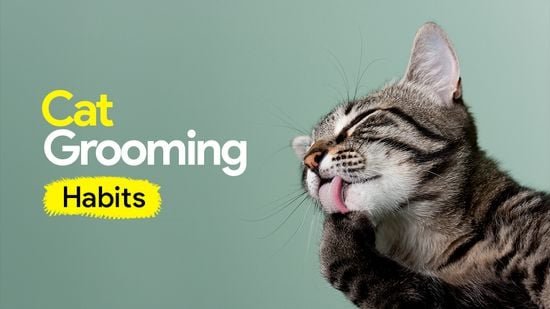
Have you ever watched your cat spend so much time licking its fur and wondered, “How often do cats groom themselves?” If you’re curious about why your feline friend cleans so much and what it means for their health, you’re in the right place.
Understanding your cat’s grooming habits can help you spot signs of stress, illness, or simply a happy, content pet. Keep reading, and you’ll discover surprising facts about your cat’s self-care routine that every cat owner should know.
Cat Grooming Habits
Cats spend a good part of their day grooming themselves. Grooming helps cats stay clean and healthy. It also reduces stress and keeps their fur in good shape. Each cat has its own grooming habits. These habits depend on many factors, such as age, breed, and environment.
Daily Grooming Frequency
Most cats groom themselves several times a day. On average, cats spend about 30 to 50 percent of their awake time grooming. This can mean anywhere from 1 to 3 hours daily. Kittens and younger cats tend to groom more often. Older cats might groom less due to health or mobility issues.
Factors Influencing Grooming
Several things affect how often a cat grooms:
- Age:Younger cats groom more frequently.
- Health:Sick or injured cats may groom less.
- Environment:Outdoor cats might groom more to remove dirt.
- Stress:Stressful situations can increase or decrease grooming.
- Weather:Cats groom more in hot weather to cool down.
Differences Among Breeds
Not all cats groom the same way. Some breeds have unique grooming needs:
- Short-haired breeds:Groom less because their fur is easy to clean.
- Long-haired breeds:Groom more to avoid mats and tangles.
- Sphinx cats:Groom often to remove oils from their skin.
- Persians:Need extra grooming help from owners.
Breed influences grooming habits strongly. Owners should know their cat’s breed needs.
Credit: pethelpful.com
Reasons Cats Groom
Cats groom themselves for many important reasons. Grooming keeps them healthy and happy. It is a natural behavior that serves several key purposes. Understanding why cats groom helps owners care for their pets better.
Maintaining Cleanliness
Cats use their tongues to clean their fur. This removes dirt and loose hair. Grooming also helps prevent skin infections. It keeps their coat smooth and shiny. Clean fur reduces the chance of parasites like fleas.
Temperature Regulation
Grooming helps cats control their body temperature. When cats lick their fur, saliva cools them down as it evaporates. It works like natural air conditioning. Grooming also fluffs up their fur to keep warm in cold weather.
Stress Relief And Comfort
Grooming calms cats during stressful times. It reduces anxiety and makes them feel safe. Cats often groom themselves after scary events or loud noises. Grooming is a comforting habit that helps them relax.
Grooming Techniques
Cats use several grooming techniques to keep their fur clean and healthy. These methods help remove dirt, loose hair, and parasites. Grooming also keeps their skin moisturized and helps regulate body temperature. Understanding these techniques reveals how cats stay so neat and tidy.
Licking And Biting
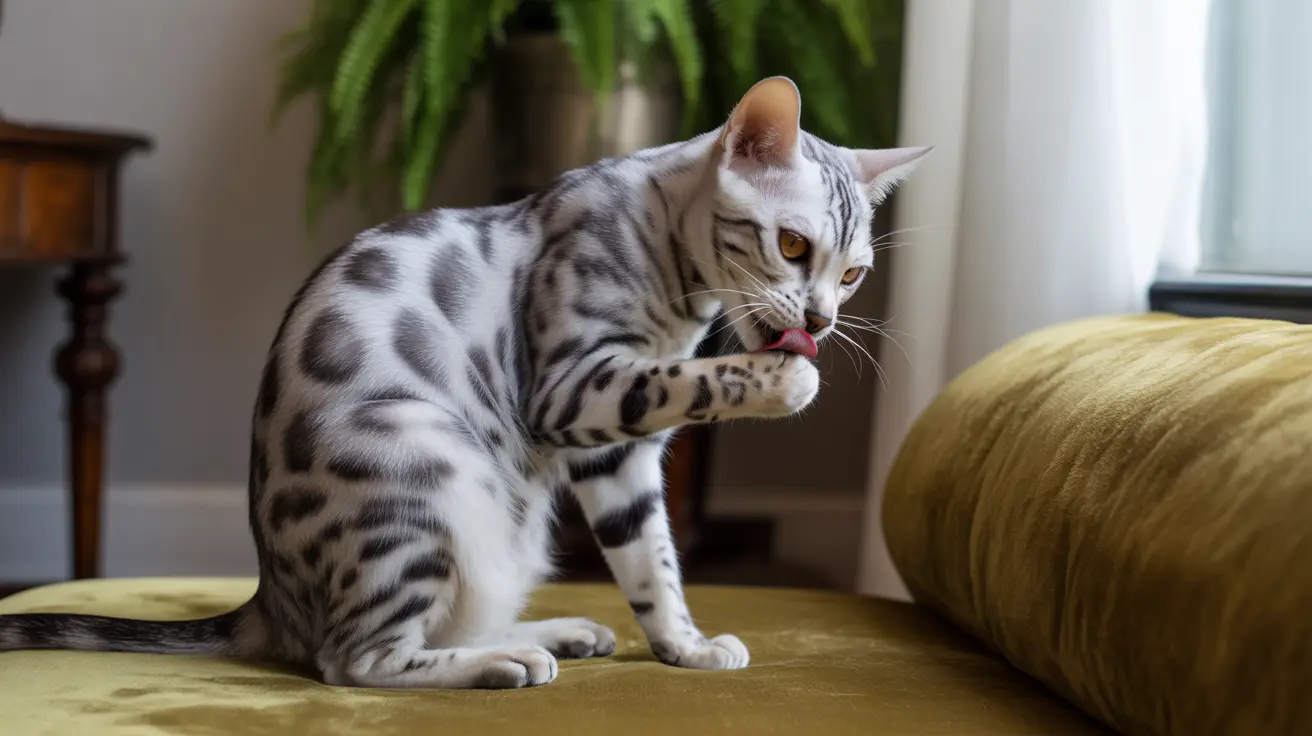
Cats lick their fur to clean it thoroughly. Their tongues have tiny, hook-like structures that catch loose hair and dirt. Biting helps remove stubborn debris and tangled fur. This combination keeps their coat smooth and shiny.
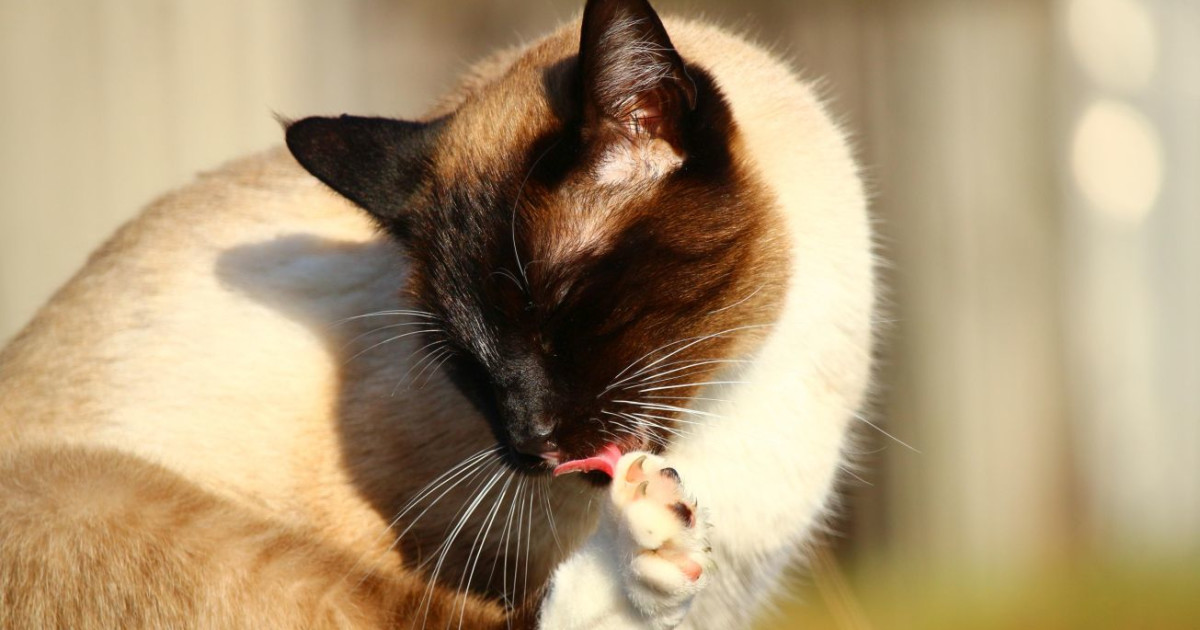
Use Of Paws
Cats use their paws like little washcloths. They lick their paws and then rub them over their face and head. This method reaches spots their tongues cannot. Paws also help clean hard-to-reach areas such as behind the ears.
Self-massage Methods
Cats use gentle scratching and rubbing to massage their skin. This stimulates blood flow and helps spread natural oils evenly. These oils keep the fur soft and waterproof. Self-massage also relieves tension and keeps muscles flexible.
Grooming And Health
Cats spend a significant part of their day grooming themselves, but this behavior is about more than just staying clean. Grooming plays a vital role in maintaining your cat’s overall health and wellbeing. Understanding the link between grooming habits and health can help you spot early signs of problems and keep your feline friend happy and comfortable.
Detecting Health Issues
Changes in your cat’s grooming routine can signal health problems. If your cat suddenly grooms less, it might be feeling pain or discomfort, especially from arthritis or dental issues. On the other hand, an increase in grooming could indicate skin irritation, allergies, or stress.
Watch for areas your cat avoids or over-grooms. These patterns can help you pinpoint where your cat might be hurting. Have you noticed your cat licking one spot more than usual? It’s worth a vet visit to check for infections or parasites.
Impact On Skin And Coat
Regular grooming helps spread natural oils across your cat’s fur, keeping the coat shiny and healthy. It also removes loose hair and dirt, preventing matting and skin problems. Without this routine, your cat might develop dry skin, dandruff, or patches of hair loss.
Your cat’s grooming habits can reflect its skin condition. A dull or greasy coat often means something is off. If you want your cat to stay looking its best, pay close attention to how often and how thoroughly it grooms.
When Grooming Becomes Excessive
Excessive grooming can be a red flag. It may indicate anxiety, allergies, or an underlying medical issue like fleas or fungal infections. When grooming turns into over-grooming, your cat can develop bald spots or sores.
If your cat spends hours licking or biting itself, it’s time to intervene. Try to identify stress triggers or consult your vet about possible allergies or skin conditions. How often is too often in your cat’s grooming routine? Monitoring this can prevent serious health problems.
Supporting Your Cat’s Grooming
Supporting your cat’s grooming is key to keeping them healthy and comfortable. While cats are naturally good at cleaning themselves, they sometimes need a little help from you. Paying attention to their grooming habits can prevent problems and strengthen your bond.
Brushing Tips
Regular brushing removes loose fur and reduces hairballs. Use a brush suited to your cat’s coat type—soft brushes for short hair and slicker brushes for long hair work well.
Brush gently in the direction of hair growth to avoid irritating your cat’s skin. Try brushing in short sessions to keep your cat relaxed and comfortable.
Have you noticed your cat avoiding brushing? It could mean discomfort or skin issues, so check carefully and adjust your technique.
Bathing Guidelines
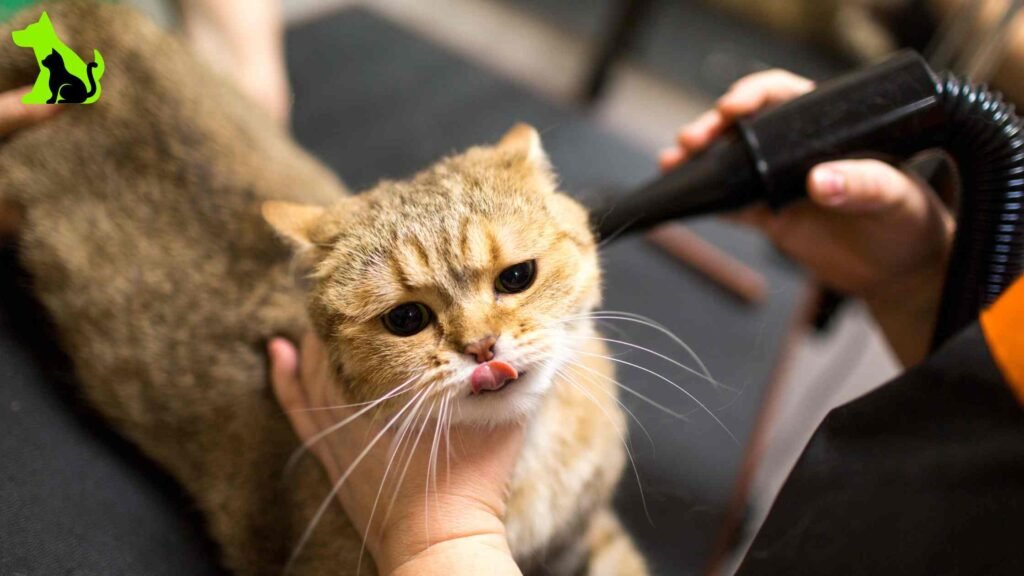
Most cats don’t need baths often, but occasional cleaning helps if they get into something sticky or dirty. Use a mild cat shampoo and lukewarm water to avoid drying out their skin.
Prepare everything before starting to keep the bath quick and calm. Speak softly and reward your cat afterwards to create a positive experience.
Have you ever tried bathing your cat and faced resistance? Patience and gentle handling make a big difference.
Diet And Hydration Effects
A balanced diet supports a healthy coat and skin. Foods rich in omega-3 and omega-6 fatty acids can reduce shedding and improve shine.
Proper hydration also impacts grooming. Cats often don’t drink enough water, so offering wet food or fresh water regularly helps maintain skin moisture.
Try monitoring your cat’s water intake—do they prefer running water or a water bowl in a quiet spot? Small changes can improve their hydration habits and grooming health.
Credit: hellopetsinc.com
Credit: www.petscare.com
Frequently Asked Questions
How Often Do Cats Groom Themselves Daily?
Cats groom themselves approximately 2 to 5 times a day. This behavior helps keep their fur clean, controls body temperature, and reduces stress. Grooming also strengthens their bond with their environment and other cats.
Why Do Cats Spend So Much Time Grooming?
Cats groom to remove dirt, loose fur, and parasites. Grooming regulates body temperature and stimulates blood flow. It also helps cats relax and feel secure in their surroundings.
Can Excessive Grooming Indicate Health Issues?
Yes, excessive grooming can signal stress, allergies, or skin infections. It may lead to bald spots or sores. If your cat grooms too much, consult a veterinarian for proper diagnosis and treatment.
Does Grooming Frequency Vary By Cat Breed?
Yes, grooming frequency varies by breed and coat type. Long-haired cats groom more often to prevent matting. Short-haired cats groom less frequently but still maintain cleanliness effectively.
Conclusion
Cats groom themselves many times each day. This keeps their fur clean and healthy. Grooming also helps them stay calm and relaxed. Watch for changes in grooming habits. It could signal health problems or stress. Regular grooming supports your cat’s well-being.
Understanding their grooming helps you care better. Remember, a clean cat is usually a happy cat.
