

Are you wondering how often your cat needs shots to stay healthy? Keeping your furry friend safe from dangerous diseases is important, but it can be confusing to know when vaccines are due.
If you want to protect your cat without overdoing it or missing key appointments, this guide will clear things up for you. Read on to discover the simple schedule that keeps your cat strong and happy for years to come.
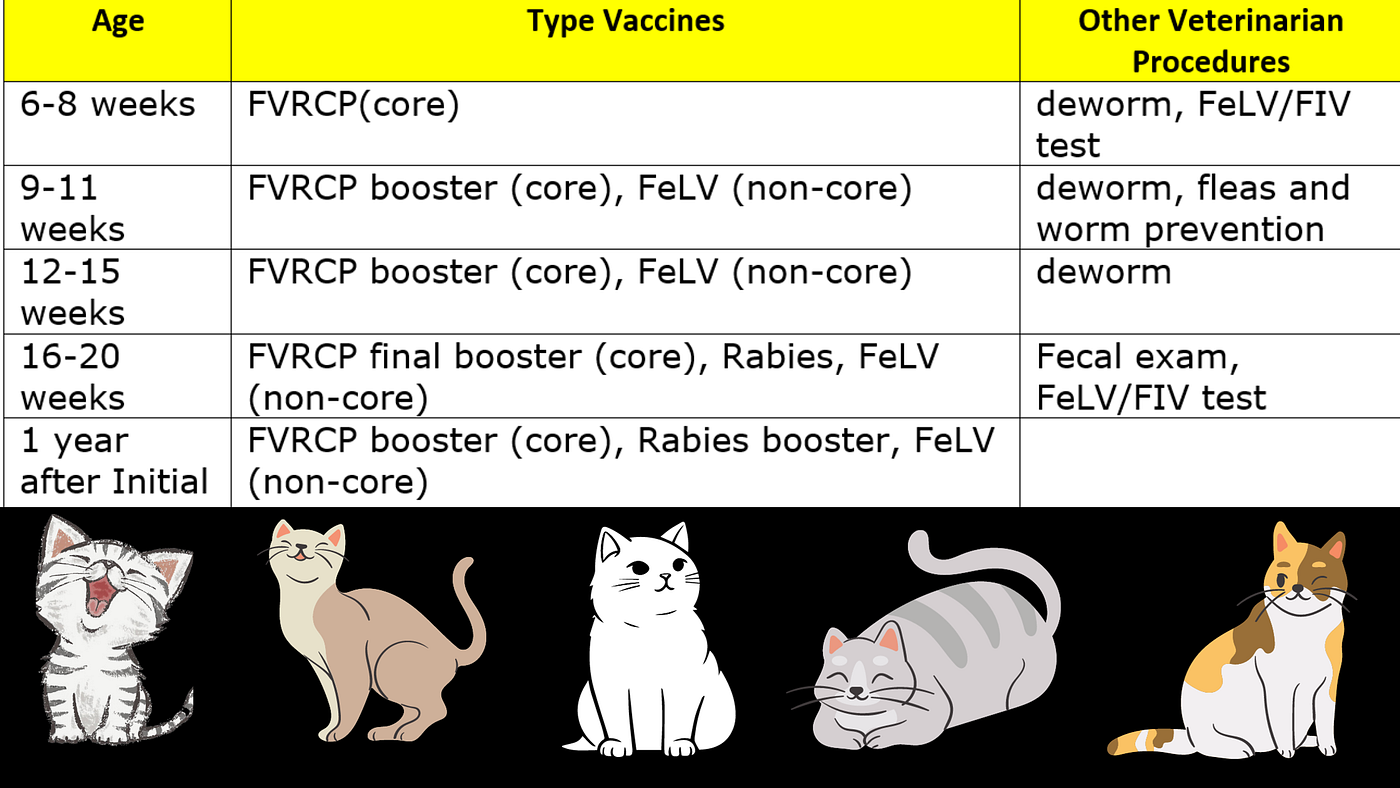
Credit: medium.com
Importance Of Vaccinations
Vaccinations protect cats from many dangerous diseases. They build a cat’s immune system. This helps cats fight infections and stay healthy. Without vaccines, cats face serious health risks. Vaccinations also protect other animals and people around them. Keeping up with shots is key for a long, happy life.
Protecting Against Common Diseases
Vaccines guard cats from illnesses like rabies, feline distemper, and respiratory infections. These diseases can cause severe pain or death. Shots lower the chance of cats catching or spreading these illnesses. They are essential for any cat’s well-being.
Reducing Medical Costs
Treatment for vaccine-preventable diseases can be expensive. Vaccinations help avoid costly vet visits and medicines. Preventive care saves money and stress for cat owners. Regular shots are a smart investment in your cat’s health.
Supporting Community Health
Vaccinating cats helps stop outbreaks in neighborhoods. It protects wildlife and pets that interact with your cat. Rabies vaccination is often required by law for public safety. Keeping shots current supports a healthier community for everyone.

Credit: millsanimalhospital.com
Core Vaccines For Cats
Core vaccines protect cats from serious and common diseases. These vaccines are essential for every cat’s health. They help prevent illnesses that can be fatal or hard to treat. Veterinarians recommend these vaccines for all cats, whether indoor or outdoor.
Core vaccines include protection against rabies, feline distemper, feline herpesvirus, and feline calicivirus. Each vaccine targets a specific disease that can spread easily among cats. Regular vaccinations keep cats healthy and reduce the risk of outbreaks.
Rabies Vaccine
Rabies is a deadly virus affecting the brain and nervous system. It spreads through bites from infected animals. Cats need the rabies vaccine to protect themselves and humans. Most places require rabies shots by law. The vaccine usually starts at three months old and repeats yearly or every three years.
Feline Distemper
Feline distemper, also called panleukopenia, is a severe viral disease. It causes fever, vomiting, diarrhea, and can lead to death. The distemper vaccine is given in a series starting at six to eight weeks old. Booster shots follow until the cat is about 16 weeks old, then yearly or every three years.
Feline Herpesvirus
Feline herpesvirus causes respiratory infections and eye problems. It spreads quickly in places with many cats. Vaccination reduces symptoms and helps control the spread. The vaccine is often combined with others in a single shot. Kittens start getting this vaccine at six to eight weeks old.
Feline Calicivirus
Feline calicivirus causes mouth ulcers, sneezing, and breathing issues. It spreads through close contact and shared spaces. Vaccination lowers the risk of infection and severity. It usually comes as part of a combination vaccine with herpesvirus. Kittens receive the vaccine starting at six to eight weeks old.
Non-core Vaccines
Non-core vaccines are not required for every cat but can be crucial depending on your cat’s lifestyle and risk of exposure. These vaccines protect against diseases that are less common or only a concern in certain environments. Understanding these can help you make informed decisions with your vet about what shots your cat really needs.
Feline Leukemia Virus
Feline Leukemia Virus (FeLV) is a serious disease affecting cats, especially those who spend time outdoors or live with other cats. The FeLV vaccine is recommended if your cat is at risk of exposure. Typically, after the initial shots, booster vaccines are given yearly for cats with ongoing exposure.
Have you noticed your cat interacting with neighborhood cats? That’s a key reason to consider this vaccine.
Bordetella
Bordetella causes respiratory infections, often in places where many cats gather, like shelters or boarding facilities. This vaccine is not for every cat but can prevent outbreaks in multi-cat environments. If your cat is frequently boarded or goes to grooming salons, ask your vet about yearly Bordetella shots.
Think about your cat’s social calendar—does it include visits to places with other cats?
Chlamydophila Felis
This vaccine protects against a bacterial infection causing eye and respiratory issues. It’s mainly recommended for cats in crowded or high-risk settings. Your vet might suggest this vaccine if your cat lives with others or has had eye infections before.
Have you observed persistent eye discharge or sneezing in your cat? That might be a sign to discuss this vaccine with your vet.
Vaccination Schedule For Kittens
Kittens need vaccines to protect them from many diseases. A clear schedule helps keep them safe. Starting early is important for their health. This guide explains the basic vaccination timeline for kittens.
First Shots
Kittens usually get their first vaccines at 6 to 8 weeks old. These shots protect against:
- Feline distemper (panleukopenia)
- Feline calicivirus
- Feline herpesvirus
These are core vaccines. They help build strong immunity in young kittens. The first shots start the protection process.
Booster Shots
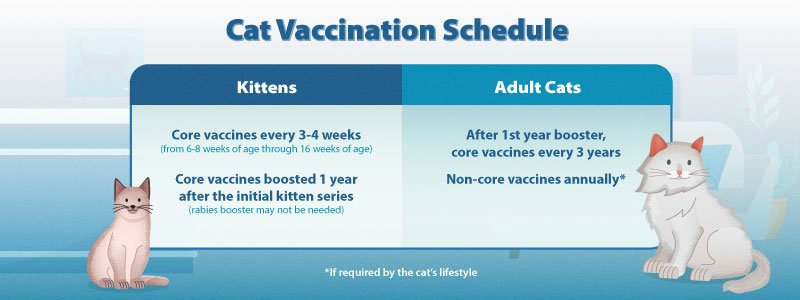
Boosters come every 3 to 4 weeks after the first shots. Kittens get boosters until about 16 weeks old. Boosters strengthen and extend the immunity. Missing boosters can leave kittens vulnerable to illness.
After the kitten series, adult cats need boosters yearly or every three years. Following the schedule ensures long-term health. Regular vet visits help track these important shots.
Vaccination Schedule For Adult Cats
Adult cats need regular vaccinations to stay healthy. Vaccines protect them from serious diseases. The vaccination schedule helps pet owners and vets keep track of needed shots. It varies depending on the cat’s lifestyle and health. Keeping up with this schedule is vital for a long, happy life.
Annual Check-ups
Annual check-ups let vets assess your cat’s health. During these visits, vets update vaccines based on age and risk. They check for any side effects or new health issues. This helps catch problems early. Regular visits also allow vets to adjust the vaccine plan as needed.
Booster Recommendations
Boosters keep immunity strong after the first vaccine series. Some vaccines require yearly boosters. Others may last three years or more. Your vet will recommend boosters based on your cat’s risk and environment. Missing boosters can leave cats vulnerable to infections. Staying on schedule ensures continued protection.
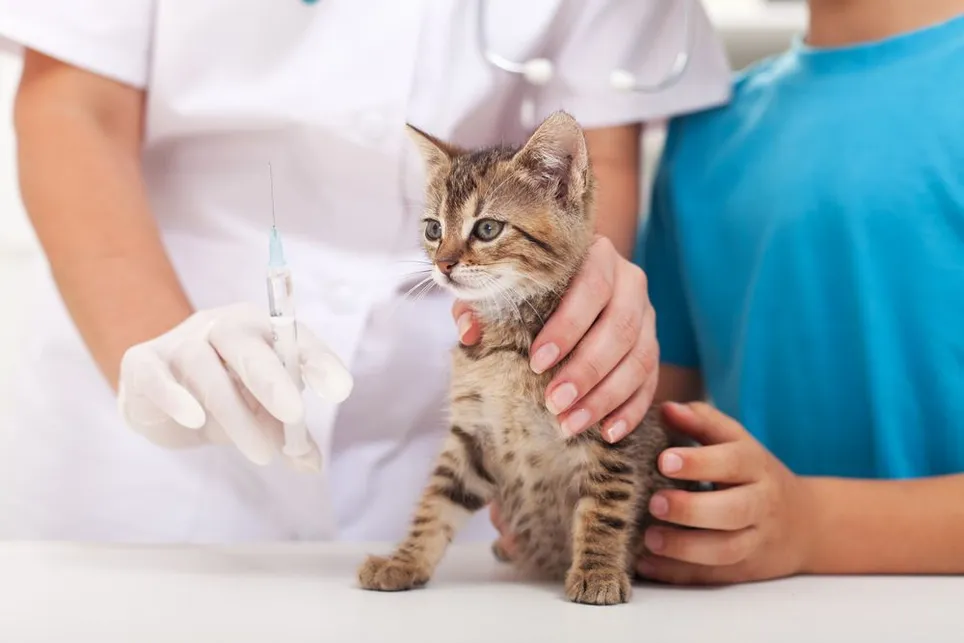
Credit: www.catcarehospital.com
Factors Influencing Vaccination Frequency
Vaccination frequency for cats depends on several important factors. Each cat’s needs vary based on lifestyle and health. Understanding these factors helps keep cats protected without over-vaccinating. It also ensures timely boosters to maintain immunity.
Indoor Vs Outdoor Cats
Indoor cats face fewer risks of infectious diseases. They live mostly inside, away from other animals. Their vaccination schedule can be less frequent.
Outdoor cats encounter more germs and other animals. They may need more frequent shots to stay safe. Outdoor cats risk diseases like rabies and feline leukemia.
Veterinarians adjust vaccination plans based on a cat’s environment. Outdoor cats often require broader protection compared to indoor cats.
Health Status And Age
Kittens need a series of vaccines to build early immunity. Their shots usually happen every few weeks until about four months old.
Adult cats require booster shots to maintain protection. Frequency depends on previous vaccine type and health condition.
Older cats or those with weak immune systems may need special care. Some vaccines might be delayed or given less often to avoid stress.
Regular vet check-ups help decide the best vaccination schedule for each cat’s health status.
Recognizing Vaccine Side Effects
Recognizing vaccine side effects in your cat is essential after each visit to the vet. While most cats handle shots well, some may show signs of discomfort or unusual behavior. Watching closely can help you react promptly and keep your feline friend safe.
Mild Reactions
It’s normal for cats to experience mild reactions after vaccinations. You might notice slight swelling or tenderness at the injection site. This usually goes away within a day or two.
Other common mild signs include:
- Lethargy or reduced activity for a day
- Decreased appetite
- Sneezing or mild nasal discharge if a nasal vaccine was given
When my cat had a mild fever and slept more after her shots, I monitored her closely and gave her extra love. These reactions are usually not serious but check with your vet if they last more than 48 hours.
Severe Reactions
Severe reactions are rare but require immediate attention. Watch for symptoms like:
- Swelling of the face or neck
- Difficulty breathing
- Vomiting or diarrhea
- Collapse or seizures
If your cat shows any of these signs, contact your veterinarian right away. Quick action can prevent complications and ensure your pet’s health.
Have you ever noticed unusual behavior in your cat after a vaccine? Keeping a journal of their reactions helps you and your vet make informed decisions about future shots.
Consulting Your Veterinarian
Consulting your veterinarian is essential for your cat’s vaccination schedule. Each cat has unique health needs. A vet can guide you on the right timing and type of shots. Regular check-ups help keep your cat protected against diseases.
Personalized Vaccine Plans
Vaccine plans vary by age, lifestyle, and health. Kittens need more vaccines than adult cats. Outdoor cats may require extra protection from certain diseases. Your vet will assess your cat’s risk and create a tailored plan. This plan changes as your cat grows or their environment shifts.
Addressing Concerns
Many pet owners worry about vaccine side effects. Some cats might have mild reactions like soreness or tiredness. Serious side effects are rare but important to discuss. Your vet can explain risks and benefits clearly. Trusting your vet helps you make informed decisions for your cat’s health.
Frequently Asked Questions
How Often Should Adult Cats Receive Vaccinations?
Adult cats typically need booster shots every 1 to 3 years. Your vet will recommend a schedule based on your cat’s health and lifestyle. Regular vaccinations protect cats from common diseases and keep their immunity strong.
When Do Kittens Get Their First Shots?
Kittens usually receive their first vaccinations at 6 to 8 weeks old. Booster shots follow every 3 to 4 weeks until they reach 16 weeks. Early vaccinations are crucial for protecting kittens from infectious diseases.
Are Yearly Cat Vaccinations Necessary?
Yearly vaccinations are often recommended to maintain immunity against serious diseases. Some vaccines require annual boosters, while others may last longer. Consult your vet to create the best vaccination plan for your cat’s needs.
What Vaccines Are Essential For Cats?
Core vaccines include rabies, feline herpesvirus, calicivirus, and panleukopenia. These protect cats from highly contagious and deadly diseases. Non-core vaccines may be advised depending on your cat’s risk factors.
Conclusion
Cats need regular shots to stay healthy and avoid illness. Kittens get vaccines more often at first, then adult cats need boosters yearly or every few years. Your vet will guide you on the right schedule for your cat. Keeping shots up to date helps protect your pet and others around them.
Don’t forget to track your cat’s vaccination dates. Healthy cats are happy cats. Simple care like this makes a big difference. Keep your furry friend safe with regular shots.
