

If you have a cat, keeping them safe and healthy is always on your mind. One important way to protect your furry friend is through rabies vaccinations.
But you might wonder, how often are rabies shots needed for cats? Knowing the right schedule can save your cat from serious health risks and keep your home safe. You’ll discover exactly when your cat needs these shots and why sticking to the right timing matters so much.
Keep reading to find out how to keep your beloved pet protected year after year.

Credit: pennypaws.com
Rabies Risks For Cats
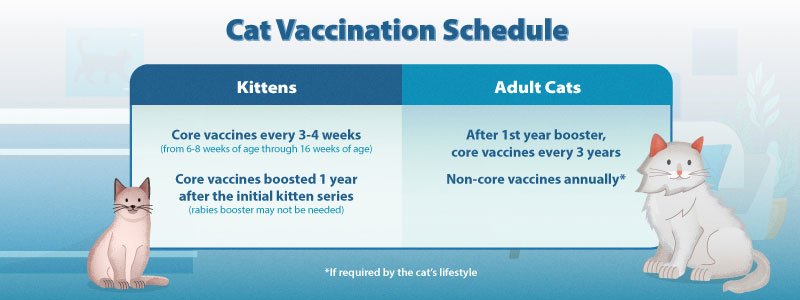
Cats need rabies shots regularly to stay protected. Typically, boosters are given every one to three years. Keeping vaccinations up to date helps prevent serious health risks.
Rabies is a serious concern for cats and their owners. While indoor cats might seem safe, the threat of rabies is real due to the unpredictable nature of outdoor adventures and wildlife interactions. Understanding the risks and symptoms of rabies in cats can help you make informed decisions about vaccinations and ensure the safety of both your pet and your family.Transmission Methods
Rabies is primarily spread through the saliva of an infected animal, typically via bites. Cats, being natural hunters, might encounter rabid wildlife such as bats, raccoons, or skunks. Even a brief escape outdoors can expose your cat to these risks.Symptoms In Cats
Recognizing rabies symptoms in cats is crucial. Infected cats may exhibit behavioral changes like aggression or excessive drooling. You may also notice paralysis, disorientation, or seizures, which indicate the virus has progressed.Risks To Humans And Pets
Rabies poses a significant threat to humans and other pets. If an infected cat bites or scratches a person, immediate medical attention is required. Vaccinating your cat protects not just them, but also reduces the risk of spreading the disease to your family and other pets. Is your cat vaccinated against rabies? If not, consider the potential risks they face. Vaccination is a simple step to safeguard your furry friend and ensure peace of mind for you.Rabies Vaccination Schedule
Understanding the rabies vaccination schedule for your cat is essential to keep them safe and healthy. Knowing when to start and how often to give booster shots can prevent this deadly disease effectively. Let’s break down the key points about the timing and frequency of rabies vaccinations, and how it can vary depending on where you live.
Initial Vaccination Timing
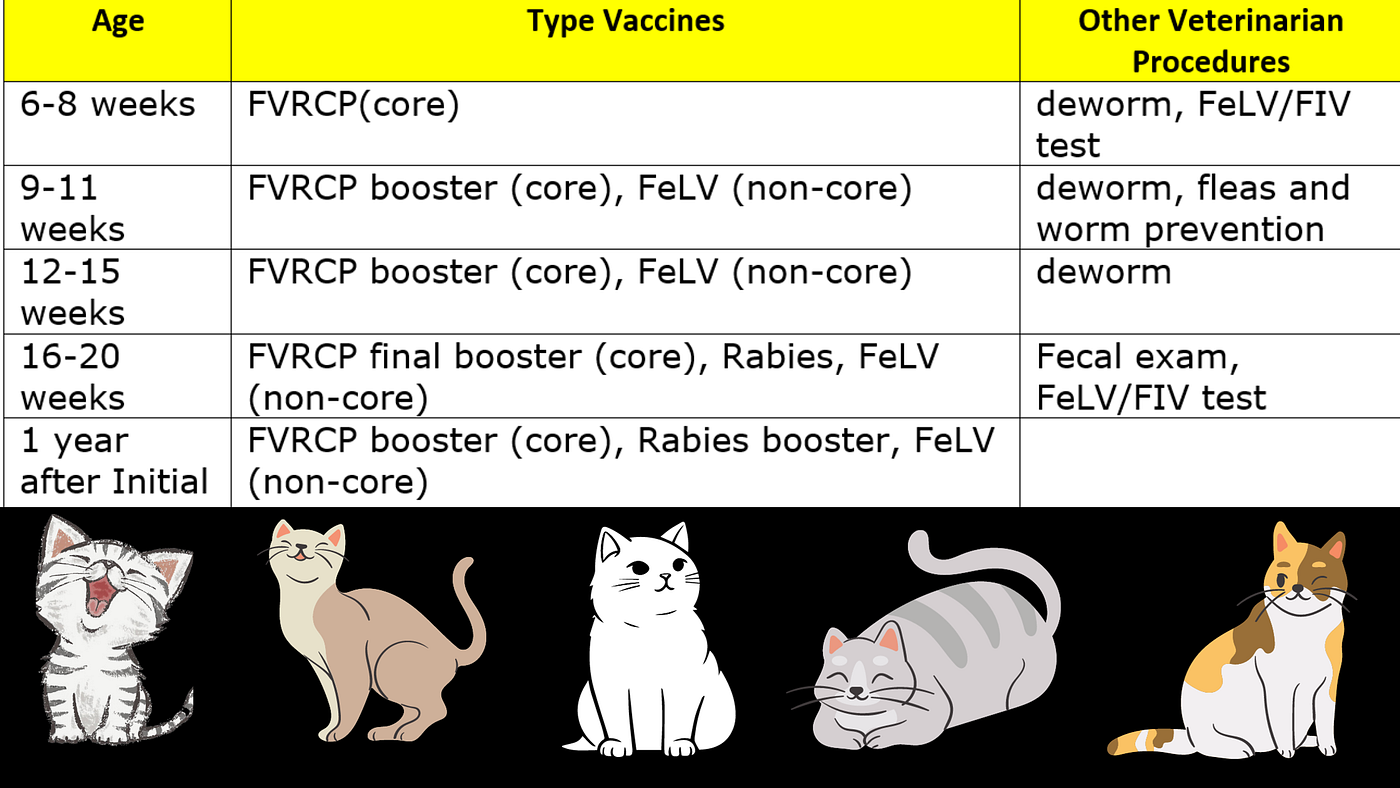
Your cat’s first rabies shot is usually given when they are between 12 and 16 weeks old. This timing helps ensure the vaccine works well because it’s after maternal antibodies have decreased. If your kitten is older and hasn’t been vaccinated yet, it’s important to get the shot as soon as possible to provide protection.
Booster Shot Frequency
After the initial vaccine, your cat will need booster shots to maintain immunity. Typically, the first booster is given one year after the initial vaccination. Following that, boosters are commonly required every one to three years, depending on the vaccine type used and local laws.
Have you checked with your vet about your cat’s specific booster schedule? Staying on top of these dates is crucial to avoid gaps in protection.
Variations By Region
Rabies vaccination rules can differ widely based on where you live. Some areas mandate annual boosters, while others allow a three-year interval. This is often influenced by local rabies risks and regulations.
For example, urban areas with higher wildlife exposure might require more frequent shots. It’s a good idea to consult local animal health authorities or your vet to know what applies in your region.
Legal Requirements For Rabies Shots
Understanding the legal requirements for rabies shots is crucial for every cat owner. These laws are designed to protect both your pet and the community from the dangers of rabies. Knowing what your local and national regulations demand helps you stay compliant and avoid serious consequences.
Local And National Laws
Rabies vaccination laws vary widely depending on where you live. Some regions require annual shots, while others accept a three-year vaccine. It’s important to check with your city or county animal control office to know the exact rules.
National guidelines often set a baseline, but local governments can enforce stricter regulations. Have you ever wondered why your neighbor’s cat needs a shot more frequently? It could be due to local wildlife risks or recent rabies cases in the area.
Pet Licensing And Vaccination
Getting your cat licensed typically requires proof of current rabies vaccination. This process helps track vaccinated pets and control outbreaks. When you register your cat, you’re not just following the law—you’re contributing to public health safety.
Many municipalities offer pet licenses at low cost or sometimes for free during vaccination clinics. Taking advantage of these services can save you money and ensure your cat’s records are up to date. Are you keeping track of your cat’s vaccination dates, or do they slip your mind?
Consequences Of Non-compliance
Failing to vaccinate your cat against rabies can lead to hefty fines and even legal action. In some areas, unvaccinated pets may be quarantined or, in severe cases, euthanized to prevent disease spread. These outcomes highlight the importance of timely vaccinations.
Beyond legal trouble, think about the risk to your cat’s health and the safety of your family. Rabies is almost always fatal once symptoms appear. Don’t wait until it’s too late—staying compliant is a simple way to protect everyone involved.
Credit: www.diamondpet.com
Choosing The Right Vaccine
Choosing the right rabies vaccine for your cat is important for their health. Different vaccines work in different ways. Knowing the types, effectiveness, and safety helps make a good choice. This ensures your cat stays protected with fewer risks.
Types Of Rabies Vaccines
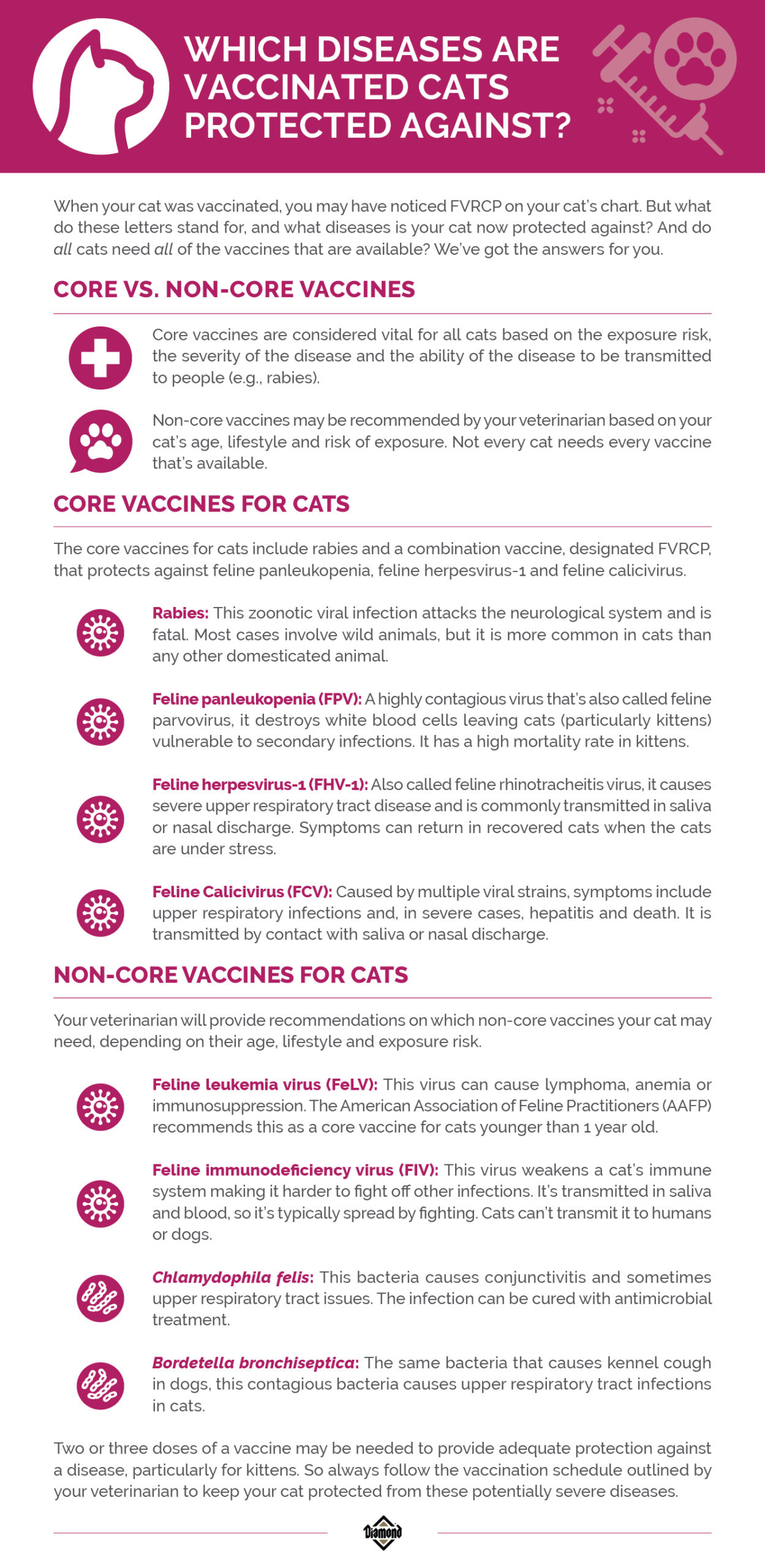
Rabies vaccines come in two main types:
- Inactivated (Killed) Vaccines:These contain dead virus particles. They cannot cause rabies but help the immune system recognize the virus.
- Recombinant Vaccines:Made using genetic material from the rabies virus. They are newer and often cause fewer side effects.
Veterinarians usually recommend inactivated vaccines for cats. Recombinant options may be available depending on your location.
Vaccine Effectiveness
Rabies vaccines protect cats from this deadly disease. Most vaccines provide strong immunity for one to three years. Booster shots keep the protection active. The type of vaccine can affect how long protection lasts.
Regular vaccination is the best way to prevent rabies. It also helps meet local laws about pet vaccination.
Side Effects And Safety
Rabies vaccines are generally safe for cats. Mild side effects may include:
- Soreness at the injection site
- Temporary tiredness
- Mild fever
Severe reactions are very rare. Tell your vet if your cat has allergies or health problems. They can help choose the safest vaccine option.
Vaccination Process And Care
Getting your cat vaccinated against rabies is a crucial step in keeping them safe. The vaccination process is straightforward, but some preparation helps it go smoothly. Knowing what to expect during the visit makes things easier for both you and your cat. After the shot, proper care ensures your cat stays comfortable and healthy.
Preparing Your Cat
Start by keeping your cat calm before the visit. Give them time to relax in a quiet room. Bring a favorite blanket or toy to help them feel safe. Avoid feeding your cat right before the appointment. Use a secure carrier to prevent any escape attempts.
What To Expect During Vaccination
The vet will check your cat’s health first. A physical exam ensures your cat is ready for the vaccine. The rabies shot is quick and given under the skin. Your cat may feel a small pinch. The whole process takes only a few minutes.
Post-vaccination Care
After the shot, watch your cat closely for any side effects. Mild swelling or soreness at the injection site is normal. Keep your cat indoors and limit vigorous activity for 24 hours. Offer plenty of water and comfort. Contact your vet if your cat shows unusual symptoms like vomiting or lethargy.
Credit: medium.com
Common Concerns And Myths
Many cat owners worry about rabies shots and what is true or false. Myths cause confusion about vaccine safety and need. Understanding common concerns helps keep cats healthy and safe.
Is The Vaccine Safe?
Rabies vaccines for cats are tested and approved by experts. Side effects are very rare and usually mild. Most cats only have slight soreness or tiredness after the shot. Serious reactions happen in less than 1% of cases.
Vaccines protect cats from a deadly disease. The benefits far outweigh any small risks. Regular vaccination is a key part of responsible pet care.
Can Indoor Cats Skip Shots?
Some believe indoor cats do not need rabies shots. This is not true. Indoor cats can escape or meet wild animals. Rabies spreads through bites or scratches from infected animals.
Vaccinating all cats, even indoor ones, keeps them safe. It also follows local laws in many places. Skipping shots puts cats and families at risk.
Frequency Myths Debunked
Many think rabies shots are needed every year only. Some vaccines now last three years. Your vet will tell the right schedule for your cat.
Giving shots too often can cause problems. Not vaccinating enough leaves cats unprotected. Follow professional advice to keep the right balance.
Cost And Accessibility
Rabies shots for cats are essential but come with costs that vary widely. Understanding the price and how accessible these vaccines are helps pet owners plan better. Budgeting for vaccinations ensures cats stay protected without financial stress.
Vaccine Price Range
Rabies vaccine prices can differ based on location and clinic. Usually, the cost ranges from $15 to $50 per shot. Some vets charge more for initial shots than for boosters. Costs may include the exam fee or additional services.
Low-cost Vaccination Clinics
Many communities offer low-cost clinics for pet vaccinations. These clinics help reduce costs for pet owners on a budget. They often run during specific times and may require appointments. Using these clinics can save money while keeping cats safe.
Pet Insurance Coverage
Some pet insurance plans cover vaccination costs, including rabies shots. Coverage depends on the plan and provider. Check your policy to see if vaccines are included. Insurance can ease the financial burden of regular shots.
Tracking Vaccination Records
Tracking your cat’s rabies vaccination records is essential for keeping their health on track and meeting local legal requirements. Without clear records, you might miss important booster shots or face challenges proving your cat’s vaccination status. Let’s look at how you can stay organized and ensure your furry friend is always protected.
Keeping Records Updated
Always update your cat’s vaccination records right after each visit to the vet. Whether it’s a rabies shot or any other vaccine, record the date, type of vaccine, and next due date.
Use a dedicated notebook or folder to keep paper documents safe. This helps you avoid last-minute scrambles and keeps you aware of upcoming shots. Have you ever realized too late that a booster was overdue? Staying ahead can prevent that stress.
Digital Tracking Options
Consider using digital tools to track vaccinations. Apps designed for pet care can send you reminders and store all essential details in one place.
Many apps allow you to upload photos of vaccination certificates, making it easy to access records on your phone anytime. This convenience is especially handy when traveling or during emergencies.
Veterinarian Communication
Keep open communication with your vet about your cat’s vaccination schedule. Ask for clear information on when the next rabies shot is due and any changes in vaccination guidelines.
Your vet can often provide digital copies of vaccination records or add them to a shared online portal. Regular check-ins with your vet help you stay informed and confident in your cat’s protection plan.
Frequently Asked Questions
How Often Should Cats Get Rabies Shots?
Cats typically need rabies shots every 1 to 3 years. The exact schedule depends on local laws and vaccine type. Your vet will recommend the best timing to keep your cat protected and compliant with regulations.
Why Are Rabies Shots Important For Cats?
Rabies shots protect cats from a deadly virus that affects the brain. Vaccination also prevents transmission to humans and other animals. It is a crucial part of responsible pet ownership and public health safety.
Can Indoor Cats Skip Rabies Vaccinations?
No, indoor cats still need rabies vaccines. Rabies can spread through bites from wild animals entering your home. Vaccination ensures your cat’s safety even if they rarely go outside.
What Are The Risks Of Skipping Rabies Vaccines?
Skipping rabies vaccines puts cats at risk of fatal infection. It also violates legal requirements in many areas. Unvaccinated cats may face quarantine or euthanasia if exposed to rabies.
Conclusion
Cats need rabies shots to stay safe and healthy. The first vaccine usually happens when kittens are young. After that, shots come every one to three years, depending on local rules and the vaccine type. Keeping your cat’s shots up to date helps protect them and your family.
Talk to your vet to know the exact schedule. Remember, regular vaccines prevent serious illness. Stay informed, stay responsible. Your cat will thank you with many happy years together.
